

Lowering your thermostat by just 1°C can save around £145 a year, with combined measures potentially cutting bills by up to 90%. For UK homeowners and property investors, small changes at home deliver big energy savings whilst upcoming regulations impact landlords and rental properties. This guide covers practical tips you can implement immediately, explains compliance requirements for 2030, and explores smart upgrade strategies that balance fabric improvements with new technology to maximise efficiency and property value.
Table of Contents
- Key takeaways
- Understanding why energy efficiency matters for UK homes
- Practical home energy saving tips you can apply now
- Choosing upgrades: fabric first or technology first?
- Cost considerations and government support for energy upgrades
- How home energy model can help UK property owners improve efficiency
- Frequently asked questions
Key Takeaways
| Point | Details |
|---|---|
| Thermostat reduction saves money | Lowering the thermostat by one degree saves around £145 a year, and combining measures can cut bills by up to 90 per cent. |
| Regulatory obligation 2030 | Landlords must reach EPC rating C by October 2030, with fines up to £30,000 for non compliance. |
| Fabric plus tech | Combining fabric upgrades with technology yields the best energy efficiency results. |
| Smart meters and DIY | Smart meters and DIY measures offer quick no cost benefits. |
| Real heat loss data | Plan upgrades using real heat loss measurements rather than EPC models alone. |
Understanding why energy efficiency matters for UK homes
Energy efficiency saves money and reduces carbon emissions whilst improving comfort and property value. For homeowners, better insulation and efficient heating systems mean lower bills and warmer rooms. Property investors and landlords face additional pressure from government regulations requiring rental properties to meet minimum energy performance standards.
Government schemes and grants help fund improvements, making upgrades more accessible. Combining measures with grants can cut bills by 70-90%, leading to £1,200+ annual savings possible. These schemes target low-income households and older properties with poor insulation, offering substantial financial support for measures like cavity wall insulation, loft insulation, and heat pump installations.
Landlords must comply with MEES regulations by 2030. Minimum energy efficiency standards require rental properties in England and Wales to reach EPC rating C by October 2030, with fines up to £30,000 for non-compliance. This represents a significant shift from the current minimum of EPC rating E, affecting thousands of rental properties across the UK.
Non-compliance risks hefty fines and lost rental income. Landlords cannot legally let properties failing to meet minimum standards, creating financial pressure to upgrade or sell. Properties with poor EPC ratings also command lower rents and sale prices, impacting investment returns. Understanding regulations guides upgrade priorities, helping you focus spending on measures that improve ratings most cost-effectively.
Pro Tip: Start prioritising energy upgrades by obtaining a current EPC assessment to identify which improvements deliver the biggest rating jumps for your budget.
Key regulatory milestones for landlords:
- October 2030: All rental properties must achieve EPC rating C minimum
- Properties let to new tenants face earlier compliance checks
- Social housing faces stricter timelines with 2028 deadlines
- Non-compliance penalties include fines and prohibition on letting
“Energy efficiency isn’t just about compliance anymore. It’s become a critical factor in property valuations, tenant demand, and long-term investment returns. Properties with poor ratings are increasingly difficult to let and sell.”
Practical home energy saving tips you can apply now
Small behaviour changes can save £100s per year without requiring expensive upgrades or professional installations. These quick wins reduce energy consumption immediately whilst you plan longer-term improvements.
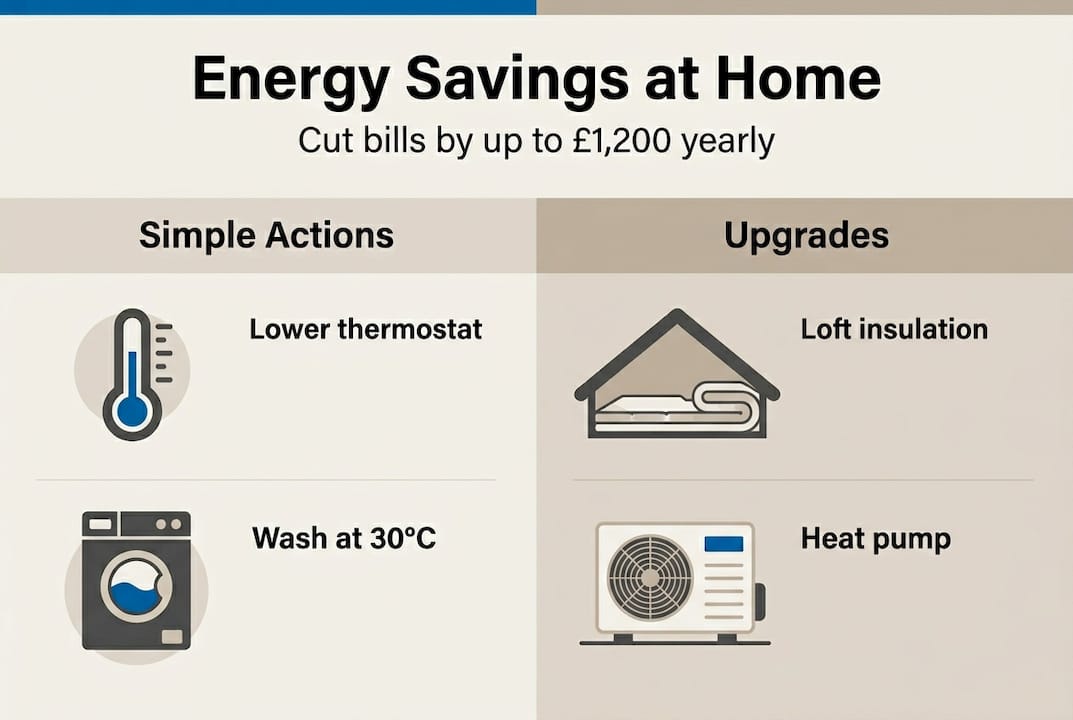
Simple actions include reducing thermostat, switching off standby, and shorter showers. Turning your heating down by 1°C saves around £145 annually. Switching devices off at the socket rather than leaving them on standby prevents phantom energy drain that costs typical households £45-80 yearly. Reducing shower time by just two minutes daily saves approximately £70 on energy and water bills combined.
No-cost tips include washing at 30°C, turning devices off at the socket, closing curtains, draught-proofing, and servicing boilers to save energy. Modern detergents work effectively at lower temperatures, cutting washing machine energy use by 40%. Closing curtains at dusk traps heat inside, reducing heating demand during evening hours when energy prices peak.
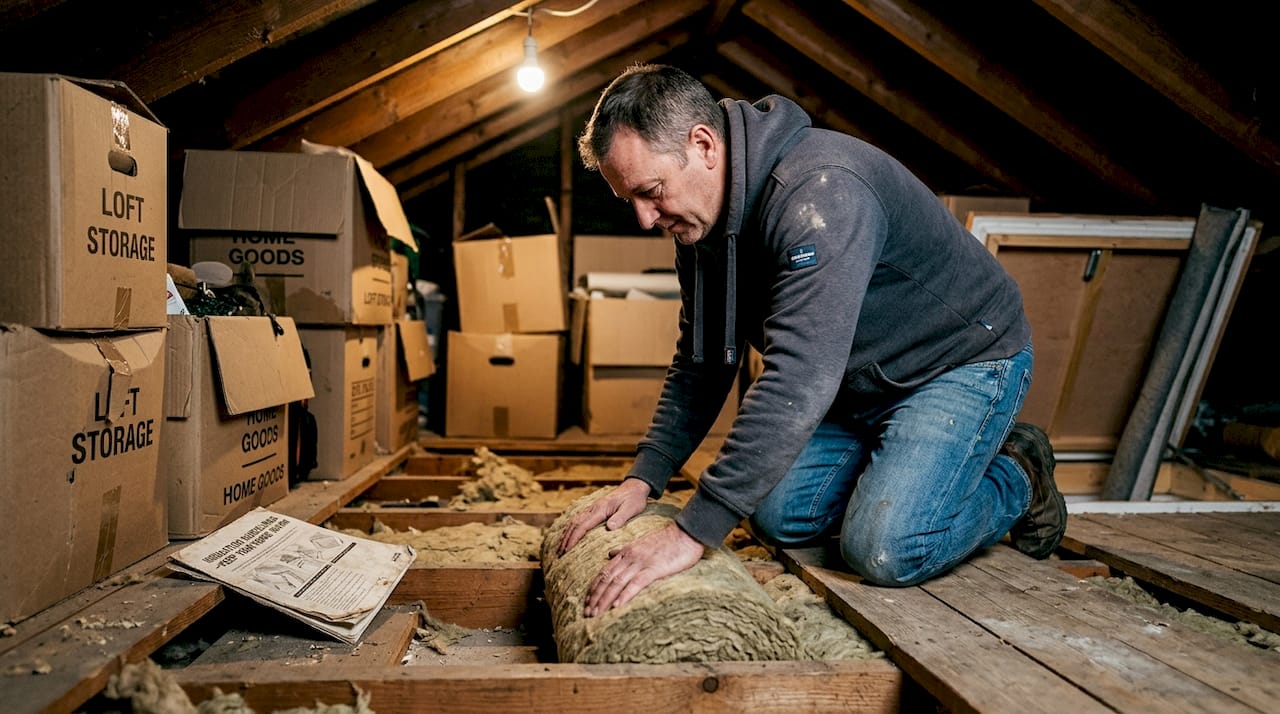
DIY draught-proofing and loft insulation improve comfort and reduce heat loss. Draught excluders for doors and windows cost under £20 and prevent cold air infiltration that forces heating systems to work harder. Adding loft insulation to the recommended 270mm depth costs around £300-400 for materials if you install it yourself, saving approximately £355 annually on heating bills.
Regular boiler servicing keeps heating efficient and safe. Annual servicing costs £80-120 but prevents efficiency losses that increase fuel consumption by 10-15%. Well-maintained boilers also last longer, delaying expensive replacement costs.
Using eco-settings and smart meters helps monitor and reduce consumption. Eco-modes on dishwashers and washing machines use less water and energy without compromising cleaning performance. Smart meters provide real-time feedback on energy use, helping you identify wasteful habits and adjust behaviour accordingly.
Quick wins for immediate savings:
- Lower thermostat by 1°C: saves £145 yearly
- Switch off standby mode: saves £45-80 yearly
- Shorter showers: saves £70 yearly
- Wash clothes at 30°C: cuts washing energy by 40%
- LED bulbs throughout: saves £40-50 yearly
- Draught-proof doors and windows: saves £60-100 yearly
Pro Tip: Explore energy quick wins for property owners and implement smart home energy habits to maximise savings without major investment.
Choosing upgrades: fabric first or technology first?
The ‘fabric first’ approach emphasises insulation before adding systems. This strategy prioritises improving walls, roofs, floors, and windows to reduce heat loss before installing renewable heating or generation technology. Proponents argue that reducing demand makes any heating system more efficient and cost-effective to run.
Critics warn the government’s ‘Warm Homes Plan’ risks poor performance in leaky homes by focusing on renewable tech over insulation. Installing heat pumps in poorly insulated properties forces systems to work harder, increasing running costs and reducing efficiency. This undermines the environmental and financial benefits that make heat pumps attractive.
Technology-first relies on heat pumps, solar but can underperform if fabric is poor. Heat pumps work most efficiently with lower flow temperatures, requiring good insulation to maintain comfort. Solar panels generate electricity regardless of insulation quality but cannot compensate for excessive heat loss through poor building fabric.
Real measurements show solid walls and air changes are often better than assumed, influencing heating system sizing and effectiveness. EPC assessments use default assumptions that can overestimate heat loss, leading to oversized heat pumps that cycle inefficiently. Measured data from occupied homes frequently reveals better performance than predicted, suggesting many properties need less aggressive fabric improvements than EPCs indicate.
Correct sizing and installation of heat pumps is vital for old homes. Oversized systems cycle on and off frequently, reducing efficiency and comfort whilst increasing wear. Professional heat loss calculations based on measured data prevent costly mistakes and ensure systems deliver promised savings.
A balanced approach combining incremental insulation with tech upgrades is best. Start with cost-effective fabric improvements like loft and cavity wall insulation, then assess whether further measures justify their cost before installing renewable systems. This staged approach spreads costs whilst delivering immediate savings.
| Approach | Advantages | Disadvantages | Best for |
|---|---|---|---|
| Fabric first | Reduces demand permanently; works with any heating system; improves comfort | High upfront costs; disruption; diminishing returns on some measures | Properties with poor insulation; long-term owners |
| Technology first | Access to grants; lower running costs; renewable energy | Underperforms in leaky homes; complex installation; higher maintenance | Well-insulated properties; those prioritising carbon reduction |
| Balanced/staged | Spreads costs; tests effectiveness; adapts to results | Requires planning; multiple projects; coordination complexity | Most homeowners; rental properties; budget-conscious investors |
Pro Tip: Understand building fabric role in efficiency and learn how to assess home energy loss before committing to expensive upgrades.
Cost considerations and government support for energy upgrades
Retrofits require upfront investment but yield large savings over time. Average retrofit upgrade costs are around £7,633 with grants and ECO schemes funding £3,000-£15,000 depending on measures. The payback period varies by improvement type, with loft insulation recovering costs in 2-3 years whilst solid wall insulation may take 10-15 years.
Grants reduce cost barriers substantially for eligible homeowners and landlords. The Energy Company Obligation (ECO4) scheme runs until 2026, targeting low-income households and properties with poor energy ratings. Grants cover a significant portion of costs for measures including cavity wall insulation, loft insulation, heat pumps, and solar panels. Local authority schemes and the Boiler Upgrade Scheme provide additional funding streams.
Compliance avoids fines up to £30,000 and loss of rental income. Landlords face enforcement action for non-compliant properties, with penalties accumulating for continued breaches. Beyond fines, inability to let properties creates immediate income loss whilst upgrade costs still accrue.
Combining improvements can cut bills by 70-90%, potentially saving over £1,200 annually. Comprehensive retrofits addressing multiple deficiencies deliver greater savings than isolated measures. Properties moving from EPC rating E to C typically see heating costs fall by 40-60%, with further reductions possible through behaviour changes and efficient appliances.
A clear plan and assessment ensures cost-effective upgrades. Professional energy assessments identify priority measures and predict savings, helping you allocate budgets effectively. Staging improvements over several years spreads costs whilst capturing immediate savings from early measures.
| Measure | Typical cost | Annual saving | Payback period | Grant availability |
|---|---|---|---|---|
| Loft insulation (270mm) | £400-800 | £355 | 1-2 years | Yes, ECO4 |
| Cavity wall insulation | £800-1,200 | £395 | 2-3 years | Yes, ECO4 |
| Solid wall insulation (external) | £8,000-14,000 | £525 | 15-25 years | Yes, ECO4 |
| Air source heat pump | £8,000-12,000 | £400-600 | 12-20 years | Yes, BUS £7,500 |
| Solar panels (4kW) | £5,000-8,000 | £350-500 | 10-15 years | Limited |
| Double glazing | £4,000-8,000 | £145 | 25-50 years | No |
Funding sources to explore:
- ECO4 scheme: covers major insulation and heating upgrades
- Boiler Upgrade Scheme: £7,500 towards heat pumps
- Local authority grants: vary by region and property type
- Interest-free loans: available in some areas for energy improvements
- Green mortgages: preferential rates for efficient properties
Pro Tip: Review the energy saving steps guide and complete an energy assessment checklist before applying for grants to ensure you target the most impactful measures.
How home energy model can help UK property owners improve efficiency
Professional energy models support compliance with changing UK regulations by providing accurate assessments of current performance and predicted improvements from proposed upgrades. The upcoming Home Energy Model methodology offers more detailed analysis than traditional SAP assessments, helping you make informed decisions about which measures deliver best value.
Simulations help prioritise upgrades for best cost-benefit and efficiency. By modelling different improvement scenarios, you can compare options and select combinations that maximise EPC rating improvements within your budget. This prevents wasted spending on measures that contribute little to compliance or savings.
Expert advice minimises risks of poor installations and oversizing. Professional assessments based on measured data ensure heating systems are correctly sized for your property’s actual heat loss, avoiding the inefficiency and expense of oversized equipment. Guidance on sequencing improvements optimises results and spreads costs effectively.
Using Home Energy Model can unlock grants and improve property value. Accurate assessments demonstrate eligibility for funding schemes whilst improved ratings enhance marketability and rental income potential. Understanding types of home energy models for landlords and how the home energy model explained UK methodology works helps you leverage these tools effectively. Explore the energy performance guide to improve building efficiency strategically.
Frequently asked questions
What is the easiest way to save energy at home?
Lowering your thermostat by 1°C saves around £145 yearly whilst using LED bulbs throughout your home cuts lighting costs by 80%. Turning off devices at the socket rather than leaving them on standby prevents phantom energy drain costing £45-80 annually. Reducing shower time by two minutes daily saves approximately £70 on combined energy and water bills, making these among the quickest wins requiring no upfront investment.
How do MEES regulations affect landlords?
Rental properties in England and Wales must reach EPC rating C by October 2030, up from the current minimum of rating E. Non-compliance can lead to fines up to £30,000 and legal prohibition on letting the property, creating immediate income loss alongside penalty costs. Social housing faces even stricter timelines with 2028 deadlines, whilst properties let to new tenants may face earlier compliance checks.
Should I insulate first or invest in a heat pump?
Insulating your home through a fabric first approach is critical to maximise heat pump efficiency and prevent systems from working excessively hard to maintain comfort. Measure actual heat loss through professional assessment to select properly sized systems and avoid overspending on oversized equipment that cycles inefficiently. Properties with poor insulation should prioritise fabric first energy upgrades like loft and wall insulation before installing renewable heating technology.
Are government grants available for energy saving upgrades?
Various grant schemes and ECO4 funding can cover £3,000-£15,000 of costs depending on measures chosen and household circumstances. Eligibility depends on property type, income level, current EPC rating, and specific upgrade measures selected, with priority given to low-income households and properties with poor energy performance. Explore government energy upgrade grants through the ECO4 scheme, Boiler Upgrade Scheme offering £7,500 towards heat pumps, and local authority programmes that vary by region.