
Over 80 percent of British homeowners could see tangible savings by understanding how new energy models affect their properties. With regulations tightening across the United Kingdom, getting to grips with innovative frameworks like the Home Energy Model is no longer optional. This practical guide spotlights the essential steps every British property owner should take to improve energy performance, reduce costs and stay ahead of industry standards.
Table of Contents
- Understand The Home Energy Model And New Regulations
- Identify Key Areas For Energy Loss In Your Property
- Evaluate Insulation And Building Fabric Efficiency
- Assess Heating, Cooling And Hot Water Systems
- Check Energy-Efficient Lighting And Appliances
- Review Water Efficiency Measures And Impacts
- Compile Recommendations And Track Improvements
Quick Summary
| Key Message | Explanation |
|---|---|
| 1. New Home Energy Model replaces SAP | The Home Energy Model offers an improved framework for accurately assessing residential energy performance in the UK. |
| 2. Identify energy loss areas in properties | Focus on walls, insulation, and windows to pinpoint where energy inefficiencies occur and implement fixes. |
| 3. Evaluate insulation and fabric efficiency | Assess roof, walls, and window insulation to enhance thermal performance, reducing energy waste significantly. |
| 4. Assess heating and cooling systems | Examine the efficiency of heating and cooling systems, and consider renewable alternatives for improved performance. |
| 5. Compile recommendations for energy improvements | Create a structured action plan detailing immediate and long-term strategies for energy efficiency upgrades. |
1. Understand the Home Energy Model and New Regulations
The Home Energy Model represents a significant transformation in how energy performance is assessed across UK residential properties. This groundbreaking methodology will replace the existing Standard Assessment Procedure (SAP) and marks a critical step towards achieving the United Kingdom’s ambitious net zero carbon emissions targets.
At its core, the Home Energy Model will provide a comprehensive framework for evaluating residential energy consumption more accurately. Unlike previous assessment methods, this new approach considers detailed performance metrics that reflect real world energy usage patterns, enabling property owners and developers to understand their buildings’ genuine environmental impact.
Key Changes in Energy Assessment:
- Replaces outdated Standard Assessment Procedure (SAP)
- Implemented alongside Future Homes Standard
- More precise measurement of actual energy consumption
- Supports UK government’s net zero carbon objectives
The government consultation process demonstrates a commitment to collaborative development, actively seeking industry expertise to refine the Home Energy Model before its anticipated 2025 implementation. By involving professionals across construction, energy, and property sectors, policymakers aim to create a robust, practical assessment methodology that balances technical accuracy with real world applicability.
Property owners and developers should start preparing now by understanding how the Home Energy Model will demonstrate compliance with emerging building regulations. This proactive approach will help streamline future property assessments and potentially reduce long term energy costs.
2. Identify Key Areas for Energy Loss in Your Property
Identifying energy loss areas is fundamental to creating an effective energy assessment strategy for your property. Understanding where and how energy escapes can lead to substantial improvements in both environmental sustainability and household expenditure.
Energy loss typically occurs through multiple channels in residential properties, with certain areas consistently demonstrating higher inefficiency. Scottish Government research highlights critical points of energy wastage that property owners should prioritise during their assessment.
Primary Energy Loss Areas:
- Walls and roof insulation
- Windows and door frames
- Heating system efficiency
- Flooring and foundation gaps
- Ventilation and air leakage points
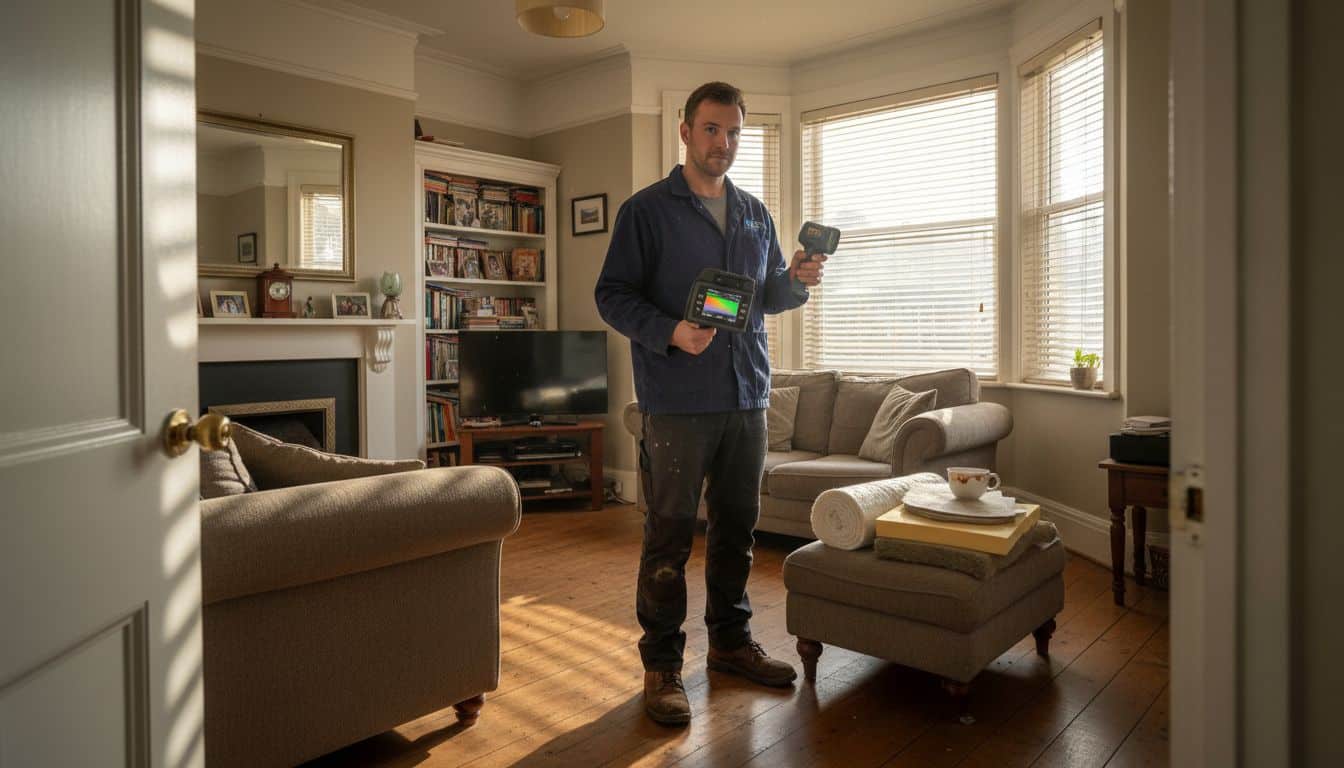
Professional energy assessments recommend a systematic approach to identifying these loss points. Thermal imaging technology can provide precise mapping of heat escape routes, revealing invisible yet significant energy inefficiencies. Homeowners should pay particular attention to older properties, which often have more pronounced structural vulnerabilities.
Practical investigation involves carefully examining building fabric, checking for drafts, assessing window and door seals, and evaluating the current heating infrastructure. Simple diagnostic tools like thermal cameras or professional energy performance evaluations can pinpoint exact locations where energy is being unnecessarily lost, enabling targeted and cost effective improvements.
3. Evaluate Insulation and Building Fabric Efficiency
Evaluating insulation and building fabric efficiency forms a critical foundation for comprehensive energy performance assessments. Understanding how your property retains or loses heat can dramatically impact both environmental sustainability and household energy expenditure.
Scottish Government research emphasises the crucial role of building fabric assessment in meeting evolving energy performance regulations. Proper evaluation involves a systematic examination of multiple structural elements that contribute to thermal performance.
Key Areas of Building Fabric Assessment:
- Roof insulation quality
- Wall cavity and solid wall insulation
- Window and door thermal performance
- Floor insulation and sealing
- Structural integrity and potential heat bridges
A comprehensive assessment requires both visual inspection and advanced diagnostic techniques. Thermal imaging cameras can reveal invisible heat loss patterns, while professional energy assessors use specialised equipment to measure heat transfer rates and identify potential improvements.
Property owners should consider a whole house approach, recognising that insulation efficiency is interconnected. A weakness in one area can compromise the entire building’s thermal performance. Professional assessments can provide detailed recommendations for targeted upgrades, helping homeowners prioritise interventions that deliver maximum energy efficiency and cost savings.
4. Assess Heating, Cooling and Hot Water Systems
Assessing heating, cooling and hot water systems is fundamental to understanding your property’s overall energy performance. These systems represent significant energy consumption points that can substantially impact both environmental sustainability and household expenditure.
Global efforts are increasingly focusing on transitioning away from fossil fuel dependent heating systems towards more sustainable alternatives. A comprehensive evaluation involves examining the efficiency, age and operational characteristics of your current infrastructure.
Key Assessment Parameters:
- Boiler efficiency and age
- Heat distribution system performance
- Insulation around pipework
- Hot water cylinder characteristics
- Cooling system energy consumption
- Thermostat and control mechanisms
Professional energy assessors recommend a holistic approach that considers not just individual system components but their integrated performance. Advanced diagnostic tools can measure actual energy transfer rates, identifying potential improvements that might not be immediately apparent through visual inspection.
Property owners should prioritise systems that offer maximum thermal comfort while minimising energy consumption. This might involve exploring renewable alternatives such as air source heat pumps, solar thermal systems or high efficiency condensing boilers. Regular maintenance and strategic upgrades can lead to significant long term energy savings and reduced carbon emissions.
5. Check Energy-Efficient Lighting and Appliances
Examining the energy efficiency of lighting and appliances represents a critical component of comprehensive property energy assessments. These electrical systems can significantly contribute to overall household energy consumption and operational costs.
Scottish Government research underscores the importance of evaluating lighting and appliance efficiency as part of meeting emerging building performance standards. Modern properties require a strategic approach to electrical equipment selection and management.
Key Assessment Parameters:
- LED lighting efficiency
- Appliance energy rating standards
- Smart home energy monitoring systems
- Standby power consumption
- Age and technological status of electrical equipment
- Potential for renewable electricity integration
Professional energy assessors recommend a comprehensive audit of all electrical systems. This involves examining not just individual appliance performance but also understanding their collective energy consumption patterns. Advanced energy monitoring technologies can provide real time insights into electrical usage, helping property owners make informed decisions about potential upgrades and replacements.
Strategic improvements can yield substantial benefits. Replacing outdated appliances with high efficiency models, implementing LED lighting solutions and utilising smart energy management systems can dramatically reduce electricity consumption. The goal is to create an integrated approach that balances technological performance with environmental responsibility.
6. Review Water Efficiency Measures and Impacts
Water efficiency represents a critical yet often overlooked aspect of comprehensive energy performance assessments. Understanding and implementing strategic water management can significantly reduce both environmental impact and household utility expenses.
Scottish Government research highlights the intricate connection between water efficiency and overall building energy performance through sophisticated analytical frameworks. Water consumption directly influences energy requirements for heating, treatment and distribution systems.
Key Water Efficiency Assessment Parameters:
- Water heating system efficiency
- Pipework insulation quality
- Appliance water consumption rates
- Potential for greywater recycling systems
- Leak detection and prevention strategies
- Water flow rate measurements
- Bathroom and kitchen fixture efficiency
Professional assessors recommend a holistic approach that examines water usage across multiple domains. Advanced monitoring technologies can provide granular insights into consumption patterns, helping property owners identify opportunities for significant reductions.
Strategic interventions might include installing low flow fixtures, implementing smart water metres and exploring innovative water recycling technologies. By treating water efficiency as an integral component of energy performance, property owners can achieve substantial environmental and financial benefits.
7. Compile Recommendations and Track Improvements
Compiling comprehensive energy assessment recommendations transforms raw data into actionable strategies for property enhancement. This final step bridges analytical insights with practical implementation, enabling property owners to make informed decisions about energy efficiency improvements.
Scottish Government research emphasises systematic recommendation compilation and progress tracking as a critical component of meeting emerging building performance standards. Effective tracking requires a structured approach that prioritises meaningful interventions.
Recommendation Compilation Strategies:
- Prioritise recommendations by cost effectiveness
- Establish clear implementation timelines
- Assign specific energy performance targets
- Create measurable improvement metrics
- Document baseline energy consumption levels
- Develop budget allocation strategies
- Schedule periodic performance reviews
Successful implementation involves creating a dynamic, adaptable framework that can evolve with technological advancements and changing regulatory requirements. Property owners should consider developing a comprehensive action plan that includes both immediate upgrades and long term strategic improvements.
Technological solutions such as energy monitoring software can provide real time insights, allowing continuous assessment of implemented recommendations. By maintaining a proactive approach to energy efficiency, property owners can simultaneously reduce environmental impact and minimise operational costs.
Below is a comprehensive table summarising the key points regarding the Home Energy Model and related energy efficiency strategies discussed throughout the article.
| Topic | Description | Key Considerations |
|---|---|---|
| Home Energy Model | New methodology replacing SAP for assessing residential energy performance in the UK, aligned with net zero targets. | Focuses on real-world energy usage and environmental impact. |
| Key Changes in Energy Assessment | Replaces outdated SAP, aligns with Future Homes Standard, improves measurement precision. | Supports UK government’s carbon objectives. |
| Identifying Energy Loss | Identifying areas such as walls, roof, windows, and heating systems for energy loss. | Utilise assessments and thermal imaging for accurate detection. |
| Insulation & Building Fabric | Evaluates roof, wall, floor, window/dor insulation for thermal retention. | Consider comprehensive inspections and advanced diagnostic tools. |
| Heating & Cooling Systems | Assess efficiency of heating, cooling, hot water systems. | Integrate renewable options like heat pumps and solar systems. |
| Lighting & Appliances | Assess efficiency of lighting and electrical appliances. | Consider LED lighting and smart energy systems. |
| Water Efficiency | Analyse water efficiency, linking it to energy performance. | Implement low-flow fixtures and recycling systems. |
| Recommendations & Improvements | Compile recommendations and track energy improvements. | Develop a structured plan with specific energy targets. |
Take Control of Your Energy Assessment Journey Today
Understanding and tackling the detailed steps in an effective energy assessment checklist can feel overwhelming, especially with the upcoming change from SAP to the Home Energy Model (HEM) in 2025. The challenge lies in accurately identifying energy loss areas, evaluating building fabrics, and assessing heating systems while staying compliant with the Future Homes Standard. These are not just technical requirements but vital actions that directly impact your property’s sustainability and long term cost savings.
Empower yourself with the latest government-backed insights and practical guidance at homeenergymodel.co.uk. Discover how the Home Energy Model will transform energy performance assessments, why prioritising insulation and appliance efficiency matters, and how water and heating system evaluations play a crucial role. Start planning your energy improvements now to save money and reduce your carbon footprint. Visit Learn More About the Home Energy Model and take the vital step towards future proofing your property today.
Frequently Asked Questions
What are the essential steps in an effective energy assessment checklist?
An effective energy assessment checklist includes understanding the Home Energy Model, identifying key areas for energy loss, evaluating insulation and building fabric efficiency, assessing heating, cooling and hot water systems, checking energy-efficient lighting and appliances, reviewing water efficiency measures, and compiling recommendations. Follow these steps to create a comprehensive plan that enhances energy efficiency in your property.
How can I identify areas of energy loss in my home?
To identify areas of energy loss in your home, conduct a thorough inspection focusing on walls, roofs, windows, and heating systems. Consider using thermal imaging technology to pinpoint specific spots where energy escapes, leading to targeted improvements that can reduce energy loss by approximately 30%.
What should I consider when evaluating insulation efficiency?
When evaluating insulation efficiency, examine the quality of your roof and wall insulation, window and door seals, and floor insulation. Conduct visual inspections alongside diagnostic techniques to determine areas that require improvement, which can significantly enhance your property’s thermal performance within a few months.
How do I assess the efficiency of my heating and cooling systems?
Assess the efficiency of your heating and cooling systems by checking the age and performance of your boiler, evaluating insulation around pipework, and inspecting thermostat controls. Aim to schedule a professional assessment that can reveal potential upgrades, helping you save up to 25% on energy costs.
Why is water efficiency part of an energy assessment?
Water efficiency is crucial as it influences both energy consumption for heating and overall utility costs. Review your water heating systems, look for leaks, and consider introducing low-flow fixtures to enhance efficiency, potentially reducing water use by around 15%.
How can I compile and track recommendations from my energy assessment?
To compile and track recommendations, create a prioritised list based on cost-effectiveness and establish clear implementation timelines. Set measurable performance targets and schedule regular reviews to ensure progress, making adjustments as needed to optimise energy efficiency in your property.