Get Your Domestic EPC Quote Online Or Call 0800 020 9191
A Domestic Energy Performance Certificate (EPC)
A Domestic Energy Performance Certificate, often referred to as an EPC, plays a crucial role in today’s real estate market by offering valuable insights into the energy efficiency of residential properties. It assesses and rates the energy performance of a home on a scale ranging from A to G, with A being the most energy-efficient rating and G indicating the least efficient. This scale not only helps property owners understand how their homes consume energy, but it also allows potential buyers or tenants to make informed decisions.
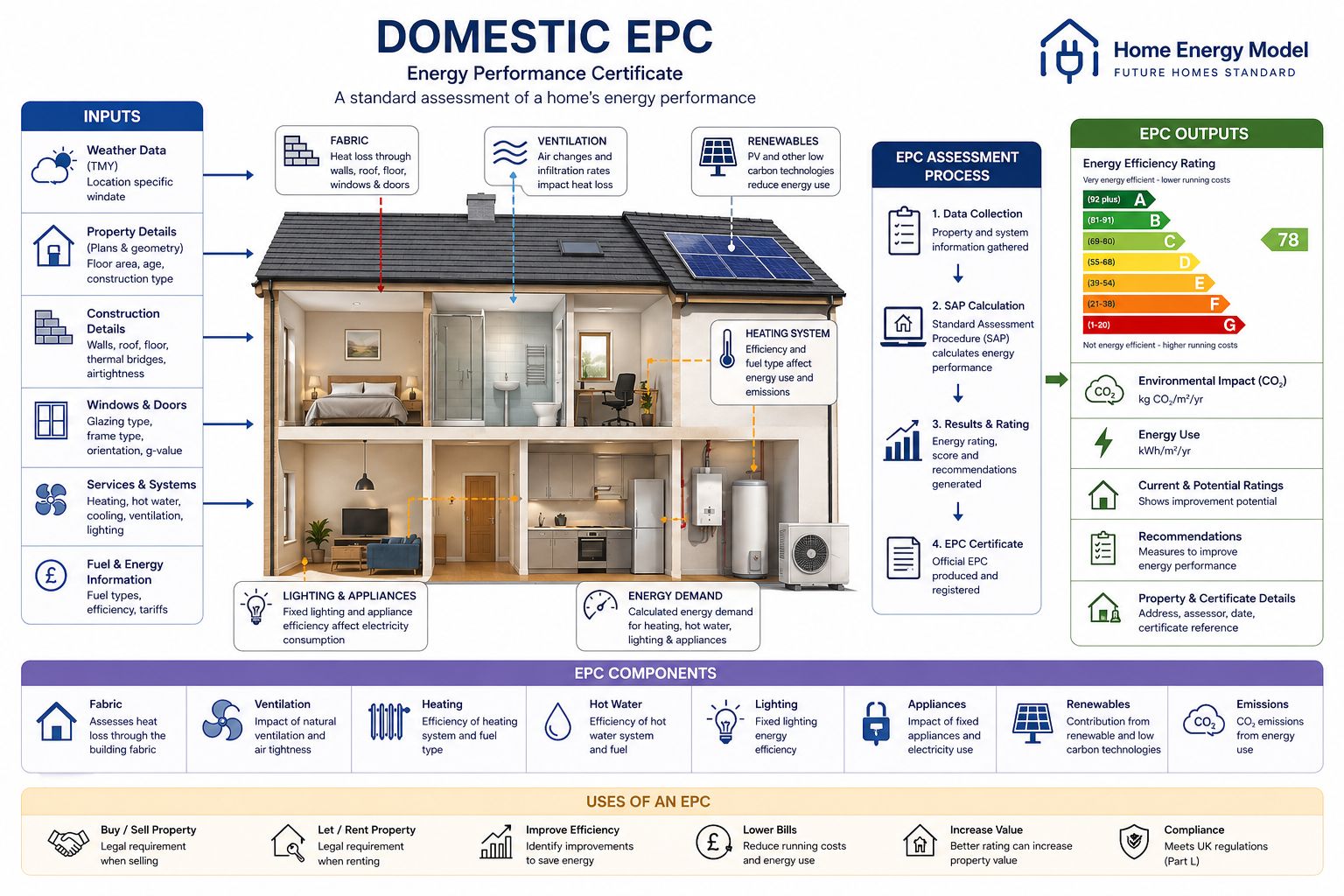
In addition to providing a straightforward rating, an EPC includes recommendations for improvements that can enhance energy efficiency. These suggestions may range from simple changes, like upgrading insulation or installing energy-efficient lighting, to more significant investments in renewable energy sources like solar panels. Implementing these recommendations can lead to substantial reductions in energy costs over time, making properties more financially viable for occupants.
The issuance of an EPC is often a legal requirement when selling or renting a property in many areas, underscoring the importance of transparency in energy consumption and its environmental impact. By having this certificate, sellers and landlords can reassure potential buyers and tenants that they are prioritizing sustainability and energy conservation. It not only supports the shift towards greener living but also contributes to a greater understanding of energy efficiency in residential buildings, ultimately helping reduce carbon footprints and fostering a healthier environment for all.
The Department for Housing & Communities.
Before a building is put on the market, whether for sale or rental, the seller or landlord is required to commission an Energy Performance Certificate, commonly referred to as an EPC, if there isn’t a valid EPC already available for that property. This certificate is essential as it provides important information about the energy efficiency of the building, helping potential buyers or tenants understand how energy-efficient the property is before making a decision.
For those acting on behalf of the seller or landlord, such as estate agents or letting agents, it is crucial to ensure that an EPC has been commissioned prior to listing the property. This step is vital for compliance with regulations and helps avoid any potential delays or complications later in the process.
The seller, landlord, or any representative acting on their behalf must make all reasonable efforts to obtain the EPC within seven days. If they find that they are unable to secure the EPC within that timeframe, they are allowed an additional 21 days to complete the process, as long as they have put forth those reasonable efforts to do so.
While estate or letting agents may occasionally provide prospective buyers or tenants with a copy of the EPC, it is essential to remember that the ultimate responsibility still lies with the seller or landlord. They must ensure that a valid EPC has indeed been purchased and is available for potential clients to review. This not only meets legal requirements but also reflects positively on the seller or landlord’s commitment to transparency and sustainability in property transactions.

An Energy Performance Certificate (EPC) is required when selling or renting out a property in the UK.
When selling or renting out existing buildings, the seller or landlord must provide an Energy Performance Certificate (EPC) as soon as possible. This should happen at the latest when someone either requests information about the building or comes to view it. Additionally, the seller or landlord is required to provide a valid EPC, free of charge, to the person who ultimately becomes the buyer or tenant.
An Energy Performance Certificate (EPC) is not required for certain residential properties.
EPCs are necessary for all sales or rental situations, with exceptions outlined on page 6 under “Situations where an EPC is not required.” However, not every transaction qualifies as a sale or lease. The following are some examples where EPCs are not needed:
– Lease renewals or extensions
– Compulsory purchase orders
– Share sales in a company that owns the buildings
– Lease surrender
– Stand-alone buildings under 50 square meters
– Places of worship
– Industrial sites and workshops
– Non-residential agricultural buildings with low energy demand
The value of an Energy Performance Certificate
The cost of obtaining an Energy Performance Certificate (EPC) check can vary significantly based on a multitude of factors, including, but not limited to, the size, type, and geographic location of the property in question. For residential properties, the fees associated with an EPC assessment typically align with the square footage and overall characteristics of the home. In contrast, commercial properties tend to incur higher costs due to their larger dimensions, increased complexity, and the specific energy performance requirements that must be addressed.
Furthermore, it is imperative to recognize that the pricing structure for an EPC can also be affected by any supplementary services that may be requested alongside the issuance of the certificate. For instance, if clients are interested in having detailed floor plans or comprehensive property assessments included in the service package, these additions may incur extra charges, thereby increasing the overall cost.
Despite the varying costs, it is essential to view the acquisition of an EPC not merely as an expense, but rather as a valuable investment geared towards enhancing the energy efficiency of the property. This not only contributes to reduced energy consumption and lower utility bills but also plays a crucial role in ensuring compliance with current regulatory requirements governing energy performance. Adhering to these regulations is increasingly important in today’s market, where sustainability practices are emphasized and may influence property desirability and value.
In conclusion, while it is beneficial to weigh the financial implications of obtaining an Energy Performance Certificate, it is equally vital to consider the long-term advantages of improved energy efficiency and regulatory compliance that such an investment provides.
A Domestic Energy Assessor (DEA)
A Domestic Energy Assessor (DEA) is a qualified professional who evaluates the energy performance of homes in the UK. They carry out an energy survey of the property, looking at aspects such as insulation, heating systems, ventilation, and lighting. Based on this assessment, they provide an Energy Performance Certificate (EPC) rating, which helps potential buyers or tenants understand the property’s energy efficiency and identify possible improvements.
DEAs have received specialized training in energy performance using the Reduced Data Standard Assessment Procedure (RdSAP) methodology, allowing them to produce domestic EPCs. It’s worth noting that the DEA method is primarily used for existing homes, while a complete Standard Assessment Procedure (SAP) is applied to new constructions.

How a Domestic Energy Performance Certificate (EPC) is issued.
A Domestic Energy Performance Certificate, commonly known as an EPC, is an essential document that provides valuable information about the energy efficiency of a residential property. The process of issuing an EPC involves several key steps, ensuring that homeowners and potential buyers or renters receive an accurate assessment of a property’s energy performance.
First and foremost, the process begins with the appointment of a qualified Energy Assessor. This professional is trained and accredited to evaluate the energy efficiency of homes. They have the expertise needed to identify and analyze various aspects of the property that influence energy consumption. Homeowners can typically find assessors through accredited organizations or online directories.
Once an assessor has been appointed, they will arrange a visit to the property. During this visit, the assessor conducts a thorough inspection of several elements, including insulation levels, heating systems, and the types of windows and doors present. They will also assess any renewable energy sources, such as solar panels or heat pumps, which can greatly enhance a property’s energy performance ratings.
The assessor utilizes a standardized methodology to gather information, often following the guidelines set by government regulations. This could include measuring the area of the property, checking the condition of the heating systems, and examining the boiler’s efficiency, among other critical factors. All these details play a crucial role in determining the property’s energy score.
After the inspection, the Energy Assessor inputs the collected data into a specialized software program designed to calculate the energy efficiency. This program uses a rating system that typically ranges from A to G, with A being the most efficient and G the least. The final score not only reflects the current energy performance but also includes recommendations for improvements that could enhance energy efficiency even further. This can lead to cost savings on energy bills as well as a reduced environmental impact.
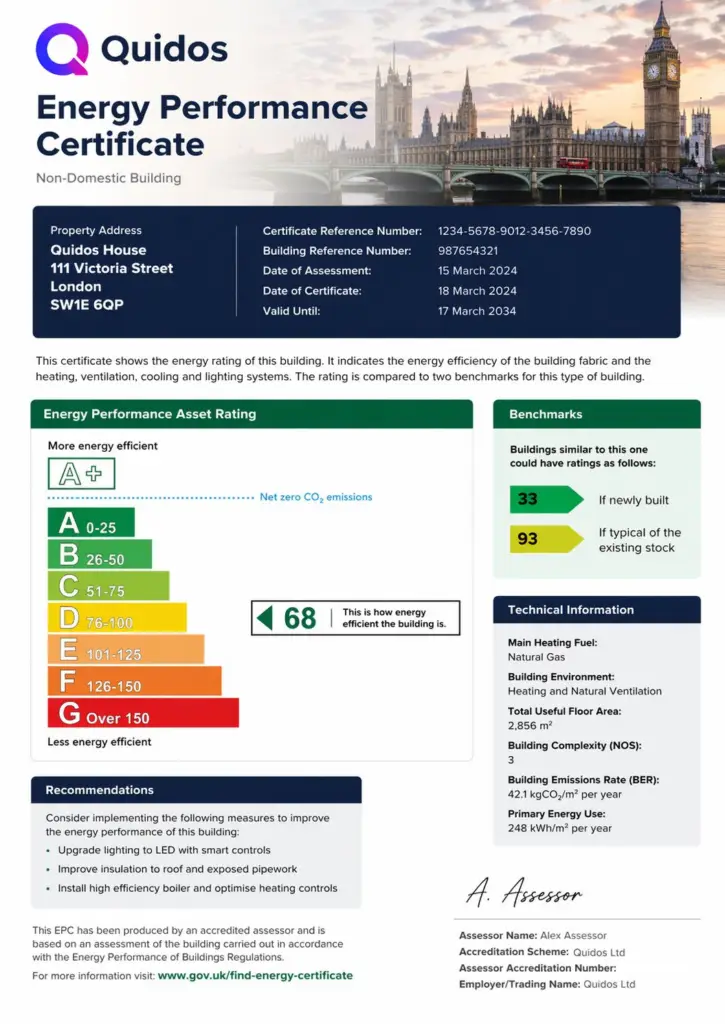
Once the assessment and calculations are complete, the Energy Performance Certificate is officially issued. It includes a summary of the property’s energy efficiency, the rating achieved, and the suggested improvements. The EPC is generally valid for ten years, but it can be renewed with a new assessment any time before it expires.
Homeowners are legally required to provide an EPC when selling or renting out their properties, as it helps inform potential buyers or tenants about energy costs and environmental impact. Therefore, securing an EPC is an important step in real estate transactions, providing transparency and encouraging more energy-efficient living.
Overall, the issuance of a Domestic Energy Performance Certificate involves a comprehensive evaluation of a property’s energy use and efficiency, ultimately guiding homeowners and residents towards making informed decisions regarding energy management and sustainability.
Here's a more detailed breakdown:
Property Assessment:
A qualified Domestic Energy Assessor (DEA) comes to visit the property.
During the visit, the DEA inspects both the interior and exterior of the property, taking measurements and noting the construction materials used.
They evaluate the heating system, hot water system, and any additional heating sources.
The assessor also examines insulation, windows, and lighting, paying special attention to any energy-saving features.
Data Collection:
The DEA gathers information on the property’s energy usage, size, and construction details. They might take photographs for their records and ask about the property’s history and any energy upgrades. If certain aspects, like insulation depth, aren’t visible, the DEA may need the homeowner to provide documentation.
Calculation and Rating:
We input the collected data into specialized software called (RdSAP) which calculates the property’s energy efficiency rating. From this, we generate the Energy Performance Certificate (EPC), which shows the rating, estimated energy costs, and suggestions for improvements.
Certificate Delivery:
The Energy Performance Certificate (EPC) is submitted to the central government register.
Homeowners usually receive a copy of their EPC through email or as a link to the register.
EPCs are valid for 10 years and can be used for various purposes, including selling or renting a property.
Essentially, the EPC offers a clear overview of a property’s energy efficiency, assisting both homeowners and potential buyers or tenants in understanding energy consumption and identifying areas for improvement.
Trouble-free EPC Service
Our EPC service, which is designed to make the process as seamless and hassle-free as possible for you. Our certified assessors will carry out a thorough evaluation of your property, taking into account key factors like insulation, heating systems, and ventilation. You’ll receive a detailed report that not only highlights your property’s current energy performance but also offers valuable recommendations on enhancing its efficiency.
Speculate in an Energy Performance Certificate
The benefits of investing in an Energy Performance Certificate. Not only does it help reduce energy consumption and lower your utility bills, but it also plays a significant role in promoting sustainability within our communities
Minimum Energy Efficiency Standards (MEES)
The importance of minimum energy efficiency in our daily lives. It plays a pivotal role in promoting sustainable living and environmental responsibility. By adhering to the Minimum Energy Efficiency Standards (MEES), we can not only enhance energy performance in buildings and appliances but also significantly reduce greenhouse gas emissions and lower our utility costs.
Implementing these standards is a win-win, as it benefits both the environment and our finances. Let’s continue to advocate for energy efficiency and embrace a more sustainable approach to how we consume energy. Together, we can make a difference!

How Do I Renewal An EPC Certificate
When the time comes to renew an EPC, it is imperative that a qualified energy assessor conducts a comprehensive re-evaluation of the property. This assessment is crucial as it takes into consideration any modifications, upgrades, or improvements made since the last certificate was issued, which may significantly influence the property’s energy rating. Given the increasing focus on sustainability and energy efficiency in the real estate market, having an accurate and current EPC is essential, particularly if you have intentions to sell or rent the property in the near future.
The renewal process entails several steps that are quite similar to those undertaken during the initial EPC assessment. These steps include a thorough examination of various energy-related features of the property, such as insulation quality, efficiency of heating and cooling systems, window specifications, and overall energy consumption patterns. During this evaluation, the energy assessor may also consider the implementation of energy-saving technologies or improvements that have been carried out, which could enhance the property’s energy performance rating.
Maintaining an up-to-date EPC is not only beneficial for compliance with legal requirements but also serves as a valuable marketing tool for property owners. It provides potential buyers and tenants with transparent and credible information regarding energy efficiency, which can be a decisive factor for many individuals in their property search. Furthermore, an EPC that reflects high energy efficiency can also lead to lower energy bills, which is an attractive attribute for prospective occupants.
In conclusion, the renewal of an Energy Performance Certificate is a critical responsibility for property owners and should not be overlooked. It ensures compliance with existing regulations while also promoting sustainability and energy conservation practices. Engaging a qualified energy assessor for this renewal process is essential to guarantee that the assessment is thorough and the new certificate accurately reflects the current energy performance of your property.

Domestic EPC Quote

"*" indicates required fields