Get Your Home Energy Model Quote
The Home Energy Model (HEM)
The Home Energy Model is a government-developed method for evaluating the energy performance of homes throughout the United Kingdom. It aims to replace the existing Standard Assessment Procedure (SAP).
Similar to SAP, the Home Energy Model will support various government policies. It plays a crucial role in the implementation of the government’s housing and climate strategies. As mentioned in the government consultation, it represents “a new name for a new methodology.”

When was the Home Energy Model Announced?
In December 2023, the government announced the Home Energy Model as part of three consultations. These focus on the Home Energy Model and the Future Homes and Buildings Standards.
The two consultations related to the Home Energy Model are:
1. The Home Energy Model: This will serve as the new methodology replacing the Standard Assessment Procedure (SAP) for assessing the energy performance of homes.
2. The Home Energy Model: Future Homes Standard Assessment: This new methodology will ensure that new homes meet the Future Homes Standard, taking over from SAP version 10.2 for energy ratings.
The New Home Energy Model Transition Timeline
The New Home Energy Model Transition Timeline outlines a clear path to the Home Energy Model, which is divided into three phases to avoid a compliance freeze in the housing market. This approach allows developers to continue achieving the 75–80% carbon reduction targets set by the Future Homes Standard, even while we test the new digital infrastructure.
Phase 1: SAP 10.3 Solo (Minimum 3 Months): After the Future Homes Standard launches in early 2026, SAP 10.3 will be the sole available tool. It will use the new notional building targets of the Future Homes Standard while maintaining the familiar monthly calculation method.
Phase 2: Dual Compliance (24 Months): After approval of the HEM cloud infrastructure (ECaaS), both SAP 10.3 and HEM will be accepted. This enables the industry to transition to high-resolution modeling without halting projects.
Phase 3: HEM Only: Eventually, HEM will be the exclusive regulatory tool for all new residential buildings and the generation of Energy Performance Certificates (EPCs).
Comparing Home Energy Model and SAP 10.3: While SAP 10.3 bridges to the Future Homes Standard using monthly averages, the Home Energy Model is a more advanced tool that leverages half-hourly data (17,520 time steps per year) to provide a detailed view of a home’s energy performance. This evolution requires significantly more data, much of which will come from specialized input from the entire project team, including architects, plumbers, and solar installers.
What Is SAP? - Standard Assessment Procedure
The Standard Assessment Procedure (SAP) is the methodology used by the UK government to estimate the energy performance of homes. It serves two main purposes:
1. To demonstrate compliance of new homes with Part L of the Building Regulations.
2. To generate Energy Performance Certificates (EPCs) for all homes.
SAP plays a key role in developing, implementing, and monitoring government policies across the whole building industry. As of May 2025, the Department for Energy Security and Net Zero (DESNZ) announced that both SAP 10.3 and the Home Energy Model (HEM) could be used in England to assess compliance with the upcoming Future Homes Standard.
The Home Energy Model is replacing SAP
According to the government consultation, the Standard Assessment Procedure, often referred to as SAP, presents a simplicity that contrasts sharply with the more complex standards prevalent in today’s industry. Initially conceived for on-site assessors, SAP relied primarily on basic tools such as pen and paper, making its implementation straightforward during its inception.
Despite the numerous updates it has received over the years to adapt to changing technologies and industry needs, the core structure of SAP has largely remained intact. This has raised questions about its effectiveness in addressing contemporary requirements in energy assessment and efficiency.
The emergence of the Home Energy Model offers the government a valuable opportunity to revamp this methodology. By redesigning it, the aim is to create a framework that not only clarifies the various applications of the SAP but also differentiates its use cases more effectively across different sectors and scenarios.
The overarching goal of this initiative is to set the stage for a future-ready methodology. This updated framework should better support industry practices, provide comprehensive guidance for policymakers, facilitate research advancements, and recognize buildings that meet the important criteria of being “net zero ready.” This recognition is particularly crucial in the context of ongoing efforts to combat climate change and promote sustainable living practices. By taking these steps, stakeholders can ensure that the procedures are not only relevant but also robust enough to meet the energy challenges of the future.
The Home Energy Model differs from SAP in several key ways
To achieve its goals, the government emphasises the need to change both the calculation methodology and the ecosystem in which this information is accessed.
Proposed changes include:
Changes to the Calculation Methodology
Increasing Time Resolution: Currently, the SAP system calculates energy performance on a monthly basis.
The new Home Energy Model will evaluate homes every 30 minutes throughout the year, leading to significant advantages like fewer limitations and better representation of heat pumps.
While this enhanced time resolution may lengthen the model’s run time, the government is committed to mitigating any potential challenges in the next project phase.
Building on International Standards: SAP has relied on the Building Research Establishment Domestic Energy Model (BREDEM), but the government aims to move away from BREDEM where justified.
A Modular Architecture: The Home Energy Model will adopt a modular framework offering clarity and flexibility.
Each module will have clearly defined inputs and outputs, enhancing user-friendliness and supporting ongoing improvements.
Modeling Energy Flexibility and Smart Technologies: With half-hourly simulation capabilities, the Home Energy Model will facilitate accurate measurements of energy supply and demand interactions.
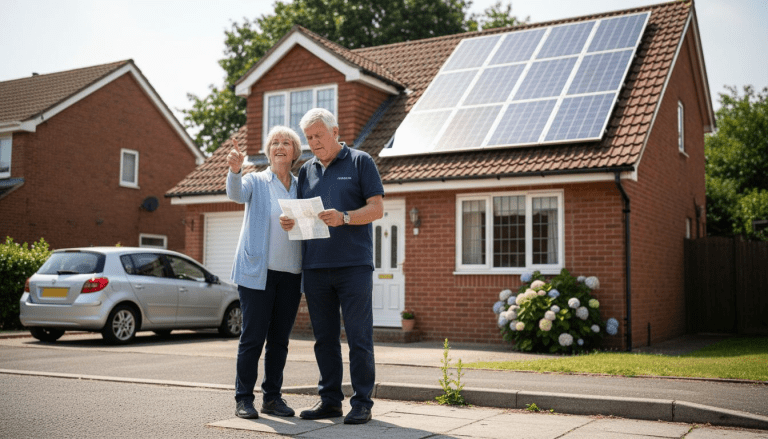
The Home Energy Model project is an initiative aimed at providing deeper insights into energy usage and efficiency within homes, yet it is important to note that this project will not directly change the Energy Performance Certificate (EPC) itself. The EPC is a vital document that helps homeowners and potential buyers understand the energy efficiency of a property.
In tandem with this project, the government is actively exploring proposals to improve various aspects of the EPCs. This includes enhancing the metrics that are currently displayed to offer a more comprehensive view of a property’s energy performance. By refining these details, the government hopes to empower homeowners with more pertinent information, aiding them in making informed decisions regarding energy efficiency improvements.
These changes could potentially encompass a wider range of metrics, such as detailed breakdowns of energy consumption, carbon emissions, and comparisons to similar properties in the area. The goal is to create more transparency and clarity around energy use while promoting greener practices.
These enhancements to the EPCs are part of a broader commitment to improve energy efficiency across the housing sector, ultimately supporting the efforts to reduce carbon footprints and encourage sustainable living. It’s an exciting time for homeowners as they will soon be able to access updated and highly relevant information that reflects the true performance of their homes in terms of energy consumption.
To support the Home Energy Model, the government is excited to announce the creation of an EPC Wrapper, which is a custom software package that has been thoughtfully designed to work alongside the core energy evaluation engine. This innovative wrapper will serve a critical purpose by outlining the specific inputs required for carrying out an Energy Performance Certificate (EPC) assessment. In addition, it will efficiently convert the outputs generated by the core engine into the standardized format necessary for making the EPC assessments accessible and user-friendly.
For existing homes, this wrapper will replicate the essential functions provided by the Reduced data SAP (RdSAP), which was used in previous assessments. It is especially beneficial because it will have the capability to determine key assumptions in scenarios where detailed design information might not be readily available. This approach ensures that homeowners will still receive a reliable and accurate evaluation of their energy performance, even if certain details are missing.
The development of the EPC Wrapper is set to commence in the next phase of the project, marking an exciting step forward in enhancing our energy efficiency evaluation processes. It reflects the government’s commitment to improving the tools and resources available for assessing home energy performance, which is crucial in our collective efforts toward sustainability and energy conservation.
Importantly, while the Home Energy Model project is making strides to enhance the assessment process, it is worth noting that it will not alter the Energy Performance Certificate (EPC) itself. However, the government is actively working on proposals aimed at enriching certain features of EPCs, including the metrics displayed on them. These enhancements are intended to provide more detailed insights into energy performance, ultimately empowering homeowners with the information they need to make informed decisions about their energy use.
This initiative is part of a broader strategy to ensure homes are energy-efficient and sustainable, which is not only good for the environment but also beneficial for homeowners in terms of reducing energy costs and improving comfort levels in their living spaces. We are looking forward to the positive impact that the EPC Wrapper and the upcoming enhancements will have on the energy landscape in our communities.
What are the implementation timelines?
The Home Energy Model is currently under development. The first live version will be rolled out following the introduction of the Future Homes Standard, but only when ready.
As of May 2025, the UK Government has confirmed a dual methodology approach for compliance with the Future Homes Standard, set for release in Autumn 2025.
Here are some helpful resources and information for Home Energy Model

For more information and to explore the government consultations, please check these links:

Home Energy Model Quote

Home Energy Model Quote
"*" indicates required fields