
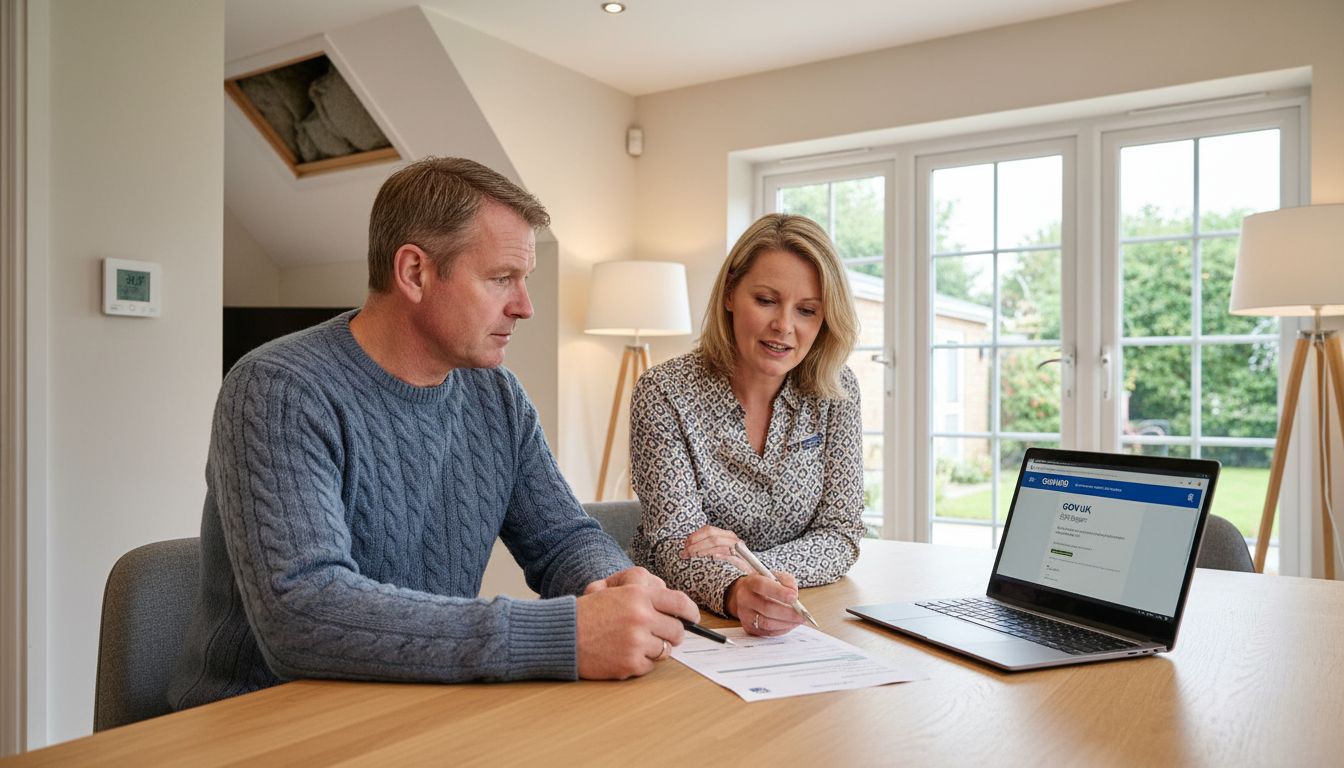
More than one in three UK homes still have an EPC rating below C, which means millions face higher energy bills every year. Improving your property’s energy efficiency is about more than just saving money. It can raise your home’s value and reduce your carbon footprint. This step-by-step guide helps you make sense of ratings, pinpoint quick wins, and choose upgrades that deliver real, lasting results for your home.
Table of Contents
- Step 1: Evaluate Current Energy Usage And EPC Rating
- Step 2: Identify Improvement Priorities And Set Goals
- Step 3: Upgrade Insulation And Thermal Efficiency
- Step 4: Install Energy-Efficient Systems And Appliances
- Step 5: Implement Smart Controls And Monitor Performance
- Step 6: Verify Improvements Align With New Energy Standards
Quick Summary
| Key Point | Explanation |
|---|---|
| 1. Evaluate energy usage with EPC | Start by examining your home’s Energy Performance Certificate to understand current efficiency and potential improvements. |
| 2. Prioritize improvements based on impact | Review EPC recommendations to identify which upgrades will have the greatest energy and cost-saving benefits. |
| 3. Enhance insulation for thermal efficiency | Focus on key areas of heat loss, like walls and lofts, to improve thermal performance and reduce energy bills. |
| 4. Upgrade to energy-efficient systems | Replace old appliances and systems with energy-efficient options to lower energy consumption and costs. |
| 5. Monitor performance with smart technology | Implement smart devices to track energy usage and manage consumption, making it easier to save energy over time. |
Step 1: Evaluate current energy usage and EPC rating
Understanding your home’s current energy performance is the first crucial step in developing an effective energy saving strategy. This section will walk you through assessing your property’s energy efficiency and interpreting its Energy Performance Certificate (EPC) rating.
According to the UK government’s technical guidelines, an EPC provides an Energy Efficiency Rating expressed as a score from 1 to 100, covering regulated energy uses including space heating, water heating, space cooling, ventilation, and fixed lighting gov.uk. To begin, locate your existing EPC certificate or arrange for a professional energy assessor to conduct an assessment. This certificate will reveal your home’s current energy efficiency grade ranging from A (most efficient) to G (least efficient).
When reviewing your EPC, pay special attention to two key ratings. The current rating shows your home’s present energy performance, while the potential rating indicates possible improvements. The Scottish Government notes that these ratings also include an Energy Cost Rating, which estimates the annual cost to power your home across heating, hot water, cooling, lighting, and ventilation gov.scot. Look for specific recommendations on how you might upgrade your property’s energy efficiency, such as improving insulation, upgrading heating systems, or installing more efficient windows.
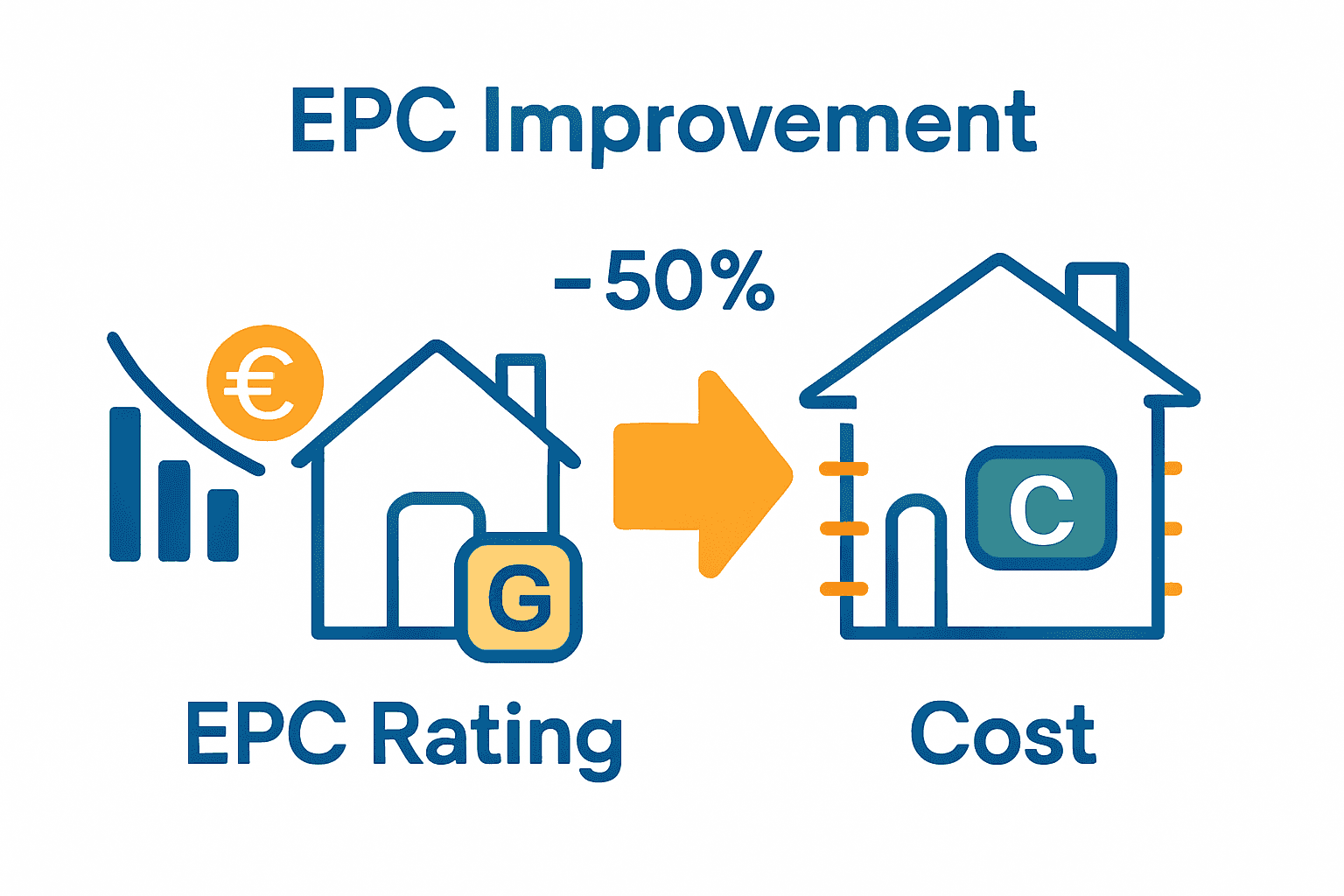
Pro tip: Many homeowners discover significant potential savings by understanding their EPC rating. Even moving up just one or two grades can result in substantial reductions in energy costs and carbon emissions. The detailed recommendations in your EPC can serve as a roadmap for targeted energy improvements.
Once you have a comprehensive understanding of your current energy usage, you will be well positioned to move forward with specific energy saving interventions tailored to your property’s unique characteristics.
Step 2: Identify improvement priorities and set goals
Now that you have evaluated your home’s energy performance, it is time to transform those insights into a strategic action plan for improving energy efficiency. This step focuses on prioritizing improvements and establishing clear goals that will guide your energy saving journey.
According to the UK government’s consultation on EPC reforms, the key is to develop clear and actionable energy performance information that supports the transition towards net zero gov.uk. Start by carefully reviewing the recommendations in your EPC. These suggestions are typically ranked from most impactful to least significant, helping you understand which improvements will yield the greatest energy and cost savings.
The Scottish Government highlights the importance of the Energy Cost Rating, which can help you set precise goals by indicating the annual cost to power your home gov.scot. Consider creating a spreadsheet to track potential improvements, their estimated costs, expected energy savings, and potential return on investment. Prioritize interventions that offer the most significant impact with the most reasonable upfront investment.
Pro tip: Dont attempt to implement all improvements simultaneously. Develop a phased approach that spreads investments over time. This strategy helps manage costs while steadily improving your homes energy efficiency. Consider starting with low-cost, high-impact changes like adding insulation, sealing air leaks, or upgrading to LED lighting.
By methodically identifying and prioritizing energy improvement opportunities, you are setting the foundation for a more sustainable and cost-effective home.
Step 3: Upgrade insulation and thermal efficiency
Improving your home’s insulation and thermal efficiency is one of the most effective ways to reduce energy consumption and lower your heating costs. This step will guide you through strategic approaches to enhance your property’s heat retention and overall energy performance.
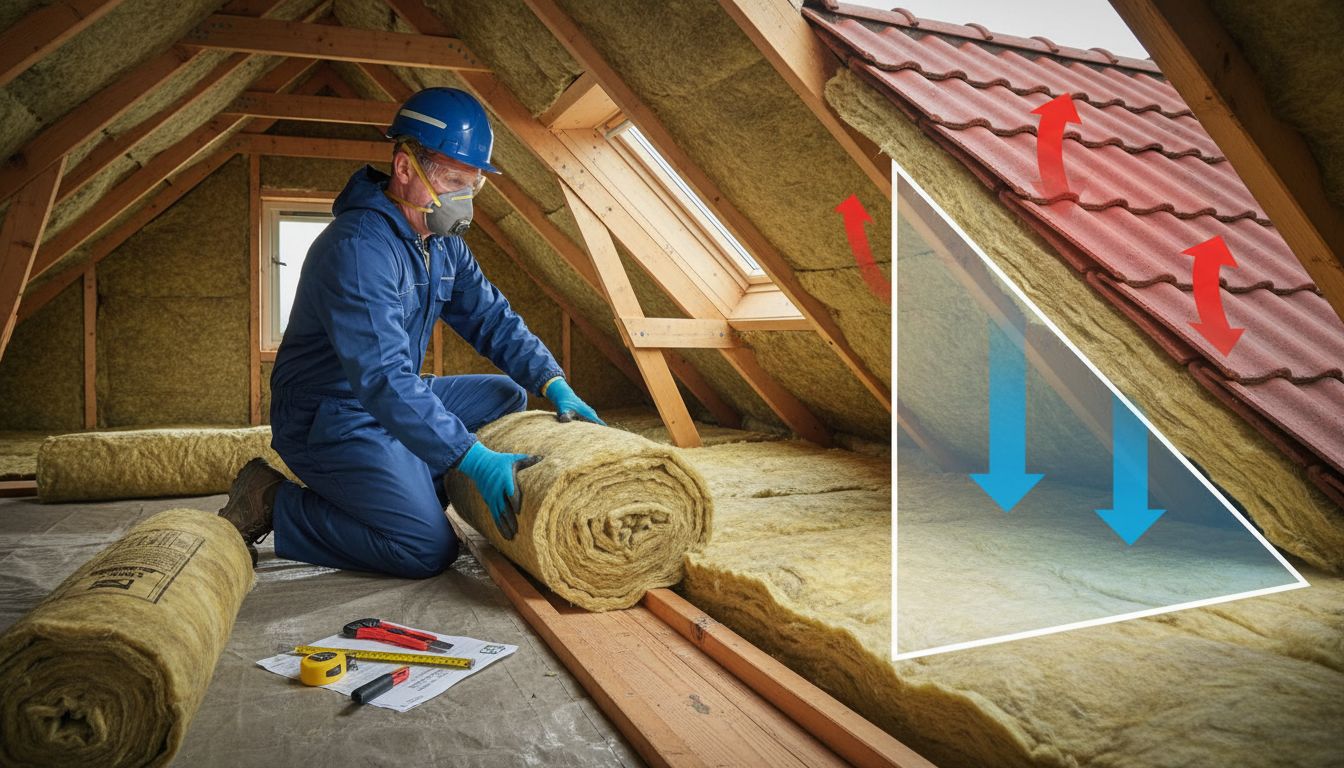
The UK government has recognized the importance of insulation through initiatives like the Great British Insulation Scheme (GBIS), which promotes various insulation measures for residential properties Wikipedia. Begin by identifying the key areas of heat loss in your home such as walls, loft, floors, and windows. Cavity wall insulation, loft insulation, and solid wall insulation are primary methods to dramatically improve your home’s thermal efficiency.
Additionally, the Energy Company Obligation (ECO) program provides support for households looking to improve energy efficiency, particularly focusing on heating and insulation improvements Wikipedia. Consider a professional energy assessment to pinpoint the most critical areas for insulation upgrades. This might include adding loft insulation, sealing air leaks, installing double or triple glazing, and considering internal or external wall insulation depending on your property type.
Pro tip: Start with the most cost-effective and impactful insulation methods. Loft insulation is often the quickest and most affordable upgrade, potentially reducing heat loss by up to 25%. Many energy suppliers and government schemes offer grants or subsidies to help offset the initial installation costs.
By systematically upgrading your home’s insulation, you will create a more comfortable living environment while significantly reducing your energy consumption and carbon footprint. 7 Smart Energy Efficient Home Upgrades for Property Owners can provide additional insights into maximizing your home’s energy performance.
Step 4: Install energy-efficient systems and appliances
Upgrading to energy-efficient systems and appliances is a powerful strategy for reducing your home’s energy consumption and lowering utility bills. This step will help you identify and implement the most impactful energy-saving technologies for your property.
The UK government has historically supported such improvements through initiatives like the Green Deal, which allowed homeowners to invest in energy-efficient home improvements without immediate out-of-pocket expenses Wikipedia. Focus on key systems that consume significant energy such as heating, cooling, water heating, and major household appliances. Look for products with high energy efficiency ratings like A+++ for refrigerators, washing machines, and dishwashers.
Moreover, the Green Homes Grant demonstrated the government’s commitment to supporting energy-efficient upgrades by offering vouchers covering up to two-thirds of improvement costs Wikipedia. Consider replacing older systems with modern alternatives such as condensing boilers, heat pumps, smart thermostats, and solar thermal energy systems. These technologies not only reduce energy consumption but can also provide long-term financial savings and increase your property’s overall value.
Pro tip: When selecting new appliances, compare the total cost of ownership rather than just the upfront price. An energy-efficient appliance might cost more initially but can save you significant money on energy bills over its lifetime. Always check the energy rating label and calculate potential long-term savings.
To help you navigate these upgrades, our guide to efficient appliances for energy-smart homes offers comprehensive insights into making the most strategic choices for your property.
Step 5: Implement smart controls and monitor performance
Taking control of your home’s energy consumption requires more than just upgrading equipment. This step focuses on implementing smart technologies that provide real-time insights and help you actively manage your energy usage.
The UK government recognizes the importance of actionable energy performance information through emerging technologies and monitoring systems gov.uk. Start by investing in smart thermostats, energy monitoring devices, and intelligent power strips that can track electricity consumption for individual appliances. These tools allow you to identify energy-hungry devices and understand your consumption patterns in unprecedented detail.
Historically, initiatives like the Code for Sustainable Homes have encouraged the integration of smart controls to enhance residential energy efficiency Wikipedia. Consider installing a comprehensive home energy management system that connects multiple smart devices. These systems can provide detailed analytics, automate energy-saving routines, and even generate reports that help you understand your consumption trends over time.
Pro tip: Many smart energy monitoring systems offer smartphone apps that provide real-time feedback. Set up alerts for unusual energy consumption and create personalized efficiency goals. Some systems can even compare your energy use with similar households in your area, providing motivation and benchmarking opportunities.
By systematically tracking and managing your energy performance, you transform from a passive consumer to an active energy efficiency manager. For more detailed strategies, explore our 7 Essential Home Appliance Efficiency Tips for UK Properties to complement your smart monitoring approach.
Step 6: Verify improvements align with new energy standards
As you complete your energy efficiency upgrades, confirming that these improvements meet the latest national standards is crucial. This final step ensures your property not only saves energy but also remains compliant with evolving UK regulations.
The UK government’s recent EPC reform consultations emphasize the importance of clear metrics that reflect compliance with updated regulations and support the journey towards net zero gov.uk. Request an updated Energy Performance Certificate after implementing your improvements. This document will provide an objective assessment of how your upgrades have enhanced your property’s energy efficiency and whether they meet current national standards.
Historically, frameworks like the Code for Sustainable Homes have provided structured approaches to verifying energy efficiency improvements Wikipedia. Consult with a professional energy assessor who can comprehensively evaluate your property against the latest regulatory requirements. They will help you understand how your specific improvements contribute to meeting broader energy performance benchmarks.
Pro tip: Keep detailed documentation of all energy efficiency upgrades, including product specifications, installation certificates, and professional assessment reports. These records can be valuable for future property valuations, potential sales, or demonstrating compliance with emerging regulations.
To navigate these complex standards more effectively, our guide to UK home energy labelling offers comprehensive insights into understanding and meeting current energy efficiency requirements.
Take Control of Your Home’s Energy Future Today
The article highlights the challenge many UK homeowners face in navigating complex energy performance standards while striving to lower their energy costs and reduce environmental impact. With the upcoming transition to the Home Energy Model (HEM), understanding EPC ratings and prioritising the right improvements has never been more crucial. If you feel overwhelmed by technical jargon or unsure where to start your energy-saving journey, you are not alone. Achieving a more efficient home requires clear guidance and reliable tools aligned with the latest regulations.
Unlock your home’s full potential with expert insights and tailored resources at homeenergymodel.co.uk. Our platform demystifies the new HEM methodology and connects you to practical advice on energy-efficient upgrades, monitoring systems, and compliance strategies. Don’t wait until new standards take effect in 2025; begin planning now to secure greater comfort, savings, and future-proof your property. Explore our comprehensive guide to UK home energy labelling and find out how you can meet emerging energy goals confidently. Take the first step towards a smarter, greener home by visiting homeenergymodel.co.uk today.
Frequently Asked Questions
How do I evaluate my home’s current energy usage?
Start by locating your Energy Performance Certificate (EPC) to understand your home’s current energy efficiency rating. Analyze the recommendations provided, focusing on areas such as insulation, heating systems, and windows to determine where improvements can be made.
What should I prioritize for energy efficiency improvements?
Prioritize improvements based on the recommendations in your EPC, focusing first on those that offer the greatest energy and cost savings. For example, addressing insulation can often yield a significant reduction in energy bills within the first year.
Which insulation upgrades should I consider first?
Begin with loft insulation, as it can reduce heat loss by up to 25% and is often the most cost-effective upgrade. Assess other areas like walls and windows afterwards for further thermal efficiency gains.
How can I enhance my home’s energy efficiency with appliances?
Replace older appliances with energy-efficient models, looking for those with top energy ratings. This helps lower your energy consumption significantly, potentially reducing your utility costs by around 10-20% over time.
What smart technologies can help me monitor my energy performance?
Invest in smart thermostats and energy monitoring devices that provide real-time insights into your consumption. By actively managing your energy use, you can identify savings opportunities and adjust settings for optimal efficiency.
How do I confirm that my upgrades align with current energy standards?
Request an updated EPC after completing your energy efficiency upgrades to verify compliance with national standards. Consult a professional energy assessor to ensure all improvements meet the latest regulations and reflect on your home’s energy performance.