
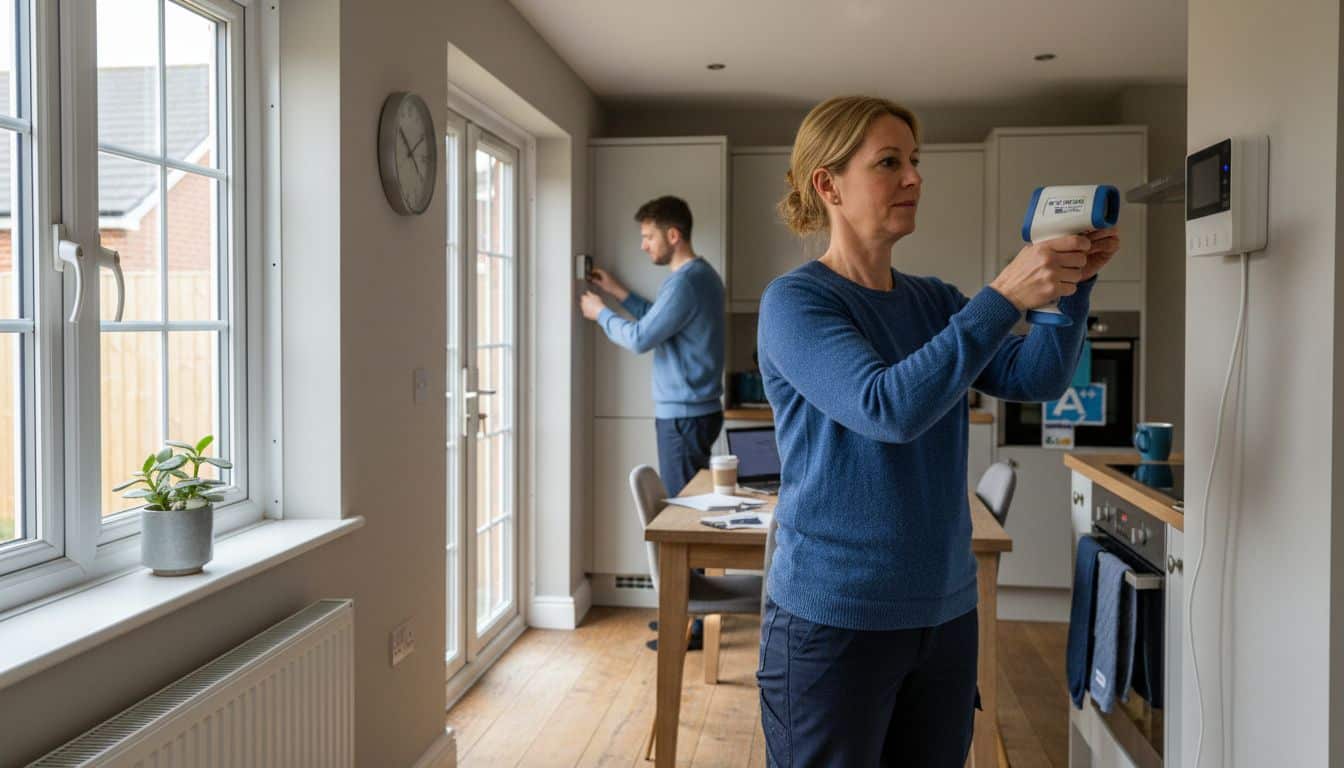
Energy bills in the UK have risen by over 50 percent in the past two years, leaving many homeowners searching for ways to cut costs and reduce waste. Improving your property’s energy efficiency not only saves money but also makes your home more comfortable and environmentally friendly. This step-by-step guide unpacks the most effective strategies to assess, upgrade, and manage your energy use so you can see real savings and enjoy long-term benefits.
Table of Contents
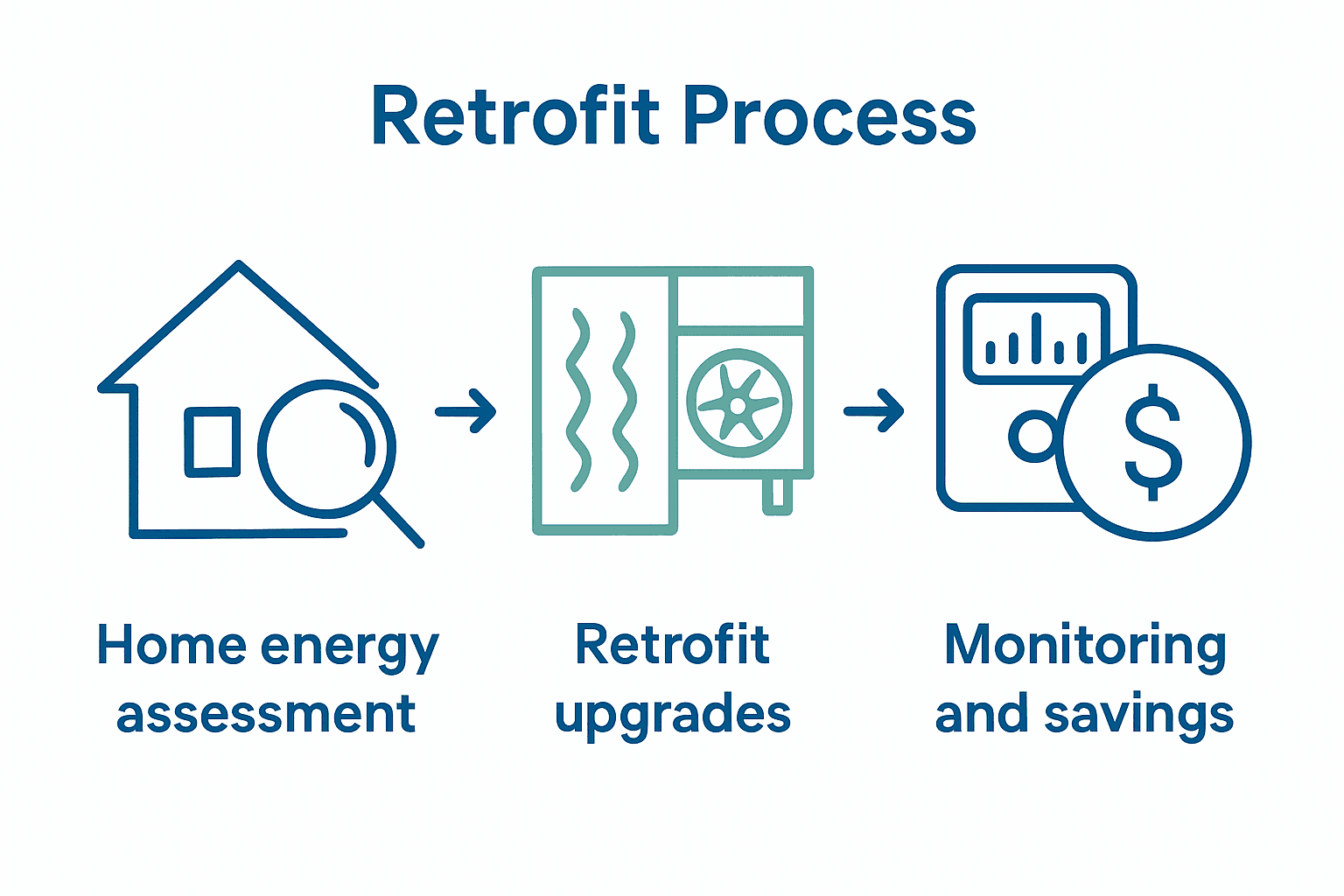
- Step 1: Assess Your Property’s Energy Performance
- Step 2: Identify High-Impact Retrofit Opportunities
- Step 3: Upgrade to Smart and Efficient Technologies
- Step 4: Implement Behavioural and Operational Changes
- Step 5: Monitor Consumption and Verify Savings
Quick Summary
| Key Point | Explanation |
|---|---|
| 1. Conduct an Energy Audit | Start with a thorough property energy audit to identify inefficiencies and baseline your energy use for future improvements. |
| 2. Prioritize Retrofit Opportunities | Focus on high-impact upgrades, such as improving insulation and upgrading heating systems, to maximize energy efficiency. |
| 3. Upgrade to Smart Technologies | Implement smart and efficient technologies like smart thermostats and heat pumps to significantly reduce energy consumption. |
| 4. Incorporate Behavioral Changes | Adopt practical habits like adjusting thermostat settings and using natural light to enhance energy savings at home. |
| 5. Monitor Energy Consumption Regularly | Utilize smart meters and apps to track real-time energy use and verify savings from implemented efficiency measures. |
Step 1: Assess Your Property’s Energy Performance
Understanding your property’s current energy performance is crucial for implementing targeted efficiency improvements. This assessment provides a baseline for tracking future upgrades and identifying key areas where energy consumption can be reduced.
To begin your property energy assessment, start with a comprehensive home energy audit. This involves systematically examining your property’s energy usage, insulation levels, heating and cooling systems, and potential air leakage points. You can conduct a basic self assessment or hire a professional energy assessor who will provide detailed insights.
Key elements to examine during your assessment include:
- Checking wall and roof insulation quality
- Inspecting window and door seals
- Evaluating heating and cooling system efficiency
- Measuring current energy consumption through utility bills
- Identifying potential draft areas
A professional energy assessment through the UK Home Energy Labelling Guide can provide precise recommendations tailored to your specific property. These detailed reports not only highlight inefficiencies but also suggest cost effective improvements that could significantly reduce your energy expenditure.
Remember that a thorough energy performance assessment is the first step towards creating a more sustainable and energy efficient home. The insights you gain will serve as a roadmap for future upgrades and potential cost savings.
Step 2: Identify High-Impact Retrofit Opportunities
Identifying high-impact retrofit opportunities is crucial for maximizing your property’s energy efficiency and reducing long-term energy costs. This process involves systematically evaluating potential upgrades that will deliver the most significant improvements in your home’s overall performance.
According to LETI, a whole-house approach is essential when considering retrofit opportunities. This means looking beyond individual improvements and understanding how different energy efficiency measures work together. Start by conducting a comprehensive assessment of your property’s current energy performance, focusing on key areas such as building fabric, insulation, ventilation, and heating systems.
Prioritize retrofit opportunities based on their potential impact. The British Standards Institution recommends a structured approach to identifying the most effective upgrades:
- Improve wall and roof insulation
- Upgrade windows and doors to reduce heat loss
- Enhance ventilation systems
- Consider renewable heating technologies like heat pumps
- Implement smart home technologies for better energy management
When evaluating potential retrofits, consider both immediate benefits and long-term value. The Role of Energy Upgrades: Complete UK Property Guide can provide additional insights into making strategic energy improvement decisions that align with your property’s specific needs and future sustainability goals.
Remember that successful retrofitting is not just about individual improvements, but creating a holistic approach to energy efficiency that transforms your home’s overall performance and reduces environmental impact.
Step 3: Upgrade to Smart and Efficient Technologies
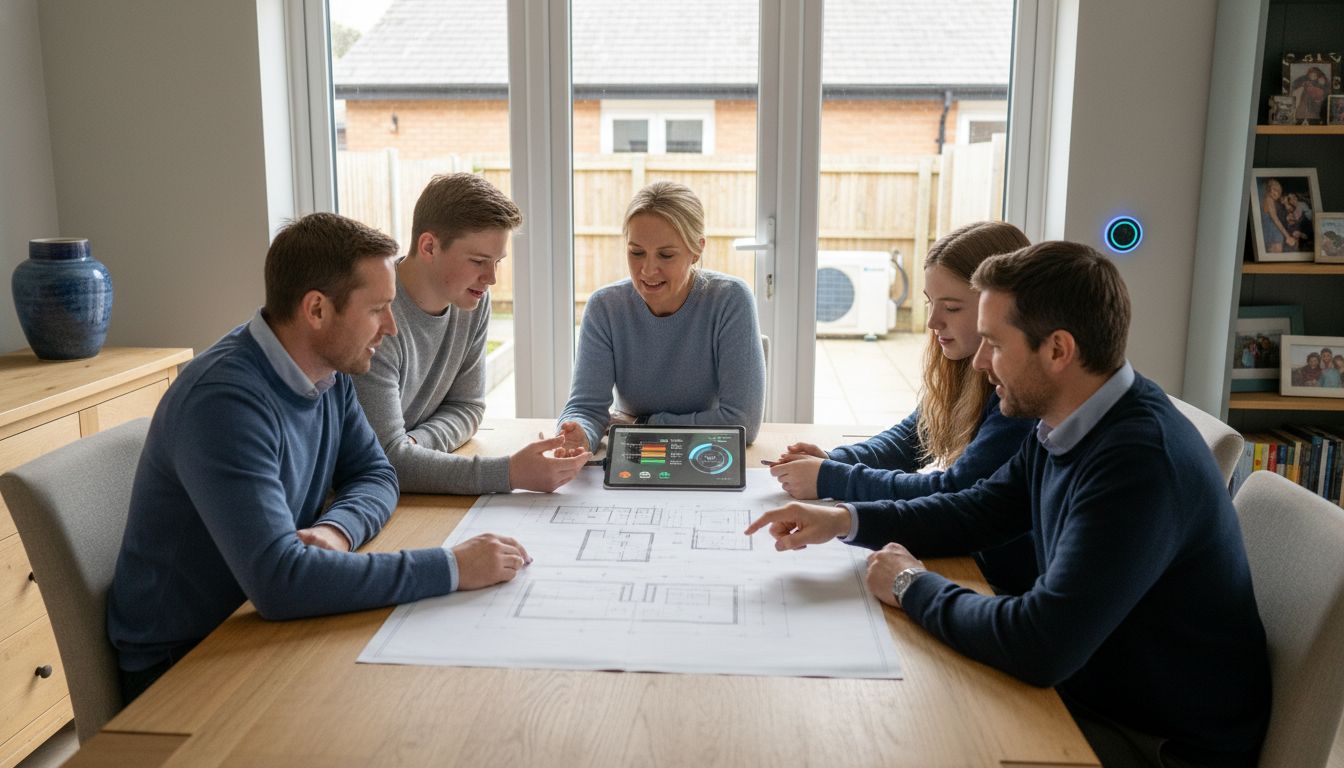
Transitioning to smart and efficient technologies represents a critical step in reducing your home’s energy consumption and creating a more sustainable living environment. By strategically selecting and implementing advanced technologies, you can significantly improve your property’s overall energy performance.
According to Homebuilding, recent policy reforms have made it easier to adopt efficient technologies like heat pumps. With the UK government targeting 600,000 heat pump installations annually by 2028, homeowners now have more opportunities to upgrade their heating systems with minimal bureaucratic barriers.
Key technologies to consider for your home upgrade include:
- Smart thermostats for precise temperature control
- Heat pump systems for efficient heating and cooling
- Energy monitoring devices that track real-time consumption
- LED lighting with intelligent controls
- Smart appliances with enhanced energy efficiency ratings
Ofgem has also proposed new regulations that could provide consumer protections and compensation for smart technology implementations, making these upgrades even more attractive. For comprehensive guidance on selecting the right technologies, explore the Guide to Efficient Appliances for Energy Smart Homes.
Remember that upgrading to smart technologies is not just about purchasing new devices but creating an integrated system that works together to optimize your home’s energy performance. Carefully research and select technologies that complement each other and align with your specific energy efficiency goals.
Step 4: Implement Behavioural and Operational Changes
Implementing behavioural and operational changes represents a powerful strategy for reducing energy consumption and maximizing the efficiency of your home’s technological upgrades. These modifications focus on how you interact with and manage your home’s energy systems to achieve substantial savings.
According to RICS, strategic behavioural changes can significantly contribute to improved home energy efficiency. The key is developing conscious habits that support your energy reduction goals and complement the technological improvements you have already implemented.
Practical behavioural changes to consider include:
- Adjusting thermostat settings to optimize heating and cooling
- Using natural light and task lighting instead of full room illumination
- Unplugging electronics when not in use to reduce standby power consumption
- Running appliances during off peak energy hours
- Practicing mindful energy consumption through regular monitoring
LETI’s Climate Emergency Retrofit Guide emphasizes that occupant behavior plays a crucial role in achieving energy efficiency targets. By understanding how your daily actions impact energy consumption, you can make informed decisions that reduce waste and improve overall home performance.
Remember that sustainable energy management is a continuous process. Regularly review and adapt your behavioural strategies, using smart monitoring tools to track your progress and identify areas for further improvement.
Step 5: Monitor Consumption and Verify Savings
Monitoring your home’s energy consumption and verifying the actual savings from your efficiency improvements is crucial for understanding the true impact of your retrofit efforts. This final step transforms your energy saving strategies from theoretical concepts into measurable, tangible results.
According to Ofgem, the latest smart meter technologies provide consumers with unprecedented opportunities to accurately track energy usage. By leveraging these tools, you can gain precise insights into your household’s energy consumption patterns and immediately identify areas for further optimization.
Key strategies for effective monitoring include:
- Installing a smart meter to track real-time energy consumption
- Comparing energy bills before and after implementing efficiency measures
- Using energy monitoring apps and dashboards
- Recording monthly energy usage and identifying consumption trends
- Calculating your actual cost savings and carbon footprint reduction
LETI’s Climate Emergency Retrofit Guide emphasizes the importance of setting clear energy use targets and consistently tracking performance to ensure your retrofit measures deliver the anticipated benefits. For additional guidance on tracking your progress, explore the 7 Smart Home Energy Saving Habits Every Property Owner Needs.
Remember that monitoring is an ongoing process. Regularly review your energy consumption data, celebrate your achievements, and continue to refine your approach to maintaining an energy efficient home.
Take Control of Your Home’s Energy Future Today
The challenge in achieving maximum energy efficiency lies in understanding your property’s current performance and making informed decisions about upgrades and behavioural changes. This article highlighted key steps like conducting thorough energy assessments, embracing smart technologies, and monitoring consumption to reduce costs and environmental impact. Feeling overwhelmed by new regulations and the complexity of energy improvements is common. You want reliable guidance that connects the evolving standards with practical actions.
Discover how homeenergymodel.co.uk can empower you to navigate the upcoming shift to the Home Energy Model (HEM) in 2025. Our comprehensive resource demystifies the new government methodology replacing SAP and supports homeowners and professionals aiming to meet the Future Homes Standard. Explore detailed insights on energy performance certificates, retrofit strategies, and cutting-edge technologies to ensure your property’s compliance and efficiency. Visit our dedicated guide now and start transforming your home into a model of energy smart living.
Frequently Asked Questions
How can I conduct a home energy audit to assess my property’s energy performance?
Start your home energy audit by checking your property’s insulation, heating and cooling systems, and air leakage points. Consider using a checklist to systematically evaluate these areas, which can help you identify significant energy consumption opportunities in 30 days.
What are high-impact retrofit opportunities I should prioritize for maximum energy efficiency?
Focus on upgrades that improve wall and roof insulation, enhance windows and doors, and upgrade heating systems. Prioritize these retrofits based on their potential impact on energy savings, which can lead to reductions of up to 30% in your annual energy costs.
What smart technologies should I install to improve my home’s energy efficiency?
Consider installing smart thermostats, energy monitoring devices, and LED lighting with intelligent controls. These technologies can help you optimize your energy usage and can start showing results within the first month of implementation.
How can I implement behavioral changes to support my energy efficiency goals?
Practice small changes like adjusting your thermostat settings, unplugging electronics when not in use, and using natural light effectively. Adopting these habits can collectively save you up to 15% on your energy bill over the course of a year.
What steps should I take to monitor my energy consumption after making improvements?
Install a smart meter to track real-time energy usage and regularly review your energy bills. Monitoring your consumption continuously can provide insights that help you further reduce energy waste by around 10% within a few months.
How often should I reassess my energy performance after upgrades?
Aim to reassess your energy performance at least once a year after implementing efficiency upgrades. This will help you track savings, verify your improvements, and adjust strategies to maintain or enhance energy performance over time.
Recommended
- 7 Smart Home Energy Saving Habits Every Property Owner Needs – Home Energy Model
- Guide to Efficient Appliances for Energy-Smart Homes – Home Energy Model
- 7 Essential Home Appliance Efficiency Tips for UK Properties – Home Energy Model
- 7 Smart Energy Efficient Home Upgrades for Property Owners – Home Energy Model