

More than 85 percent of british homes fall below top-tier energy efficiency ratings, leaving many property owners uncertain about the best way forward. As calls for greener living and stricter regulations increase, understanding energy jargon is no longer just for experts. This guide explains key home energy efficiency terms in simple language, helping british homeowners, landlords, and professionals make confident decisions that save energy and money.
Table of Contents
- Defining Home Energy Efficiency Terms in the UK
- Key Energy Efficiency Ratings and Units
- Government Standards and Legal Frameworks
- Role of Energy Performance Certificates (epcs)
- Responsibilities for Homeowners and Landlords
- Common Mistakes and How to Avoid Them
Key Takeaways
| Point | Details |
|---|---|
| Understanding Key Terms | Familiarise yourself with essential terminology such as EPC, SAP Rating, and U-Value to navigate energy efficiency effectively. |
| Importance of EPCs | Ensure you obtain and maintain an Energy Performance Certificate, as it is mandatory for properties sold or rented in the UK. |
| Regulatory Compliance | Stay informed about legal requirements like Minimum Energy Efficiency Standards to avoid penalties and ensure property eligibility. |
| Avoiding Common Mistakes | Proactively implement recommended energy improvements and keep comprehensive records to enhance property energy performance. |
Defining Home Energy Efficiency Terms in the UK
Understanding home energy efficiency terminology is crucial for property owners, landlords, and building professionals navigating the UK’s evolving energy landscape. According to the NHBC Foundation, clear comprehension of technical terms helps stakeholders make informed decisions about property energy performance.
Energy efficiency refers to the practice of reducing energy consumption while maintaining the same level of service or comfort. In the UK context, this involves optimising building design, insulation, heating systems, and appliances to minimise energy waste. Key aspects include measuring how effectively a property uses energy and identifying opportunities for improvement.

Critical terms in home energy efficiency include:
- Energy Performance Certificate (EPC): An official document rating a property’s energy efficiency on a scale from A (most efficient) to G (least efficient)
- SAP Rating: Standard Assessment Procedure, the UK government’s methodology for calculating a dwelling’s energy performance
- Thermal Bridging: Areas in a building where heat can escape more quickly due to breaks in insulation
- U-Value: A measure of heat transfer through building materials, indicating how well a material prevents heat loss
As the UK moves towards net zero carbon emissions, understanding these terms becomes increasingly important. Energy Consumption in UK Homes Explained: Key Facts provides deeper insights into how these concepts impact residential energy strategies and potential cost savings for homeowners.
Key Energy Efficiency Ratings and Units
Understanding energy efficiency ratings is crucial for property owners and professionals seeking to assess and improve home energy performance. Wikipedia explains that the UK government uses the Standard Assessment Procedure (SAP) as its primary method for evaluating residential energy efficiency, providing a comprehensive rating scale from 1 to over 100.
Two primary rating systems dominate the UK home energy assessment landscape. The Standard Assessment Procedure (SAP) offers a numerical scale where higher scores indicate better energy performance, typically ranging from 1 to 100+. Simultaneously, the National Home Energy Rating (NHER) provides an alternative assessment method, with scores ranging from 0 to 20 and higher numbers representing more energy-efficient properties.
Key energy efficiency units and measurements include:
- kWh (Kilowatt-hour): A standard unit measuring energy consumption
- Carbon Emissions Rating: Indicates the property’s greenhouse gas output
- Heat Loss Parameter: Measures thermal performance and insulation effectiveness
- Energy Use Intensity (EUI): Calculates energy consumption per square metre of property
For property owners looking to understand their home’s energy performance in more depth, Achieving a Higher Energy Rating: EPC Insights for London Residents offers comprehensive guidance on interpreting and improving these critical energy efficiency metrics.
Government Standards and Legal Frameworks
The United Kingdom has developed a comprehensive framework of regulations and standards to drive home energy efficiency and reduce carbon emissions. Wikipedia highlights the Code for Sustainable Homes, an environmental assessment method introduced in 2006 that played a pivotal role in establishing performance standards for new residential developments before being withdrawn in 2015.
Key government initiatives have shaped the UK’s approach to energy efficiency. Wikipedia notes the Green Deal, a government policy launched in 2013 aimed at improving home energy efficiency by providing financial support for energy-saving measures. Although the programme closed to new applications in 2015, it represented a significant milestone in encouraging property owners to invest in energy improvements.
Critical legal frameworks and standards include:
- Building Regulations Part L: Sets minimum energy efficiency requirements for new and existing buildings
- Minimum Energy Efficiency Standards (MEES): Prohibits landlords from leasing properties with poor energy ratings
- Future Homes Standard: Proposed regulations to ensure new homes produce 75-80% fewer carbon emissions
- Energy Performance Certificate (EPC) Requirements: Mandatory assessment and rating for properties being sold or rented
UK Building Regulations Energy: Complete Guide provides property owners and developers with in-depth insights into navigating these complex regulatory landscapes and understanding their implications for home energy performance.
Role of Energy Performance Certificates (EPCs)
Energy Performance Certificates (EPCs) are critical documents providing a comprehensive snapshot of a property’s energy efficiency and environmental impact. Homebuilding highlights concerns about the current system, noting that while EPCs aim to improve transparency, there are ongoing debates about their accuracy and fairness.
Landlord Today reveals that EPCs were introduced to encourage sustainable renovations, but face significant challenges including poor data quality and limited public awareness. These certificates rate properties on an energy efficiency scale from A (most efficient) to G (least efficient), providing crucial information for potential buyers, renters, and property investors.
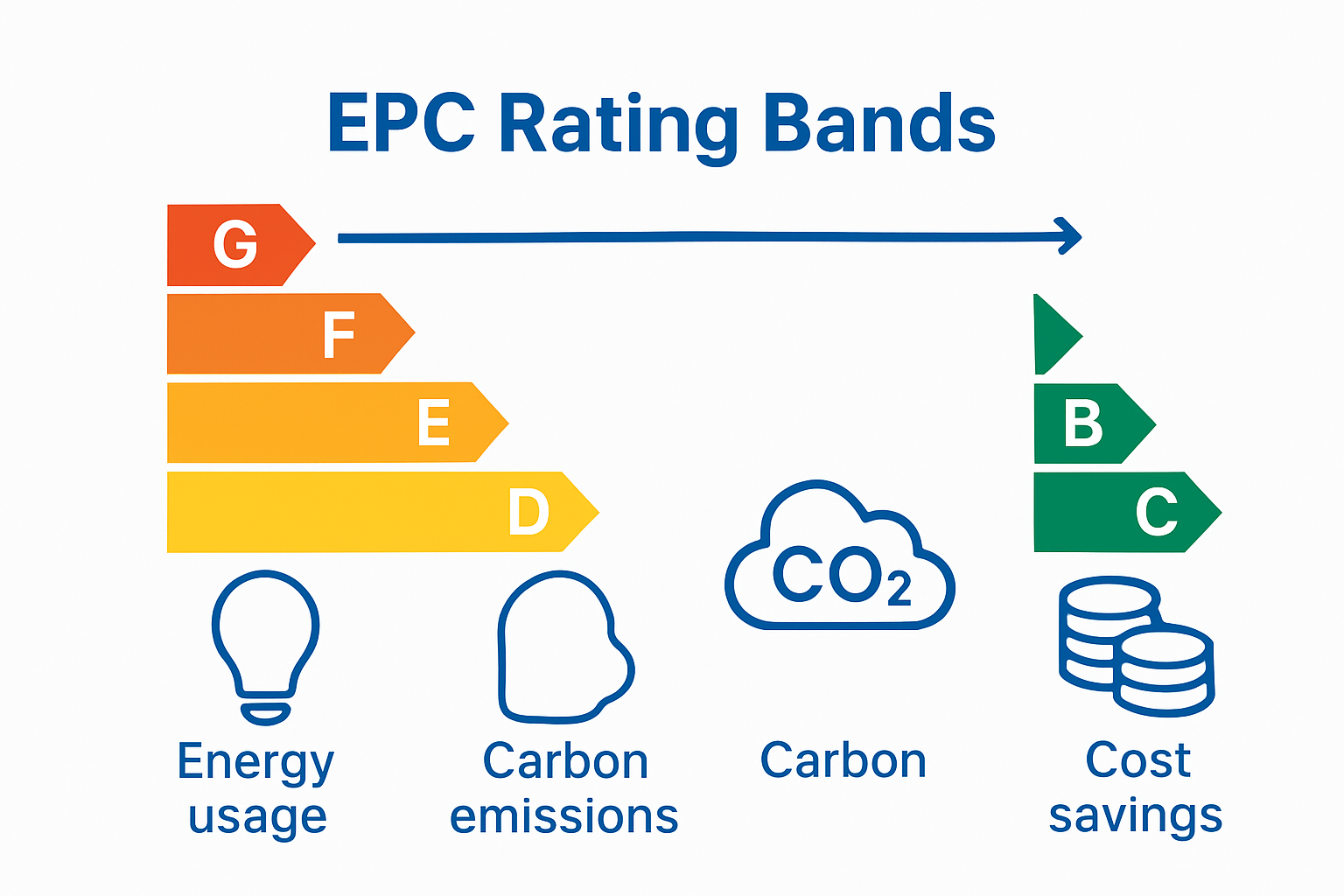
Key aspects of Energy Performance Certificates include:
- Rating System: Provides a standardised measure of a property’s energy performance
- Recommendations: Offers specific suggestions for improving energy efficiency
- Legal Requirement: Mandatory for properties being sold or rented
- Validity Period: Certificates remain valid for 10 years
- Impact on Property Value: Can significantly influence market pricing and attractiveness
Decoding Energy Performance Certificates in London: A Complete Guide provides property owners with in-depth insights into understanding and improving their EPC ratings, ultimately helping them make more informed decisions about energy efficiency investments.
Responsibilities for Homeowners and Landlords
Homeowners and landlords play a critical role in advancing the UK’s energy efficiency objectives, with increasing legal obligations to maintain and improve property energy performance. The Minimum Energy Efficiency Standards (MEES) impose stringent requirements on property owners, mandating minimum energy performance levels for residential and commercial properties.
Key responsibilities for property owners include maintaining up-to-date Energy Performance Certificates (EPCs), implementing recommended energy improvements, and ensuring properties meet evolving regulatory standards. Landlords must particularly focus on achieving a minimum EPC rating of E for rental properties, with potential financial penalties for non-compliance ranging from £500 to £5,000 depending on the property’s characteristics and duration of breach.
Critical responsibilities encompass:
- Regular EPC Assessment: Obtaining updated certificates every 10 years
- Energy Efficiency Upgrades: Implementing recommended improvements
- Compliance Monitoring: Tracking changing regulatory requirements
- Transparency: Providing EPC information to potential tenants or buyers
- Financial Planning: Budgeting for necessary energy efficiency investments
UK Building Regulations Energy: Complete Guide offers comprehensive insights into navigating these complex regulatory landscapes and understanding the financial and legal implications of energy efficiency standards for property owners.
Common Mistakes and How to Avoid Them
Energy Performance Certificate (EPC) management involves numerous potential pitfalls that property owners must carefully navigate. Landlord Certificate London highlights critical mistakes property owners frequently make, particularly overlooking necessary energy efficiency improvements and misunderstanding certificate validity periods.
Landlord Today reveals deeper systemic challenges, noting that EPCs suffer from poor data quality and limited public awareness, which can lead to significant misunderstandings about energy efficiency requirements. These underlying issues can create substantial risks for property owners who are not diligent in their approach to energy performance management.
Common mistakes to avoid include:
- Delayed Improvements: Postponing recommended energy efficiency upgrades
- Incomplete Documentation: Failing to maintain comprehensive energy performance records
- Ignoring Regulatory Changes: Not staying current with evolving EPC standards
- Poor Quality Assessments: Accepting superficial or inaccurate energy performance evaluations
- Budget Neglect: Underestimating the financial investment required for meaningful energy improvements
Energy Saving Tips 2025: Achieve Maximum Efficiency at Home provides property owners with strategic guidance on avoiding these common pitfalls and implementing effective energy efficiency strategies.
Master UK Home Energy Terms and Prepare for the Future
Navigating complex home energy efficiency terms like SAP ratings, EPC requirements, and the forthcoming Home Energy Model can quickly become overwhelming. Many property owners, landlords, and professionals face the challenge of staying compliant with evolving standards such as the Future Homes Standard while aiming to improve energy performance and avoid costly penalties. Understanding these concepts clearly is essential to safeguard your property investments and contribute to a sustainable future.
Take control of your energy strategy today. Visit homeenergymodel.co.uk to explore detailed guides and practical advice on how the new Home Energy Model will reshape assessments from 2025 onwards. Learn how to interpret and enhance your Energy Performance Certificates with expert support tailored for London and UK-wide properties.
Empower yourself to make informed decisions and meet legal standards confidently. Start now with the comprehensive UK Building Regulations Energy guide and uncover actionable insights into improving your home’s efficiency. Don’t wait until new regulations take effect; prepare your property for the future with trusted resources from homeenergymodel.co.uk today.
Frequently Asked Questions
What is an Energy Performance Certificate (EPC)?
An Energy Performance Certificate (EPC) is a document that rates a property’s energy efficiency on a scale from A (most efficient) to G (least efficient), providing essential information for potential buyers and renters.
How can I improve my home’s EPC rating?
Improving your home’s EPC rating can be achieved by implementing energy efficiency upgrades such as enhanced insulation, modern heating systems, and energy-efficient appliances, which help to reduce energy consumption and heat loss.
What is the Standard Assessment Procedure (SAP)?
The Standard Assessment Procedure (SAP) is the UK government’s official method for assessing the energy performance of residential properties, providing a detailed rating that helps homeowners understand their energy efficiency status.
Why are Minimum Energy Efficiency Standards (MEES) important for landlords?
Minimum Energy Efficiency Standards (MEES) ensure that landlords meet certain energy performance levels for their rental properties, prohibiting the leasing of properties rated lower than E on the EPC scale, which helps to promote energy-efficient housing.