

Over 80 percent of british households rely on central heating during colder months, making energy consumption a pressing concern across the UK. With utility bills climbing and climate targets tightening, understanding how homes use energy is more important than ever for both comfort and savings. By exploring the real factors behind energy use in british homes, this guide helps you make informed choices that can lower costs and improve efficiency.
Table of Contents
- Defining Energy Consumption In UK Homes
- Major Sources Of Residential Energy Use
- How Energy Is Measured And Assessed
- Home Energy Model And 2025 Regulatory Changes
- Financial Implications And Cost Reduction Strategies
Key Takeaways
| Point | Details |
|---|---|
| Residential energy consumption factors | Key elements such as building age, insulation quality, and occupant behaviour significantly influence energy usage in UK homes. |
| Importance of space heating | Space heating accounts for approximately 60% of total domestic energy use, highlighting the need for optimisation in heating systems. |
| Energy Performance Certificates (EPCs) | EPCs provide standardised assessments of home energy efficiency, helping homeowners understand potential improvements. |
| Cost reduction strategies | Implementing energy-efficient measures can lead to cost savings of up to 30%, enhancing both financial and environmental sustainability for homeowners. |
Defining Energy Consumption in UK Homes
Energy consumption in UK homes represents the total amount of energy used by residential properties for heating, cooling, lighting, and powering electrical appliances. According to the Office for National Statistics, understanding this metric involves examining multiple factors that influence domestic energy usage patterns.
In the UK, residential energy consumption is primarily driven by several key elements: building age, insulation quality, heating systems, and occupant behaviour. The government’s Energy Consumption in the UK (ECUK) report highlights that older properties typically consume more energy due to less efficient construction methods and outdated infrastructure. Modern homes, by contrast, benefit from improved building regulations and energy-efficient technologies.
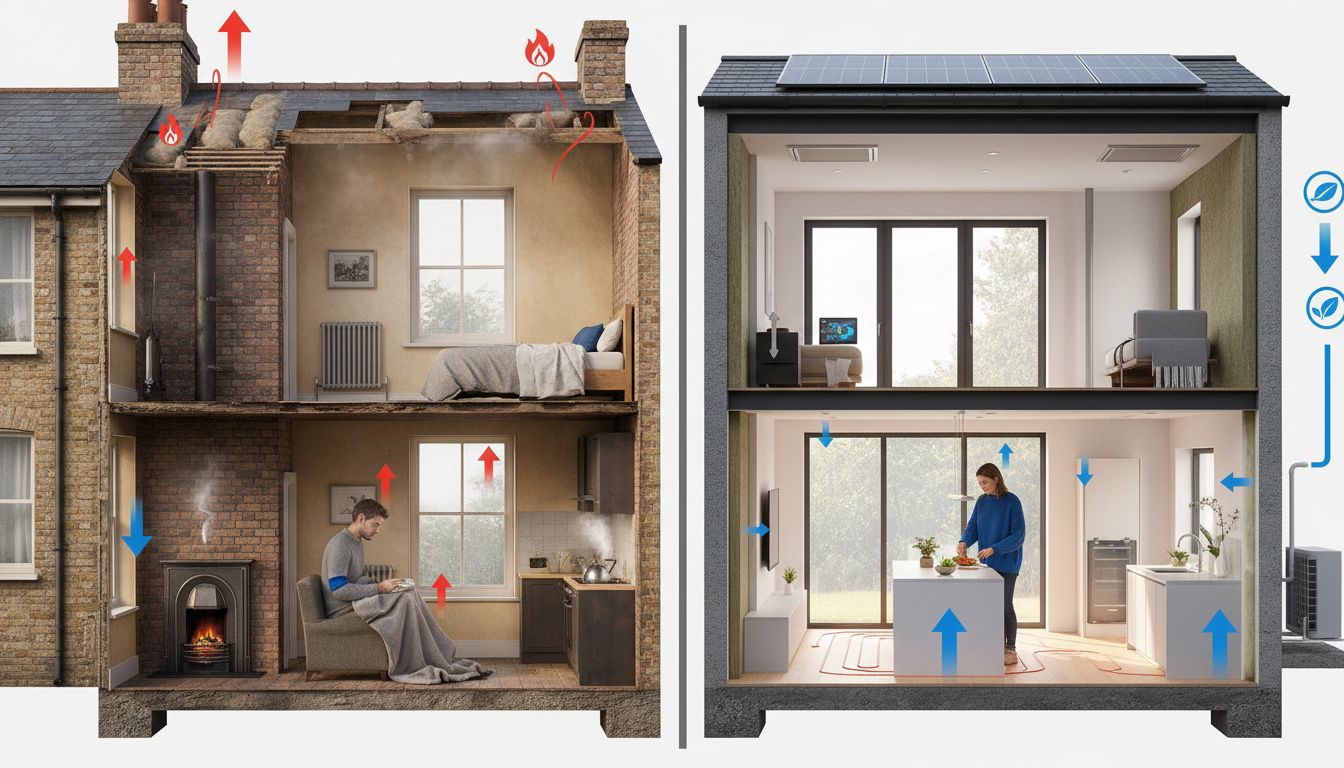
Key components of home energy consumption include:
- Space heating
- Water heating
- Lighting
- Electrical appliances
- Cooking
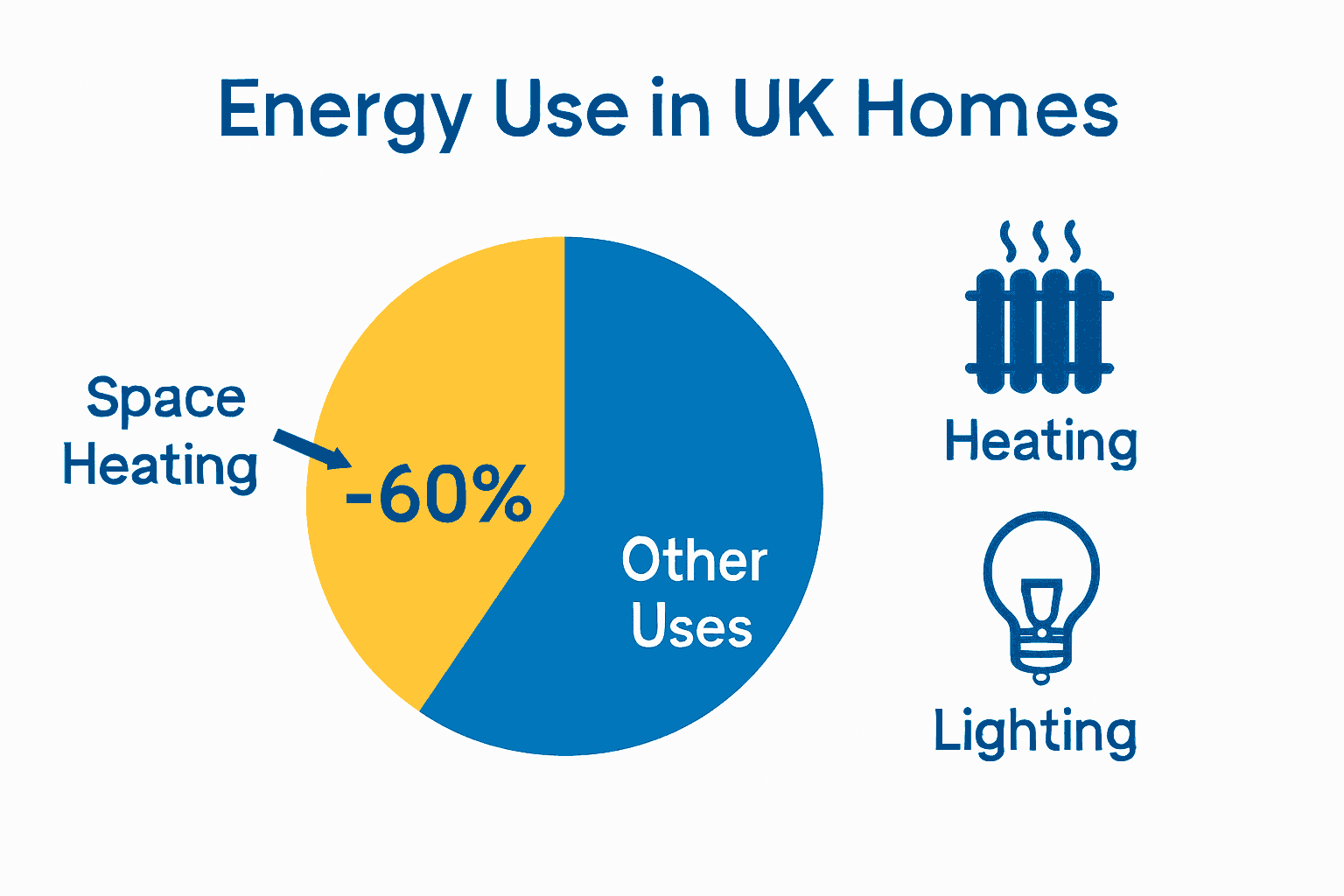
Interestingly, gov.uk data reveals that space heating alone accounts for approximately 60% of total domestic energy use in UK households. This significant proportion underscores the importance of understanding and optimising home energy systems. Homeowners can dramatically reduce their energy consumption by implementing targeted improvements such as better insulation, modern heating controls, and energy-efficient appliances.
To gain deeper insights into reducing your home’s energy consumption, check out our energy saving steps for UK homes guide, which provides comprehensive strategies for improving residential energy efficiency.
Major Sources of Residential Energy Use
Residential energy consumption in the UK encompasses multiple critical areas that significantly impact household energy demands. According to the Centre for Research into Energy Demand Solutions, buildings consume substantial energy through distinct functional domains, each contributing to overall household energy use.
Heating systems represent the most prominent energy consumer in UK homes. The English Housing Survey reveals that traditional boiler systems with radiators remain the most prevalent heating method, accounting for approximately 75% of residential heating infrastructure. These systems typically use gas or electricity to maintain comfortable indoor temperatures during colder months.
The primary sources of residential energy consumption include:
- Space heating
- Water heating
- Lighting
- Electrical appliances
- Cooking
- Home electronics
Electrical appliances and home electronics constitute another significant energy consumption category. Modern households increasingly rely on multiple devices simultaneously, from refrigerators and washing machines to computers and entertainment systems. Each device contributes to the overall energy demand, with standby power and inefficient models potentially increasing consumption.
To explore strategies for reducing energy consumption across these domains, explore our 7 smart home energy saving habits guide, which provides practical insights into minimising residential energy use and improving household efficiency.
How Energy Is Measured and Assessed
Measuring and assessing energy consumption in UK homes involves sophisticated methodologies that provide comprehensive insights into residential energy use. According to the Office for National Statistics, energy measurement requires detailed analysis across multiple consumption domains.
Energy Performance Certificates (EPCs) serve as the primary standardised method for evaluating residential energy efficiency. These certificates provide a comprehensive assessment of a property’s energy performance, rating homes from A (most efficient) to G (least efficient). The rating considers multiple factors, including:
- Insulation quality
- Heating systems
- Windows and doors
- Lighting efficiency
- Renewable energy installations
The UK Government’s Energy Consumption report highlights that energy assessment involves measuring kilowatt-hours (kWh) of energy consumed across different household systems. Sophisticated monitoring technologies now enable real-time tracking of energy usage, allowing homeowners to understand their precise consumption patterns and identify potential areas for improvement.
Technical measurement typically involves smart meters, energy monitoring devices, and professional assessment tools that calculate total energy consumption. For property owners seeking a comprehensive understanding of their home’s energy performance, consulting a qualified EPC assessor can provide detailed insights into energy efficiency and potential reduction strategies.
Home Energy Model and 2025 Regulatory Changes
The Home Energy Model represents a significant evolution in how the UK approaches residential energy performance assessment. According to the English Housing Survey, this new methodology aims to provide a more comprehensive and nuanced understanding of energy consumption in residential properties.
Key regulatory changes for 2025 will fundamentally transform how energy efficiency is measured and implemented in UK homes. The new model will replace the existing Standard Assessment Procedure (SAP), introducing more sophisticated metrics that consider:
- Advanced thermal performance tracking
- Detailed carbon emission calculations
- Comprehensive renewable energy integration
- Whole-house energy system assessments
- Dynamic energy consumption patterns
The UK Government’s Energy Consumption report highlights that these changes are designed to accelerate the transition towards more sustainable and energy-efficient housing. Property owners and developers will need to adapt to more stringent performance standards, with a greater emphasis on reducing overall energy consumption and minimising carbon footprints.
To fully understand the implications of these upcoming changes, property stakeholders should explore our comprehensive UK building regulations energy guide, which provides detailed insights into the evolving landscape of residential energy standards and compliance requirements.
Financial Implications and Cost Reduction Strategies
The financial landscape of energy consumption in UK homes continues to evolve, with significant implications for homeowners and property investors. English Housing Survey research indicates that strategic energy efficiency improvements can lead to substantial long-term cost savings and increased property values.
Cost reduction strategies for residential properties focus on multiple key areas:
- Improving home insulation
- Upgrading to energy-efficient heating systems
- Installing smart energy monitoring technologies
- Implementing renewable energy solutions
- Optimising electrical appliance efficiency
According to the Centre for Research into Energy Demand Solutions, homeowners can potentially reduce energy costs by up to 30% through targeted efficiency interventions. These strategies not only decrease monthly utility expenses but also contribute to reducing overall carbon emissions and improving home comfort.
To maximise financial benefits and navigate the complex landscape of energy efficiency investments, property owners should consider comprehensive energy assessments and explore available government incentives. Our 7 smart home energy saving habits guide provides practical insights into implementing cost-effective energy reduction techniques that can significantly impact household finances.
Take Control of Your UK Home’s Energy Future Today
Understanding energy consumption in UK homes is crucial for every homeowner facing rising costs and new government regulations. The article highlights key challenges such as inefficient heating systems, outdated insulation, and the upcoming shift to the Home Energy Model (HEM) in 2025 that will demand higher energy performance standards. If you want to avoid costly surprises and reduce your carbon footprint, now is the time to act.
Discover practical ways to improve your home’s energy efficiency, navigate the latest regulatory changes, and maximise savings by exploring trusted resources at homeenergymodel.co.uk. Learn why the importance of hiring a qualified EPC assessor can make a difference in achieving an accurate energy rating. Start building smarter energy habits today with our 7 smart home energy saving habits guide. Take the first step towards a more sustainable and cost-effective home energy future by visiting homeenergymodel.co.uk now.
Frequently Asked Questions
What are the main factors influencing energy consumption in UK homes?
Energy consumption in UK homes is influenced by factors such as building age, insulation quality, heating systems, and occupant behaviour.
How is residential energy consumption measured in UK homes?
Residential energy consumption is primarily measured using Energy Performance Certificates (EPCs), which assess properties based on their energy performance and efficiency.
What are the primary sources of energy use in homes?
The main sources of energy use in homes include space heating, water heating, lighting, electrical appliances, cooking, and home electronics.
What cost reduction strategies can homeowners implement to lower energy consumption?
Homeowners can improve energy efficiency by upgrading insulation, installing energy-efficient heating systems, using smart energy monitoring technologies, and optimising appliance efficiency.