
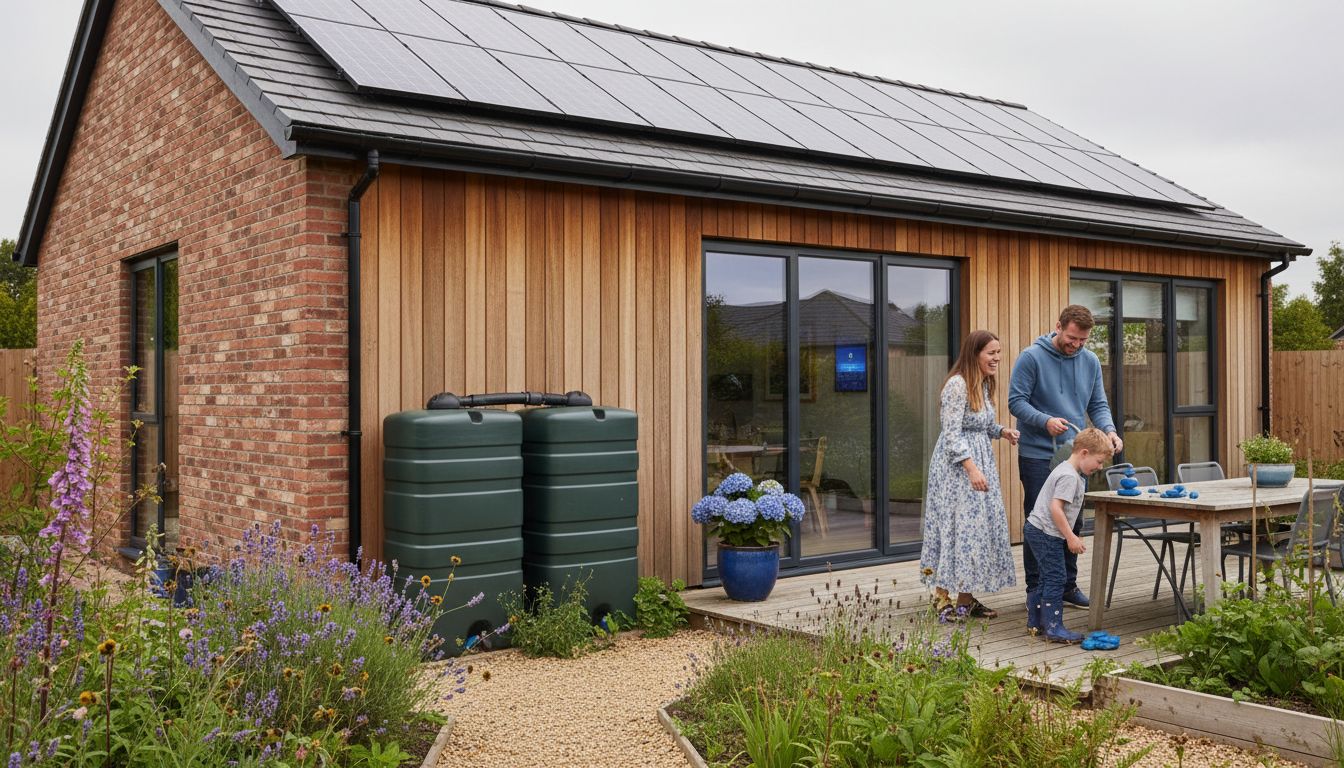
More than half of UK homeowners express interest in greener living, yet many remain unsure where to begin. Green homes are changing how people think about comfort, health, and long-term savings, not just energy bills. These houses blend smart design with advanced technology to create spaces that use less and give back more. With so many options and benefits, understanding what makes a home truly green helps families make choices that matter for the future.
Table of Contents
- Defining Green Homes and Core Concepts
- Types of Green Homes in the UK
- Essential Features and Technologies Explained
- Legal Standards and Compliance Requirements
- Financial Implications and Common Pitfalls
Key Takeaways
| Point | Details |
|---|---|
| Green Homes Focus on Sustainability | Green homes are designed to minimize ecological impact, prioritizing efficient use of energy, water, and materials for long-term well-being. |
| Diverse Types in the UK | The UK features various green home models, including zero carbon developments, earth-sheltered homes, and passive solar designs, each contributing to carbon reduction. |
| Advanced Technologies Essential | Key technologies in green homes, such as renewable energy systems and water conservation technologies, enhance energy efficiency and indoor air quality. |
| Financial Considerations Are Crucial | Transitioning to green homes involves significant upfront costs, potential long-term savings, and the importance of utilizing available government incentives effectively. |
Defining Green Homes and Core Concepts
A green home represents an innovative approach to residential design that prioritises environmental sustainability, efficiency, and long-term well-being. According to Wikipedia, a green home is strategically designed to minimise ecological impact by focusing on efficient use of energy, water, and building materials.
The core principles of green homes extend far beyond simple energy conservation. These dwellings incorporate advanced technologies and design strategies aimed at reducing carbon footprints and creating healthier living environments. Key features typically include:
- High-performance insulation systems
- Energy-efficient appliances and systems
- Renewable energy generation (like solar panels)
- Sustainable building materials
- Advanced water conservation technologies
- Natural ventilation and lighting strategies
Government guidance from the UK Government emphasises that green homes are not just about environmental benefits, but also about supporting residents’ physical and mental well-being. A truly green home creates an environment that supports comfortable temperatures, excellent indoor air quality, and ample natural light.
Understanding green homes requires recognising them as holistic systems that integrate architectural design, technological innovation, and environmental consciousness. They represent a forward-thinking approach to living that balances human comfort with ecological responsibility. How to Reduce Carbon Footprint at Home: Practical Steps provides additional insights into implementing these sustainable living principles.
Types of Green Homes in the UK
The United Kingdom offers diverse approaches to green home design, ranging from innovative urban developments to rural sustainable living projects. Wikipedia highlights BedZED (Beddington Zero Energy Development) as a pioneering example, representing the first large-scale community in the UK to achieve zero carbon emissions in London.
Green homes in the UK can be categorised into several distinct types:
- Zero Carbon Developments: Comprehensive community projects designed to eliminate carbon emissions
- Earth-Sheltered Homes: Dwellings integrated with natural landscape for thermal efficiency
- Passive Solar Homes: Buildings oriented and designed to maximise natural heating and cooling
- Retrofit Green Homes: Existing properties upgraded with sustainable technologies
- Off-Grid Sustainable Residences: Homes completely independent from traditional utility systems
One remarkable example is the Hockerton Housing Project, a community of earth-sheltered homes in Nottinghamshire demonstrating low carbon living through innovative renewable energy use, advanced water systems, and sustainable food production strategies.
These diverse green home models showcase the UK’s commitment to environmental innovation. Renewable Energy Explained: UK Guide for 2025 Compliance provides deeper insights into the technological foundations supporting these sustainable housing approaches, highlighting how different green home types contribute to national carbon reduction goals.
Essential Features and Technologies Explained
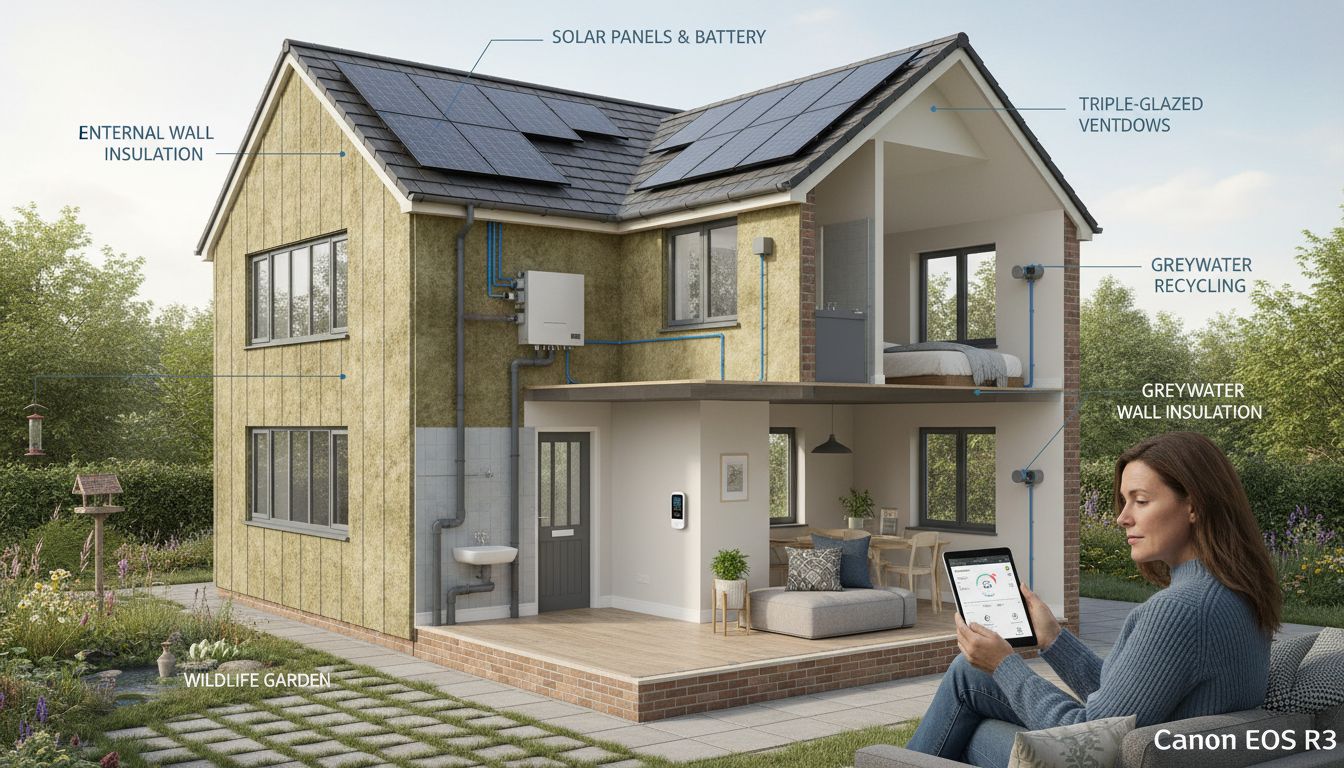
Green homes represent a sophisticated integration of cutting-edge technologies and intelligent design strategies. According to Wikipedia, these sustainable dwellings incorporate a range of advanced features including high-performance insulation, energy-efficient appliances, smart home technologies, water-saving fixtures, and renewable energy sources like solar panels.
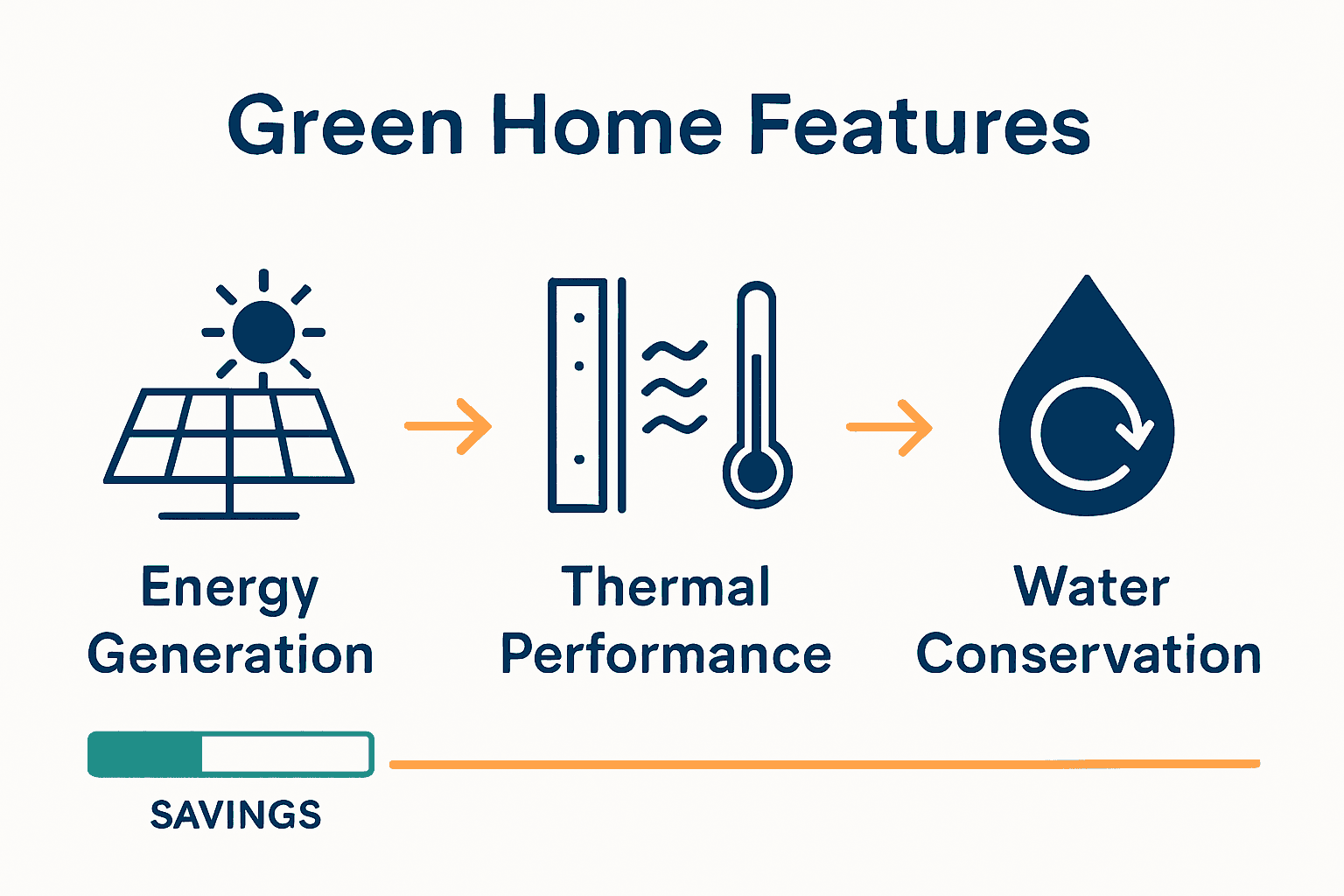
The core technologies that define green homes can be categorised into several key domains:
-
Energy Generation and Management
- Solar photovoltaic panels
- Wind turbine systems
- Battery storage technologies
- Smart energy monitoring systems
-
Thermal Performance
- Advanced insulation materials
- Double or triple-glazed windows
- Thermal mass design elements
- Heat recovery ventilation systems
-
Water Conservation
- Rainwater harvesting systems
- Greywater recycling technologies
- Low-flow plumbing fixtures
- Intelligent water management systems
Government guidance from the UK Government emphasises that these technologies are not just about environmental efficiency, but also about creating healthier living spaces. The design incorporates elements like optimal building orientation, strategic shading, and advanced glazing to ensure comfortable temperatures and superior indoor air quality.
Understanding these technologies requires recognising their interconnected nature.
 Role of Energy Upgrades: Complete UK Property Guide offers comprehensive insights into how these innovative systems work together to create sustainable, energy-efficient homes that significantly reduce carbon footprints while enhancing residents’ quality of life.
Legal Standards and Compliance Requirements
The landscape of green home regulations in the United Kingdom has undergone significant transformations, reflecting the nation’s commitment to sustainable housing. Wikipedia highlights the Code for Sustainable Homes, an environmental assessment method introduced in 2006 that played a crucial role in establishing initial standards for sustainable residential development before being consolidated into Building Regulations in 2015.
Key legal frameworks and compliance requirements for green homes in the UK include:
- Building Regulations Part L: Governing energy efficiency and conservation
- Future Homes Standard: Setting mandatory environmental performance criteria
- Energy Performance Certificates (EPCs): Mandatory ratings for property energy efficiency
- Minimum Energy Efficiency Standards (MEES): Regulating rental property energy performance
- Planning Permission Guidelines: Incorporating sustainable design requirements
According to government announcements, the Future Homes Standard represents a transformative approach to residential construction. Announced in 2019, this standard aims to revolutionise new home construction by mandating higher environmental standards, including the groundbreaking requirement to ban fossil fuel heating systems like gas boilers in new homes by 2025.
Navigating these complex regulatory landscapes requires comprehensive understanding. Understanding Part L Compliance 2024 provides critical insights into the evolving legal requirements, helping homeowners, developers, and investors stay ahead of the sustainability curve while ensuring full regulatory compliance.
Financial Implications and Common Pitfalls
Transitioning to a green home involves substantial financial considerations that extend far beyond initial investment. UK Government initiatives like the Green Homes Grant demonstrated the potential for significant financial support, offering homeowners vouchers covering up to two-thirds of energy-efficient home improvement costs.
Key financial aspects and potential challenges include:
Initial Investment Considerations
- High upfront costs for sustainable technologies
- Potential long-term energy savings
- Variable return on investment timelines
- Complex financing and grant application processes
Common Financial Pitfalls
- Underestimating total renovation expenses
- Choosing inappropriate or low-quality green technologies
- Overlooking maintenance and replacement costs
- Failing to research available government incentives
- Inadequate energy performance calculation
Government research suggests that higher-rated sustainable homes could potentially reduce annual utility bills by up to £2,250, making strategic green home investments financially attractive. These potential savings underscore the importance of careful planning and informed decision-making.
Cost vs Benefit Energy Upgrades: Complete Guide UK offers comprehensive insights into navigating the complex financial landscape of green home transformations, helping property owners make economically sound and environmentally responsible investments.
Take Control of Your Green Home Journey with Confidence
Understanding what defines a green home and navigating the complex UK regulations can feel overwhelming. From mastering energy efficiency standards like the Future Homes Standard to managing the financial impact of sustainable upgrades, the challenges are real. If you want to move beyond confusion and hesitation, it is crucial to access clear, up-to-date guidance tailored to UK homeowners and property professionals.
Discover how Home Energy Model can empower you to confidently meet new government requirements while maximising energy savings and comfort. Whether you need detailed insights into how to reduce your carbon footprint at home or want to understand the role of energy upgrades in UK properties, our platform delivers practical advice and tools designed for today’s sustainable living standards. Act now and stay ahead of the curve by embracing smarter, greener home solutions today.
Frequently Asked Questions
What is a green home?
A green home is a residential building designed to be environmentally sustainable, focusing on energy efficiency, water conservation, and the use of sustainable materials to reduce ecological impact.
What are the key features of a green home?
Key features of a green home include high-performance insulation, energy-efficient appliances, renewable energy sources like solar panels, water conservation technologies, and natural lighting and ventilation strategies.
How do green homes contribute to reducing carbon footprints?
Green homes reduce carbon footprints through energy-efficient designs, renewable energy generation, and advanced technologies that minimize energy use, all aimed at lowering greenhouse gas emissions associated with residential living.
What financial considerations should I keep in mind when investing in a green home?
When investing in a green home, consider initial investment costs, potential long-term energy savings, the return on investment timeline, and available government incentives that could reduce renovation expenses.