

Did you know that over 40 percent of global electricity growth in 2023 came from renewable sources? As energy bills rise and concerns about climate change grow, many are turning to cleaner power. Learning the truth about renewable energy can help you cut costs, reduce your carbon footprint, and make smarter choices for your home or business.
Table of Contents
- Renewable Energy Defined And Common Myths
- Major Types Of Renewable Energy Sources
- How Renewable Energy Systems Operate
- Legal Standards And Uk Policy Drivers
- Cost Implications And Funding Options
- Renewable Energy And Home Energy Model Impact
Key Takeaways
| Point | Details |
|---|---|
| Renewable Energy Sources Are Essential | Renewable energy harnesses naturally replenishing sources, offering sustainable alternatives to fossil fuels. |
| Technological Advancements Enhance Reliability | Continuous improvements in renewable technologies are making energy generation more efficient and dependable. |
| Cost of Renewable Energy is Decreasing | Investments in renewable energy are becoming more economical, allowing solar and wind to compete with traditional energy sources. |
| Government Policies Support Transition | The UK government’s incentives and legal standards promote renewable energy adoption and contribute to national decarbonization efforts. |
Renewable Energy Defined and Common Myths
Renewable energy represents a transformative approach to power generation that harnesses naturally replenishing sources like wind, solar, and biomass. According to British Gas, these energy sources continuously regenerate, offering a sustainable alternative to finite fossil fuel resources.
What exactly makes renewable energy different? Renewable energy sources rely on natural processes that are constantly renewed. This means wind continues blowing, sunlight keeps streaming, and organic matter perpetually cycles. Unlike coal or oil, which deplete with each use, renewable sources provide a continuous energy stream. The Energy Advice Helpline highlights that technological advancements have dramatically improved the reliability and efficiency of these energy systems.
Common Misconceptions About Renewable Energy
Many people hold outdated beliefs about renewable energy’s capabilities. Let’s debunk some prevalent myths:
-
Myth: Renewable Energy Cannot Meet Demand
Modern renewable technologies have proven capable of generating substantial power, contributing significantly to national energy grids. -
Myth: Renewable Sources Are Unreliable
Technological improvements have enhanced energy storage and grid integration, ensuring more consistent power delivery. -
Myth: Renewable Energy Is Too Expensive
Costs have dramatically decreased, with solar and wind now competitive with traditional energy sources in many markets.
Understanding renewable energy means recognizing its dynamic, evolving nature. As technologies improve and investment increases, these sustainable power sources will play an increasingly critical role in our energy infrastructure.
Major Types of Renewable Energy Sources
Renewable energy encompasses a diverse range of power generation techniques that tap into naturally replenishing resources. According to British Gas, the UK utilizes several major renewable energy sources that contribute to a sustainable national energy mix.
Wind Power
Wind energy represents one of the most rapidly growing renewable technologies. Massive wind turbines capture kinetic energy from air currents, converting wind movement into electrical power. Onshore and offshore wind farms have become increasingly efficient, providing substantial electricity generation with minimal environmental impact.
Solar Energy
Solar power harnesses sunlight through photovoltaic panels and solar thermal systems. These technologies convert solar radiation directly into electricity or use it for heating purposes. Solar installations range from small residential rooftop arrays to large commercial solar farms, offering flexible and scalable renewable energy solutions.
Biomass Energy
According to the Office for National Statistics, biomass is currently the largest source of renewable energy in the UK. Biomass energy involves generating power by burning organic materials like wood, agricultural waste, and dedicated energy crops. This process converts biological matter into heat and electricity, providing a renewable alternative to fossil fuels.
Hydroelectric and Tidal Power
- Hydroelectric power generates electricity by harnessing the energy of moving water through dams and river turbines
- Tidal energy captures power from ocean current movements and wave patterns
- Both technologies offer consistent and predictable renewable energy generation
Each renewable energy source brings unique advantages, collectively working to create a more sustainable and environmentally friendly power generation landscape.
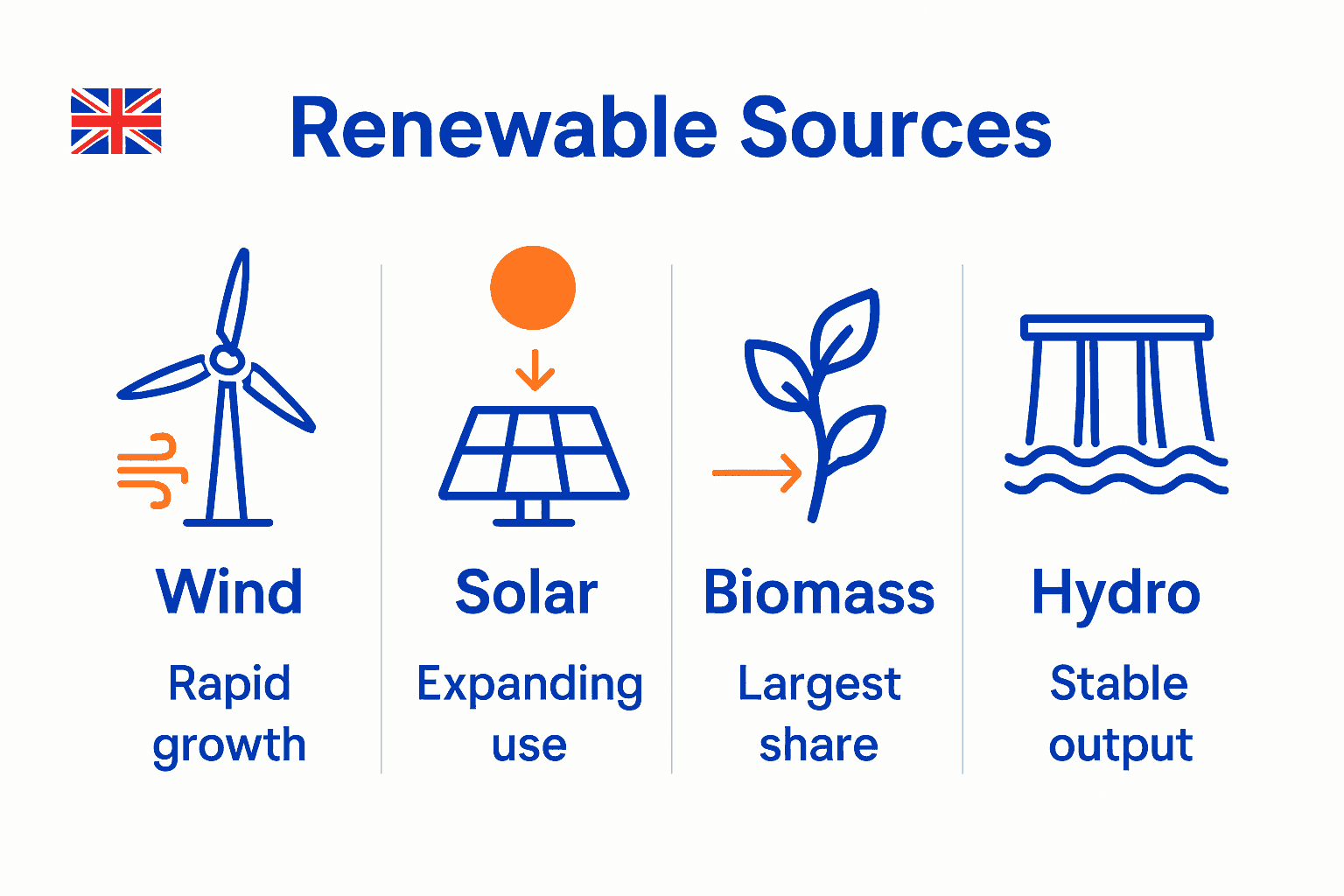
Here’s a summary comparison of the main renewable energy sources in the UK:
| Energy Source | Key Mechanism | Typical Applications | UK Significance |
|---|---|---|---|
| Wind | Turbines capture kinetic energy | Onshore farms Offshore farms |
Rapid growth Major supply |
| Solar | Photovoltaic panels Solar thermal systems |
Rooftops Solar farms |
Flexible Expanding use |
| Biomass | Burning organic material for heat | Power stations Heat plants |
Largest share Uses waste |
| Hydroelectric & Tidal | Harnessing water flow & tides | Dams River turbines Tidal barrages |
Predictable Stable output |
How Renewable Energy Systems Operate
Renewable energy systems represent sophisticated technologies that transform natural resources into usable electricity through intricate conversion processes. According to British Gas, these systems harness natural processes to generate clean, sustainable power across various renewable energy platforms.
Conversion Mechanisms
Energy transformation lies at the heart of renewable energy systems. Each renewable source employs unique mechanisms to convert natural resources into electrical energy. Wind turbines, for instance, use aerodynamic blade designs to capture kinetic wind energy and transform it into rotational mechanical energy, which is then converted into electrical power through generators.
Solar Energy Conversion
Photovoltaic systems operate through a remarkable process of direct energy conversion. Solar panels contain semiconductor materials like silicon that generate electrical current when exposed to sunlight. When photons from sunlight strike these materials, they dislodge electrons, creating an electric current. This process allows solar panels to directly transform solar radiation into usable electrical energy without any moving parts.
Biomass Energy Production
Biomass energy systems work differently from other renewable technologies. These systems involve burning organic materials like agricultural waste, wood chips, and dedicated energy crops to generate heat. The generated heat drives turbines connected to electrical generators, effectively converting biological matter into electricity. British Gas notes that this process provides a flexible renewable energy solution that can also utilize waste materials.
Key Operational Principles
- Energy Capture: Each system uniquely captures natural energy sources
- Conversion Mechanisms: Transforms captured energy into electrical power
- Grid Integration: Connects renewable generation to existing electrical infrastructure
- Storage Solutions: Implements battery and grid technologies to manage intermittent energy production
The magic of renewable energy lies in its ability to continuously transform natural, replenishing resources into clean electrical power, offering a sustainable alternative to traditional fossil fuel generation.
Legal Standards and UK Policy Drivers
The United Kingdom has established comprehensive legal frameworks and policy initiatives to drive renewable energy adoption and accelerate national decarbonization efforts. These strategic approaches combine regulatory mandates, financial incentives, and long-term environmental objectives to transform the country’s energy landscape.
Planning and Construction Requirements
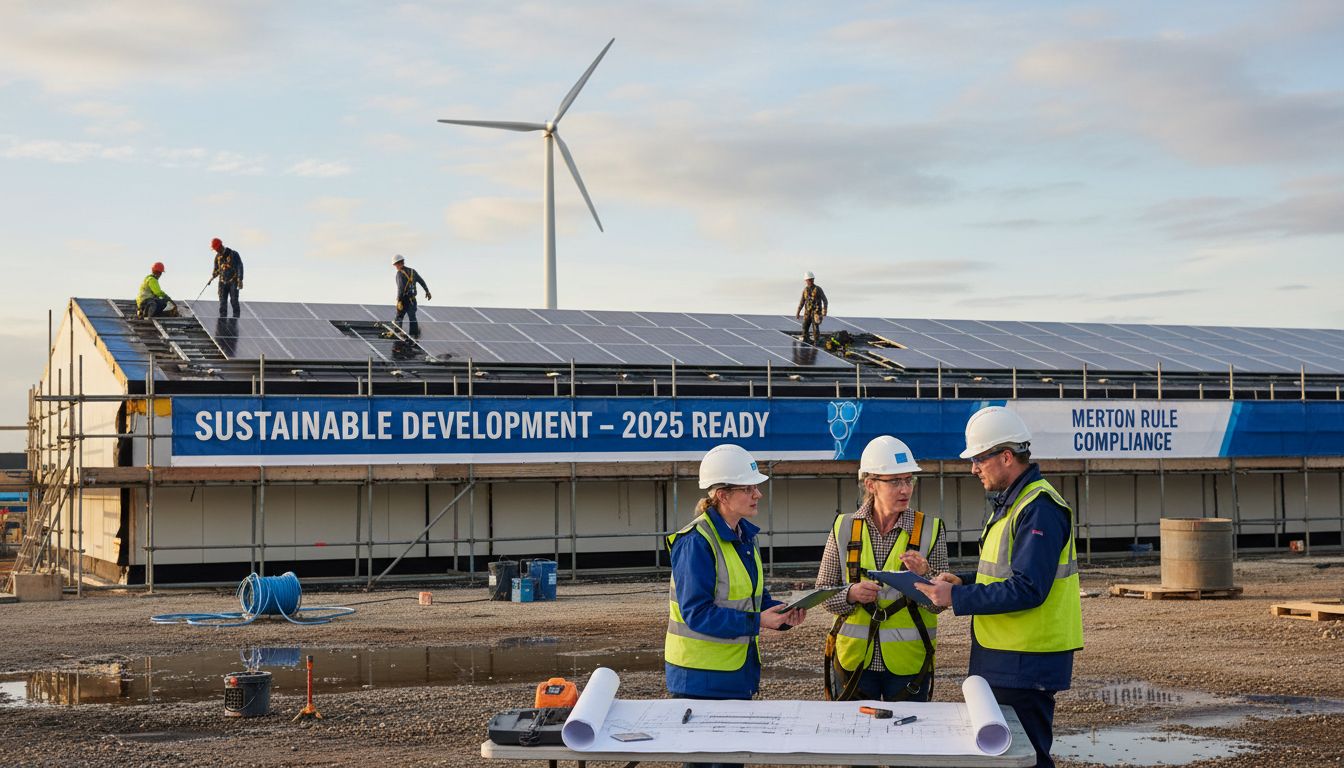
One pivotal legal mechanism shaping renewable energy implementation is the Merton Rule. According to Wikipedia, this regulation mandates that new commercial buildings exceeding 1,000m² must generate at least 10% of their energy needs from on-site renewable sources. This policy effectively embeds renewable energy generation into urban development and construction planning, creating a systemic approach to sustainable infrastructure.
Government Incentive Programmes
Government incentive schemes play a crucial role in accelerating renewable energy deployment. In a recent strategic move, Reuters reported the UK government’s introduction of the ‘Clean Industry Bonus’, offering developers £27 million per gigawatt of offshore wind capacity. This financial incentive demonstrates a proactive approach to supporting renewable energy infrastructure and encouraging private sector investment.
Key Policy Drivers
- Decarbonization Targets: Legally binding commitments to reduce carbon emissions
- Renewable Energy Mandates: Specific requirements for energy generation from sustainable sources
- Financial Incentives: Grants, tax breaks, and direct funding for renewable projects
- Grid Integration Policies: Regulations facilitating renewable energy connection to national infrastructure
These multifaceted legal standards and policy drivers collectively create a robust ecosystem supporting the UK’s transition towards a more sustainable, renewable energy future.
Cost Implications and Funding Options
Renewable energy investments represent a complex financial landscape balancing initial costs with long-term economic and environmental benefits. Understanding the financial mechanisms and strategic funding approaches is crucial for property owners and developers considering renewable energy implementations.
Investment and Initial Costs
Renewable energy projects require substantial upfront investments, with costs varying significantly across different technologies. Solar panel installations, wind turbine deployments, and biomass systems each present unique financial considerations. While initial expenditures can seem daunting, technological advancements and increasing market competition have dramatically reduced implementation expenses over recent years.
Government Incentive Programmes
According to Reuters, the UK government has introduced the ‘Clean Industry Bonus’, a strategic financial initiative offering developers £27 million per gigawatt of offshore wind capacity. Such programmes demonstrate a proactive approach to reducing investment barriers and attracting private sector engagement in renewable energy infrastructure.
Subsidy and Cost Management
Government policies play a critical role in managing renewable energy costs. Reuters highlighted recent efforts to optimize subsidy structures, with initiatives aimed at saving consumers money while ensuring sustainable energy production. In one example, the government reduced subsidies for biomass power, potentially saving consumers £170 million annually.
Funding Pathways
- Government Grants: Direct financial support for renewable energy projects
- Tax Incentives: Reduction in tax liabilities for sustainable energy investments
- Green Loans: Specialized financing options with preferential terms
- Private Equity: Venture capital and investment funds focusing on renewable technologies
Navigating the financial landscape of renewable energy requires strategic planning, an understanding of available incentives, and a long-term perspective on both economic and environmental returns.
Renewable Energy and Home Energy Model Impact
The Home Energy Model (HEM) represents a transformative approach to understanding and integrating renewable energy solutions within residential properties. This innovative methodology provides homeowners with comprehensive insights into energy performance, sustainability, and potential carbon reduction strategies.
Renewable Energy Integration
According to British Gas, integrating renewable energy technologies can significantly reduce reliance on fossil fuels, lower energy bills, and decrease household carbon footprints. The Home Energy Model enables property owners to assess and optimize their renewable energy potential through detailed performance assessments and targeted recommendations.
Energy Efficiency Calculations
Renewable energy solutions like solar panels, heat pumps, and biomass systems are evaluated comprehensively within the Home Energy Model framework. By providing precise calculations of energy generation, consumption, and potential savings, homeowners can make informed decisions about sustainable infrastructure investments. The Energy Advice Helpline highlights that adopting these technologies enhances overall energy efficiency and contributes to environmental sustainability.
Key Impact Areas
- Performance Tracking: Detailed monitoring of renewable energy system effectiveness
- Carbon Reduction: Quantifiable metrics for household emissions reduction
- Financial Planning: Comprehensive assessment of investment returns
- Sustainability Scoring: Holistic evaluation of property energy performance
For a deeper understanding of solar technology integration, explore our solar calculations guide. The Home Energy Model serves as a critical tool in transforming residential energy landscapes, empowering homeowners to make strategic, environmentally conscious decisions.
Take Control of Your Property’s Energy Future Today
Understanding the UK’s evolving renewable energy standards and the introduction of the Home Energy Model (HEM) can feel overwhelming. With the pressure to meet 2025 compliance and the complexities of integrating sustainable technologies like solar panels, wind power, and biomass, property owners and professionals need clear, trusted guidance. The challenge lies in navigating these new requirements while maximising energy efficiency and reducing carbon footprint – all without unnecessary costs or delays.
Discover how the Home Energy Model offers a practical solution designed specifically for UK homes and commercial buildings. Our site provides up-to-date information on HEM’s features, detailed insights into renewable energy integration, and essential advice for meeting EPC standards aligned with the Future Homes Standard. Don’t wait until the regulations become urgent. Visit https://homeenergymodel.co.uk now to empower your property strategy, ensure compliance, and contribute to a greener future.
Frequently Asked Questions
What are the main types of renewable energy sources?
The primary types of renewable energy include wind power, solar energy, biomass energy, and hydroelectric or tidal power. Each source generates electricity through different mechanisms and contributes to a sustainable energy mix.
How do renewable energy systems work?
Renewable energy systems operate by converting natural resources into usable electricity. For example, wind turbines harness kinetic energy from air currents, while solar panels use sunlight to generate electrical power through photovoltaic technology.
What are the financial incentives for adopting renewable energy in 2025?
The UK government offers various financial incentives, such as grants and tax breaks, to encourage renewable energy projects. Programs like the ‘Clean Industry Bonus’ provide developers with substantial funding for offshore wind capacity, aiming to reduce investment barriers.
How does the Home Energy Model support renewable energy integration?
The Home Energy Model provides homeowners with insights into energy performance and efficiency. It assesses renewable energy potential, tracks system effectiveness, and evaluates the financial and environmental impacts, enabling informed decisions about sustainable infrastructure investments.