
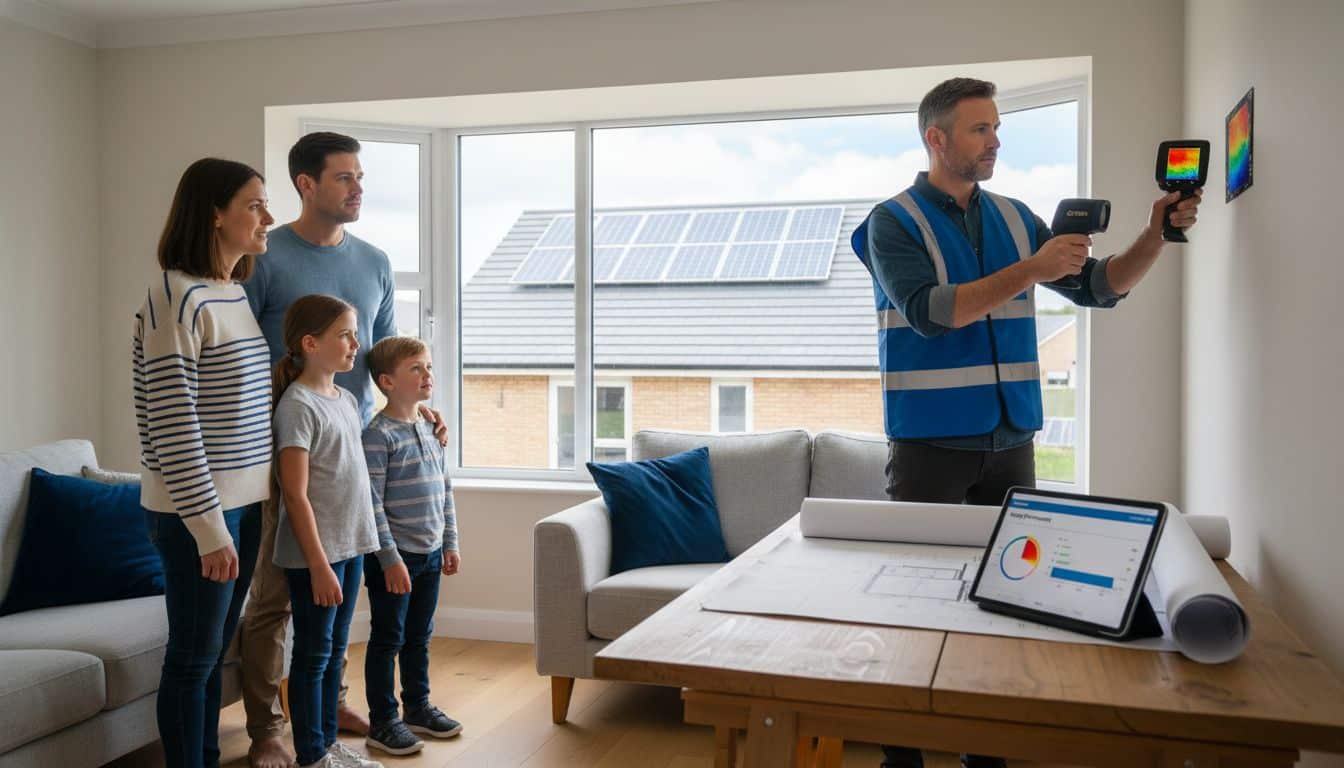
Most properties in England and Wales must now meet strict standards for energy use as part of sweeping changes to UK building regulations. Homes that fail to comply may face reduced value and costly penalties. This matters to anyone building, renovating, or investing in property because energy efficiency is shaping not just the law but also the housing market. Understanding these rules helps you make informed decisions that protect your investments and cut long-term costs.
Table of Contents
- What UK Building Regulations Energy Means
- Part L Requirements For Buildings
- How Future Homes Standard Affects Energy
- Roles Of EPCs And DECs In Compliance
- Implications For Landlords And Investors
Key Takeaways
| Point | Details |
|---|---|
| Energy Efficiency Regulations | UK Building Regulations Energy establish mandatory standards aimed at reducing carbon emissions and enhancing energy efficiency in buildings. |
| Part L Compliance | Part L of the Building Regulations mandates rigorous requirements for insulation, heating systems, and renewable energy integration, pushing buildings towards near-zero energy consumption. |
| Future Homes Standard | Set to reduce carbon emissions in new homes by 75-80% from 2025, the Future Homes Standard emphasizes improved insulation and low-carbon heating systems as essential design criteria. |
| Certificates Impact | Energy Performance Certificates (EPCs) and Display Energy Certificates (DECs) provide insights on building energy efficiency, guiding compliance and influencing property marketability. |
What UK Building Regulations Energy Means
UK Building Regulations Energy represents a comprehensive framework designed to regulate and improve the energy efficiency of buildings across England and Wales. According to the gov.uk guidelines, these regulations set critical standards for design and construction, focusing specifically on reducing carbon emissions and enhancing overall energy performance.
At its core, these regulations address how buildings consume and manage energy through Part L of the Building Regulations, which concentrates on the conservation of fuel and power. This section establishes mandatory requirements for new constructions, renovations, and existing property modifications. Legislation.gov.uk defines key components like renewable energy sources and heat pumps, emphasizing the transition towards more sustainable building practices.
Key aspects of UK Building Regulations Energy include:
- Minimizing energy consumption in residential and commercial properties
- Promoting the use of renewable energy technologies
- Establishing performance standards for heating, cooling, and lighting systems
- Reducing overall carbon footprint of built environments
The regulations are periodically updated to reflect technological advancements and evolving environmental policies. By setting clear, measurable standards, these guidelines push the construction industry towards more energy-efficient and environmentally responsible building practices. Homeowners, developers, and investors must stay informed about these requirements to ensure compliance and contribute to the UK’s broader sustainability goals.
For a deeper understanding of how these regulations impact home energy performance, check out our guide to UK Home Energy Labelling.
Part L Requirements For Buildings
Part L of the UK Building Regulations represents a critical framework for ensuring energy efficiency and reducing carbon emissions in buildings. Gov.uk outlines these regulations as a comprehensive set of standards that mandate specific energy performance criteria for new constructions and major renovations.
The core focus of Part L is to establish rigorous requirements for thermal insulation, heating system efficiency, and the integration of low-carbon technologies. According to Legislation.gov.uk, these regulations aim to transform buildings into nearly zero-energy structures by setting strict guidelines for:
- Limiting heat gains and losses
- Ensuring efficient fixed building services
- Mandating effective system commissioning
- Promoting renewable energy source integration
Compliance with Part L involves a detailed assessment process where building performance is compared against a standardized notional building model. This approach ensures that new developments meet increasingly stringent energy efficiency standards. Builders, architects, and property developers must carefully navigate these requirements, which continue to evolve in response to technological advancements and environmental challenges.

To gain deeper insights into the technical aspects of meeting these requirements, explore our guide to Part L Compliance, which provides comprehensive details on implementation and assessment strategies.
How Future Homes Standard Affects Energy
The Future Homes Standard represents a transformative approach to energy efficiency in UK residential construction. According to Gov.uk, this ambitious initiative aims to dramatically reduce carbon emissions by 75-80% in new homes built from 2025, marking a significant leap towards the UK’s net-zero greenhouse gas emissions target by 2050.
Key impacts of the Future Homes Standard on energy will fundamentally reshape building design and technology. The standard mandates critical changes including:
- Substantially improved building insulation
- Integration of low-carbon heating systems
- Mandatory renewable energy technologies
- Enhanced energy performance requirements
The ‘Building for 2050’ report from Gov.uk underscores the broader implications, highlighting how these changes will challenge and transform the construction industry. Developers, architects, and homebuilders must now prioritize energy efficiency as a fundamental design principle rather than an afterthought.
These revolutionary standards will ripple through the entire property ecosystem, influencing everything from construction techniques to property valuations. For homeowners and investors interested in understanding how these changes might impact their future property investments, our guide to zero carbon homes provides comprehensive insights into this emerging landscape.
Roles Of EPCs And DECs In Compliance
Energy Performance Certificates (EPCs) and Display Energy Certificates (DECs) play crucial roles in the UK’s building energy compliance framework. According to Gov.uk, these certificates provide comprehensive insights into building energy efficiency, with EPCs offering ratings from A to G and critical improvement recommendations.
Key characteristics of these certificates include:
- EPCs required for properties being constructed, sold, or rented
- DECs mandatory for public buildings over 500m²
- Transparent reporting of actual energy consumption
- Ratings that highlight potential energy performance improvements
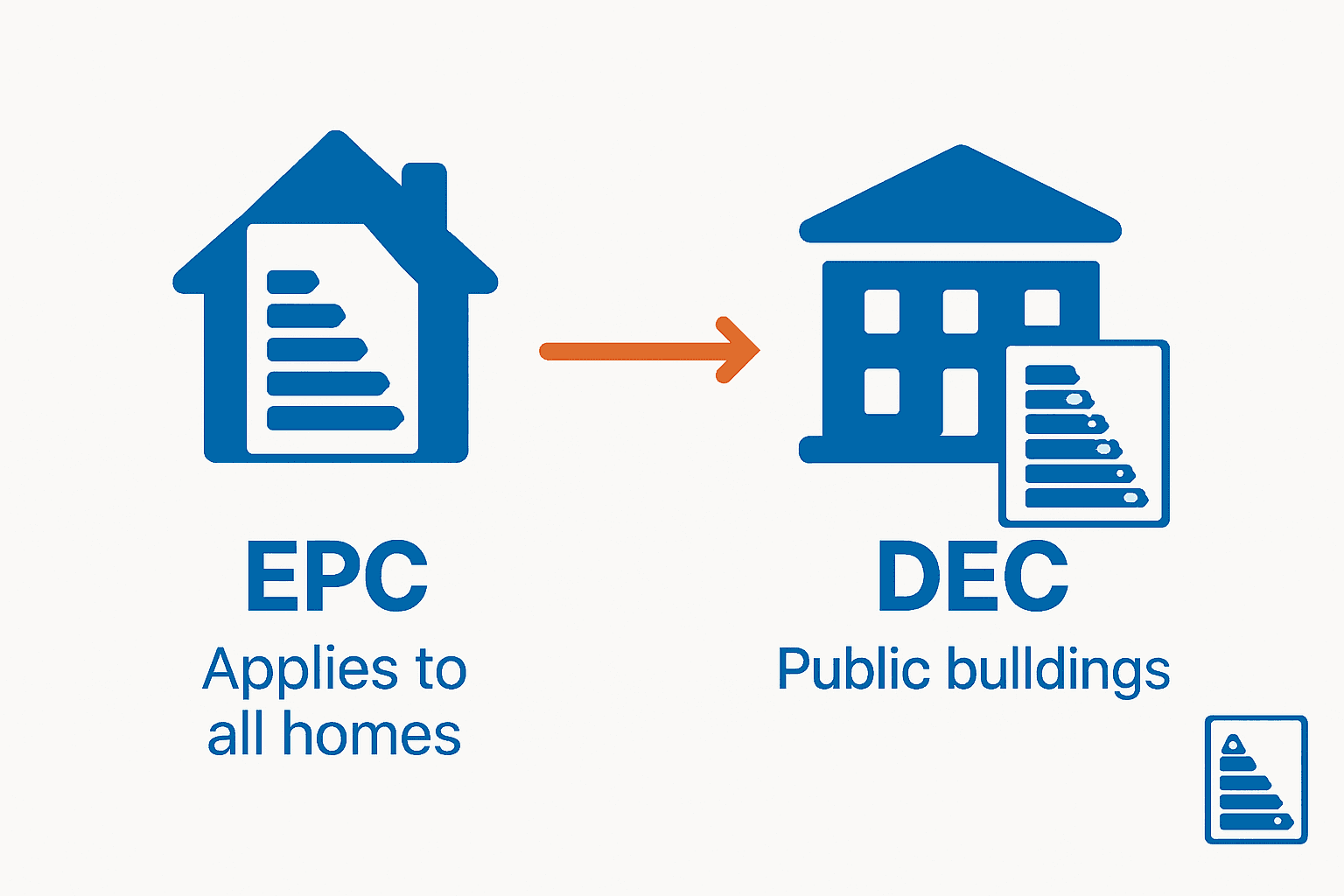
The Energy Security Bill is set to further enhance the role of these certificates. Gov.uk indicates that upcoming regulatory updates will provide more accurate and actionable information to building owners, ultimately supporting the UK’s ambitious net-zero emissions targets.
For property owners and managers looking to navigate these complex compliance requirements, our guide to EPC ratings offers comprehensive insights into understanding and improving your building’s energy performance certification.
Implications For Landlords And Investors
The evolving landscape of UK Building Regulations presents significant challenges and opportunities for landlords and property investors. Gov.uk emphasizes that meeting minimum energy efficiency standards is no longer optional but a critical requirement with potentially substantial consequences for non-compliance.
Key implications for property stakeholders include:
- Mandatory energy efficiency upgrades
- Potential financial penalties for non-compliant properties
- Increased property marketability through sustainable improvements
- Potential rental price premiums for energy-efficient buildings
- Risk of property value depreciation without necessary upgrades
The market is rapidly shifting towards energy-efficient properties. Gov.uk statistics reveal a growing emphasis on energy performance, indicating that proactive investors who prioritize energy efficiency will likely see significant long-term benefits. This includes attracting environmentally conscious tenants, reducing operational costs, and maintaining competitive property values.
To navigate these complex regulatory changes effectively, investors should consider strategic energy efficiency investments. Our guide to Minimum Energy Efficiency Standards provides comprehensive insights into understanding and implementing necessary property upgrades.
Navigate UK Building Regulations Energy with Confidence
Understanding and meeting UK Building Regulations Energy standards can feel overwhelming, especially with the upcoming changes like the Future Homes Standard and Part L requirements. Whether you are a landlord, property developer, or investor, staying ahead means tackling complex challenges such as improving EPC ratings and adopting low-carbon technologies to avoid penalties and secure property value.
Take control today by exploring practical guidance and expert insights at Home Energy Model. Discover how the new Home Energy Model (HEM) will transform energy performance assessments and what this means for your properties. For tailored advice on improving energy efficiency and ensuring compliance, check our detailed resources on Part L Compliance and practical steps for landlords in our Minimum Energy Efficiency Standards guide. Act now to future-proof your investments and lead the way in sustainable property management.
Frequently Asked Questions
What are UK Building Regulations Energy?
UK Building Regulations Energy is a framework that regulates and improves the energy efficiency of buildings, focusing on reducing carbon emissions and enhancing overall energy performance through standards set out in Part L of the Building Regulations.
What is Part L of the Building Regulations?
Part L outlines specific energy performance criteria for new constructions and major renovations, focusing on thermal insulation, heating system efficiency, and the integration of low-carbon technologies to promote energy conservation.
How does the Future Homes Standard impact new homes?
The Future Homes Standard aims to reduce carbon emissions in new homes by 75-80% by 2025. It mandates improved insulation, low-carbon heating systems, and the integration of renewable energy technologies to enhance energy performance.
What roles do EPCs and DECs play in energy compliance?
Energy Performance Certificates (EPCs) and Display Energy Certificates (DECs) provide insights into a building’s energy efficiency. EPCs are required for properties being constructed, sold, or rented, while DECs are mandatory for public buildings over 500m², offering transparency in actual energy consumption.