
Choosing effective energy-saving measures can feel overwhelming when you’re balancing tight budgets with rising bills and looming compliance deadlines. UK homeowners and landlords face pressure to reduce costs whilst preparing for stricter Energy Performance Certificate standards. The good news is that simple, affordable actions deliver measurable savings without major investment. This guide presents proven low-cost tips that cut bills, improve comfort, and help you meet regulatory requirements, backed by real data and practical implementation advice.
Table of Contents
- How To Evaluate Low-Cost Energy-Saving Options
- Top Low-Cost Energy-Saving Tips For UK Homes
- Optimising Boiler Settings And Heating Behaviour For More Savings
- How Low-Cost Measures Support Compliance For Landlords
- Explore Effective Home Energy Solutions With Home Energy Model
Key takeaways
| Point | Details |
|---|---|
| Most low-cost measures save £100+ annually | Simple changes like thermostat adjustment and draught-proofing deliver substantial returns |
| Small temperature reductions offer 6-9% heating savings | Lowering settings by just 1°C creates noticeable bill reductions |
| Draught-proofing and LED bulbs bring significant bills reduction | These quick wins cost under £30 yet save £125-£180 yearly |
| Boiler flow temp adjustment complements other measures | Optimising heating settings adds £65+ savings with zero cost |
| Landlords must prepare for EPC C deadline 2030 | Fabric improvements now avoid fines up to £30,000 later |
How to evaluate low-cost energy-saving options
Selecting the right energy-saving measures requires balancing multiple factors that affect both immediate costs and long-term benefits. Your decision should weigh upfront investment against realistic savings potential, considering how quickly each action pays for itself through reduced bills. Ease of installation matters significantly, particularly for DIY enthusiasts who can avoid professional fees. Quick wins like LED bulbs or draught-proofing strips require minimal skills, whilst boiler adjustments might need basic technical confidence.
Impact on thermal comfort and heating bills should guide your priorities. Measures addressing heat loss through the building fabric typically deliver better returns than those targeting heating systems alone. This approach aligns with energy performance principles that emphasise reducing demand before improving supply efficiency. For landlords, compliance deadlines add urgency, with the EPC C requirement by October 2030 creating financial and legal pressure.
When evaluating options, consider these key criteria:
- Upfront cost versus annual savings potential and payback period
- DIY feasibility or need for professional installation
- Impact on tenant comfort and property marketability
- Contribution towards improving EPC ratings for compliance
- Compatibility with existing building features and heating systems
Fabric-first strategies typically outperform heating system upgrades for low-cost interventions. Addressing draughts, improving insulation, and optimising controls reduce the energy needed for comfort before you tackle how that energy is generated or distributed. This sequence maximises efficiency gains whilst staying within tight budgets. Understanding common energy efficiency terminology helps you make informed decisions and communicate effectively with contractors or assessors.
Top low-cost energy-saving tips for UK homes
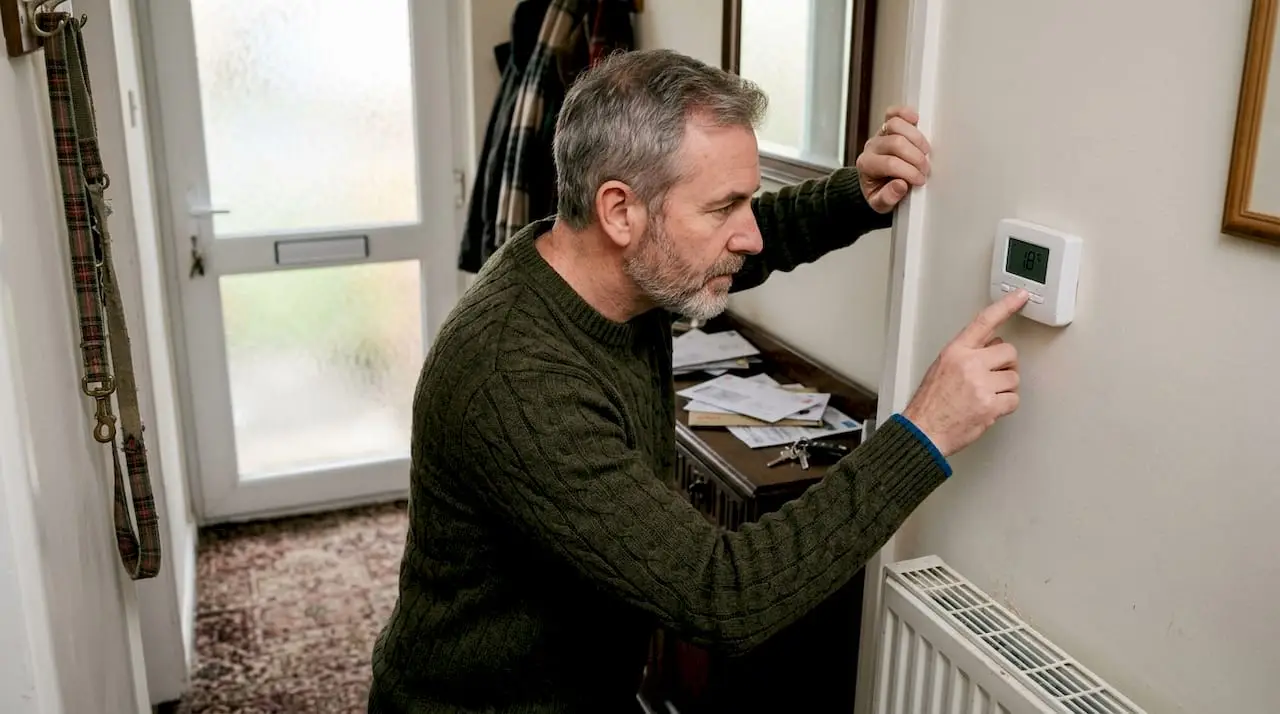
Lowering your thermostat or room temperature by just 1°C represents the single most effective behavioural change for energy savings. This simple adjustment reduces heating bills by approximately £145 yearly for the average UK household, with no upfront cost. The savings stem from reduced boiler runtime and lower fuel consumption across the heating season. Most occupants adapt quickly to the slightly cooler temperature, particularly when wearing appropriate indoor clothing. You can implement this change immediately by adjusting your room thermostat or smart heating controls.
Draught-proofing doors and windows offers exceptional value, with materials costing just £10-30 delivering annual savings of £125. Foam strips, brush seals, and keyhole covers prevent cold air infiltration and warm air escape, reducing the heating load substantially. Installation takes a few hours for most homes, requiring only basic tools and following expert draught-proofing guidance. Focus on external doors, windows, letterboxes, and loft hatches where draughts are most noticeable. This measure particularly benefits older properties with single-glazed windows or poorly fitted frames.
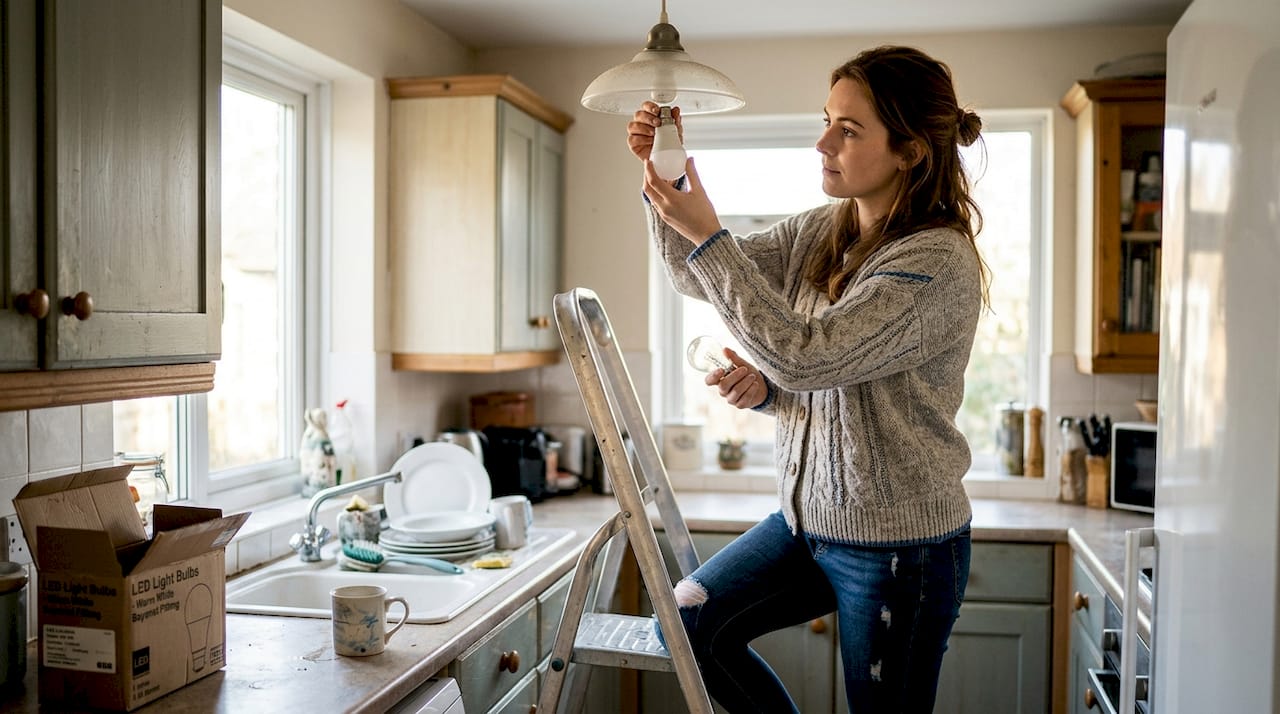
Switching all bulbs to LEDs generates savings of £180 yearly, with bulbs now costing under £2 each. LEDs use 75% less electricity than traditional incandescent bulbs whilst lasting 15-25 times longer, eliminating frequent replacement costs. The payback period is typically under two months, making this the fastest return on investment among all energy measures. Replace high-use bulbs first, such as those in living rooms, kitchens, and hallways, to maximise savings quickly. Modern LEDs offer excellent colour rendering and instant brightness without the warm-up period of older energy-saving bulbs.
Pro Tip: Avoid over-draught-proofing rooms with gas appliances or inadequate ventilation, as this can cause condensation problems and compromise air quality. Maintain trickle vents in windows and ensure extractor fans work properly.
These three measures work synergistically, with reduced heating demand from draught-proofing and temperature reduction complementing the lower electricity consumption from LED lighting. Together, they can cut annual energy bills by £450 or more, depending on property size and current efficiency levels. The combination requires minimal technical expertise whilst delivering professional-grade results. For landlords, these improvements enhance tenant satisfaction and reduce lighting costs without major capital expenditure.
Optimising boiler settings and heating behaviour for more savings
Adjusting your combi boiler’s flow temperature to 55-60°C delivers significant savings whilst maintaining adequate heating performance for most properties. This modification reduces annual costs by approximately £65 through improved condensing efficiency, as lower return temperatures enable the boiler to extract more heat from flue gases. Access your boiler’s control panel and gradually reduce the heating flow temperature over several days, monitoring comfort levels throughout. If rooms feel cooler than desired, increase the setting slightly until you find the optimal balance between savings and comfort.
Setting your hot water maximum temperature to 42°C saves an additional £17 yearly by reducing the energy needed to heat stored water. This temperature remains comfortable for washing and showering whilst preventing scalding risks, particularly important for households with children or elderly residents. Ensure your system maintains at least 60°C in the cylinder periodically to control legionella bacteria, typically through a weekly heat cycle. Most modern combi boilers allow independent control of heating and hot water temperatures through their digital interfaces.
Turning down radiator valves in unused rooms or fitting thermostatic radiator valves generates savings of £78 annually through zone control. TRVs cost £10-15 each and install easily onto existing radiators, allowing room-by-room temperature management. Research shows that reducing heated floor area leads to proportional energy savings, whilst each 1°C reduction cuts heating consumption by 8-9%. Set TRVs to lower temperatures in bedrooms, hallways, and spare rooms, focusing heating where you spend most time.
| Boiler adjustment | Temperature setting | Annual savings | Implementation difficulty |
|---|---|---|---|
| Flow temperature | 55-60°C | £65 | Easy, adjust control panel |
| Hot water maximum | 42°C | £17 | Easy, digital interface |
| Radiator valves | Variable by room | £78 | Moderate, fit TRVs if needed |
| Combined total | Various | £160 | Straightforward DIY project |
Pro Tip: Combine boiler temperature adjustments with behavioural changes like reduced thermostat settings for maximum savings, potentially exceeding £300 yearly when implemented together with draught-proofing.
These heating optimisations require no specialist tools or professional installation, making them ideal for cost-conscious homeowners and landlords. The cumulative effect of multiple small adjustments creates substantial savings whilst maintaining comfort standards. Monitor your energy bills over several months to verify savings and fine-tune settings based on seasonal variations and occupancy patterns. For comprehensive guidance on reducing overall energy consumption, consider how heating optimisation fits within your broader efficiency strategy.
How low-cost measures support compliance for landlords
UK landlords face mandatory requirements to achieve EPC C ratings by 1 October 2030 for all private rental properties under Minimum Energy Efficiency Standards. Non-compliance carries fines up to £30,000 per property, creating substantial financial risk for portfolio landlords with multiple lower-rated properties. The regulations include a cost cap of £10,000 per property, reduced for properties valued under £100,000, limiting the expenditure required to demonstrate reasonable improvement efforts.
Low-cost fabric measures form the foundation of cost-effective compliance strategies, as they improve ratings without approaching the cap. Prioritising loft insulation, cavity wall insulation, and draught-proofing typically delivers 5-15 EPC points collectively, often sufficient to lift D-rated properties to C. These improvements cost £500-2,000 depending on property size and existing conditions, leaving budget headroom for additional measures if needed. Starting with fabric upgrades also reduces heating demand, making any subsequent heating system improvements more effective and better value.
Grant schemes significantly reduce compliance costs for eligible landlords and owner-occupiers. The Energy Company Obligation (ECO4) and Great British Insulation Scheme provide funding for insulation, heating controls, and renewable technologies based on property characteristics and occupant circumstances. These programmes can cover 50-100% of installation costs, effectively removing financial barriers to compliance. Landlords should explore eligibility early, as application processes take several months and installer availability fluctuates seasonally.
“Landlords delaying fabric improvements risk facing compressed timelines, higher costs, and potential fines as the 2030 deadline approaches. Starting with low-cost measures now builds compliance incrementally whilst spreading expenditure across multiple financial years.”
Strategic compliance planning should address:
- Current EPC ratings across your portfolio and gap to C standard
- Priority properties based on tenant turnover and re-letting schedules
- Building envelope improvements offering best rating gains per pound spent
- Grant eligibility and application timing to maximise funding
- Alignment with broader building regulations requirements for renovations
Combining low-cost DIY measures with grant-funded professional installations creates the most economical compliance pathway. Landlords can implement LED lighting, draught-proofing, and heating controls independently, then use grants for insulation and heating system upgrades requiring specialist contractors. This hybrid approach minimises out-of-pocket costs whilst demonstrating proactive compliance efforts to tenants and regulators. Regular EPC reassessments track progress and identify remaining gaps before the deadline.
Explore effective home energy solutions with Home Energy Model
Home Energy Model provides expert resources tailored specifically for UK landlords and homeowners navigating energy efficiency improvements and compliance requirements. Our comprehensive guides explain different types of energy models and their applications, helping you understand which assessment approaches suit your property portfolio and improvement goals. Whether you’re planning minor upgrades or major renovations, understanding how energy simulations predict performance outcomes ensures you invest wisely in measures delivering genuine savings and rating improvements.
Exploring how the Home Energy Model works reveals the methodology replacing SAP assessments from 2025, providing insights into how future EPC ratings will be calculated. This knowledge helps you anticipate regulatory changes and align your improvement strategy with upcoming standards. Professional energy assessments combined with the low-cost practical tips outlined in this guide create a powerful approach to reducing bills, enhancing comfort, and achieving compliance efficiently.
Pro Tip: Use professional energy modelling to identify which combination of low-cost measures will most effectively improve your EPC rating before spending on upgrades, ensuring every pound contributes towards compliance.
Visit Home Energy Model to access detailed guides, calculators, and resources supporting your energy efficiency journey. Our platform bridges technical knowledge with practical implementation advice, empowering property owners to make informed decisions about improvements that deliver lasting value.
FAQ
What are the easiest low-cost ways to save energy in my home?
Lowering your thermostat by 1°C saves approximately £145 yearly with zero upfront cost, making it the simplest immediate action. Draught-proofing doors and windows costs just £10-30 and delivers £125 annual savings through reduced heat loss. Switching to LED bulbs saves £180 yearly and pays back within weeks, requiring only basic bulb replacement skills.
How can landlords prepare for the EPC C requirement by 2030?
Focus on fabric improvements like loft insulation, cavity wall insulation, and draught-proofing first, as these deliver substantial EPC rating gains within the £10,000 cost cap. Apply for ECO4 or Great British Insulation Scheme grants early to reduce out-of-pocket costs significantly. Start with lowest-rated properties and those approaching tenant turnover to spread expenditure across multiple years whilst building compliance incrementally.
Will lowering my boiler temperature affect my home’s comfort?
Reducing flow temperature to 55-60°C maintains adequate heating for most UK properties whilst improving boiler efficiency and saving £65 annually. Test changes gradually over several days, monitoring room temperatures and adjusting upwards slightly if needed. Using thermostatic radiator valves provides room-by-room control, ensuring comfort in main living areas whilst reducing heating in less-used spaces.
Are energy-saving LEDs truly worth the upfront cost?
LEDs save approximately £180 yearly for average households through 75% lower electricity consumption compared to traditional bulbs. With bulbs now costing under £2 each and lasting 15-25 times longer, the payback period is typically under two months. The combination of immediate bill reduction, eliminated replacement costs, and improved light quality makes LEDs the highest-return energy investment available.