
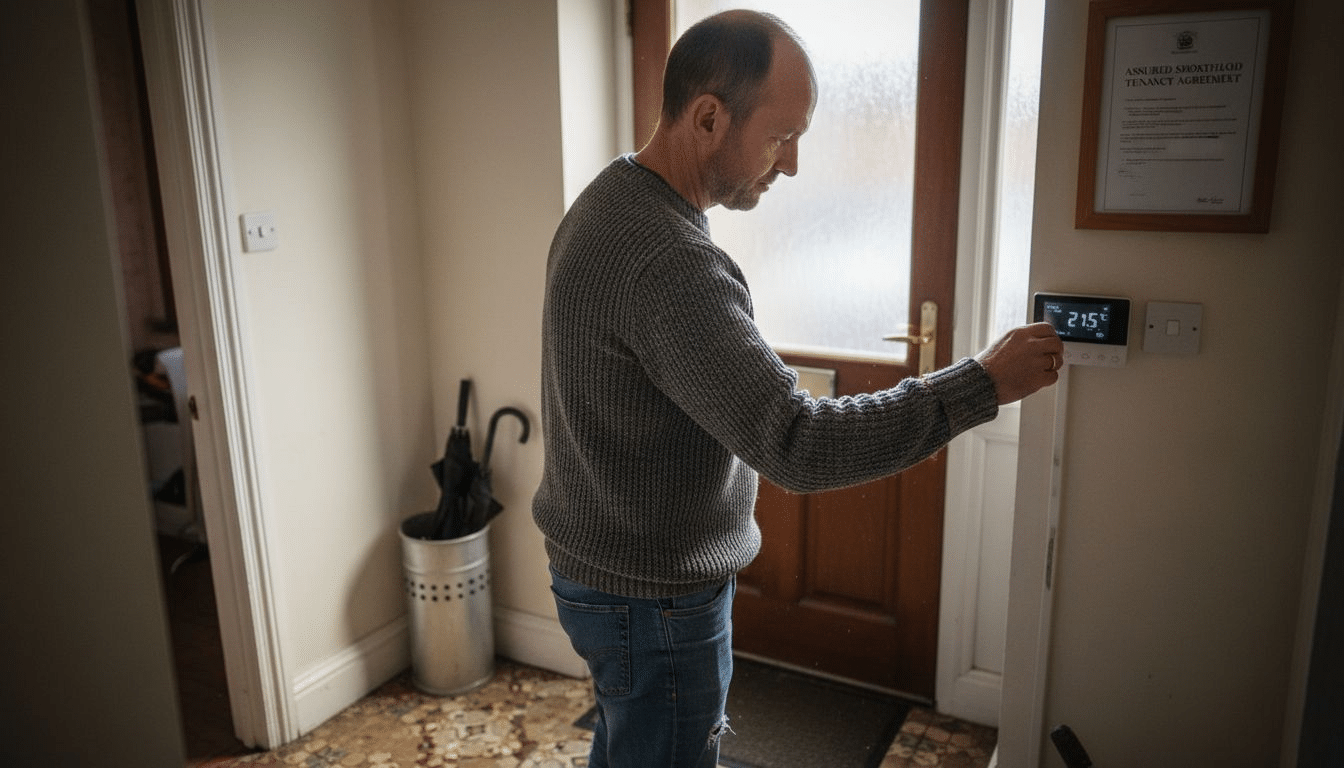
Heating costs continue to climb for British rental properties, and with the 2025 Home Energy Model deadline approaching, landlords face growing pressure to boost energy efficiency. An estimated 40% of building heat is lost due to outdated systems and poor insulation. UK landlords can stay ahead by adopting practical strategies that streamline property upgrades, slash bills, and increase tenant satisfaction before new regulations take effect.
Table of Contents
- 1. Upgrade to Smart Thermostats for Better Control
- 2. Improve Insulation in Walls and Lofts
- 3. Seal Draughts Around Doors and Windows
- 4. Service and Bleed Radiators Regularly
- 5. Install Energy-Efficient Heating Systems
- 6. Fit Thermostatic Valves to Radiators
- 7. Educate Tenants on Energy Saving Habits
Quick Summary
| Key Message | Explanation |
|---|---|
| 1. Upgrade to Smart Thermostats | Smart thermostats enable remote heating management, reducing energy costs by up to 20%. |
| 2. Improve Insulation in Properties | Effective insulation can minimise heat loss by up to 35%, enhancing tenant comfort and lowering bills. |
| 3. Implement Draught-Proofing | Sealing gaps can reduce heating costs by up to 20% and improve energy efficiency significantly. |
| 4. Regularly Maintain Radiators | Annual radiator servicing ensures efficient heating, potentially cutting heating bills by up to 10%. |
| 5. Educate Tenants on Energy Conservation | Providing practical energy-saving guidance encourages more efficient use of heating, leading to lower utility costs. |
1. Upgrade to Smart Thermostats for Better Control
Landlords seeking efficient heating management now have a powerful ally in smart thermostats. These innovative Wi-Fi enabled devices represent a significant leap forward in home energy control, offering unprecedented flexibility and potential cost savings.
Smart thermostats go far beyond traditional programmable systems by providing remote heating management through smartphone apps and intelligent scheduling. By learning and adapting to household patterns, these devices can automatically adjust temperatures to minimise unnecessary energy consumption.
The key benefits for UK landlords include precise temperature control, reduced energy waste, and potential savings of up to 20% on heating bills. Tenants appreciate the convenience of controlling their heating remotely, while landlords benefit from increased property efficiency and lower overall energy expenditure.
Implementing smart thermostats requires strategic planning. Choose models compatible with your existing heating system, ensuring easy installation and integration. Consider versions with features like geofencing, which automatically adjusts temperatures based on occupancy, and energy reporting to track consumption patterns.
Pro tip: When selecting a smart thermostat, prioritise models that provide detailed energy usage reports and can integrate with multiple rental properties for streamlined management.
2. Improve Insulation in Walls and Lofts
Loft and wall insulation represent a strategic investment for UK landlords seeking to minimise heating costs and improve property energy efficiency. Effective thermal barriers can dramatically reduce heat loss and create more comfortable living environments for tenants.
The science behind insulation is straightforward: by preventing heat transfer through walls and roofing, landlords can significantly lower energy consumption. Spray foam insulation offers an advanced method of creating comprehensive thermal barriers that seal gaps and reduce thermal bridging.
Understanding the potential impact is crucial. Proper wall and loft insulation can reduce heat loss by up to 35%, translating into substantial energy bill reductions. The Great British Insulation Scheme highlights the national importance of improving residential thermal efficiency, particularly for rental properties.
Practical implementation involves several approaches: professional spray foam installation, traditional fibreglass batting, or modern rigid board insulation. Landlords should consider factors like property age, construction type, and existing thermal performance when selecting an insulation strategy.
Pro tip: Obtain professional energy performance assessments before insulation projects to identify the most cost effective thermal improvement approaches for your specific property.
3. Seal Draughts Around Doors and Windows
Draught-proofing represents a simple yet powerful strategy for UK landlords looking to enhance property energy efficiency and reduce heating costs. Small gaps around doors and windows can lead to significant heat loss, undermining thermal performance and increasing energy expenditure.
Draught-proofing techniques offer landlords multiple approaches to minimise heat escape. Effective methods include applying adhesive foam strips, installing brush seals on door edges, and using specialist window draught excluders to block unwanted air movement.
The potential energy savings are substantial. Professional draught elimination strategies can reduce heating costs by up to 20%, making this a cost effective intervention for rental properties. Tenants benefit from improved comfort, while landlords see reduced energy consumption and enhanced property value.
Implementation involves a systematic approach: inspect window frames, door edges, letterboxes, and any structural openings for potential air leakage points. Choose appropriate sealing materials based on the specific property characteristics, considering factors like building age, construction type, and existing insulation.
Pro tip: Conduct draught-proofing assessments during seasonal transitions to identify and seal potential heat loss points before winter arrives.
4. Service and Bleed Radiators Regularly
Maintaining an efficient heating system requires more than simply turning on the thermostat. Regular radiator servicing and bleeding represent crucial practices for UK landlords aiming to optimise heating performance and reduce energy expenditure.
Bleeding radiators involves removing trapped air pockets that prevent proper hot water circulation. These air bubbles create cold spots and force heating systems to work harder, leading to unnecessary energy consumption and increased utility costs.
The process is straightforward but critical. Air naturally accumulates in radiator systems over time, creating barriers that prevent hot water from distributing evenly. By releasing trapped air, landlords can ensure radiators heat quickly and uniformly, potentially reducing heating bills by up to 10% and improving overall system efficiency.
Implementation requires a systematic approach. Landlords should schedule annual radiator bleeding before winter, using a radiator key to release air from the valve. Tenants can be trained to recognise signs of air accumulation such as uneven heating or cold patches at the top of radiators.
Pro tip: Consider creating a standardised maintenance checklist for your rental properties that includes annual radiator servicing to ensure consistent heating system performance.
5. Install Energy-Efficient Heating Systems
Modern UK landlords face increasing pressure to upgrade heating infrastructure to meet evolving energy efficiency standards. Investing in contemporary heating technologies offers substantial benefits in reducing operational costs and improving property value.
The landscape of heating solutions has transformed dramatically, with air source heating technologies emerging as a particularly promising option for rental properties. These systems extract thermal energy from outside air, converting it into usable heat with remarkable efficiency, often achieving performance levels three times more effective than traditional gas boilers.
Contemporary heating systems present multiple advantages. They typically consume less electricity, generate lower carbon emissions, and provide more consistent temperature control. Options like heat pumps, condensing boilers, and solar thermal systems can significantly reduce energy expenditure while meeting stringent UK building regulations.
Strategic implementation requires careful consideration of property characteristics. Factors such as building age, insulation quality, and existing infrastructure will determine the most suitable energy efficient heating solution. Landlords should prioritise systems with high efficiency ratings and compatibility with renewable energy technologies.
Pro tip: Consult a professional energy assessor to conduct a comprehensive property evaluation before selecting and installing new heating infrastructure.
6. Fit Thermostatic Valves to Radiators
Thermostatic radiator valves represent a sophisticated solution for landlords seeking granular control over heating efficiency and tenant comfort. These intelligent devices offer precise temperature management across different rooms in rental properties.
Thermostatic radiator valves automatically regulate hot water flow based on ambient room temperature, enabling unprecedented heating system control. They can potentially reduce energy consumption by up to 17%, presenting a compelling investment for property owners committed to energy efficiency.
The mechanism is remarkably straightforward. These self-adjusting valves sense room temperature and modulate water flow into radiators accordingly, preventing unnecessary heating and enabling tenants to maintain personalised comfort levels. By balancing radiator performance, landlords can create more responsive and economical heating environments.
Implementation involves careful selection and professional installation. Landlords should choose valves compatible with existing heating systems, considering factors such as radiator size, room usage, and overall property layout. Proper positioning and calibration are crucial for maximising energy saving potential.
Pro tip: Select thermostatic valves with clear numerical settings to help tenants easily understand and adjust their individual room temperatures.
7. Educate Tenants on Energy Saving Habits
Successful energy management in rental properties extends far beyond infrastructure improvements. Landlords play a crucial role in empowering tenants with knowledge that can dramatically reduce heating costs and improve overall energy efficiency.
Smart meters provide an excellent foundation for tenant education by offering real-time energy consumption feedback. These devices transform abstract energy usage into tangible information, helping tenants understand and modify their heating behaviour.
Effective tenant education involves creating comprehensive guidance materials that outline practical energy saving strategies. Key recommendations include setting heating timers strategically, maintaining consistent but moderate temperatures, and understanding how individual actions impact overall energy consumption. Landlords might consider providing written guides, hosting brief information sessions, or developing digital resources that explain energy efficiency principles.
Communication is paramount. Tenants are more likely to adopt energy saving habits when they understand the direct benefits: lower utility bills, reduced environmental impact, and improved living comfort. Offering clear, practical advice transforms energy efficiency from an abstract concept into a personal opportunity.
Pro tip: Create a simple, visually appealing energy saving guide that tenants can easily reference, highlighting the most impactful behaviours with estimated cost savings.
Below is a comprehensive table summarising the key advice provided in the article regarding energy efficiency improvements for UK rental properties.
Take Control of Heating Costs with the Right Energy Solutions
UK landlords face the pressing challenge of reducing heating expenses while improving property energy efficiency. From upgrading to smart thermostats to sealing draughts, each step demands informed decisions that align with evolving energy standards like the upcoming Home Energy Model (HEM). Understanding these concepts and implementing effective measures can be overwhelming but is essential for meeting the Future Homes Standard in 2025.
Unlock your property’s full energy potential now by exploring reliable resources and up-to-date guidance at homeenergymodel.co.uk . Discover how the HEM will impact Energy Performance Certificates and learn practical ways to ensure your rental properties stay compliant and cost efficient. Take action today and equip yourself with expert insights to cut heating costs effectively and future-proof your investment. Visit https://homeenergymodel.co.uk to start transforming your energy management strategy and secure long term savings.
Frequently Asked Questions
How can I reduce heating costs with smart thermostats?
Smart thermostats can effectively reduce heating costs by learning household patterns and adjusting temperatures accordingly, potentially saving you up to 20% on heating bills. Implement one by selecting a model that is compatible with your existing system and downloading the necessary app to manage settings remotely.
What are the steps to improve insulation in my rental properties?
To improve insulation, consider methods like spray foam or rigid board insulation, which can reduce heat loss by up to 35%. Start by obtaining a professional energy performance assessment to identify the best insulation approach for your property type.
How can I effectively draught-proof my rental units?
Draught-proofing can significantly cut heating costs, with savings of around 20% possible through proper sealing of gaps around doors and windows. Inspect all entry points for air leaks and use adhesive foam strips or brush seals to create a tight seal.
What maintenance should I perform on radiators to optimise heating?
Regularly bleeding radiators can enhance heating performance and potentially lower heating bills by 10%. Schedule this maintenance annually before winter to ensure that air pockets are removed and heat circulates evenly throughout the system.
What energy-efficient heating systems should I consider?
Modern heating systems like heat pumps can be three times more efficient than traditional boilers and help lower operational costs. Evaluate your property’s infrastructure and consider upgrading to a system with a high efficiency rating to maximise savings.
How can I educate my tenants about saving energy?
Providing tenants with clear, practical guidance on energy-saving habits can lead to lower utility bills and improved living comfort. Create an easy-to-read energy-saving guide that highlights effective practices and potential savings to encourage tenant participation.