
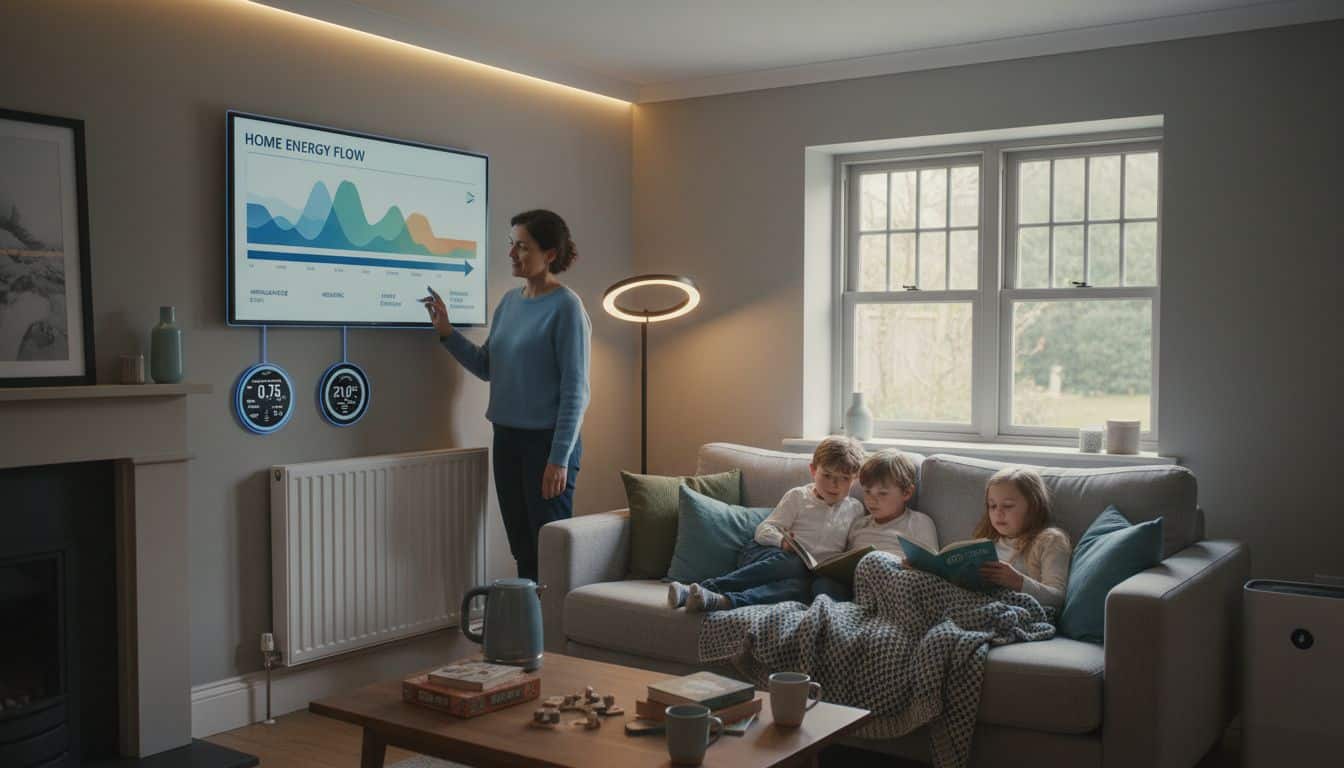
Over half of british homes spend the largest share of their energy budget on heating alone, highlighting just how substantial domestic energy use can be. Managing power consumption in the home has taken on new importance as costs climb and environmental concerns grow. Understanding the main factors driving energy demand gives residents the tools to lower bills, improve efficiency, and support a greener future for the british community.
Table of Contents
- Defining Domestic Energy Use And Key Concepts
- Types Of Domestic Energy Consumption Explained
- How Energy Is Measured And Tracked In Homes
- UK Legal Standards For Home Energy Use
- Costs, Incentives And Future Regulations
Key Takeaways
| Point | Details |
|---|---|
| Domestic energy use is multifaceted | It includes electricity, heating, and hot water, influenced by dwelling characteristics, occupant behaviours, and infrastructure. |
| Space heating is the largest energy consumer | It accounts for approximately 60-70% of total household energy expenditure, making it a key target for efficiency improvements. |
| Advanced technologies enhance energy management | Smart metres and real-time monitoring tools empower homeowners to track and manage their energy consumption effectively. |
| Compliance with legal standards is essential | Understanding and meeting regulations for energy efficiency not only helps reduce carbon emissions but also protects consumers from high energy costs. |
Defining Domestic Energy Use and Key Concepts
Domestic energy use represents the total electricity, heating, and power consumption within residential properties across the United Kingdom. According to research from Commons Library, household energy consumption involves complex interactions between dwelling characteristics, occupant behaviours, and infrastructure systems.
At its core, domestic energy use encompasses multiple critical components. These include electricity consumption for appliances and lighting, heating systems powered by gas or electricity, hot water generation, and additional power requirements for home technologies. The Science Direct study highlights that real-life energy consumption patterns are significantly influenced by factors such as:
- Dwelling size and construction
- Number of occupants
- Household income levels
- Types of electrical appliances
- Insulation quality
- Heating system efficiency
Understanding these nuanced elements becomes crucial for homeowners seeking to manage energy consumption effectively. By recognising how different variables interact, individuals can make informed decisions about energy efficiency, reduce unnecessary expenditure, and contribute to broader environmental sustainability goals. For more detailed insights into energy terminology and usage patterns, explore our domestic energy terminology guide.
Modern domestic energy use is increasingly complex, driven by technological advancements and growing environmental consciousness. Residents now have unprecedented opportunities to monitor, manage, and minimise their energy consumption through smart metres, energy performance tracking, and targeted efficiency interventions. These technological solutions empower homeowners to transform their relationship with energy, moving from passive consumers to active managers of their residential power ecosystem.
Types of Domestic Energy Consumption Explained
Domestic energy consumption in the United Kingdom encompasses a diverse range of energy uses within residential properties. According to research from Gov.uk, household energy consumption can be comprehensively broken down into several critical categories that represent the total energy demand of British homes.
The primary types of domestic energy consumption include:
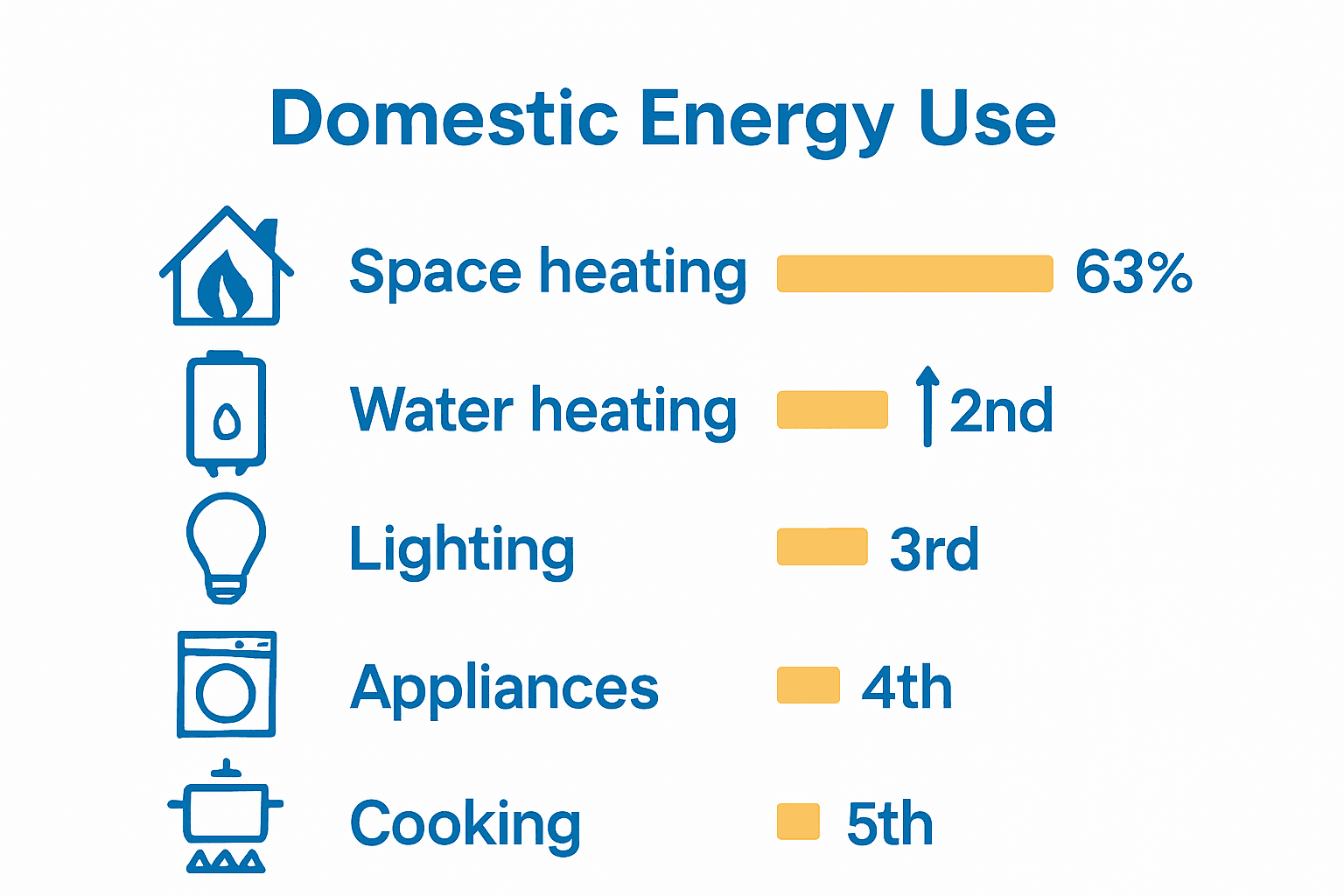
- Space Heating: Representing the largest proportion of domestic energy use
- Water Heating: Essential for daily household activities
- Lighting: Powering internal and external illumination
- Electrical Appliances: Covering kitchen equipment, entertainment systems, and domestic technology
- Cooking: Energy consumed through food preparation methods
Research from Eprints Nottingham indicates that space heating dominates domestic energy consumption, accounting for approximately 60-70% of total household energy expenditure. Water heating follows as the second most significant energy consumer, highlighting the substantial energy requirements for maintaining comfortable living environments.
Understanding these consumption categories enables homeowners to develop targeted strategies for energy efficiency. By identifying specific areas of high energy use, residents can implement precise interventions such as improved insulation, energy-efficient appliances, and smart heating controls. For more comprehensive insights into optimising home energy consumption, explore our guide to efficient appliances for energy-smart homes.
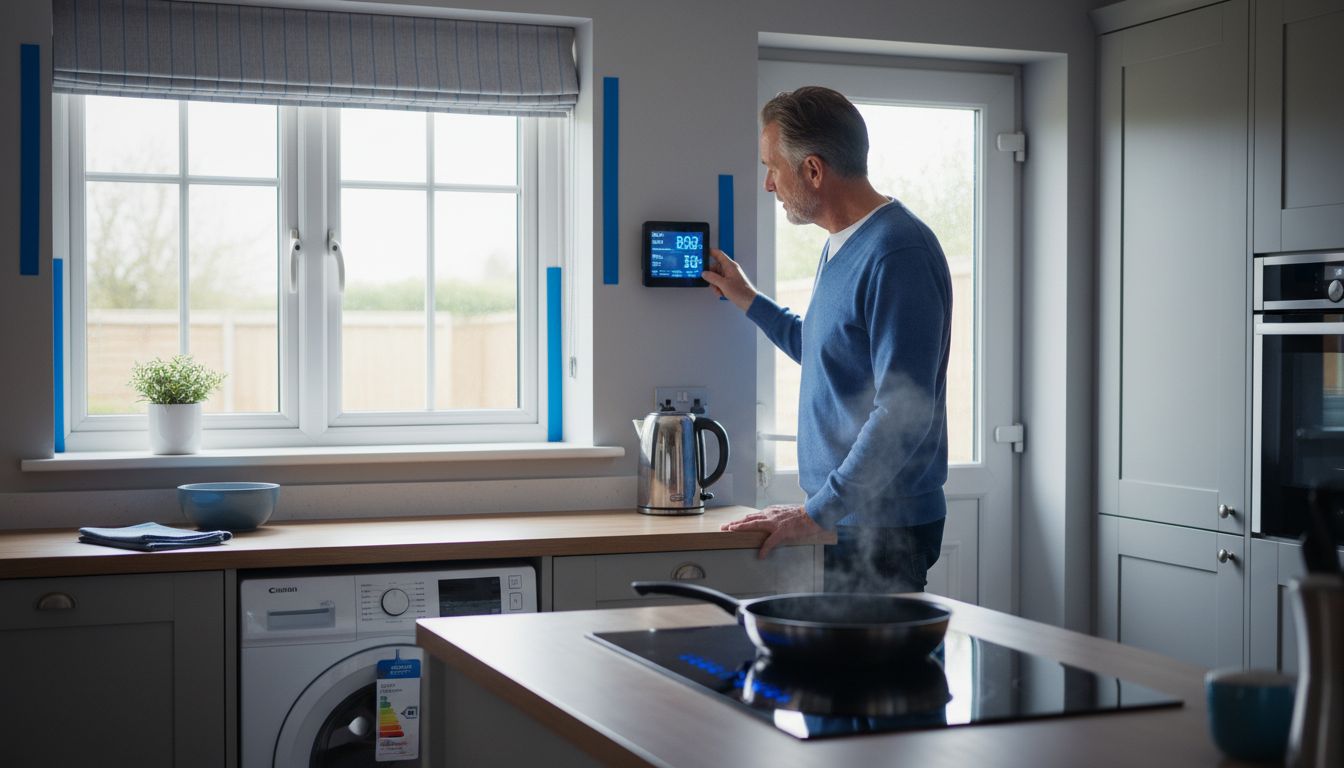
Modern domestic energy management goes beyond simple consumption tracking. Technological advancements now provide homeowners with sophisticated tools to monitor, analyse, and reduce their energy footprint. Smart metres, real-time energy monitoring systems, and intelligent home technologies are transforming how British households understand and control their energy consumption, empowering residents to make informed, sustainable choices.
How Energy Is Measured and Tracked in Homes
Measuring and tracking domestic energy consumption requires sophisticated methodologies that capture the intricate details of household energy use. According to research from Gov.uk, energy measurement in British homes involves comprehensive data collection techniques that analyse consumption patterns across multiple dimensions.
The primary methods of energy tracking include:
- Smart Metres: Real-time energy consumption monitoring
- Energy Performance Certificates (EPCs): Assessing property energy efficiency
- Utility Bill Analysis: Tracking historical energy consumption
- Digital Energy Monitoring Systems: Providing detailed consumption insights
- Building Characteristic Assessments: Evaluating structural energy performance
Research from arXiv demonstrates that effective energy tracking integrates multiple data points, including:
- Climate conditions
- Building structural characteristics
- Urbanisation levels
- Environmental factors
- Socio-demographic information
Understanding these measurement techniques empowers homeowners to develop targeted energy efficiency strategies. By leveraging advanced tracking technologies, residents can identify consumption patterns, recognise potential energy-saving opportunities, and make informed decisions about their domestic energy use. For practical strategies to reduce energy consumption, explore our 7 smart home energy saving habits guide.
Technological advancements are revolutionising domestic energy tracking, transforming how British households understand and manage their energy consumption. Intelligent monitoring systems, coupled with machine learning algorithms, now provide unprecedented insights into energy use, enabling homeowners to create more sustainable, cost-effective living environments through precise, data-driven interventions.
UK Legal Standards for Home Energy Use
Legal standards for home energy use in the United Kingdom represent a comprehensive framework designed to improve energy efficiency and reduce carbon emissions across residential properties. According to Wikipedia, the Energy Act 2011 serves as a cornerstone legislation establishing critical guidelines for domestic energy consumption and environmental responsibility.
The primary legal standards for home energy use encompass several key regulatory areas:
- Building Regulations: Minimum energy performance requirements for new and renovated properties
- Energy Performance Certificates (EPCs): Mandatory assessments of property energy efficiency
- Minimum Energy Efficiency Standards (MEES): Legal requirements for rental properties
- Carbon Emission Reduction Targets: National goals for residential energy consumption
- Renewable Energy Integration: Mandates for sustainable energy technologies
These legal standards aim to achieve multiple critical objectives, including:
- Reducing overall carbon emissions
- Improving residential energy efficiency
- Protecting consumers from high energy costs
- Promoting sustainable housing technologies
- Supporting the UK’s net-zero carbon commitments
For property owners and landlords, understanding these legal frameworks is crucial. Compliance involves not just meeting minimum standards, but proactively implementing energy-efficient solutions. To gain deeper insights into navigating these complex regulations, explore our comprehensive guide to UK building regulations for energy.
The evolving landscape of home energy regulation reflects the UK’s commitment to addressing climate change through progressive legislative measures. As technologies advance and environmental challenges become more pressing, these legal standards will continue to adapt, driving innovation and sustainability in domestic energy consumption across British households.
Costs, Incentives and Future Regulations
The landscape of domestic energy use in the United Kingdom is rapidly evolving, with a complex interplay of costs, government incentives, and forward-looking regulations shaping homeowner strategies. According to Wikipedia, the Great British Insulation Scheme represents a pivotal government initiative designed to reduce household energy expenses and improve overall residential energy efficiency.
Key financial considerations and incentives for UK homeowners include:
- Government Grants: Direct financial support for energy efficiency upgrades
- Tax Relief Programmes: Tax benefits for sustainable home improvements
- Renewable Energy Subsidies: Financial incentives for implementing green technologies
- Low-Interest Green Loans: Affordable financing for energy-efficient renovations
- Energy Bill Reduction Schemes: Programmes to lower long-term energy expenditure
Historically, regulatory frameworks like the CRC Energy Efficiency Scheme have demonstrated the UK’s commitment to comprehensive carbon emission reduction strategies. These evolving regulations target not just large organisations, but increasingly focus on residential energy consumption patterns and efficiency improvements.
For property owners seeking to navigate these complex financial landscapes, understanding the nuanced interplay between costs, incentives, and regulations becomes crucial. To gain deeper insights into making financially sound energy upgrade decisions, explore our comprehensive guide to cost versus benefit energy upgrades.
The future of domestic energy regulation in the UK promises continued innovation, with emerging technologies and progressive policy frameworks driving a transformative approach to residential energy management. Homeowners can anticipate increasingly sophisticated incentive structures, more stringent efficiency standards, and unprecedented opportunities to reduce both environmental impact and household energy expenditure.
Take Control of Your Home Energy Use with Expert Guidance
Domestic energy use in the UK comes with many challenges including understanding varied consumption types, legal standards, and the future shift to new assessment methods. If you are a homeowner, landlord or property investor looking to reduce bills and meet rising energy regulations you need clear, practical solutions now. The article highlights key issues such as complex energy terminology, the importance of tracking consumption and preparing for the Home Energy Model (HEM) that replaces SAP in 2025.
Discover how you can confidently navigate this evolving energy landscape by visiting homeenergymodel.co.uk. Gain detailed insights about the upcoming HEM methodology, Energy Performance Certificates (EPCs) and effective strategies for improving your property’s energy performance. Act now to stay ahead of compliance demands and unlock cost savings through smarter energy management with our expert advice and step-by-step guidance. Visit Understand the Home Energy Model and equip yourself to make informed decisions that protect your home and pocket.
Frequently Asked Questions
What is domestic energy use?
Domestic energy use refers to the total electricity, heating, and power consumption within residential properties, involving factors like dwelling characteristics, occupant behaviours, and infrastructure systems.
How is domestic energy consumption measured?
Domestic energy consumption is measured using methods such as smart metres for real-time monitoring, Energy Performance Certificates (EPCs) to assess energy efficiency, and utility bill analysis to track usage over time.
What are the main types of domestic energy consumption?
The main types of domestic energy consumption include space heating, water heating, lighting, electrical appliances, and cooking, with space heating accounting for the largest proportion of energy use.
What legal standards govern home energy use?
Legal standards for home energy use include building regulations for energy performance, mandatory Energy Performance Certificates (EPCs), Minimum Energy Efficiency Standards (MEES) for rental properties, and carbon emission reduction targets aimed at promoting energy efficiency.