
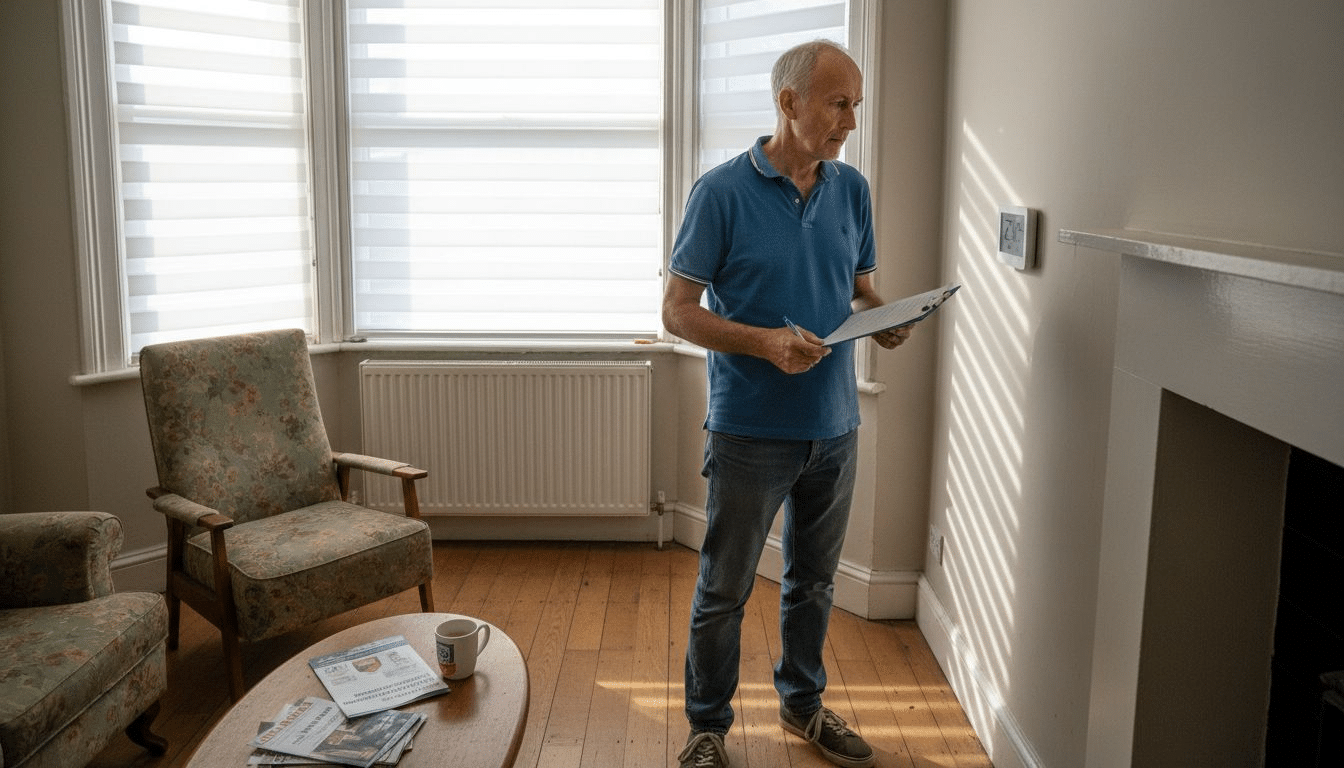
Keeping your rental property comfortable and cost effective during the British summer can feel like a constant challenge. Rising temperatures and shifting weather patterns often put extra pressure on energy usage, leading to higher bills and potential discomfort for tenants. As a landlord, finding reliable, proven ways to manage summer energy demands is key to protecting your investment and delivering a positive living experience.
The right strategies can help you cut energy waste, maintain consistent indoor temperatures, and reduce unnecessary expenses. With practical solutions grounded in current building regulations and expert guidance, you can confidently optimise your property’s summer performance. Get ready to discover simple yet powerful measures that will put you firmly in control of your summer energy costs.
Table of Contents
- Understand Your Building’s Summer Energy Profile
- Improve Insulation to Keep Properties Cool
- Maximise Natural Ventilation and Airflow
- Upgrade to Efficient Cooling and Appliances
- Implement Smart Thermostat Controls
- Use Shading and Blinds to Reduce Heat Gain
- Monitor Water Use for Additional Savings
Quick Summary
| Takeaway | Explanation |
|---|---|
| 1. Assess Your Energy Profile | Understand your building’s thermal characteristics to pinpoint energy loss areas and enhance efficiency. Regular assessments lead to better energy management. |
| 2. Upgrade Insulation Effectively | Implement advanced insulation techniques to significantly decrease unwanted heat gain, improving indoor comfort and reducing energy costs by up to 70 percent. |
| 3. Maximise Natural Ventilation | Use strategic window placement and airflow techniques to reduce indoor temperatures, lowering reliance on mechanical cooling and saving energy. |
| 4. Invest in Energy-efficient Technologies | Upgrade to modern cooling systems and smart appliances to cut energy consumption by up to 40 percent, enhancing overall energy efficiency in your property. |
| 5. Monitor Water Usage | Implement smart water monitoring systems to identify usage patterns and reduce costs, supporting both financial savings and environmental sustainability. |
1. Understand Your Building’s Summer Energy Profile
Successfully managing your property’s energy consumption during summer requires a strategic approach that begins with understanding your building’s unique energy profile. By comprehensively analysing how your property utilises and loses energy, landlords can implement targeted strategies to enhance efficiency and reduce unnecessary expenditure.
Buildings have distinct thermal characteristics that significantly impact their summer energy performance. These characteristics are influenced by several key factors:
- Building materials and insulation quality
- Architectural design and orientation
- Window types and glazing efficiency
- Heating and cooling system configurations
- Local microclimate conditions
Landlords can obtain a detailed understanding of their property’s energy profile by reviewing home energy use data and consulting Energy Performance Certificates (EPC). These documents provide comprehensive insights into a building’s thermal performance and potential energy loss points.
A thorough summer energy profile assessment helps landlords identify opportunities for targeted energy conservation measures.
Important considerations include assessing solar gain, ventilation effectiveness, and thermal mass properties. Properties with high thermal mass (like brick or stone structures) tend to maintain more stable temperatures during summer, potentially reducing cooling energy requirements.
Thermal mapping can reveal specific areas of heat transfer and inefficiency. Modern thermal imaging technologies enable precise identification of insulation gaps, window seal deterioration, and potential energy leakage points.
Expert recommendation: Conduct a professional energy assessment annually to track your building’s evolving thermal performance and identify emerging efficiency opportunities.
2. Improve Insulation to Keep Properties Cool
Effective insulation represents a critical strategy for landlords seeking to maintain comfortable property temperatures while minimising energy consumption during summer months. By implementing strategic insulation approaches, property owners can significantly reduce heat transfer and create more thermally stable living environments.
Insulation functions as a crucial thermal barrier that prevents unwanted heat gain during summer. Key insulation zones include:
- Roof and attic spaces
- External wall cavities
- Floors and ground level areas
- Windows and door frames
Modern insulation technologies provide multiple benefits beyond temperature regulation. Home insulation tips demonstrate how strategic material selection can dramatically improve a property’s thermal performance.
Effective insulation reduces summer heat gain by up to 70 percent in residential properties.
Landlords should consider materials with high thermal resistance values such as mineral wool, expanded polystyrene, and reflective foil insulations. These materials create barriers that slow heat transfer and maintain more consistent internal temperatures.
Retrofitting insulation offers significant advantages for older properties. By addressing gaps in existing thermal protection, landlords can enhance energy efficiency and potentially increase property value.
Expert recommendation: Arrange professional thermal imaging surveys every two years to identify and address potential insulation weaknesses in your property portfolio.
3. Maximise Natural Ventilation and Airflow
Natural ventilation represents a sophisticated yet cost-effective strategy for maintaining comfortable indoor temperatures during summer months. By understanding and strategically implementing airflow principles, landlords can significantly reduce reliance on mechanical cooling systems.
Effective natural ventilation depends on understanding fundamental air movement principles:
- Wind pressure differences
- Temperature gradient variations
- Strategic window and opening placement
- Thermal buoyancy effects
Home ventilation techniques demonstrate how intelligent design can create passive cooling mechanisms without substantial infrastructure investments.
Proper natural ventilation can reduce indoor temperatures by up to 4-5 degrees Celsius during summer months.
Cross ventilation strategies are particularly effective for properties. This involves creating intentional air pathways by strategically opening windows on opposite sides of a building, allowing cool air to enter and warm air to exit.
Architectural considerations play a crucial role in maximising natural airflow. Factors such as window size, orientation, and surrounding landscape can dramatically influence a property’s ventilation efficiency.
Key ventilation design principles include:
- Positioning windows to capture prevailing wind directions
- Using high and low window placements to encourage air circulation
- Installing adjustable window treatments for precise airflow control
- Considering external landscape features that might block or channel air movement
Expert recommendation: Conduct a professional airflow assessment to identify your property’s unique ventilation characteristics and optimal cooling strategies.
4. Upgrade to Efficient Cooling and Appliances
Summer energy management requires strategic investment in modern cooling technologies and energy-efficient appliances. Landlords can dramatically reduce electricity consumption and operational costs by selecting intelligent, performance-driven equipment.
Effective appliance upgrades focus on several critical areas:
- Air conditioning systems
- Refrigeration units
- Lighting technologies
- Smart temperature control mechanisms
- Energy monitoring devices
Efficient appliance strategies demonstrate significant potential for reducing summer energy expenditure.
Modern cooling technologies can reduce energy consumption by up to 40 percent compared to legacy systems.
Cooling system efficiency depends on selecting appropriate technologies tailored to specific property requirements. Heat pumps and inverter-based air conditioning units offer superior performance with lower energy demand.
Electrical appliance selection should prioritise:
- Minimum A+++ energy ratings
- Intelligent temperature management capabilities
- Low standby power consumption
- Advanced thermal regulation technologies
Smart thermostats and zonal cooling systems enable precise temperature control, allowing landlords to optimise energy consumption across different property areas.
Expert recommendation: Conduct an annual energy audit to identify potential appliance upgrade opportunities and track performance improvements.
5. Implement Smart Thermostat Controls
Smart thermostat technology represents a revolutionary approach to energy management for landlords seeking precise temperature control and significant cost reductions. These intelligent devices transform traditional heating and cooling systems into adaptive, responsive networks that optimise energy consumption.
Smart thermostat capabilities include:
- Remote temperature monitoring
- Adaptive learning algorithms
- Zonal heating control
- Automated scheduling
- Energy consumption tracking
Smart thermostat functionality enables landlords to manage property temperatures with unprecedented precision.
Intelligent heating controls can reduce energy consumption by up to 16 percent through optimised scheduling and adaptive technologies.
Key implementation strategies involve selecting systems with comprehensive features such as geofencing, which automatically adjusts temperatures based on occupancy. Multi-zone configurations allow different temperature settings across various property areas, preventing unnecessary energy expenditure.
Modern smart thermostats integrate seamlessly with smartphone applications, providing landlords with real-time monitoring and control capabilities. This technology enables immediate adjustments and detailed energy consumption insights.
Recommended installation considerations:
- Compatibility with existing heating systems
- User-friendly interface design
- Comprehensive mobile application support
- Advanced learning and prediction capabilities
- Integration with broader smart home ecosystems
Expert recommendation: Select smart thermostats with detailed reporting features to track and optimise your property’s energy performance continuously.
6. Use Shading and Blinds to Reduce Heat Gain
Strategic shading represents a sophisticated approach to managing summer heat and reducing cooling energy demands for rental properties. By implementing intelligent solar protection mechanisms, landlords can significantly minimise unwanted heat absorption and maintain comfortable indoor temperatures.
Effective shading strategies encompass multiple techniques:
- External louvres and awnings
- Internal reflective blinds
- Architectural window treatments
- Dynamic solar control glass
- Landscaping for natural shade
Shading design solutions provide critical insights into reducing summer heat gain.
Intelligent shading can reduce cooling energy requirements by up to 40 percent during peak summer months.
Solar heat management involves understanding property orientation, window placement, and specific thermal characteristics. External shading solutions prove most effective at preventing solar radiation from penetrating interior spaces.
Technical considerations for shade implementation include:
- Material solar reflectance properties
- Adjustable vs fixed shading configurations
- Compatibility with existing architectural design
- Cost-effectiveness of installation
- Thermal performance ratings
Window treatment effectiveness depends on precise positioning and material selection. Reflective and light-coloured materials provide superior heat rejection compared to dark, absorptive surfaces.
Expert recommendation: Conduct a professional thermal assessment to identify optimal shading configurations specific to your property’s unique architectural characteristics.
7. Monitor Water Use for Additional Savings
Water consumption represents a significant yet often overlooked aspect of energy efficiency for landlords seeking comprehensive summer savings strategies. By implementing intelligent water monitoring techniques, property owners can simultaneously reduce utility costs and support broader environmental conservation efforts.
Water monitoring benefits include:
- Early leak detection
- Precise consumption tracking
- Reduced utility expenditure
- Enhanced property management
- Environmental sustainability
Water saving devices provide landlords with innovative solutions for managing property water consumption.
UK households consume an average of 136 litres of water per person daily, presenting substantial opportunities for efficiency improvements.
Modern water monitoring technologies offer landlords sophisticated tracking capabilities. Smart water metre technologies enable near real-time consumption analysis, allowing immediate identification of inefficiencies and potential system issues.
Key water monitoring strategies include:
- Installing automated metre reading systems
- Implementing digital water tracking platforms
- Conducting regular water audits
- Using temperature and flow sensors
- Analysing consumption patterns
Water efficiency techniques can dramatically reduce both water and associated energy costs. By understanding consumption patterns, landlords can implement targeted conservation measures that benefit their financial and environmental objectives.
Expert recommendation: Schedule quarterly water consumption reviews to identify and address potential inefficiencies before they become significant financial burdens.
Below is a comprehensive table summarising the strategies and insights on summer energy efficiency measures for property management discussed throughout the article.
| Topic | Description | Key Insights |
|---|---|---|
| Understand Energy Profile | Analyse building energy use and thermal characteristics to optimise consumption. | Review energy performance certificates and conduct annual assessments for thorough insights. |
| Improve Insulation | Enhance thermal barriers to minimise heat gain and stabilise indoor temperatures. | Focus on roof, walls, floors, windows, and use materials with high thermal resistance values. |
| Maximise Ventilation | Employ passive cooling strategies through natural airflow principles. | Implement cross-ventilation and assess architectural designs for optimal airflow pathways. |
| Upgrade Cooling Systems | Invest in modern, energy-efficient appliances and intelligent management devices. | Prioritise systems with high efficiency ratings, smart controls, and zonal configurations. |
| Implement Smart Thermostats | Integrate adaptive technology for precise property temperature regulation. | Utilise multi-zone setups, automated scheduling, and detailed energy tracking features. |
| Use Shading and Blinds | Apply strategic shading methods to reduce solar heat intake and cooling load. | Deploy external awnings, reflective blinds, and suitable landscaping features for effective heat management. |
| Monitor Water Use | Adopt comprehensive water consumption tracking to conserve resources and energy. | Install smart metres, conduct regular audits, and analyse usage patterns to identify inefficiencies. |
Enhance Your Properties with Expert Energy Solutions Today
Managing summer energy efficiently poses a real challenge for landlords balancing tenant comfort with rising costs. This article highlights key pain points like understanding your building’s unique summer energy profile, improving insulation, maximising natural ventilation, upgrading cooling appliances, and implementing smart thermostat controls. These steps help reduce costly heat gain and optimise energy consumption during peak months.
To turn these strategies into measurable savings and compliance with UK regulations, visit Home Energy Model. This comprehensive resource covers the latest on energy performance assessments, including the upcoming HEM system replacing SAP in 2025. You can find practical guidance on home energy use data, efficient appliance strategies, and expert tips for smart thermostat adoption.
Don’t wait to future-proof your portfolio or increase tenant satisfaction. Explore tailored advice and compliance support now at Home Energy Model and take the next step towards impactful summer energy savings.
Frequently Asked Questions
How can I understand my building’s summer energy profile?
To understand your building’s summer energy profile, analyse how it uses and loses energy by evaluating factors like insulation quality and window efficiency. Conduct a professional energy assessment to identify specific areas for improvement and potential energy loss within 30 days.
What insulation improvements should I consider for my rental properties?
Consider upgrading to high thermal resistance materials such as mineral wool or reflective foil insulation to minimise heat gain. Retrofitting insulation in key areas can significantly improve energy efficiency, potentially reducing heat gain by up to 70 percent.
How can I maximise natural ventilation in my rental properties?
To maximise natural ventilation, create cross-ventilation by opening windows on opposite sides of the building. Position windows strategically to take advantage of prevailing wind directions, which can help lower indoor temperatures by 4-5 degrees Celsius.
What types of cooling systems should I upgrade to for better energy efficiency?
Upgrade to modern cooling systems like heat pumps or inverter-based air conditioning units, which can reduce energy consumption by up to 40 percent compared to older systems. Evaluate your current systems annually to identify the most efficient options for your property.
How do smart thermostats help reduce energy costs?
Smart thermostats can help reduce energy consumption by up to 16 percent by allowing for precise temperature control and automated scheduling. Install a smart thermostat that integrates with your existing systems to track and optimise energy use continuously.
What shading strategies can I implement to keep my properties cool?
Implement effective shading strategies such as external louvres, reflective blinds, or landscaping to prevent unwanted solar heat gain. These solutions can reduce your cooling energy requirements by up to 40 percent during peak summer months.