

Energy costs continue to rise, with british rental homes accounting for nearly half of residential energy waste across the UK. As new Home Energy Model regulations approach in 2025, landlords face mounting pressure to boost efficiency and safeguard investment returns. This guide cuts through complexity by showing you how to assess heating needs, select smart systems, and prepare for compliance while maximising property value and tenant satisfaction.
Table of Contents
- Step 1: Assess Your Property’s Heating Requirements
- Step 2: Select An Energy-Efficient Heating System
- Step 3: Install Heating And Control Solutions Correctly
- Step 4: Verify System Performance And Efficiency
- Step 5: Prepare Documentation For Compliance Checks
Quick Summary
| Key Point | Explanation |
|---|---|
| 1. Obtain Energy Performance Certificate | This document reveals your property’s energy efficiency and identifies areas for improvement to comply with regulations. |
| 2. Choose an energy-efficient heating system | Evaluate options like heat pumps or biomass boilers that improve property energy performance and meet future regulations. |
| 3. Ensure professional installation | Work with accredited engineers to guarantee compliance with regulations, safety, and optimal system performance. |
| 4. Regularly monitor system performance | Conduct energy audits and track efficiency to identify improvements and maintain compliance with energy standards. |
| 5. Maintain organised compliance documentation | Keep documentation like Gas Safety Certificates and Electrical Installation Reports systematically stored for easy access during inspections. |
Step 1: Assess your property’s heating requirements
Successfully determining your property’s heating requirements demands a systematic approach that considers multiple critical factors. Understanding how energy efficiency impacts rental properties is essential for UK landlords aiming to comply with current regulations and improve home energy performance.
Begin by obtaining a comprehensive Energy Performance Certificate (EPC) for your property. This document provides crucial insights into current energy efficiency levels and heating system performance. The certificate will highlight specific areas requiring improvement and help you understand potential upgrades needed to meet Minimum Energy Efficiency Standard (MEES) requirements. Pay close attention to metrics such as insulation quality, heating system type, and potential heat loss areas.
Carefully evaluate your property’s existing infrastructure by examining wall construction, window quality, roof insulation, and current heating mechanisms. Older properties typically require more extensive modifications to achieve optimal energy efficiency. Consider factors like property age, construction materials, and current heating system capacity. Modern landlords must think strategically about heating solutions that balance regulatory compliance with cost effectiveness.
Expert Recommendation: Invest in a professional energy assessment to gain detailed insights into your property’s specific heating requirements and potential improvement strategies.
Step 2: Select an energy-efficient heating system
Selecting an appropriate heating system requires strategic planning and comprehensive understanding of your property’s specific energy requirements. UK landlords must now consider not just immediate costs but long-term efficiency and regulatory compliance when investing in heating technologies.
Evaluate different heating solutions by examining their energy efficiency ratings and potential impact on property value. Electric heating systems offer significant advantages for landlords seeking to improve Energy Performance Certificates and meet future regulatory standards. Consider technologies such as heat pumps, biomass boilers, and advanced electric systems that align with emerging net zero objectives.
Explore available government support mechanisms to offset installation costs. The UK government provides various grants and funding schemes to encourage low carbon heating adoption. Investigate options like the Boiler Upgrade Scheme and Heat Network Efficiency Scheme to understand potential financial incentives for implementing energy efficient heating technologies. Compare initial investment costs against long-term energy savings and potential increases in property market value.
Expert Recommendation: Consult with a professional energy assessor to determine the most suitable heating system for your specific property configuration and investment goals.
Here is a comparison of popular energy-efficient heating systems for UK rental properties:
| Heating System Type | Operating Cost | Regulatory Impact | Typical Maintenance |
|———————-|——————|——————————-|———————|
| Heat Pump | Low | Supports EPC improvement | Annual service |
| Biomass Boiler | Moderate | Helps meet MEES standards | Fuel storage needed |
| Modern Electric | Variable | Eases upcoming compliance | Minimal care |
Step 3: Install heating and control solutions correctly
Installing heating systems demands precision planning and adherence to strict UK regulatory standards. Landlords must ensure comprehensive installation that maximises efficiency and guarantees tenant safety.
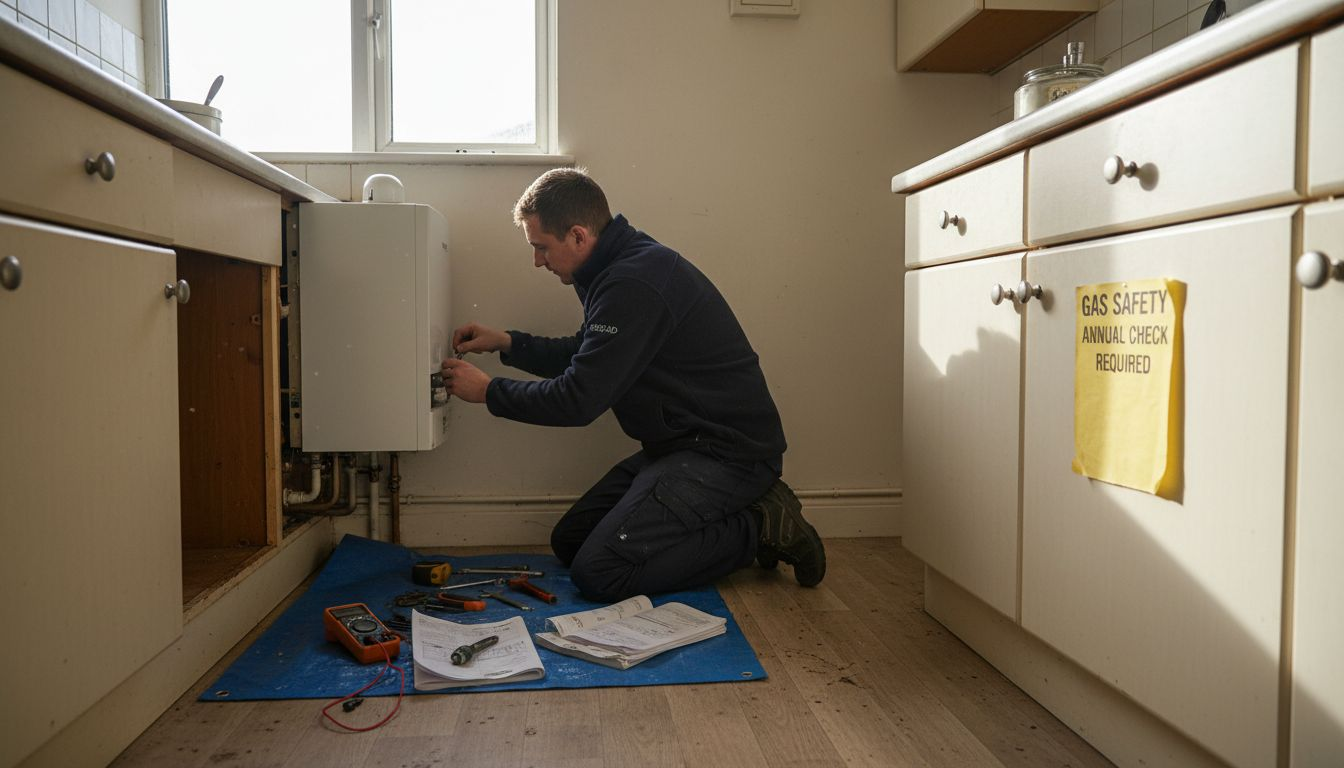
Begin by verifying professional installation credentials for all heating equipment. This means working exclusively with Gas Safe registered engineers who understand current building regulations and can conduct proper system commissioning. Your installation should include detailed site assessments, carefully selected equipment matching your property’s specific requirements, and comprehensive system balancing to optimise performance.
Focus on integrating intelligent heating controls that enable precise temperature management and energy efficiency. Modern control systems should include programmable thermostats, individual radiator valves, and smart technology that allows remote monitoring and adjustment. Pay particular attention to zonal heating configurations that enable different temperature settings across various property areas, reducing unnecessary energy consumption and providing tenants with personalised comfort.
Expert Recommendation: Schedule a professional post-installation inspection to verify complete system compliance and optimal functionality.
Step 4: Verify system performance and efficiency
Maintaining optimal heating system performance requires systematic evaluation and proactive monitoring. UK landlords must implement comprehensive strategies to ensure their heating infrastructure meets current energy efficiency standards and delivers consistent performance.
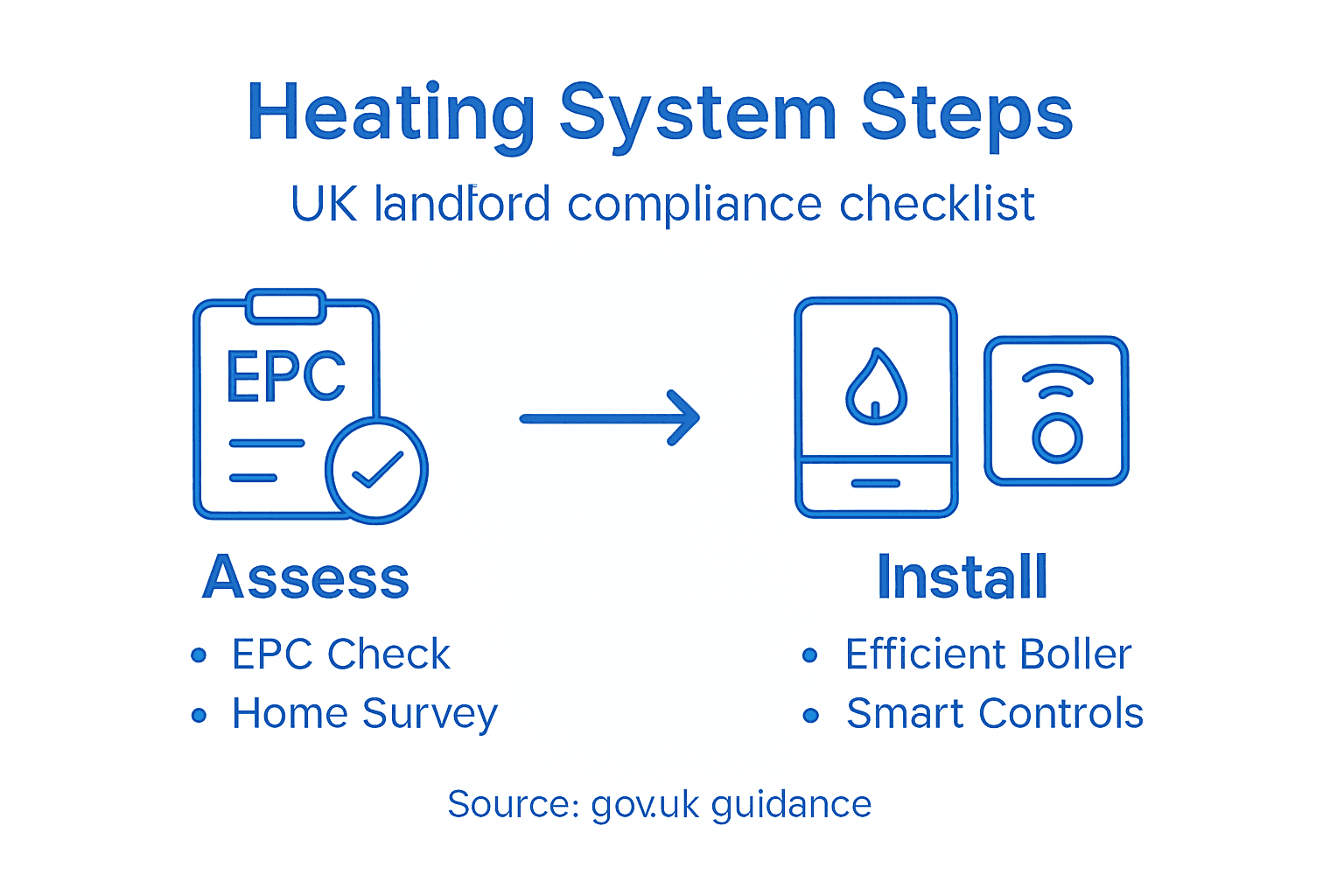
Energy performance assessments represent a critical component of ongoing system verification. Begin by conducting detailed energy audits that analyse heating system efficiency, fabric performance, and overall thermal characteristics. These assessments provide granular insights into potential improvements and help landlords prioritise strategic upgrades that enhance property energy performance.
Implement regular monitoring techniques including temperature tracking, efficiency measurements, and comparative analysis of energy consumption. Utilise advanced diagnostic tools that can identify subtle performance variations, potential inefficiencies, and opportunities for system optimisation. Pay particular attention to radiator performance, heat distribution consistency, and overall system responsiveness to different environmental conditions.
Expert Recommendation: Engage professional energy assessors annually to conduct comprehensive system performance evaluations and provide targeted improvement recommendations.
Step 5: Prepare documentation for compliance checks
Documentation preparation is a critical process for UK landlords ensuring regulatory compliance and protecting their property investments. Meticulous record management demonstrates professionalism and helps prevent potential legal complications.
Comprehensive compliance documentation represents the foundation of successful property management. Your documentation portfolio must include essential certificates such as Gas Safety Certificates, Electrical Installation Condition Reports (EICR), Energy Performance Certificates, tenancy agreements, and deposit protection records. Each document should be current, accurately completed, and readily accessible for potential inspections or tenant inquiries.
Organise your documentation systematically using both digital and physical storage methods. Create a structured filing system with clearly labelled folders for different certificate types, ensuring chronological order and easy retrieval. Digital backup copies provide additional security and can be quickly shared with regulatory bodies or property management professionals when required.
Expert Recommendation: Digitise all compliance documents and maintain both electronic and physical copies to ensure comprehensive record keeping.
For reference, here are key compliance documents every UK landlord must manage:
| Document Type | Purpose | Renewal Frequency |
|---|---|---|
| Gas Safety Certificate | Confirms safe gas system | Annually |
| Electrical Installation Report | Certifies electrical system condition | Every 5 years or on change |
| Energy Performance Certificate | Rates energy efficiency | Every 10 years |
| Tenancy Agreement | Outlines rental terms | With each new tenancy |
| Deposit Protection Record | Proves deposit is secured | At tenancy start |
Elevate Your Property’s Energy Efficiency with Expert Guidance
Navigating the complexities of upgrading your rental property’s heating system to meet UK regulations can feel overwhelming. The detailed steps in this guide highlight critical challenges such as assessing heating requirements, selecting efficient systems, and ensuring full regulatory compliance. As a landlord or property investor, your goals include improving Energy Performance Certificates, reducing operating costs, and meeting the upcoming standards like the Home Energy Model (HEM).
Take control today by exploring practical solutions and authoritative advice at homeenergymodel.co.uk. Discover how the new HEM framework aligns with the Future Homes Standard and learn how it affects EPC assessments for your properties. Benefit from comprehensive insights into energy efficiency, tracking consumption, and preparing for compliance checks to confidently future-proof your investments.
Don’t wait until regulations become mandatory. Act now to enhance your property’s performance and market appeal by visiting Home Energy Model and access vital resources designed especially for UK landlords and investors. Start your journey towards sustainable property management today.
Frequently Asked Questions
How do I assess the heating requirements for my rental property?
To assess the heating requirements for your rental property, start by obtaining a comprehensive Energy Performance Certificate (EPC). This document will guide you on specific areas that need improvement, such as insulation and heating system performance, allowing you to make informed decisions.
What factors should I consider when selecting an energy-efficient heating system?
When selecting an energy-efficient heating system, evaluate the system’s energy efficiency ratings and how it aligns with current regulatory standards. Consider technologies like heat pumps and advanced electric systems, as they can improve your property’s Energy Performance Certificate and long-term value.
What steps are involved in properly installing a heating system?
Properly installing a heating system involves verifying the credentials of installation professionals and ensuring they follow current UK building regulations. Schedule a detailed site assessment and focus on integrating modern heating controls to maximise efficiency and tenant comfort.
How can I verify the performance and efficiency of my heating system?
To verify the performance and efficiency of your heating system, conduct regular energy audits and implement advanced monitoring techniques. Track temperature consistency and energy consumption to identify potential inefficiencies, which can help you enhance your system’s overall performance.
What essential documents do I need to prepare for compliance checks as a landlord?
As a landlord, you need essential documents like Gas Safety Certificates, Electrical Installation Condition Reports, and Energy Performance Certificates. Ensure these documents are current and well-organised for easy retrieval during inspections or tenant inquiries.
How often should I renew my compliance documents?
Compliance documents should be renewed at varying intervals: Gas Safety Certificates annually, Electrical Installation Condition Reports every five years or when changes occur, and Energy Performance Certificates every ten years. Ensure you have reminders set for each renewal to maintain compliance without interruption.