
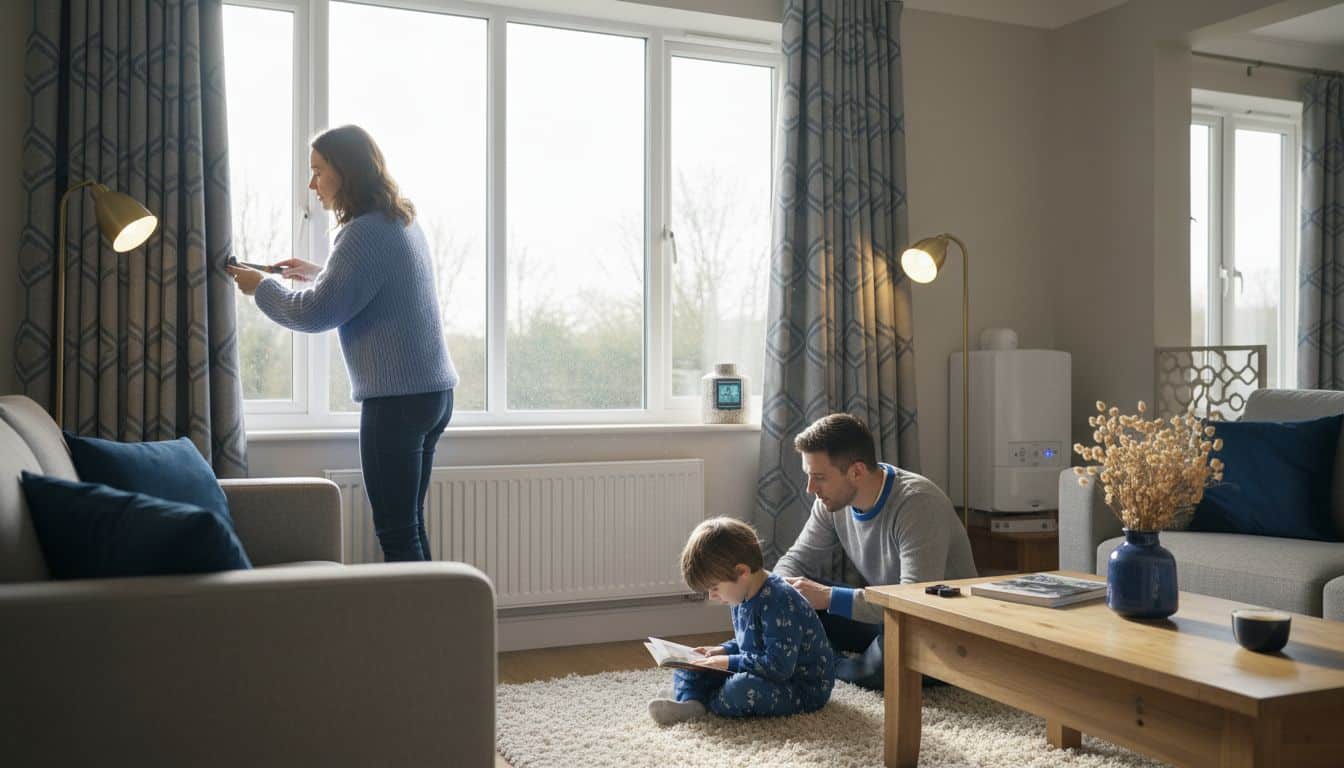
Nearly 40 percent of a home’s heat can slip away through unaddressed gaps, outdated windows, and inefficient heating controls. When temperatures drop, keeping every corner warm gets tougher and bills start to rise. The good news is that a few focused upgrades—like better insulation, window improvements, smart heating controls, and regular system maintenance—can deliver real savings while making your home more comfortable all season long.
Table of Contents
- 1. Seal Gaps And Insulate Key Areas For Heat Retention
- 2. Upgrade Windows For Improved Thermal Performance
- 3. Optimise Heating Controls And Thermostat Settings
- 4. Use Smart Technology For Real-Time Energy Monitoring
- 5. Maintain And Service Boiler And Heating Systems
- 6. Adopt Efficient Lighting And Low-Energy Appliances
- 7. Improve Water Heating And Reduce Heat Loss
- 8. Check EPC Ratings And Prepare For Future Standards
Quick Summary
| Takeaway | Explanation |
|---|---|
| 1. Seal gaps for heat retention | Address window, door, and wall gaps to reduce heat loss and save on energy bills. |
| 2. Upgrade windows to improve insulation | Replacing older windows or adding secondary glazing can significantly enhance thermal efficiency. |
| 3. Optimize heating controls | Use programmable thermostats and maintain steady temperatures to manage heating costs effectively. |
| 4. Implement smart technology for monitoring | Smart meters provide insights into energy consumption, helping identify wasteful usage patterns. |
| 5. Maintain boiler for peak efficiency | Regular servicing of your heating system can enhance efficiency by up to 15%, reducing costs. |
1. Seal Gaps and Insulate Key Areas for Heat Retention
As winter approaches, preventing heat loss becomes crucial for maintaining a warm and energy efficient home. Sealing gaps and improving insulation are powerful strategies that can dramatically reduce your heating costs and keep your living spaces comfortable.
Your home loses heat through multiple pathways, with windows, doors, walls, and lofts being primary culprits of energy waste. According to Westminster City Council, implementing targeted insulation measures can significantly improve your property’s heat retention.
Key Areas to Focus On:
- Window and door seals
- Loft insulation
- Wall cavity insulation
- Floor insulation
The ‘Keep Warm’ guide recommends ensuring your loft insulation reaches at least 270 mm thickness, which creates a substantial barrier against heat escape. Simple actions like drawing curtains at dusk and ensuring radiators are not blocked by furniture can also enhance your home’s warmth.
Practical steps include using weatherstripping around door frames, applying window film to reduce drafts, and checking for small gaps around pipes and electrical outlets. Professional draught proofing can reduce heat loss by up to 20 percent, translating into meaningful energy and cost savings throughout the winter months.
By systematically addressing these insulation points, you transform your home into a more energy efficient and comfortable living space.
2. Upgrade Windows for Improved Thermal Performance
Windows are more than just aesthetic features of your home they are critical barriers against heat loss and energy inefficiency. Understanding how to optimise your windows can significantly reduce your heating costs and improve your property’s overall thermal performance.
According to Kingston Council, homes with single glazing or older double glazing installed before 1990 can benefit substantially from window upgrades. These older windows often act like thermal sieves, allowing precious heat to escape and driving up your energy consumption.
Window Upgrade Options:
- Double glazing
- Triple glazing
- Secondary glazing
- Draught proofing
Westminster City Council highlights that while upgrading windows can require careful consideration especially in conservation areas or listed buildings the benefits are substantial.
For heritage properties where full window replacement might not be possible, secondary glazing presents an excellent alternative. This approach can reduce heat loss by up to 60 percent while maintaining the original window aesthetic. When selecting new windows, prioritise options that match your existing window style and architectural character.
Before undertaking any window upgrades, consider consulting a professional who can assess your specific property needs and provide tailored recommendations. Remember that proper installation is just as crucial as selecting the right glazing type to ensure maximum thermal efficiency.
3. Optimise Heating Controls and Thermostat Settings
Heating your home efficiently is not just about having a powerful system but about smart temperature management. Strategic control of your heating settings can dramatically reduce energy consumption while maintaining a comfortable living environment.
Key Strategies for Heating Efficiency:
- Set precise temperature controls
- Use programmable thermostats
- Create heating zones
- Implement time-based heating schedules
The ‘Keep Warm’ guide emphasises that small adjustments can yield significant energy savings. Ensuring radiators are not obstructed by furniture and drawing curtains at dusk are simple yet effective methods to retain heat and reduce energy waste.
Modern programmable thermostats allow you to create specific heating schedules tailored to your lifestyle. Lowering your home’s temperature by just one degree can reduce heating costs by up to 10 percent. Consider setting lower temperatures during sleeping hours or when the property is unoccupied.
For those interested in more advanced solutions, 7 Essential Home Appliance Efficiency Tips can provide additional insights into optimising your home’s energy performance.
Remember that consistent temperature management is more energy efficient than constantly switching heating on and off. Aim for a steady ambient temperature that keeps your home comfortably warm without unnecessary energy expenditure.
4. Use Smart Technology for Real-Time Energy Monitoring
Smart technology has revolutionised how we understand and manage home energy consumption. By providing instant insights into your property’s energy usage, these innovative tools empower you to make informed decisions about your heating and electricity expenditure.
Smart Monitoring Benefits:
- Real-time energy consumption tracking
- Detailed usage breakdown
- Identify energy waste opportunities
- Set personalised efficiency goals
Westminster City Council recommends upgrading to energy efficient appliances and lighting as part of a comprehensive approach to reducing home energy demand. Smart monitoring technology takes this recommendation a step further by providing granular visibility into exactly how and where energy is being used.
Modern smart meters and energy monitoring systems allow you to track electricity and heating consumption in real-time through smartphone apps. These tools can break down your energy use by appliance, time of day, and consumption patterns. Some advanced systems even provide predictive insights and personalised recommendations for reducing your energy footprint.
For property owners looking to dive deeper into energy efficient strategies, 7 Smart Home Energy Saving Habits can provide additional context and practical tips.
By understanding your energy consumption patterns, you can make targeted adjustments that translate into meaningful cost savings and reduced environmental impact. Start by installing a smart meter and commit to reviewing your energy data regularly to continuously improve your home’s efficiency.
5. Maintain and Service Boiler and Heating Systems
Your home’s heating system is like the heart of your winter comfort keeping your living spaces warm and functional. Regular maintenance ensures this critical system operates at peak efficiency preventing unexpected breakdowns and reducing unnecessary energy consumption.
Boiler Maintenance Priorities:
- Annual professional servicing
- Check for efficiency ratings
- Clean radiators and bleed air locks
- Inspect pipework and seals
According to the ‘Keep Warm’ guide, ensuring radiators are not obstructed and maintaining heating infrastructure can significantly enhance heat retention. A well serviced boiler can improve energy efficiency by up to 15 percent reducing both your carbon footprint and monthly energy expenses.
Professional servicing involves comprehensive checks including cleaning internal components, assessing combustion efficiency, examining safety mechanisms, and identifying potential wear and tear. These checks not only prevent potential system failures but also help maintain optimal performance throughout the coldest months.
For property owners seeking more comprehensive guidance, Complete EPC Energy Saving Tips can provide additional insights into maintaining your home’s overall energy efficiency.
Consider scheduling your boiler service during autumn before the peak winter season. Most manufacturers recommend annual servicing to maintain warranty conditions and ensure your heating system operates at maximum efficiency. Remember that proactive maintenance is always more cost effective than reactive repairs.
6. Adopt Efficient Lighting and Low-Energy Appliances
Your home’s electrical devices are silent energy consumers that can significantly impact your winter energy bills. Making strategic choices about lighting and appliances can transform your property into an energy efficient powerhouse.
Energy Efficiency Focus Areas:
- LED lighting solutions
- Energy rated appliances
- Smart power management
- Standby power reduction
Westminster City Council strongly recommends upgrading to energy efficient appliances and lighting as a fundamental approach to reducing home energy demand. Modern LED bulbs consume up to 90 percent less electricity compared to traditional incandescent lighting and can last substantially longer.
Consider replacing older appliances with models carrying high energy efficiency ratings. Refrigerators, washing machines, and dishwashers with A+++ ratings consume dramatically less electricity. Even seemingly minor changes like using smart power strips can eliminate standby energy waste which can account for up to 10 percent of your household electricity consumption.
For property owners seeking comprehensive guidance, Guide to Efficient Appliances provides in depth insights into selecting and managing energy smart home technologies.
Remember that every watt saved is a direct reduction in your energy bills. Start by conducting an audit of your current appliances and gradually replacing them with more efficient alternatives. Your wallet and the environment will thank you.
7. Improve Water Heating and Reduce Heat Loss
Your home’s water heating system represents a significant portion of winter energy consumption. Strategic improvements can dramatically reduce energy waste and lower your utility bills while maintaining optimal comfort and performance.
Water Heating Efficiency Strategies:
- Insulate hot water cylinders
- Wrap exposed water pipes
- Lower water temperature settings
- Check system for potential leaks
The ‘Keep Warm’ guide emphasises the critical importance of insulating hot water cylinders and pipes as a key method for maintaining heat and reducing energy costs. Proper insulation can prevent substantial heat loss and improve overall system efficiency.
Consider reducing your water temperature to around 60 degrees Celsius which provides sufficient heat for household needs while minimising unnecessary energy expenditure. Modern water cylinder jackets can reduce heat loss by up to 75 percent compared to uninsulated systems.
For property owners exploring comprehensive energy solutions, Air Source Heat Pump Complete Guide offers additional insights into advanced heating technologies that can complement traditional water heating approaches.
Additional practical steps include checking pipe connections for potential leaks, using thermostatic mixing valves to control water temperature, and considering renewable heating technologies that can provide more sustainable water heating solutions. Small modifications can lead to significant long term energy savings.
8. Check EPC Ratings and Prepare for Future Standards
Your property’s Energy Performance Certificate (EPC) is more than just a document it is a roadmap for understanding and improving your home’s energy efficiency. As environmental regulations evolve, staying ahead of these standards can protect your property’s value and reduce long term energy costs.
EPC Rating Priorities:
- Understand current energy performance
- Identify potential improvement areas
- Track future regulatory requirements
- Plan strategic energy upgrades
According to Westminster City Council, proactively checking your home’s EPC rating and considering energy efficiency upgrades can help align your property with upcoming regulations.
The UK government’s Home Upgrade Grant provides opportunities for properties with EPC ratings between D and G, offering financial support for energy efficiency improvements. This means investing in your home’s energy performance can not only reduce utility bills but potentially unlock funding for upgrades.
For comprehensive guidance on navigating the complexities of home energy labelling, UK Home Energy Labelling Guide offers in depth insights into understanding and improving your property’s energy rating.
Consider scheduling a professional energy assessment to get a detailed understanding of your current EPC rating and receive tailored recommendations for improvement. Remember that incremental upgrades can significantly enhance your home’s energy efficiency and market value.
Below is a comprehensive table summarising key strategies and actions to improve energy efficiency and heat retention in homes, as discussed in the article.
| Strategy | Implementation | Expected Results |
|---|---|---|
| Seal Gaps and Insulate | Seal windows and doors, insulate lofts and walls, use weatherstripping. | Reduces heating costs, improves comfort. |
| Upgrade Windows | Install double, triple, or secondary glazing, draught proofing. | Significantly reduces heat loss, improves thermal performance. |
| Optimise Heating Controls | Use programmable thermostats, set schedules, create heating zones. | Energy savings, efficient temperature management. |
| Use Smart Technology | Install smart meters, track real-time energy, set efficiency goals. | Targeted energy use reduction, cost savings. |
| Maintain Heating Systems | Regular boiler servicing, check radiators, inspect pipework. | Prevents breakdowns, enhances energy efficiency. |
| Efficient Lighting & Appliances | Upgrade to LED lighting, high energy-rated appliances, reduce standby power. | Lower electricity consumption, reduced bills. |
| Improve Water Heating | Insulate hot water systems, lower temperature settings. | Significant heat retention, reduced energy waste. |
| Check EPC Ratings | Understand EPCs, plan upgrades. | Aligns with regulations, improves property value. |
Take Control of Your Home’s Winter Energy Efficiency Today
Winter brings unique challenges for UK property owners trying to keep their homes warm without facing soaring energy bills. This article highlights key pain points such as heat loss through windows and doors, inefficient heating controls, and the complexity of meeting future energy standards like those from the upcoming Home Energy Model (HEM). If you are concerned about rising energy costs, comfort during cold months, or complying with new regulations, understanding and improving your property’s energy performance is essential.
Discover practical guidance and expert insights tailored to UK property owners at homeenergymodel.co.uk. Learn how the new government methodology will impact Energy Performance Certificates and what steps you can take to enhance energy efficiency throughout the year. Don’t wait for winter to drain your finances. Start your journey to a warmer, more energy efficient home now by exploring energy saving tips and advice and preparing your property for the Future Homes Standard.
Frequently Asked Questions
How can I seal gaps in my home to improve energy efficiency?
To seal gaps effectively, use weatherstripping around doors and apply window film to reduce drafts. Start by checking all areas where air might escape, such as around windows, doors, and pipes, to significantly reduce heat loss and improve your home’s comfort within a week.
What are the benefits of upgrading to double or triple glazing?
Upgrading to double or triple glazing can greatly reduce heat loss and lower your energy bills. For best results, consider replacing older, single-glazed windows, which can lose up to 14% of heat, with new, more efficient units this winter.
How do I optimize my heating controls and thermostat settings for winter?
To optimize heating, set your thermostat to a comfortable temperature and use a programmable model for efficiency. For example, lowering your home temperature by just one degree can cut your heating costs by up to 10%, so set a schedule that aligns with your routine within three days.
What maintenance should I perform on my boiler and heating system?
Ensure your boiler receives annual professional servicing to maintain its efficiency and longevity. Regularly check radiators for air locks and clean any debris, aiming to complete this task before the colder months to improve heating performance immediately.
How can I improve water heating efficiency in my home?
You can enhance water heating efficiency by insulating hot water cylinders and lower the water temperature settings to around 60 degrees Celsius. By wrapping exposed pipes, you can reduce heat loss significantly, with proper insulation potentially lowering heating costs by up to 75% soon after installation.
Why is checking my home’s EPC rating important?
Checking your home’s Energy Performance Certificate (EPC) rating helps you understand its energy efficiency and guides potential upgrades. Schedule a professional assessment now to identify improvement areas, as timely updates can align your home with future energy efficiency standards.
Recommended
- 7 Smart Home Energy Saving Habits Every Property Owner Needs – Home Energy Model
- Complete EPC – Energy Saving Tips For Your Home
- 7 Smart Energy Efficient Home Upgrades for Property Owners – Home Energy Model
- 7 Essential Energy Saving Appliances List for UK Homes – Home Energy Model
- Winter Saving Tips – Colley Refrigeration
- 7-Step Energy Efficient Windows Checklist for Professionals