

More than 60 percent of british homes still fall short of modern energy efficiency standards, creating higher bills and increased emissions. If you own or rent property in the UK, understanding your obligations and opportunities for improvement has never been more crucial. This practical guide breaks down every step needed to assess, upgrade, and verify your home’s energy efficiency, keeping you ahead of changing regulations and helping you make smart, cost-effective decisions.
Table of Contents
- Step 1: Assess Current Energy Performance And Legal Obligations
- Step 2: Plan Retrofit Measures Based On HEM Methodology
- Step 3: Select Qualified Installers And Secure Funding
- Step 4: Implement Improvements For Energy And Water Efficiency
- Step 5: Verify Outcomes With Updated EPC And Compliance Checks
Quick Summary
| Key Point | Explanation |
|---|---|
| 1. Assess energy performance and legal obligations | Begin by obtaining an Energy Performance Certificate to evaluate your property’s efficiency and understand legal compliance requirements. |
| 2. Plan retrofit measures strategically | Develop a comprehensive retrofit strategy based on the Home Energy Model methodology to maximise energy performance improvements. |
| 3. Choose qualified installers | Select professional installers with recognised certifications to ensure effective implementation of energy efficiency measures. |
| 4. Implement comprehensive energy and water improvements | Focus on fabric upgrades and water efficiency measures to significantly enhance your property’s overall sustainability. |
| 5. Verify with updated EPC and compliance checks | After retrofitting, obtain an updated EPC to confirm improvements and ensure adherence to current energy performance standards. |
Step 1: Assess current energy performance and legal obligations
Navigating the energy efficiency landscape begins with a comprehensive assessment of your property’s current performance and understanding the legal requirements that apply. According to gov.uk, the UK government is actively reviewing policies to enhance energy performance in privately rented homes, with significant changes expected by 2025.
To start your energy retrofit journey, you will need to obtain an Energy Performance Certificate (EPC), a crucial document that provides a detailed overview of your property’s energy efficiency. As Ealing Council recommends, this certificate will help you understand your current energy rating and identify potential areas for improvement. A qualified energy assessor will inspect your property, evaluating factors such as insulation, heating systems, windows, and overall thermal performance.
Be prepared for potential legal obligations that may impact your property. Rental properties in the UK must meet minimum energy efficiency standards, with regulations becoming increasingly stringent. Landlords should proactively check their property’s EPC rating and plan retrofits accordingly to remain compliant and avoid potential penalties. The upcoming Home Energy Model (HEM) in 2026 will introduce even more sophisticated assessment methodologies, making early preparation crucial for property owners.
The next step involves analysing your EPC report in detail and developing a strategic retrofit plan that addresses the most critical energy performance gaps.
Step 2: Plan retrofit measures based on HEM methodology
Transforming your property’s energy performance requires a strategic approach aligned with the emerging Home Energy Model (HEM) methodology. As gov.uk indicates, the UK government is developing a comprehensive framework to guide energy efficiency improvements in privately rented homes, with implementation expected by 2026.
According to RICS, successful retrofit planning involves a systematic evaluation of your property’s specific needs. Start by prioritising measures that offer the most significant energy performance gains. This typically includes assessing insulation quality, upgrading heating systems, improving window efficiency, and considering renewable energy integration. The key is to create a holistic approach that addresses multiple aspects of energy consumption simultaneously.
Prioritise interventions with the highest impact and most cost effective returns. Focus on fabric first principles, which means improving the building envelope before investing in complex technological solutions. This might include wall insulation, draught proofing, and enhancing roof and floor insulation. Your energy performance guide can provide additional insights into targeted improvements that align with the upcoming HEM standards.
Remember that each property is unique, and your retrofit strategy should be tailored to your specific building characteristics, age, construction type, and current energy performance rating. The next step involves detailed technical assessments and obtaining professional recommendations for your specific retrofit measures.
Step 3: Select qualified installers and secure funding
Navigating the complex landscape of energy retrofit requires careful selection of professional installers and strategic funding approaches. As RICS recommends, choosing qualified professionals is crucial to ensuring the success of your energy efficiency project.
When selecting installers, prioritise credentials and expertise. Look for professionals with recognised certifications such as TrustMark, MCS (Microgeneration Certification Scheme), or those registered with the National Insulation Association. Obtain multiple quotes, check references, and verify previous project outcomes. gov.uk emphasises the importance of working with installers who understand the evolving regulatory landscape and can implement retrofit measures aligned with upcoming energy performance standards.
Funding your retrofit project requires a multifaceted approach. Explore government grants, such as the Boiler Upgrade Scheme, Green Homes Grant, and local authority funding programmes. Consider your cost versus benefit energy upgrade options to understand potential financial returns and long term savings. Some installers also offer financing plans or partnerships with financial institutions specialising in green home improvements.
Remember that comprehensive documentation and professional assessment will strengthen your funding applications. The next step involves finalising contracts and preparing your property for the retrofit installation.
Step 4: Implement improvements for energy and water efficiency
Transforming your property into an energy efficient haven requires a strategic and comprehensive approach to implementing targeted improvements. According to RICS, successful retrofitting involves carefully planned interventions that address both energy and water consumption across your entire property.
Ealing Council recommends starting with fabric improvements that create a robust foundation for efficiency. This includes upgrading wall and roof insulation, installing double or triple glazed windows, and sealing any air leakage points. For water efficiency, consider installing low flow fixtures, water efficient appliances, and implementing rainwater harvesting systems. Your energy efficient home upgrades strategy can help prioritise interventions with the most significant impact.
Prioritise renewable energy integration where possible, such as solar panel installations or heat pump systems that can dramatically reduce your carbon footprint. Monitor and adjust your systems regularly, understanding that energy efficiency is an ongoing process of incremental improvements. By implementing a holistic approach, you will not only reduce your environmental impact but also create long term financial savings.
The next step involves conducting post implementation performance assessments to validate the effectiveness of your retrofit measures.
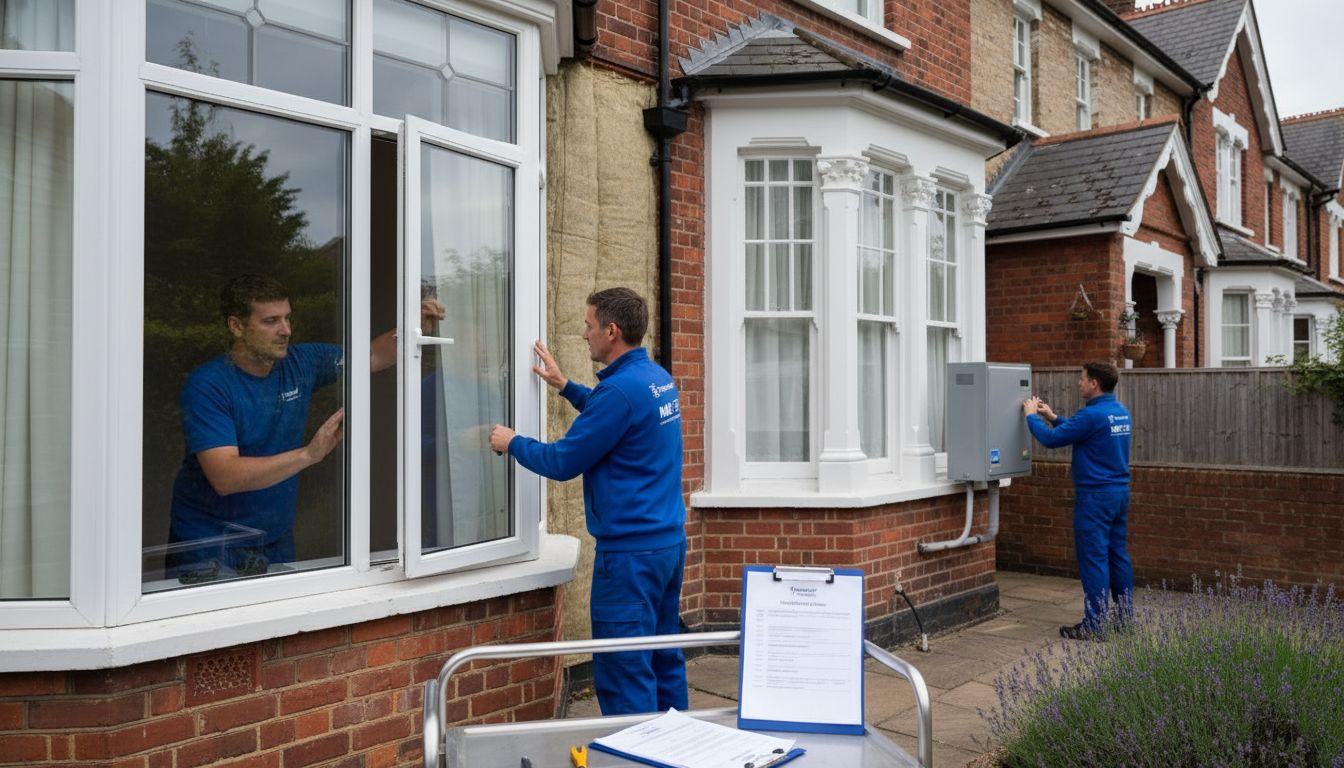
Step 5: Verify outcomes with updated EPC and compliance checks
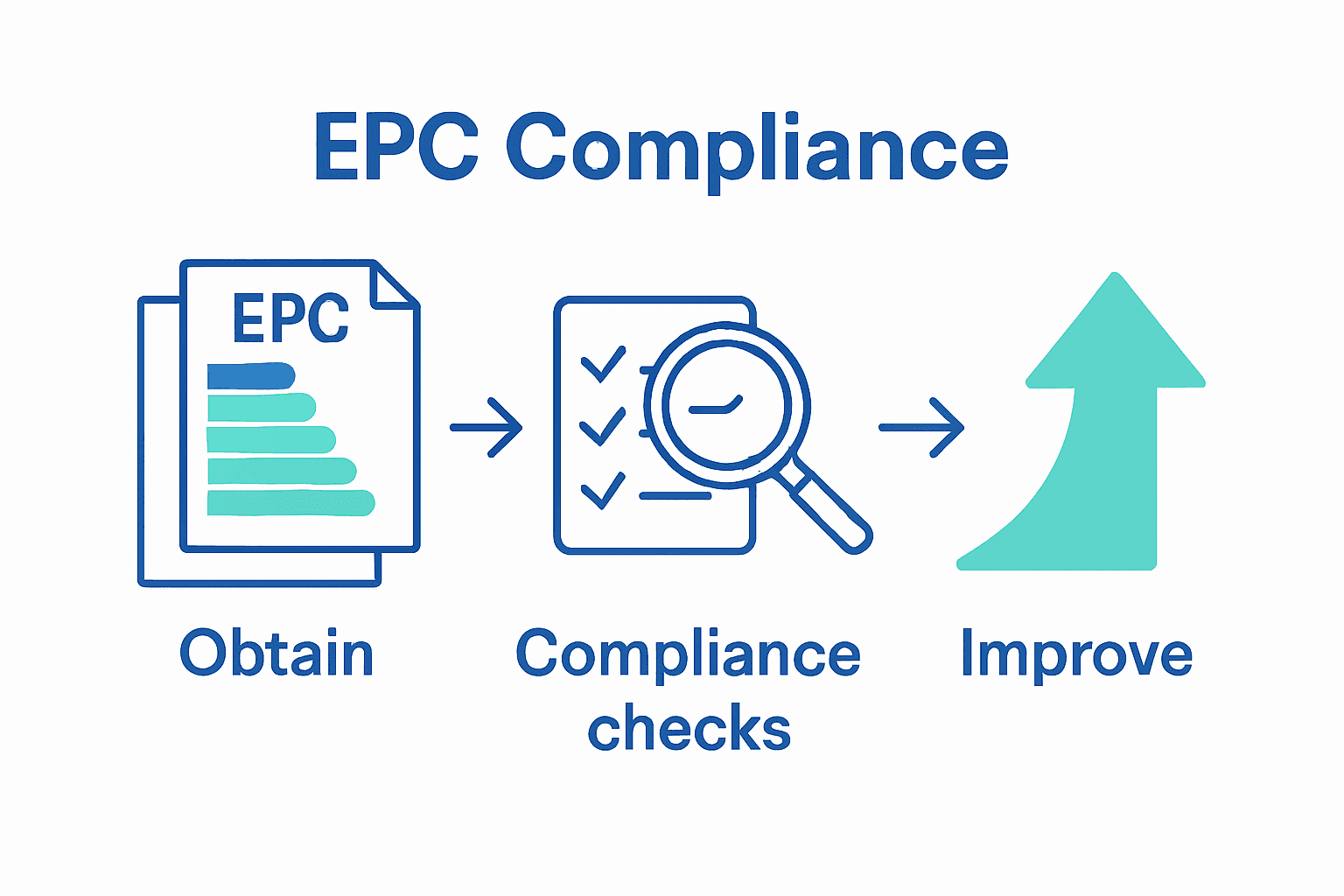
The final stage of your energy retrofit journey involves comprehensive verification and documentation to ensure your improvements deliver the expected performance. Ealing Council emphasises the critical importance of obtaining an updated Energy Performance Certificate (EPC) post retrofit to validate the effectiveness of your energy efficiency interventions.
According to RICS, compliance checks are essential to confirm that your property meets current energy performance standards. Schedule a professional assessment to review your retrofit measures, comparing the new EPC rating with your previous certificate. This process will help you understand the tangible improvements achieved and ensure you are aligned with emerging regulatory requirements. Your Londoners checklist for obtaining an Energy Performance Certificate can provide additional guidance on navigating this verification process.
Pay close attention to the detailed recommendations in your updated EPC report. These insights will highlight any remaining opportunities for further energy efficiency improvements and provide a comprehensive overview of your property’s current performance. Remember that energy efficiency is an ongoing journey of continuous refinement and adaptation.
With your updated certification complete, you have successfully navigated the complex path of home energy retrofitting.
Take Control of Your Home Energy Retrofit Journey Today
The challenge of navigating new energy efficiency standards and the upcoming Home Energy Model (HEM) can feel overwhelming. You want to improve your property’s EPC rating, meet legal requirements, and gain long-term savings but might struggle with where to begin or how to plan effective retrofit measures. Understanding legal obligations, selecting the right upgrades, and securing qualified installers are crucial steps that many property owners find complex.
Empower yourself with expert guidance from homeenergymodel.co.uk, your go-to resource for everything around the HEM framework and government initiatives. Discover tailored advice on cost-effective energy improvements, learn how to maximise your EPC ratings, and explore practical strategies designed specifically for UK landlords and homeowners. Start your path to sustainable property management today by visiting energy performance guide and get a clear action plan that keeps you compliant and future-ready. Don’t wait for regulations to catch you unprepared – take the step now to secure your property’s efficient and profitable future.
Frequently Asked Questions
What is the first step in retrofitting my property for energy efficiency?
To begin retrofitting your property, assess its current energy performance by obtaining an Energy Performance Certificate (EPC). Schedule an inspection with a qualified energy assessor within a few weeks to identify areas that require improvement.
How can I develop a retrofit plan based on the Home Energy Model (HEM) methodology?
To develop a retrofit plan using the HEM methodology, analyse your EPC report and prioritise improvements that significantly enhance energy performance. Focus on fabric first principles, like upgrading insulation and heating systems, to maximise benefits while minimising costs early in the process.
What qualifications should I look for in installers for my energy retrofit project?
When selecting installers, ensure they have recognised certifications such as TrustMark or Microgeneration Certification Scheme (MCS). Obtain at least three quotes and verify their previous project outcomes to ensure you are working with qualified professionals for effective implementations.
What funding options are available for energy retrofitting?
Explore various funding options such as government grants or local authority programmes to finance your energy retrofit project. Begin by applying for specific grants that align with your project goals, as this can significantly reduce your upfront costs.
How do I verify that my retrofit improvements are effective?
To verify your retrofit improvements, obtain an updated Energy Performance Certificate (EPC) and conduct compliance checks to ensure your property meets current energy performance standards. Schedule this assessment shortly after completing the retrofit measures to confirm tangible improvements.
What should I do if my updated EPC shows further areas for improvement?
If your updated EPC highlights remaining opportunities for enhancement, plan additional interventions based on the report’s recommendations. Prioritise these improvements to continuously optimise your property’s energy efficiency over time.
Recommended
- Role of Energy Upgrades: Complete UK Property Guide – Home Energy Model
- Energy Saving Tips 2025: Achieve Maximum Efficiency at Home – Home Energy Model
- 7 Key Energy Efficiency Benefits for UK Property Owners – Home Energy Model
- 7 Smart Home Energy Saving Habits Every Property Owner Needs – Home Energy Model