
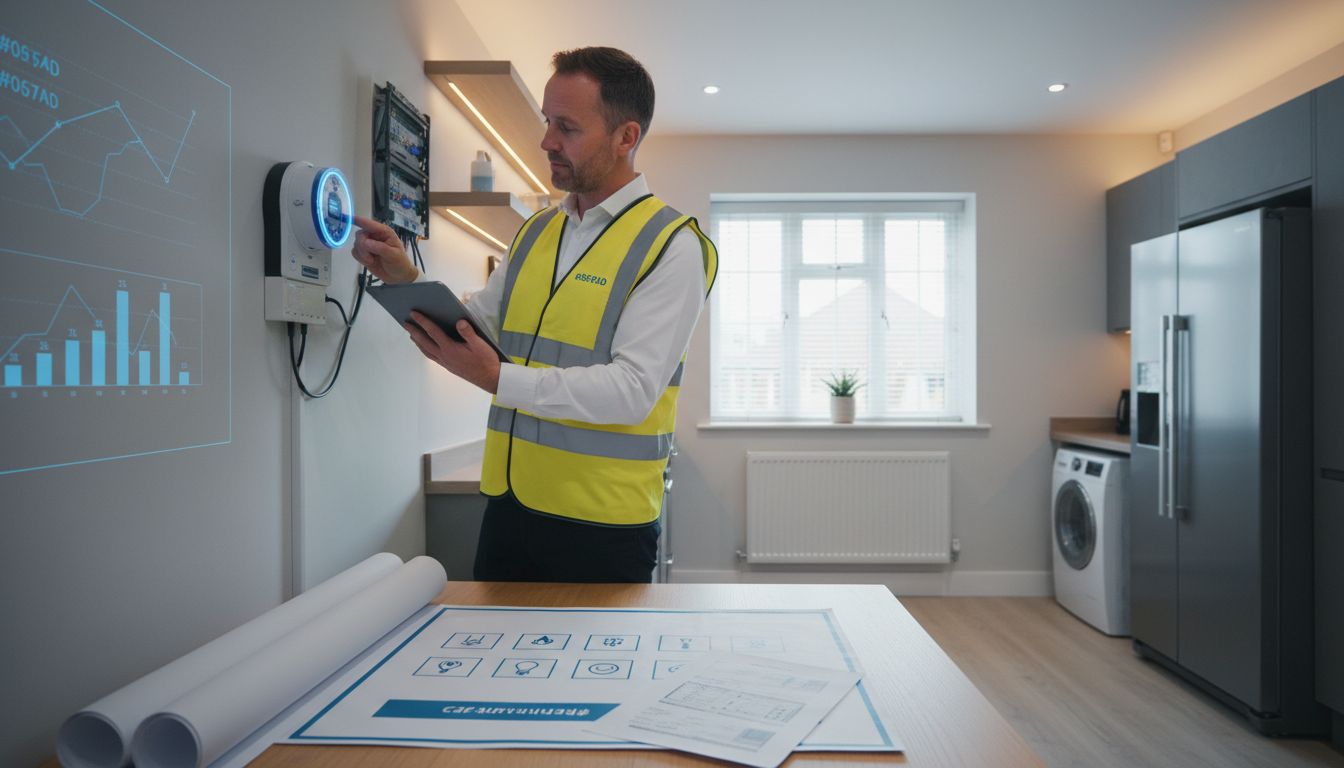
British homes and businesses account for nearly a quarter of national energy use each year, making energy consumption a topic that reaches far beyond technical jargon. For anyone managing property, understanding annual energy consumption is essential for tackling rising costs and meeting new efficiency standards. With government reporting revealing shifting patterns and stricter requirements ahead, this guide gives you a clear explanation of what annual energy consumption means for every british building—and how you can use this knowledge to improve performance and cut expenses.
Table of Contents
- Defining Annual Energy Consumption in Buildings
- Measuring and Calculating Energy Use
- Role of Annual Energy Consumption in EPCs
- Impact of the Home Energy Model (HEM)
- Reducing Consumption: Practical Strategies
Key Takeaways
| Point | Details |
|---|---|
| Annual energy consumption is a critical metric | It reflects the total energy used by a building in a year, crucial for evaluating energy performance and informing energy efficiency decisions. |
| Measurement techniques are essential for accuracy | Using methods like metre readings and smart technology helps track energy consumption effectively and identify inefficiencies. |
| Energy Performance Certificates (EPCs) rely on consumption data | EPCs provide standardised assessments of a property’s energy efficiency, influencing costs and investment decisions for buyers and landlords. |
| The Home Energy Model (HEM) enhances energy assessment | HEM offers a more advanced framework for evaluating residential energy use, supporting better decision-making towards carbon reduction and sustainability. |
Defining Annual Energy Consumption in Buildings
Annual energy consumption represents the total quantity of energy utilised by a building throughout a single calendar year, providing a comprehensive picture of its energy performance and efficiency. According to the gov.uk Energy Consumption in the UK report, this measurement encompasses all energy used for essential building functions, including heating, cooling, lighting, and powering various electrical appliances.
In practical terms, annual energy consumption is typically measured in kilowatt-hours (kWh), which offers a standardised method for tracking and comparing energy usage across different types of residential and commercial properties. The measurement provides property owners, landlords, and energy professionals with critical insights into a building’s energy efficiency, potential environmental impact, and operational costs.
The core components of annual energy consumption include:
- Heating systems and temperature regulation
- Electrical appliance usage
- Lighting infrastructure
- Cooling and ventilation requirements
- Hot water production
Understanding annual energy consumption goes beyond simple number tracking. It represents a crucial metric for property management, enabling stakeholders to identify potential areas for energy efficiency improvements, reduce carbon footprints, and make informed decisions about infrastructure investments. Domestic Energy Terminology: Complete UK Guide provides additional context for interpreting these complex energy usage patterns and their broader implications for sustainable building practices.
Measuring and Calculating Energy Use
Measuring and calculating energy use requires a systematic approach that involves tracking and analysing various energy consumption metrics across different building systems. Precise measurement starts with understanding the key components that contribute to overall energy usage, including electrical appliances, heating systems, lighting infrastructure, and environmental control mechanisms.
To accurately calculate annual energy consumption, property owners and energy professionals typically employ several standardised measurement techniques. These methods involve collecting data through electricity metre readings, energy bills, smart metre technology, and comprehensive energy performance assessments. Energy Consumption in UK Homes Explained: Key Facts provides deeper insights into how these measurement strategies are implemented across residential properties.
The primary steps for measuring energy consumption include:
- Documenting electricity metre readings at regular intervals
- Tracking monthly energy bill statements
- Installing smart monitoring systems
- Conducting professional energy performance assessments
- Calculating kilowatt-hours (kWh) used by individual appliances and systems
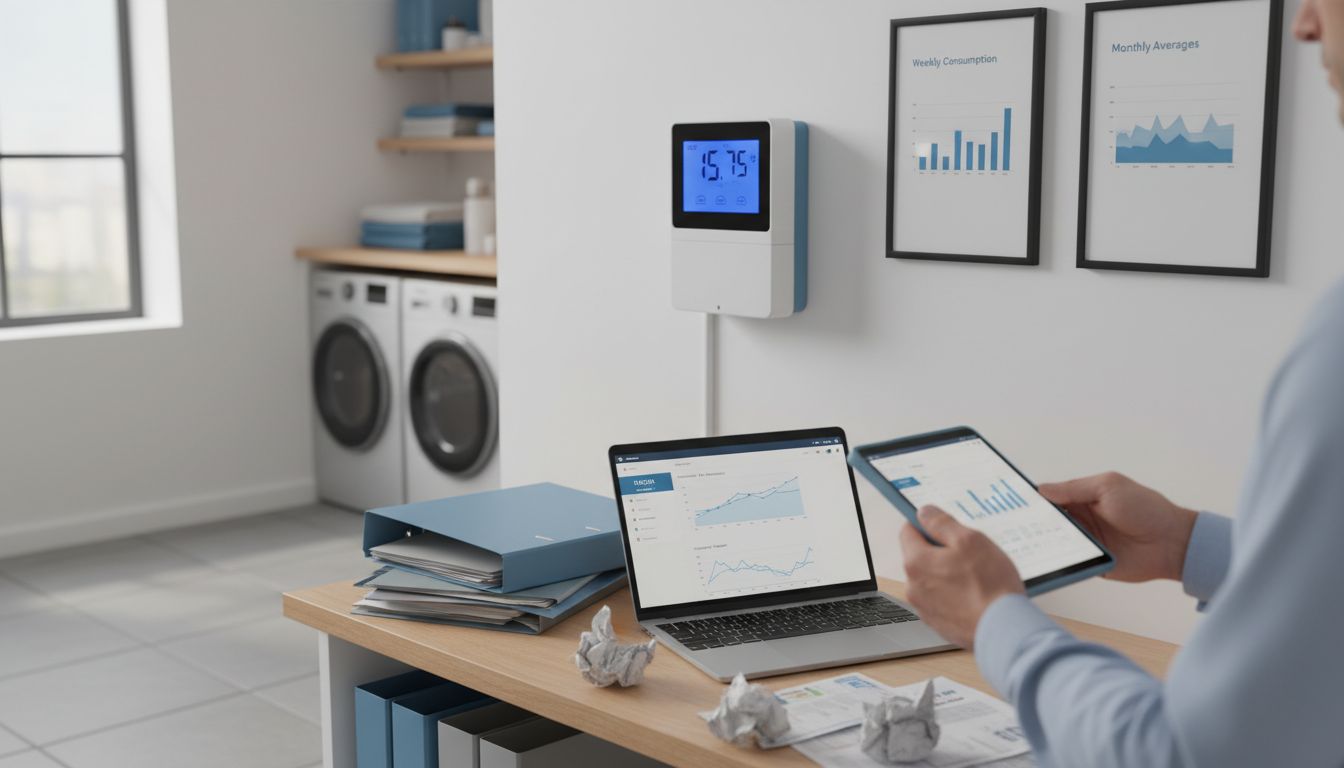
Advanced calculation methods now leverage digital technologies and sophisticated software platforms that enable real-time energy monitoring and detailed performance analysis. These tools help property stakeholders identify energy inefficiencies, predict potential consumption patterns, and develop targeted strategies for reducing overall energy expenditure. Top Energy Saving Steps for UK Homes: A Complete Guide offers practical recommendations for implementing these advanced energy management techniques in residential settings.
Role of Annual Energy Consumption in EPCs
Energy Performance Certificates (EPCs) play a crucial role in providing comprehensive insights into a property’s energy efficiency, with annual energy consumption serving as a fundamental component of these assessments. According to gov.uk guidelines, these certificates are mandatory when properties are sold or rented, offering potential buyers and tenants critical information about potential energy costs and environmental impact.
The annual energy consumption data within EPCs helps stakeholders understand a building’s overall energy performance through a standardised rating system. This system evaluates multiple factors, including:
- Total energy usage in kilowatt-hours (kWh)
- Heating and cooling system efficiency
- Insulation quality
- Potential energy-saving improvements
- Estimated carbon dioxide emissions
For property owners and investors, the EPC’s representation of annual energy consumption provides invaluable insights into potential operational costs and environmental sustainability. Decoding Energy Performance Certificates in London: A Complete Guide offers deeper exploration of how these certificates impact property valuation and investment strategies. The detailed breakdown of energy consumption enables informed decision-making, highlighting potential areas for energy efficiency upgrades and demonstrating a property’s long-term economic and environmental performance.
Impact of the Home Energy Model (HEM)
The Home Energy Model (HEM) represents a significant transformation in how the United Kingdom assesses and understands residential energy performance. According to gov.uk’s consultation document, HEM is set to replace the existing Standard Assessment Procedure (SAP), offering a more sophisticated and accurate methodology for evaluating energy consumption in residential properties.
Key features of the Home Energy Model that will dramatically impact energy assessment include:
- Half-hourly dynamic energy simulations
- More precise real-world performance tracking
- Support for the Future Homes Standard
- Enhanced accuracy in Energy Performance Certificates
- Comprehensive approach to net-zero emissions targets
The transformative potential of HEM extends beyond mere technical improvements. Energy Simulation in Housing: Complete UK Guide highlights how this new model will fundamentally reshape our understanding of residential energy efficiency. By providing more granular and realistic energy consumption data, HEM enables property owners, developers, and policymakers to make more informed decisions about energy performance, ultimately supporting the UK’s ambitious carbon reduction strategies and helping individual households reduce their environmental footprint and energy costs.
Reducing Consumption: Practical Strategies
Reducing annual energy consumption requires a strategic and comprehensive approach that addresses multiple aspects of household energy use. Property owners can significantly decrease their energy expenditure by implementing targeted efficiency strategies that focus on both immediate interventions and long-term infrastructure improvements.
Key strategies for reducing energy consumption include:
- Upgrading to high-efficiency electrical appliances
- Improving home insulation
- Installing smart heating controls
- Maximising natural lighting and ventilation
- Implementing behavioural changes in energy usage patterns
How to Reduce Carbon Footprint at Home: Practical Steps highlights that successful energy reduction is not just about technological interventions but also about developing sustainable household habits. Households can achieve substantial energy savings by adopting a holistic approach that combines technological upgrades with mindful consumption practices.
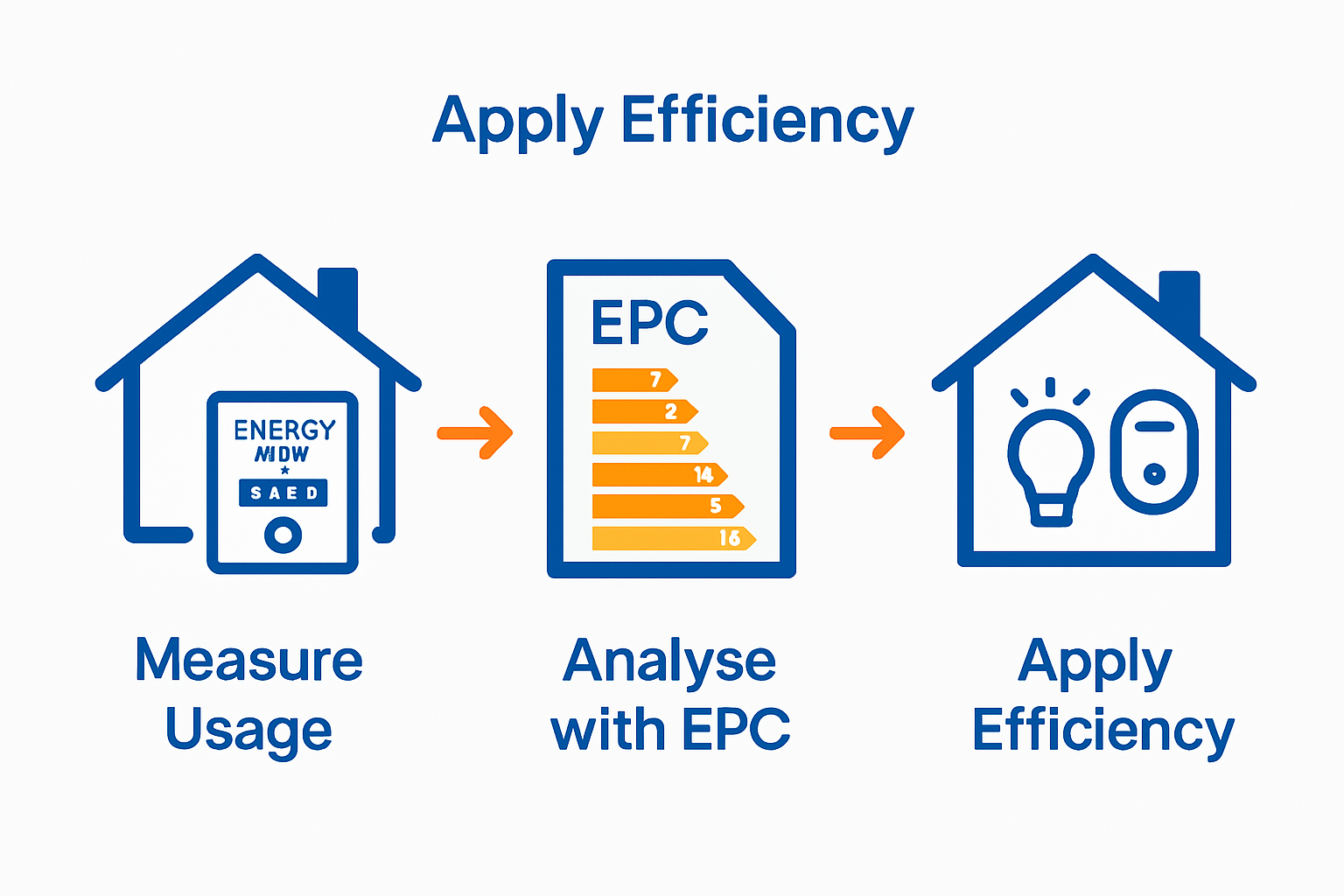 This means not only investing in energy-efficient infrastructure but also educating household members about conscious energy use, understanding peak consumption times, and making small but consistent changes in daily energy consumption patterns.
Take Control of Your Property’s Energy Future Today
Understanding your building’s annual energy consumption is the crucial first step towards cutting costs and meeting strict government standards like the upcoming Home Energy Model (HEM). This detailed guide highlights the challenges property owners face in accurately measuring energy use and interpreting Energy Performance Certificates (EPCs) while preparing for the Future Homes Standard.
Do not wait until new regulations become mandatory – start improving your property’s energy efficiency now with expertly tailored advice and insights at Home Energy Model. Discover how the latest government methodologies will affect your energy assessments on Energy Performance Certificates Explained and learn practical ways to reduce your energy consumption by visiting Energy Saving Steps for UK Homes. Take action today to secure lower energy bills and ensure your property complies with new standards.
Frequently Asked Questions
What is annual energy consumption in buildings?
Annual energy consumption refers to the total amount of energy used by a building over the course of a year, including heating, cooling, lighting, and powering appliances. It is typically measured in kilowatt-hours (kWh).
How can I accurately measure my building’s energy consumption?
You can measure energy consumption by documenting electricity metre readings, tracking monthly energy bills, using smart metre technology, and conducting professional energy performance assessments.
What role does annual energy consumption play in Energy Performance Certificates (EPCs)?
Annual energy consumption is a key component of Energy Performance Certificates (EPCs), helping assess a property’s energy efficiency and providing information on potential energy costs and environmental impact.
What strategies can I implement to reduce my annual energy consumption?
Strategies to reduce energy consumption include upgrading to energy-efficient appliances, improving insulation, installing smart heating controls, maximising natural light, and adopting sustainable energy use habits.
Recommended
- Energy Consumption in UK Homes Explained: Key Facts
- Complete Guide to Domestic Energy Use (UK)
- Domestic Energy Terminology: Complete UK Guide
- Energy Usage Patterns UK: Complete 2025 Guide – Home Energy Model
- Wat is kWh en hoe beïnvloedt het uw energierekening
- Cost to Move House UK 2025: Guide for Homeowners and Businesses | Schott Removals