

TL;DR:
- Simple behavioral changes like turning off appliances and reducing shower time can quickly lower utility bills. Low-cost upgrades such as draught-proofing and LED bulbs provide fast payback and lasting savings. Using smart meters and accurate billing practices enable households to cut costs without structural home changes.
Reducing utility bills is one of the most direct ways UK homeowners and renters can protect their household finances. Knowing how to save money on utilities does not require major renovations or large upfront costs. Households can save between £150 and £400 annually through behavioural changes and low-cost products alone. That figure is achievable without touching a single wall or replacing a boiler. The strategies in this guide are grounded in 2026 UK energy standards and apply equally to renters and homeowners.
How to save money on utilities through daily habits
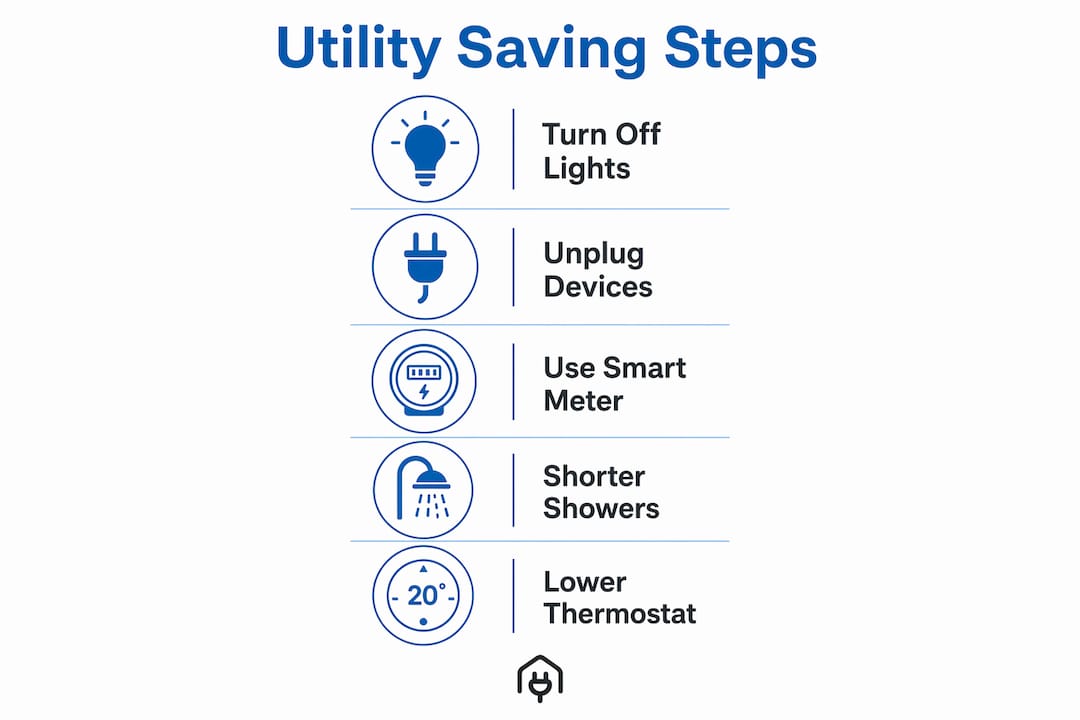
Behavioural changes cost nothing and deliver results from day one. Turning off lights when leaving a room, unplugging chargers, and switching appliances off at the wall are the most immediate steps available. These actions collectively reduce standby power drain, which quietly inflates bills throughout the year.
Reducing the hot water temperature on a combi boiler from 70°C to 60°C cuts the energy needed to heat water without any noticeable difference in comfort. Shorter showers compound those savings further. A four-minute shower uses significantly less hot water than an eight-minute one, and the difference shows up on both the gas and water bill.
Shifting energy-intensive tasks such as running the dishwasher or washing machine to off-peak hours is another effective tactic. Smart meter data makes this straightforward by showing exactly when electricity is cheapest. Households on time-of-use tariffs benefit most from this approach.
- Turn off all appliances at the wall rather than leaving them on standby
- Wash clothes at 30°C instead of 40°C or 60°C
- Use the economy setting on dishwashers and only run full loads
- Reduce shower time by two minutes per person per day
- Close curtains at dusk to retain heat and reduce boiler demand
Pro Tip: Set a weekly reminder to check your in-home display or smart meter app. Seeing your usage in pounds and pence, not just kilowatt hours, makes it far easier to spot which habits are costing the most.
These habits, applied consistently, sit at the foundation of any plan to reduce utility bills. They require no investment and no landlord permission.
What low-cost improvements cut energy bills most effectively?
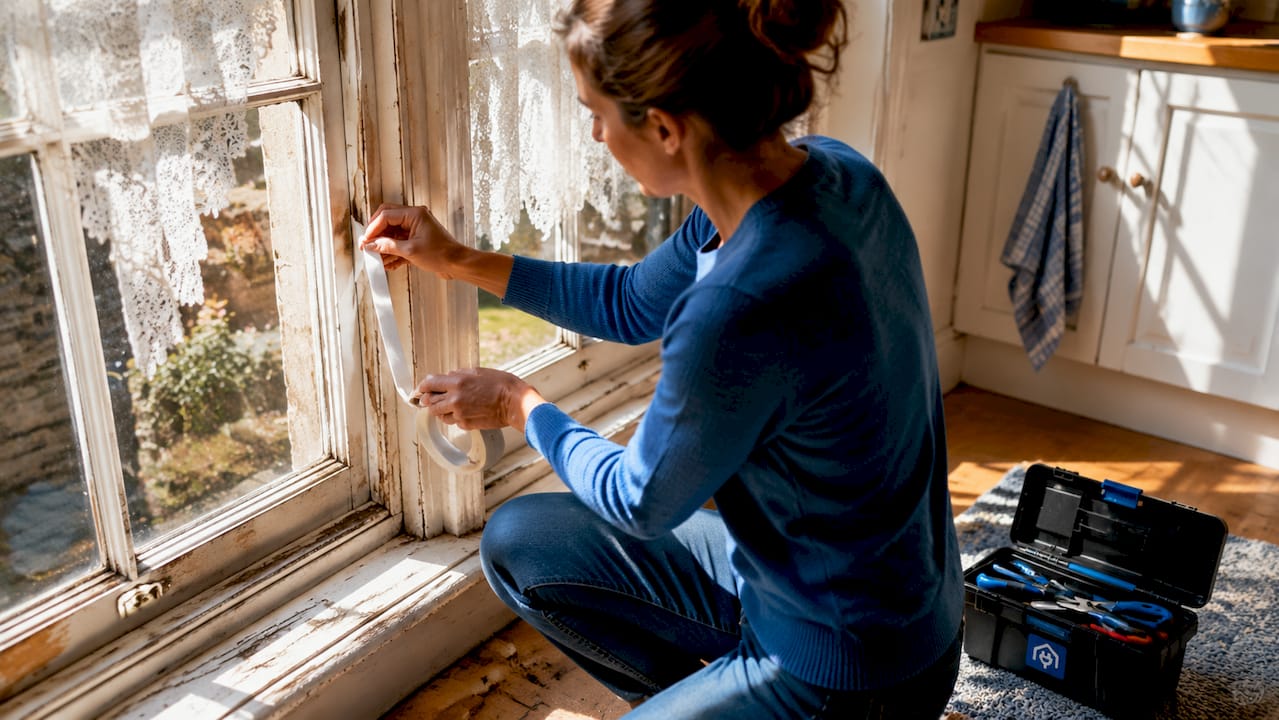
Low-cost physical upgrades deliver savings that outlast any single behavioural change. Draught-proofing doors and windows saves approximately £45 to £60 per year, and reducing the thermostat by just one degree saves a further £100 to £150 annually. Together, those two measures alone can account for a substantial portion of the £150–£400 annual saving range.
Upgrades worth prioritising
LED bulbs, hot water cylinder insulation, and radiator reflector panels are among the most cost-efficient upgrades available. LED bulbs use up to 90% less energy than traditional incandescent bulbs and last far longer. Radiator reflector panels sit behind radiators on external walls, bouncing heat back into the room rather than letting it escape through the wall.
Hot water cylinder jackets are particularly valuable in older properties. An uninsulated cylinder loses heat continuously, forcing the boiler to work harder. A jacket costing under £20 can pay for itself within weeks during winter months.
Thermal curtains are another overlooked option. Heavy, lined curtains reduce heat loss through windows significantly, particularly in properties with single glazing. Renters can fit and remove them without making permanent changes to the property.
| Upgrade | Approximate cost | Estimated annual saving |
|---|---|---|
| Draught excluder strips (doors and windows) | £10–£30 | £45–£60 |
| Radiator reflector panels | £15–£25 | £20–£40 |
| Hot water cylinder jacket | £15–£30 | £30–£60 |
| LED bulb replacement (full home) | £30–£60 | £40–£75 |
| Thermal curtains | £40–£100 | £20–£50 |
Pro Tip: Renters should check their tenancy agreement before fitting draught excluders to letterboxes or door frames. Most self-adhesive foam strips are removable and leave no damage, making them acceptable in virtually all rental properties.
The payback period on most of these upgrades is measured in months, not years. That makes them among the most reliable ways to lower energy expenses without requiring landlord approval or planning permission. For a broader list of affordable home upgrades suited to UK properties, Homeenergymodel provides regularly updated guidance.
How can understanding your energy bill help you reduce costs?
Reading an energy bill accurately is a skill that directly translates into savings. The typical dual-fuel UK household uses approximately 2,700 kWh of electricity and 11,500 kWh of gas annually. Bills that significantly exceed these figures may indicate inefficiency, a billing error, or an estimated charge that has drifted from actual usage.
Estimated readings are a common source of overpayment. Suppliers use estimates when they have not received an actual meter reading, and those estimates are often higher than real consumption. Submitting regular meter readings removes this risk entirely and can recover hundreds of pounds annually without changing energy usage at all.
Understanding the structure of a bill also helps with tariff comparison. Every UK energy bill shows a unit rate (the cost per kWh) and a standing charge (a fixed daily fee). Comparing these figures across tariffs reveals whether switching supplier or tariff would reduce costs.
- Locate the meter reading on the bill and confirm whether it is marked as actual or estimated
- Submit a manual reading to the supplier if the bill shows an estimated figure
- Note the unit rate and standing charge, then compare them against current market tariffs
- Check the billing period dates to confirm the bill covers the correct number of days
- Contact the supplier directly if the usage figure is significantly above the national average
Pro Tip: Take a photo of the meter on the first day of each month. This takes ten seconds and gives a clear record if a billing dispute arises later.
Homeenergymodel’s guide on reading your energy bill walks through each line item in detail, including how to identify charges that should not be there.
What smart technology and tariff choices unlock further savings?
Smart meters are the most widely available technology for households looking to cut bills further. All domestic customers in the UK have the right to request a free smart meter installation, and the roll-out is ongoing. The meter itself does not lower consumption. Its value lies in the data it provides and the tariffs it unlocks.
Smart meters enable time-of-use tariffs, which charge different rates depending on when electricity is used. Running the washing machine at 11pm rather than 6pm can cost meaningfully less on these tariffs. Households with electric vehicles benefit most, but any home with flexible usage patterns can reduce bills this way.
Smart thermostats, such as those compatible with the Boiler Plus standard introduced under Part L of the Building Regulations, allow precise scheduling of heating. Rather than heating the whole home all evening, a smart thermostat heats rooms only when and where they are needed. Paired with thermostatic radiator valves, this approach avoids heating unused rooms entirely.
- Smart meters: Provide real-time usage data and unlock time-of-use tariffs at no cost to the household
- Smart thermostats: Schedule heating by room and time, reducing gas consumption without reducing comfort
- Smart plugs: Monitor and control appliance usage by eliminating standby power, with no permanent installation required
- In-home displays: Show live energy cost in pounds and pence, making it easier to change behaviour in real time
For renters, smart plugs are particularly useful. They require no installation and can be taken when moving. They allow real-time monitoring of individual appliances, making it straightforward to identify which devices are the biggest contributors to the electricity bill. Homeenergymodel’s resource on smart energy efficiency covers these technologies in greater depth.
Key takeaways
Reducing utility bills in the UK is most effective when behavioural changes, low-cost physical upgrades, accurate billing, and smart technology are applied together rather than in isolation.
| Point | Details |
|---|---|
| Behavioural changes first | Zero-cost habits like shorter showers and off-peak appliance use deliver immediate savings. |
| Low-cost upgrades pay back fast | Draught-proofing and LED bulbs typically recover their cost within months. |
| Accurate billing prevents overpayment | Submitting actual meter readings can recover hundreds of pounds without changing usage. |
| Smart meters unlock better tariffs | Time-of-use tariffs are only accessible with a smart meter installed. |
| Renters have real options | Smart plugs and thermal curtains require no landlord permission and deliver measurable savings. |
What I have learned from years of watching households overpay
The most common mistake I see is households jumping straight to expensive upgrades before fixing the basics. A new boiler will not save money if the bills are inflated by estimated readings and the windows are leaking heat. The order of action matters enormously.
The second mistake is treating a smart meter as the end goal rather than the starting point. A smart meter installed but ignored delivers nothing. The households that genuinely cut bills are the ones who check their in-home display weekly, switch to a time-of-use tariff, and then shift their usage accordingly. That combination is where the real savings appear.
For renters specifically, the perception that nothing can be done without landlord permission is simply wrong. Smart plugs, thermal curtains, draught excluder strips, and LED bulbs are all renter-friendly measures that require no permission and no permanent changes. The energy-saving steps guide on Homeenergymodel sets out exactly which measures fall into this category.
The UK’s ongoing shift toward the Home Energy Model (HEM), which replaces the Standard Assessment Procedure (SAP) as the primary methodology for assessing residential energy performance, will make energy efficiency ratings more accurate and more granular. Homeowners who understand their property’s energy performance now will be better placed to act when EPC requirements tighten further.
— Danny
How Homeenergymodel supports your path to lower bills
Homeenergymodel provides detailed, UK-specific guidance for homeowners and renters who want to reduce utility costs and understand their property’s energy performance. The site covers everything from reading an EPC to understanding how the Home Energy Model methodology affects property valuations and compliance obligations. For those looking at the bigger picture, the energy performance certificate guide explains how EPC ratings relate directly to running costs and what improvements move a property up the rating scale. Homeenergymodel also covers energy simulation for housing, which helps property owners model the impact of upgrades before committing to any expenditure.
FAQ
How much can UK households realistically save on utility bills?
UK households can save between £150 and £400 per year through behavioural changes and low-cost products, without any structural home improvements.
What is the quickest way to reduce an energy bill immediately?
Submit an actual meter reading to the supplier. Estimated billing leads to overpayments, and switching to actual readings can reduce a bill without changing any energy usage.
Can renters take steps to lower utility costs without landlord permission?
Renters can use smart plugs, thermal curtains, LED bulbs, and self-adhesive draught excluder strips without making permanent changes. These measures require no landlord approval and can be taken when moving out.
Do smart meters actually lower energy bills?
Smart meters do not reduce consumption by themselves. Their value is in providing real-time usage data and enabling access to time-of-use tariffs, which allow households to shift usage to cheaper periods.
What is the single most cost-effective physical upgrade for a UK home?
Draught-proofing doors and windows delivers savings of approximately £45 to £60 per year at a material cost of £10 to £30, making it the highest return-on-investment upgrade available to most UK households.