

Landlords face a harsh reality: energy efficiency upgrades now cost 40% more than three years ago, yet the 2030 deadline for minimum EPC grade C remains unchanged. With nearly half of rental properties falling short of this standard and fines reaching £30,000 for non-compliance, understanding the new Home Energy Model assessment system has become critical. The shift from single-metric ratings to multi-dimensional performance measures means properties you thought were compliant may suddenly need costly retrofits. This guide explains what’s changing, why it matters for your portfolio, and how to navigate these requirements without breaking the bank.
Table of Contents
- Key takeaways
- Understanding UK energy efficiency regulations and MEES
- The Home Energy Model: a new approach to energy performance assessment
- Energy efficiency benchmarks, costs, and benefits for landlords
- Practical steps to improve property energy performance under new rules
- Find out more with the home energy model resources
- What happens if my property doesn’t meet MEES by 2030?
Key Takeaways
| Point | Details |
|---|---|
| EPC C deadline | Private rented properties must reach EPC grade C by 1 October 2030 under MEES. |
| Cost cap £10k | Landlords may spend up to £10,000 per property on recommended improvements. |
| Penalties up to £30k | Fines for persistent breaches can reach £30,000 depending on the length of non compliance and lost rental income during prohibition periods. |
| HEM four metrics | From October 2026 the Home Energy Model uses four metrics: fabric performance, heating system rating, smart readiness indicator and estimated energy costs, instead of a single SAP score. |
| Record keeping essential | Keep detailed records of all assessments, quotes and completed works to demonstrate compliance. |
Understanding UK energy efficiency regulations and MEES
The Minimum Energy Efficiency Standards dictate that private rented properties must achieve EPC grade C by 1 October 2030, fundamentally changing how you manage your portfolio. These regulations apply primarily to domestic rental properties, though commercial premises face similar requirements. The government has set a maximum spend of £10,000 per property for energy efficiency improvements, with lower caps for properties valued under £100,000.
Non-compliance carries severe financial consequences. Fines can reach £30,000 for persistent breaches, calculated based on the length of non-compliance and rental income lost during prohibition periods. Local authorities enforce these standards through civil penalties, and your property becomes unlettable until you meet requirements.
The cost cap creates a challenging situation for landlords with older properties. While £10,000 sounds substantial, heritage buildings or those with solid walls often require more extensive work. You must demonstrate that you’ve spent up to the cap on recommended improvements, even if the property still falls short of grade C. Keep detailed records of all assessments, quotes, and completed works to prove compliance efforts.
Pro Tip: Request multiple EPC assessments from different accredited assessors before committing to upgrades. Assessor interpretation can vary, and you might discover more cost-effective pathways to compliance through different recommendations.
Understanding energy performance explained in UK context helps you navigate these requirements strategically. The regulatory framework aims to reduce carbon emissions and fuel poverty, but it places the financial burden squarely on property owners. Planning upgrades now prevents last-minute panic and allows you to spread costs across multiple tax years.
Key compliance requirements include:
- Obtain a valid EPC before marketing any rental property
- Achieve minimum grade E immediately (grade C by 2030)
- Spend up to the cost cap on recommended improvements
- Maintain exemption registration if improvements aren’t cost-effective
- Renew EPCs every 10 years or after significant building work
The Home Energy Model: a new approach to energy performance assessment
The Home Energy Model represents a fundamental shift in how properties are evaluated for energy performance. From October 2026, new EPCs use a multi-metric format including fabric performance, heating system rating, smart readiness indicator, and energy costs, replacing the previous single SAP score that often oversimplified building performance.
This four-metric approach provides granular insight into where your property succeeds and fails. Fabric thermal performance measures how well walls, roofs, floors, and windows retain heat. Heating system efficiency evaluates boiler performance, distribution losses, and control sophistication. The smart readiness indicator assesses your property’s ability to adapt energy use based on occupancy and tariffs. Estimated energy costs project actual tenant bills under typical usage patterns.
HEM methodology uses half-hourly dynamic simulation with a physics-based heat balance model, increasing assessment accuracy beyond the monthly calculations of traditional SAP. This detailed approach captures thermal mass effects, solar gains throughout the day, and realistic occupancy patterns. The model aligns with international standards, making UK assessments comparable to European building performance metrics.
The physics-based approach often results in lower ratings for properties that previously scored well under SAP. Homes with poor fabric but efficient heating systems may have achieved decent SAP scores, but HEM exposes the underlying thermal deficiencies. This means properties you considered compliant might suddenly need substantial upgrades when reassessed under the new methodology.
HEM’s granular assessment identifies precise improvement priorities. Rather than generic recommendations, you receive targeted guidance on whether fabric, heating, or smart technology offers the best return on investment. This specificity helps you allocate limited budgets effectively, focusing on upgrades that deliver maximum rating improvement per pound spent.
Pro Tip: Properties with good fabric but outdated heating systems often see dramatic rating improvements from boiler replacements alone. Prioritise your upgrade sequence based on which metric shows the poorest performance in your HEM assessment.
Understanding energy models for homes under UK standards helps you anticipate how your properties will perform under the new system. The transition period allows strategic planning, but waiting until 2030 leaves no margin for unexpected complications or cost overruns.
Key HEM features include:
- Four separate performance metrics replacing single SAP score
- Half-hourly simulation capturing daily energy use patterns
- Physics-based heat balance calculations for accuracy
- International standard alignment for consistency
- Detailed retrofit recommendations by metric weakness
Energy efficiency benchmarks, costs, and benefits for landlords
Average rental properties hold an EPC D grade, with 39% improving on reassessment, but this leaves substantial work to reach the 2030 grade C requirement. The energy cost differences between ratings are striking: properties rated B average £711 annually in energy bills, while E-rated homes cost tenants £2,231 per year. This £1,520 annual difference significantly impacts tenant retention and your property’s competitive position.
The financial reality for landlords is sobering. Approximately 50% need upgrades to reach grade C, with 11% facing costs exceeding the £10,000 cap. Properties built before 1950 typically require more extensive work, particularly solid-wall homes lacking cavity insulation. Victorian terraces and period properties present the greatest challenges, often needing internal or external wall insulation costing £8,000 to £15,000 alone.
| EPC grade | Average annual energy cost | Typical improvements needed | Estimated upgrade cost |
|---|---|---|---|
| A | £450 | None (exemplar performance) | £0 |
| B | £711 | Minor optimisation only | £500-£2,000 |
| C | £983 | Smart controls, LED lighting | £2,000-£5,000 |
| D | £1,341 | Insulation, double glazing | £5,000-£10,000 |
| E | £2,231 | Major fabric and heating work | £10,000-£15,000 |
| F | £3,089 | Comprehensive retrofit | £15,000-£25,000 |
| G | £4,127 | Complete building overhaul | £25,000+ |
The investment case extends beyond compliance. Energy-efficient properties command rental premiums of 5-8% in competitive markets, as tenants increasingly prioritise running costs when choosing homes. Properties with grade C or better ratings let faster, experience lower void periods, and attract higher-quality tenants who value comfort and sustainability.
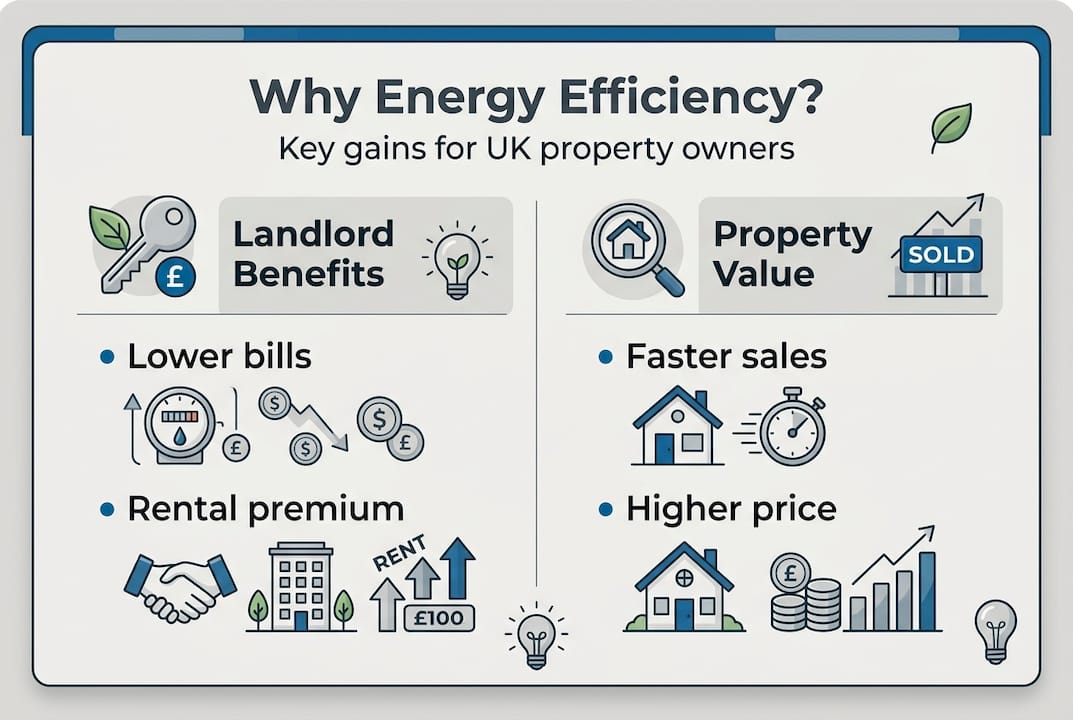
Capital appreciation also favours efficient properties. As buyers factor future running costs and potential MEES compliance work into valuations, poorly-rated homes sell at discounts. Estate agents report that properties requiring significant energy upgrades now achieve 3-5% lower sale prices, with the gap widening as the 2030 deadline approaches.
Pro Tip: Photograph and document all improvement works thoroughly. Future buyers or tenants increasingly request evidence of upgrade quality, and detailed records justify premium pricing while demonstrating your commitment to property standards.
Some upgrade costs exceed the cap, particularly in heritage or listed buildings where planning restrictions limit options. Internal wall insulation in a three-bedroom Victorian terrace might cost £12,000, forcing you to prioritise other improvements that collectively reach grade C within budget. Understanding energy performance in UK properties helps you make these difficult allocation decisions.
Tenant benefits include:
- Reduced energy bills improving affordability
- Enhanced thermal comfort year-round
- Lower carbon footprint for environmentally-conscious renters
- Quieter living spaces from improved insulation
- Better indoor air quality from modern ventilation
Landlord benefits include:
- Higher rental yields from premium positioning
- Reduced void periods and tenant turnover
- Increased property values and marketability
- Compliance with current and future regulations
- Enhanced portfolio resilience against regulatory change
Practical steps to improve property energy performance under new rules
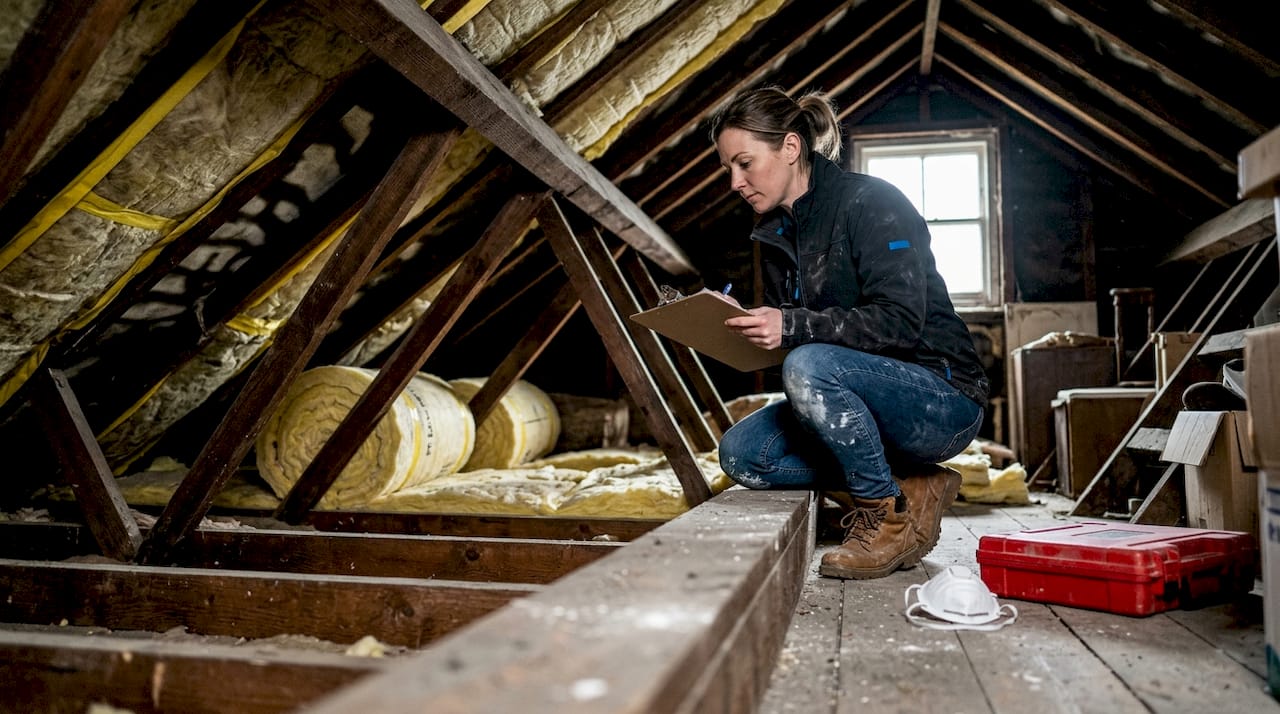
Start with a comprehensive energy audit to identify major losses and retrofit needs. Practical guides recommend portfolio audits, prioritising fabric improvements first, and incorporating low-cost measures like LED lighting before major heating system overhauls. Professional assessors use thermal imaging cameras to reveal heat loss patterns invisible to the naked eye, showing exactly where your money should go.
Prioritise fabric improvements before replacing heating systems. Installing a new boiler in a poorly-insulated property wastes money, as the efficient system simply heats escaping air. Draught proofing, loft insulation, and cavity wall insulation deliver immediate comfort improvements and reduce heating demand, making any subsequent boiler upgrade more effective.
A systematic upgrade approach maximises impact within budget constraints:
- Conduct thermal imaging survey to identify heat loss priorities
- Address draught proofing around doors, windows, and service penetrations
- Install or upgrade loft insulation to 270mm depth minimum
- Fill cavity walls if applicable and not previously done
- Replace single glazing with double or triple glazing
- Upgrade heating controls to smart thermostats with zone control
- Replace old boilers with modern condensing models rated A
- Consider renewable technologies if budget and property suit
Low-cost wins often deliver surprising rating improvements. LED bulbs throughout the property cost £50-£100 but contribute to better energy scores. Smart heating controls costing £200-£400 allow tenants to optimise heating schedules, reducing waste. Reflective radiator panels behind radiators on external walls cost £30-£50 per radiator but improve heat distribution significantly.
Pro Tip: Time major upgrades to coincide with tenant turnover. Empty properties allow faster, less disruptive installation, and you can market the improvements to prospective tenants, justifying any rent increase to cover upgrade costs.
Follow a stepwise plan aligning upgrades with MEES deadlines and cost caps. Spreading work across multiple years helps manage cash flow while demonstrating continuous improvement to authorities. Document every stage thoroughly, keeping quotes, invoices, and completion certificates that prove spending and compliance efforts.
Leverage government pilot programmes and funding where available. While direct landlord grants remain limited, some local authorities offer schemes for specific property types or areas. Energy Company Obligation (ECO) funding occasionally extends to rental properties, particularly those housing vulnerable tenants. Check eligibility early, as programmes often have waiting lists or limited budgets.
Using an energy audit checklist for UK landlords ensures you don’t miss critical improvement opportunities. The checklist approach prevents costly oversights and helps you communicate clearly with contractors about required works.
Practical improvement priorities include:
- Loft insulation upgrade (£300-£500, immediate impact)
- Draught proofing (£100-£200, simple DIY option)
- Cavity wall insulation (£500-£1,500, significant heat retention)
- Smart heating controls (£200-£400, tenant control improvement)
- LED lighting throughout (£50-£100, low cost rating boost)
- Radiator reflector panels (£100-£200, efficiency gain)
- Hot water cylinder jacket (£15-£30, minimal cost)
- Pipe insulation (£50-£100, reduces distribution losses)
Consider how lighting energy savings for UK landlords contribute to overall performance. While lighting represents only 10-15% of domestic energy use, it’s the easiest upgrade to implement and demonstrates your commitment to efficiency. Understanding how to prioritise energy upgrades ensures limited budgets deliver maximum rating improvement.
Find out more with the home energy model resources
Navigating the transition to HEM-based assessments requires detailed understanding of how the new methodology affects your properties. Our comprehensive guide on the home energy model explained for UK properties breaks down the four-metric system in practical terms, showing exactly how assessors will evaluate your buildings from October 2026 onwards.
Different property types require tailored approaches to energy improvement. Explore types of home energy models for landlords to understand how terraced houses, flats, detached homes, and period properties each present unique challenges and opportunities under the new assessment framework.
When you’re ready to implement improvements, our home energy retrofit guide for efficient properties provides step-by-step instructions for common upgrade projects, helping you avoid costly mistakes and maximise return on investment while meeting compliance deadlines.
What happens if my property doesn’t meet MEES by 2030?
What are the penalties for failing to meet MEES requirements?
Local authorities can issue civil penalties up to £30,000 for continued non-compliance with MEES regulations. The fine structure includes £1,000 for renting a non-compliant property for less than three months, £5,000 for three months or more, and additional penalties for providing false information. Your property becomes unlettable until you achieve the minimum standard, resulting in lost rental income that compounds the financial impact.
How will the Home Energy Model affect my current EPC rating?
HEM’s multi-metric assessment typically produces lower ratings than traditional SAP for properties with poor fabric performance, even if heating systems are efficient. The physics-based simulation captures thermal deficiencies that previous monthly calculations overlooked, particularly in older buildings with solid walls or inadequate insulation. You should expect properties currently rated D to potentially drop to E under HEM, requiring more extensive upgrades than originally anticipated.
What are the most cost-effective improvements to meet EPC C?
Fabric improvements deliver the best value, starting with loft insulation at £300-£500 and cavity wall fills at £500-£1,500 where applicable. Draught proofing costs £100-£200 but significantly reduces heat loss around doors and windows. Adding smart heating controls for £200-£400 and replacing all bulbs with LEDs for £50-£100 provides quick rating boosts. These measures combined typically cost £1,500-£3,000 and can lift properties from D to C without major heating system replacement.
Is government funding available for energy upgrades?
Government support for landlords remains limited compared to homeowner schemes, though some local authorities operate targeted programmes for specific property types or geographical areas. The Energy Company Obligation occasionally extends to rental properties housing vulnerable tenants, but eligibility criteria are strict. Scotland and Wales offer different schemes than England, so check your local authority website early. Most landlords must self-fund improvements, making strategic planning and phased upgrades essential for managing costs effectively.