
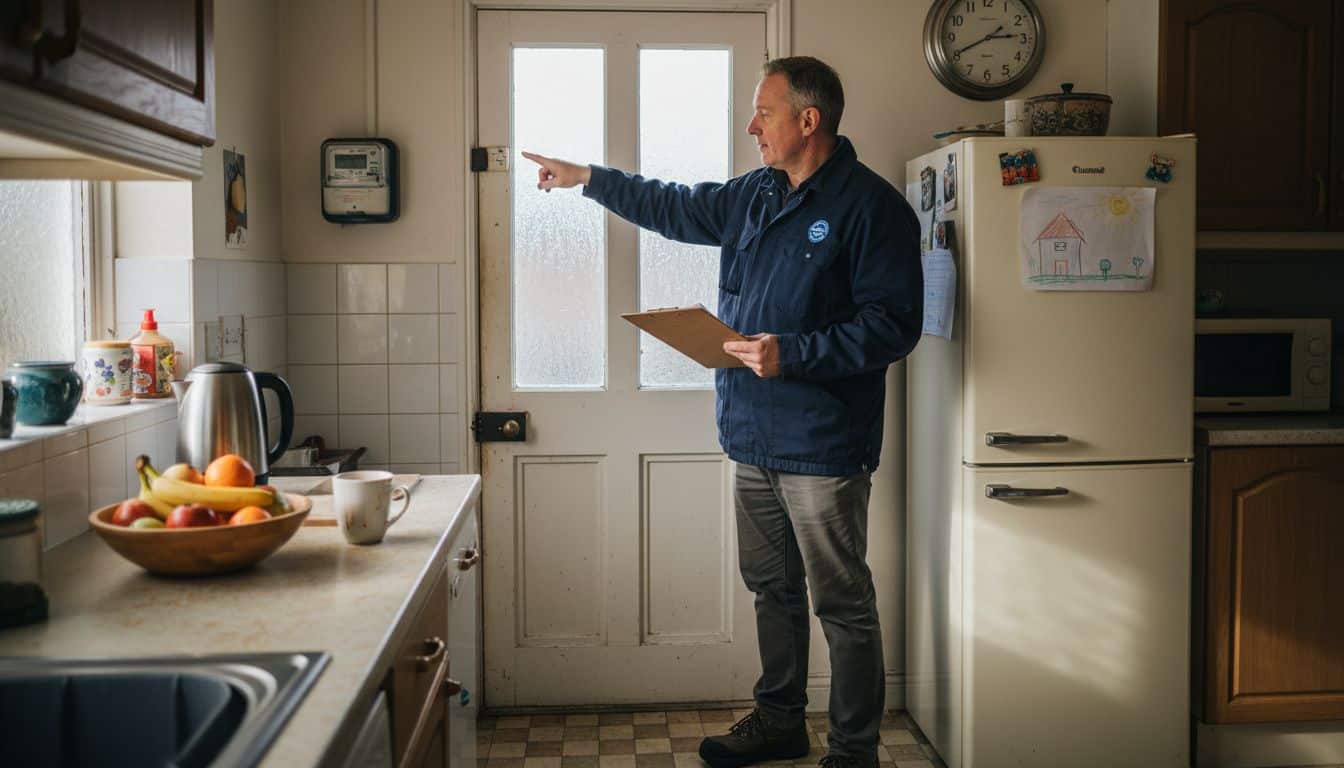
Every British household faces invisible energy drains that quietly impact both budgets and the planet. With more than £1.3 billion lost annually through standby power alone, ignoring these issues can cost more than expected. Taking action means not just saving money but also increasing comfort and property value. This guide reveals how uncovering hidden inefficiency empowers homeowners to transform their space into a smarter and more sustainable British home.
Table of Contents
- Uncover Hidden Energy Wastage In Your Home
- Lower Energy Bills Through Simple Improvements
- Boost Property Value And Market Appeal
- Enhance Comfort With Targeted Upgrades
- Meet Regulatory Requirements And EPC Standards
- Reduce Carbon Footprint And Support Sustainability
- Access Grants And Funding For Energy Improvements
Quick Summary
| Takeaway | Explanation |
|---|---|
| 1. Conduct a Home Energy Assessment | A professional assessment identifies energy wastage, providing a roadmap to enhance efficiency and reduce costs. |
| 2. Implement Simple Energy Improvements | Upgrading insulation, windows, and appliances can lead to significant savings without expensive renovations. |
| 3. Understand EPC Standards | Meeting Energy Performance Certificate requirements is crucial for compliance and enhances property marketability. |
| 4. Explore Available Grants and Funding | Research government schemes for financial support in implementing energy efficiency upgrades, easing financial burdens. |
| 5. Focus on Sustainable Practices | Enhancing energy efficiency reduces carbon footprints and supports broader environmental sustainability goals. |
1. Uncover Hidden Energy Wastage in Your Home
Every British home harbours potential energy inefficiencies that silently drain household budgets and environmental resources. A professional home energy assessment reveals these hidden sources of waste, providing a comprehensive roadmap to optimise your property’s energy performance.
Standby power consumption represents a significant yet often overlooked energy drain. Government research reveals that UK households can waste up to £86 annually through devices left unnecessarily powered on. These so-called ‘vampire devices’ consume electricity even when seemingly inactive, creating an invisible financial burden.
A thorough home energy assessment systematically identifies these wastage points by examining electrical systems, insulation quality, heating efficiency, and appliance performance. Trained energy assessors use specialised diagnostic tools to pinpoint exact areas where energy efficiency can be improved, transforming abstract concepts into actionable recommendations.
Key Areas of Hidden Energy Wastage Include:
- Poorly sealed windows and doors
- Insufficient wall and roof insulation
- Outdated electrical appliances
- Inefficient heating systems
- Unoptimised thermostat settings
By uncovering these hidden energy drains, homeowners can implement targeted improvements that substantially reduce energy consumption. Smart home energy saving habits can complement professional assessment recommendations, creating a comprehensive strategy for energy efficiency.
The financial benefits extend beyond immediate bill reductions. Addressing energy wastage increases property value, improves comfort, and contributes to broader environmental sustainability efforts. A professional energy assessment transforms your home from an energy-consuming space into an efficiently optimised living environment.
2. Lower Energy Bills Through Simple Improvements
Reducing household energy expenditure does not require complex or expensive renovations. Strategic, targeted improvements can yield substantial financial savings and enhance overall property efficiency.
Government research demonstrates that implementing targeted energy efficiency measures can dramatically decrease household energy consumption. Low-income households have particularly benefited from these interventions, with some families saving up to £200 annually through intelligent upgrades.
Key Simple Improvements Include:
- Upgrading wall and roof insulation
- Installing double glazing windows
- Upgrading to energy efficient appliances
- Implementing smart thermostat controls
- Sealing air leaks around doors and windows
Professional home energy assessments provide customised recommendations tailored to your specific property. These assessments identify precise opportunities for improvement, enabling homeowners to make informed decisions about energy efficiency investments.
The financial benefits extend beyond immediate bill reductions. Energy efficient home upgrades can increase property value, improve living comfort, and contribute to broader environmental sustainability goals.
By approaching energy efficiency systematically, UK homeowners can transform their properties into models of economic and environmental responsibility. Simple, strategic improvements represent a powerful pathway to reducing energy bills while creating more comfortable living spaces.
3. Boost Property Value and Market Appeal
Property value in the UK increasingly depends on energy efficiency ratings and sustainability credentials. A comprehensive home energy assessment offers more than just potential bill savings it represents a strategic investment in your property’s marketability.
Government research through the Green Deal scheme demonstrates that energy efficiency improvements directly correlate with increased property attractiveness and market value. Potential buyers now actively seek homes with proven energy performance and lower running costs.
Key Property Value Enhancement Strategies:
- Obtain an updated Energy Performance Certificate (EPC)
- Implement recommended energy efficiency improvements
- Showcase documented energy efficiency credentials
- Highlight potential long term cost savings
- Demonstrate commitment to sustainable living
Modern homebuyers are increasingly environmentally conscious and financially savvy. Energy efficient home upgrades can differentiate your property in a competitive real estate market, potentially commanding higher sale prices and attracting more discerning purchasers.
Beyond immediate financial returns, energy efficient properties contribute to broader environmental sustainability goals. By investing in a professional home energy assessment, homeowners transform their property from a simple living space into a modern, responsible, and attractive asset.
4. Enhance Comfort with Targeted Upgrades
Home comfort extends far beyond temperature control it represents a holistic approach to creating a living environment that supports wellbeing and quality of life. A professional home energy assessment provides targeted insights into improving your property’s thermal performance and overall comfort.
Government research highlights that proper insulation plays a crucial role in creating a consistently comfortable indoor environment. By retaining heat effectively, targeted upgrades can transform cold, draughty spaces into warm, welcoming areas where residents feel genuinely comfortable.
Comfort Enhancement Strategies:
- Upgrade wall and roof insulation
- Install double glazed windows
- Implement draught proofing solutions
- Upgrade heating system controls
- Add thermal curtains and window treatments
Modern energy efficiency improvements go beyond simple temperature regulation. Energy efficient home upgrades can create living spaces that respond intelligently to changing environmental conditions, providing consistent warmth and reducing uncomfortable temperature fluctuations.
By investing in a comprehensive home energy assessment, homeowners can unlock a more comfortable living environment. These strategic upgrades not only improve thermal performance but also contribute to a sense of wellbeing and satisfaction within the home.
5. Meet Regulatory Requirements and EPC Standards
Navigating the complex landscape of UK property energy regulations requires strategic planning and proactive assessment. A comprehensive home energy assessment provides property owners with a clear roadmap to achieving compliance and avoiding potential legal complications.
Government guidance emphasises the critical importance of maintaining an acceptable Energy Performance Certificate (EPC) rating. Properties with an EPC rating of D or lower may face significant regulatory challenges, particularly for landlords and property investors.
Key Regulatory Compliance Strategies:
- Obtain a current Energy Performance Certificate
- Understand minimum energy efficiency standards
- Implement recommended energy improvement measures
- Track changes in building regulations
- Prepare documentation for potential inspections
UK building regulations are continuously evolving, with Part L compliance standards becoming increasingly stringent. A professional home energy assessment helps property owners stay ahead of these regulatory changes, ensuring their properties remain compliant and marketable.
Beyond mere legal compliance, these assessments represent an opportunity to future proof properties against incoming environmental and energy efficiency legislation. By proactively addressing potential regulatory requirements, homeowners can transform potential challenges into strategic advantages.
6. Reduce Carbon Footprint and Support Sustainability
Every UK property represents an opportunity to contribute meaningfully to national sustainability goals. A professional home energy assessment provides a strategic pathway for homeowners to actively reduce their carbon emissions and support environmental conservation.
Government research highlights that improving building energy efficiency is a critical strategy for reducing national carbon emissions. Low carbon heating systems, enhanced insulation, and targeted energy improvements can significantly decrease a property’s environmental impact.
Carbon Reduction Strategies:
- Implement recommended energy efficiency upgrades
- Install low carbon heating technologies
- Improve home insulation
- Upgrade to energy efficient appliances
- Monitor and reduce energy consumption
The UK government’s commitment to sustainability is evident through initiatives like the ECO+ scheme, which supports homeowners in reducing energy consumption and carbon emissions. By taking proactive steps, property owners can play a crucial role in achieving broader national environmental objectives.
Beyond individual benefits, these energy efficiency improvements represent a collective effort towards creating a more sustainable future. Each property that reduces its carbon footprint contributes to the UK’s ambitious climate action goals.
7. Access Grants and Funding for Energy Improvements
Navigating the complex landscape of energy efficiency funding can unlock substantial financial support for UK homeowners. A comprehensive home energy assessment serves as the critical first step in identifying and accessing valuable government grants and funding opportunities.
Government initiatives like the Energy Company Obligation provide targeted financial support for energy efficiency improvements. These schemes offer crucial assistance to homeowners seeking to upgrade their property’s energy performance without bearing the entire financial burden.
Grant and Funding Exploration Strategies:
- Research available government energy efficiency schemes
- Obtain a professional home energy assessment
- Understand eligibility criteria for different grants
- Prepare detailed property improvement documentation
- Consult with local energy efficiency advisors
The Warm Homes Plan represents a significant opportunity, aiming to upgrade up to 300,000 homes through targeted financial support. This initiative demonstrates the government’s commitment to helping households improve their energy performance while managing upgrade costs.
By strategically leveraging these funding opportunities, homeowners can transform their properties into more energy efficient spaces while minimising out of pocket expenses. A professional home energy assessment provides the roadmap to accessing these valuable financial resources.
Below is a comprehensive table summarising the key strategies and benefits discussed in the article regarding energy efficiency assessments and improvements for UK homes.
| Strategy | Implementation | Expected Benefits |
|---|---|---|
| Uncover Hidden Wastage | Conduct a professional home energy assessment to identify inefficiencies like poorly sealed windows and outdated appliances. | Reduces energy waste, lowers bills, and decreases environmental impact. |
| Simple Improvements | Upgrade insulation, install double glazing, and use smart thermostats. | Decreases energy consumption, enhances efficiency, and saves up to £200 annually. |
| Boost Property Value | Invest in energy efficiency improvements and obtain an updated EPC. | Increases market value and appeal to environmentally conscious buyers. |
| Enhance Comfort | Improve insulation and heating system controls. | Provides consistent warmth and comfort, improving overall quality of life. |
| Meet Regulatory Standards | Stay informed on EPC requirements and implement necessary upgrades. | Avoids legal issues and ensures property compliance with evolving regulations. |
| Reduce Carbon Footprint | Install low-carbon heating and upgrade appliances. | Contributes to national sustainability goals and reduces carbon emissions. |
| Access Grants and Funding | Research and apply for government energy schemes like the Energy Company Obligation. | Supports energy upgrades financially, minimising homeowner costs. |
Unlock the Full Potential of Your Home Energy Assessment Today
If you are looking to reduce your energy bills, boost your property value, and ensure full compliance with the latest UK energy regulations the challenges outlined in the article highlight the need for expert guidance in navigating these complex requirements. Homeowners and property investors face critical decisions about energy efficiency upgrades, staying ahead of regulatory changes like EPC standards and the upcoming Home Energy Model (HEM) methodology.
Discover how homeenergymodel.co.uk can be your trusted resource to understand the upcoming HEM and its impact on Energy Performance Certificates and property market appeal. Our detailed insights and practical advice empower you to make informed choices, access government grants, and implement effective energy upgrades. Take control of your property’s future and transform hidden energy inefficiencies into measurable savings now. Visit homeenergymodel.co.uk to get started and embrace sustainable property management with confidence.
Frequently Asked Questions
What is the purpose of a home energy assessment?
A home energy assessment aims to identify energy inefficiencies in your property, revealing hidden sources of energy wastage. Schedule an assessment to get specific recommendations for improving your home’s energy performance.
How can a home energy assessment help reduce my energy bills?
A home energy assessment identifies key areas for improvement, enabling you to implement targeted measures that can significantly lower your energy consumption. Take action by addressing these recommendations, which could result in savings of up to £200 annually on your energy bills.
What specific benefits can I expect from a professional home energy assessment?
A professional home energy assessment not only uncovers energy wastage but also enhances your property’s market appeal, increases comfort, and ensures compliance with regulatory requirements. Invest in an assessment to leverage these benefits and improve your home’s living environment.
How does a home energy assessment contribute to sustainability?
By identifying energy inefficiencies, a home energy assessment encourages homeowners to make improvements that lower carbon emissions and support environmental conservation. Commit to implementing the recommended upgrades to help meet national sustainability goals.
What steps should I follow to prepare for a home energy assessment?
To prepare for a home energy assessment, ensure that your property is accessible, gather relevant information about existing energy systems, and note any specific concerns you may have regarding energy use. This preparation will help the assessor provide tailored recommendations for your property’s needs.