
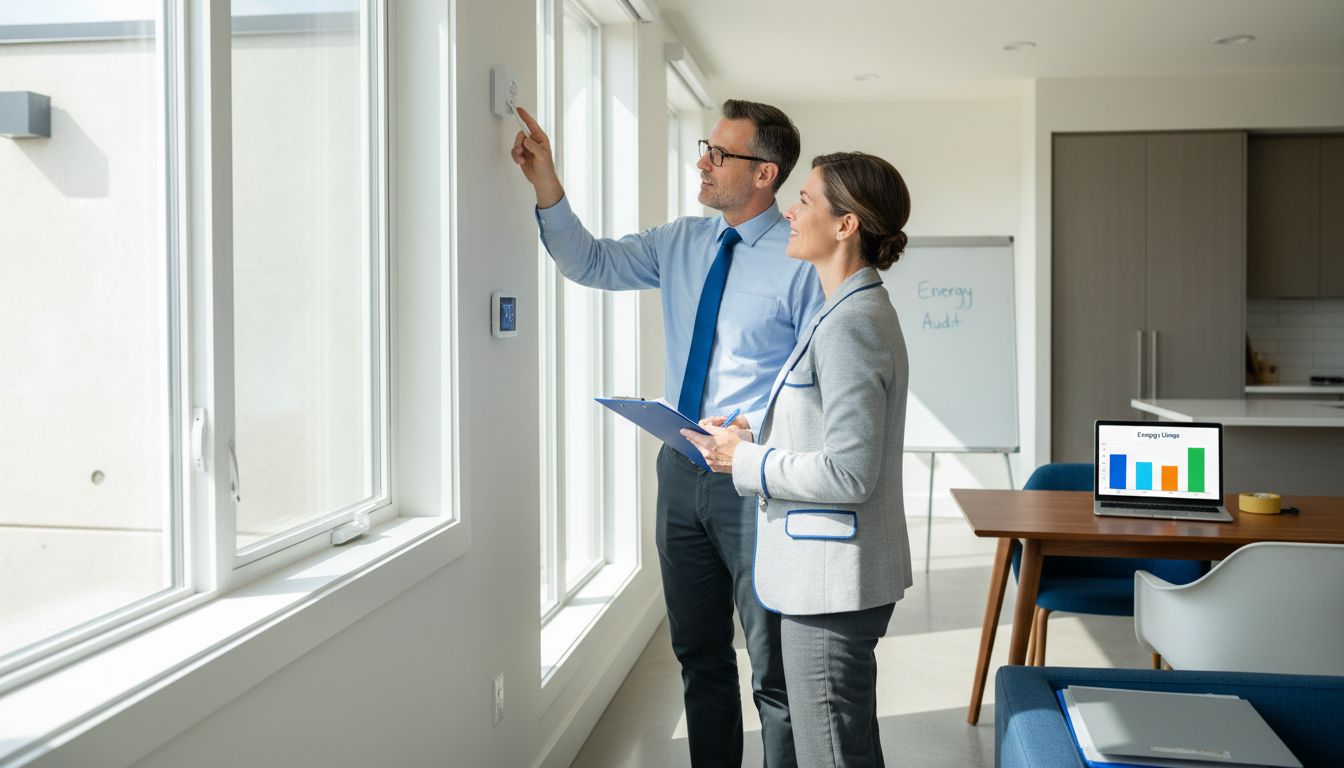
Most british households could cut their energy bills by up to 30% with a better understanding of their daily habits and systems. Facing high costs and rising environmental concerns, property owners across the UK are searching for practical ways to control energy use. If you want to make a real difference in your household budget and carbon footprint, simple steps from bill analysis to smart upgrades can help you achieve lasting savings and comfort.
Table of Contents
- Understand Your Energy Bills And Usage Patterns
- Conduct A Thorough Home Or Building Energy Audit
- Upgrade To Energy Efficient Lighting And Appliances
- Improve Insulation And Draught Proofing
- Enhance Heating And Hot Water System Efficiency
- Install Smart Controls And Monitor Consumption
- Review And Maintain Regular Energy Saving Habits
Quick Summary
| Key Insight | Explanation |
|---|---|
| 1. Understand your energy bills | Carefully analyse your energy bills to identify consumption patterns, enabling strategic energy-saving measures. |
| 2. Conduct an energy audit | A thorough energy audit highlights inefficiencies and improvement opportunities, potentially reducing consumption by 20-30%. |
| 3. Upgrade to energy efficient appliances | Replacing older appliances can cut electricity use by up to 40%, leading to significant cost savings. |
| 4. Improve insulation and draught proofing | Effective insulation can decrease heat loss by 35%, lowering heating costs and enhancing comfort. |
| 5. Implement smart controls | Smart monitoring systems provide real-time insights into usage, enabling property owners to reduce consumption by up to 20%. |
1. Understand Your Energy Bills and Usage Patterns
Deciphering your energy bills is the foundational step towards effective energy management and cost reduction. Property owners can transform their understanding of energy consumption by carefully examining their billing statements and recognising the key components that drive their overall usage.
Every energy bill contains critical information that reveals your household’s electricity and gas consumption patterns. Key elements to analyse include:
- Kilowatt-hour (kWh) measurements
- Current tariff rates
- Total energy consumption
- Standing charges
- Peak and off-peak usage times
Reading your bill requires attention to detail. Domestic energy consumption patterns demonstrate that most households can reduce their energy expenditure by understanding their usage profile. By tracking your consumption, you can identify potential areas of waste and implement targeted energy-saving strategies.
Practically speaking, most energy suppliers provide detailed breakdowns that show your monthly or quarterly energy consumption. Look for graphs or charts that illustrate your usage trends. These visual representations can help you spot unusual spikes in energy consumption and understand which appliances or behaviours might be driving higher costs.
Most UK households can save approximately 10-15% on their energy bills by becoming more aware of their consumption patterns. Start by comparing your current bill with previous months and noting any significant variations. Are there unexplained increases? Do certain months show higher consumption? Understanding these patterns empowers you to make informed decisions about your energy use.
2. Conduct a Thorough Home or Building Energy Audit
An energy audit represents the most strategic approach to understanding and improving your property’s energy performance. This comprehensive assessment provides an essential roadmap for identifying inefficiencies and prioritising potential improvements.
Key components of an effective energy audit include:
- Detailed assessment of building insulation
- Evaluation of heating and cooling systems
- Analysis of window and door thermal performance
- Inspection of electrical systems and appliance efficiency
- Identification of air leakage points
Energy performance assessments reveal that properties can typically reduce energy consumption by 20 to 30% through targeted interventions identified during a thorough audit.
Professional energy auditors use specialised equipment such as thermal imaging cameras and blower door tests to detect hidden energy losses. These advanced diagnostic tools can pinpoint precise areas where heat escapes or cold air infiltrates your building envelope.
Practical audit steps for property owners:
- Document current energy consumption
- Inspect building structure and insulation
- Test heating and cooling system efficiency
- Assess electrical systems and appliance performance
- Identify potential retrofit opportunities
While some basic assessments can be conducted independently, professional energy auditors provide the most comprehensive and accurate evaluations. Their expertise ensures you receive a detailed report with specific recommendations tailored to your property’s unique characteristics.
Understanding your building’s energy profile through a comprehensive audit empowers you to make informed decisions about potential upgrades, potentially saving significant money on energy expenses while reducing your carbon footprint.
3. Upgrade to Energy Efficient Lighting and Appliances
Transitioning to energy efficient lighting and appliances represents a powerful strategy for reducing household energy consumption and cutting utility expenses. Modern technology offers numerous opportunities to minimise electricity usage without compromising performance or comfort.
Key considerations for energy efficient upgrades include:
- LED lighting technology
- Energy rating classifications
- Smart appliance features
- Replacement cycles for old equipment
- Power consumption metrics
Efficient appliance upgrades can reduce household electricity consumption by up to 40% compared to older models. This substantial reduction translates directly into meaningful financial savings and reduced environmental impact.
Practical recommendations for property owners:
- Replace traditional incandescent bulbs with LED alternatives
- Select appliances with highest energy efficiency ratings
- Invest in smart power strips to eliminate standby energy waste
- Consider inverter technology for major electrical systems
- Regularly maintain and service electrical equipment
Modern LED lighting consumes approximately 75% less electricity than traditional bulbs while providing equivalent or superior illumination. Smart refrigerators, washing machines, and heating systems now incorporate advanced technologies that dramatically reduce energy consumption without sacrificing performance.
Property owners should prioritise equipment with A or A+ energy ratings when replacing existing appliances. These ratings guarantee lower electricity usage and represent a sound long term investment in both financial and environmental sustainability.
4. Improve Insulation and Draught Proofing
Effective insulation and draught proofing represent critical strategies for maintaining comfortable indoor temperatures while significantly reducing energy consumption. Proper thermal management can transform a property’s energy efficiency and reduce heating costs substantially.
Primary areas for insulation and draught proofing include:
- Roof and loft spaces
- External and internal walls
- Windows and door frames
- Flooring systems
- Attic and basement areas
Energy efficient home upgrades demonstrate that comprehensive insulation can reduce heat loss by up to 35% in residential properties.
Practical draught proofing strategies:
- Seal gaps around window and door frames
- Install weather stripping
- Use thermal curtains and blinds
- Apply expanding foam to internal wall cavities
- Check and replace worn window seals
Modern insulation materials such as sheep wool, recycled plastic, and aerogel offer superior thermal performance compared to traditional fibreglass. These innovative solutions provide excellent heat retention while being environmentally friendly and sustainable.
Property owners should prioritise a whole building approach to insulation. This means considering not just individual elements but how different building components interact to create a comprehensive thermal envelope. Strategic investments in quality insulation can lead to significant long term energy savings and improved property comfort.
5. Enhance Heating and Hot Water System Efficiency
Maximising the performance of heating and hot water systems represents a critical strategy for reducing energy consumption and lowering utility expenses. Modern property owners have multiple opportunities to optimise their thermal management and achieve significant efficiency improvements.
Critical aspects of heating system optimisation include:
- Boiler efficiency ratings
- Thermostat programming
- Radiator performance
- Pipe insulation
- Heat distribution technologies
Energy saving tips for home heating demonstrate that strategic upgrades can reduce heating costs by up to 30% in residential properties.
Practical efficiency enhancement strategies:
- Install programmable digital thermostats
- Service boilers annually
- Implement zonal heating controls
- Add thermal radiator reflector panels
- Upgrade to high efficiency condensing boilers
Modern condensing boilers operate at approximately 90% efficiency compared to older models which typically achieved only 60 to 70% efficiency. This technological advancement represents a substantial opportunity for energy conservation and reduced carbon emissions.
Property owners should consider emerging technologies such as air source heat pumps and smart heating systems. These innovative solutions provide precise temperature management and can dramatically reduce overall energy consumption while maintaining optimal indoor comfort levels.
6. Install Smart Controls and Monitor Consumption
Smart controls represent a revolutionary approach to understanding and managing household energy consumption. These intelligent systems provide real time insights into electricity usage, enabling property owners to make informed decisions about their energy expenditure.
Essential smart control technologies include:
- WiFi enabled energy monitors
- Smart thermostats
- Intelligent power strips
- Digital consumption dashboards
- Mobile tracking applications
Smart home energy saving techniques demonstrate that intelligent monitoring can reduce energy consumption by up to 20% through targeted interventions.
The UK Government provides comprehensive guidance on how smart meters work to track energy consumption, offering property owners unprecedented visibility into their electricity and gas usage patterns.
Practical implementation strategies:
- Install comprehensive smart metre systems
- Configure real time energy tracking apps
- Set automated energy consumption alerts
- Implement zonal power management
- Analyse monthly consumption reports
Modern smart control systems go beyond simple monitoring. They provide predictive analytics that help identify inefficient appliances, unusual consumption patterns, and opportunities for energy conservation. By transforming raw data into actionable insights, these technologies empower property owners to make strategic decisions about their energy use.
7. Review and Maintain Regular Energy Saving Habits
Sustaining energy efficiency requires consistent commitment and regular review of established practices. Successful property owners recognise that energy saving is not a one time activity but an ongoing process of monitoring, adapting, and improving consumption patterns.
Key elements of maintaining energy saving habits include:
- Quarterly energy performance reviews
- Annual system maintenance checks
- Performance tracking and analysis
- Continuous learning about new technologies
- Regular equipment efficiency assessments
Energy saving steps for UK homes demonstrate that properties can sustain long term efficiency through disciplined and systematic approaches.
Strategic habit maintenance techniques:
- Create a digital energy performance dashboard
- Schedule regular maintenance appointments
- Benchmark your energy consumption quarterly
- Stay informed about emerging energy technologies
- Continuously update and adapt your strategies
Successful energy management involves developing a proactive mindset. Property owners should treat their energy consumption like a dynamic system requiring constant attention and refinement. By establishing routine reviews and maintaining flexibility, households can consistently optimise their energy performance and reduce overall consumption.
Below is a comprehensive table summarising energy management strategies from understanding bills to maintaining energy saving habits.
| Strategy | Key Actions | Expected Benefits |
|---|---|---|
| Understand Energy Bills | Analyse kilowatt-hour measurements, tariff rates, consumption, and usage patterns | Identify waste, potential savings of 10-15% |
| Conduct Energy Audit | Assess insulation, systems efficiency, and air leakage | Reduce consumption by 20-30% |
| Upgrade Lighting & Appliances | Use LED lights, energy efficient appliances, smart power strips | Reduce electricity use by up to 40% |
| Improve Insulation & Draught Proofing | Apply insulation to roofs/walls, seal gaps, use thermal curtains | Reduce heat loss by up to 35% |
| Enhance Heating & Hot Water Efficiency | Install digital thermostats, efficient boilers, and zonal controls | Lower heating costs by up to 30% |
| Install Smart Controls | Use energy monitors, smart thermostats, and tracking apps | Reduce energy use by up to 20% |
| Maintain Energy Saving Habits | Regularly review energy use, maintain systems, stay informed | Sustained long-term efficiency improvements |
Take Control of Your Property’s Energy Future Today
Understanding and managing your property’s energy consumption can feel overwhelming. The 7-Step Energy Saving Checklist highlights common challenges such as deciphering complex energy bills, identifying inefficiencies through audits, and choosing the right upgrades to meet evolving standards. If reducing costs and meeting the Future Homes Standard are your goals, you are not alone. Many property owners struggle with making sense of new regulations and finding practical, effective solutions.
Discover how homeenergymodel.co.uk can support you with trusted guidance on the upcoming Home Energy Model and practical advice for improving energy performance. Access expert insights on energy audits, efficient appliances, and smart controls tailored for UK properties. Act now to stay ahead of regulatory changes and maximise savings by exploring our resources on energy performance assessments and energy saving tips for home heating. Your property’s energy future starts with informed decisions. Visit homeenergymodel.co.uk today and take the next step towards lasting energy efficiency.
Frequently Asked Questions
How can I understand my energy bills better?
By examining your energy bills closely, you can identify key components like kilowatt-hour usage and tariff rates. Start by comparing your current bill with past statements to spot any unusual patterns in your energy consumption.
What steps should I take to conduct a home energy audit?
Begin by documenting your current energy usage and inspecting your insulation, heating, and cooling systems. Follow up with an analysis of air leakage points to identify areas for improvement.
What energy-efficient upgrades should I consider for my home?
Focus on replacing traditional lighting with LEDs and upgrading to appliances with high efficiency ratings. These changes can reduce electricity consumption by up to 40% and lead to significant savings on bills.
How can I improve the insulation and draught proofing in my property?
Seal gaps around windows and doors, and consider installing weather stripping and thermal curtains. Effective insulation can reduce heat loss by up to 35%, making your home more comfortable and energy efficient.
What are the best practices for enhancing heating system efficiency?
Install programmable thermostats and ensure regular servicing of your boiler. Implementing these practices can help lower heating costs by up to 30% and improve overall system performance.
How can I monitor my energy consumption effectively?
Utilise smart controls such as energy monitors and mobile tracking applications to gain real-time insights into your energy usage. Set automated alerts to stay informed about consumption patterns and proactively manage your habits.
Recommended
- 7 Smart Home Energy Saving Habits Every Property Owner Needs – Home Energy Model
- 7 Key Energy Efficiency Benefits for UK Property Owners – Home Energy Model
- 7 Smart Energy Efficient Home Upgrades for Property Owners – Home Energy Model
- Energy Saving Tips 2025: Achieve Maximum Efficiency at Home – Home Energy Model
- The Essential Guide to Saving Energy at Home – Projector Display
- 7 Essential Items for a Building Inspection Checklist – FloridaLicensedEngineers.com