
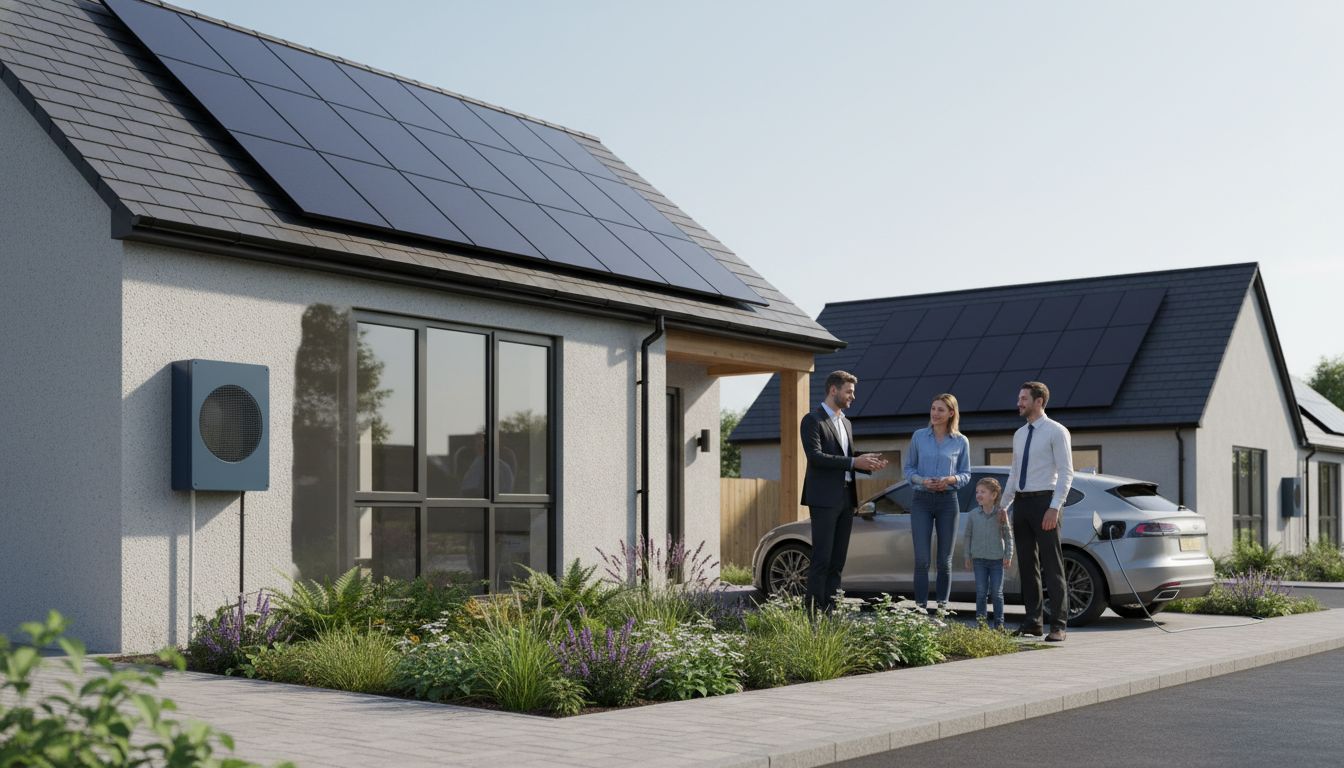
Residential buildings account for 20 percent of the UK’s greenhouse gas emissions, putting them squarely in the spotlight of climate action. As pressure mounts to cut emissions and energy costs, understanding what makes a home truly zero carbon becomes crucial for homeowners and developers alike. This article unpacks the fundamental standards, design strategies, and technologies driving zero carbon homes, setting the stage for a more sustainable and future-ready way of living.
Table of Contents
- Defining Zero Carbon Home Standards
- UK Policy And Regulatory Framework
- Key Design Features And Technologies
- Steps To Achieve Zero Carbon Homes
- Financial Implications And Incentives
Key Takeaways
| Point | Details |
|---|---|
| Zero Carbon Home Principles | Zero carbon homes must produce equal or more energy than consumed, focusing on energy efficiency and renewable solutions. |
| UK Policy Framework | The UK aims for net zero emissions by 2050, mandating stringent energy standards and a transition from fossil fuels in housing. |
| Key Design Features | Effective integration of advanced insulation, renewable technologies, and smart systems is vital for achieving zero emissions in homes. |
| Financial Considerations | Initial investments in zero carbon homes are offset by long-term savings on energy and potential increases in property value. |
Defining Zero Carbon Home Standards
A zero carbon home represents a groundbreaking approach to residential construction that fundamentally reimagines how buildings interact with energy systems. According to zerocarbonhousebirmingham, this innovative concept involves creating a building that produces at least as much energy as it consumes, primarily through renewable energy sources.
The core principles of a zero carbon home extend beyond simple energy neutrality. These dwellings are designed to dramatically reduce carbon emissions through sophisticated strategies:
- Maximising energy efficiency through superior insulation
- Integrating renewable energy generation technologies
- Minimising overall energy consumption through intelligent design
- Utilising smart home technologies for precise energy management
CIBSE highlights that the UK Net Zero Carbon Buildings Standard, launching in September 2024, will provide a comprehensive and consistent methodology for defining these advanced residential structures. This standard represents a critical milestone in establishing clear guidelines for what constitutes a truly zero carbon home.
Achieving zero carbon status requires a holistic approach that considers the entire lifecycle of a home’s energy consumption. This means not just generating renewable energy, but also implementing comprehensive design strategies that reduce energy demand from the outset. Architects and builders must consider everything from material selection and construction techniques to long-term operational energy requirements, creating homes that are both environmentally responsible and technologically advanced.
UK Policy and Regulatory Framework
The UK’s commitment to decarbonizing residential buildings has become increasingly robust, with comprehensive policy frameworks designed to transform the housing sector. Commonslibrary reveals a critical context: residential buildings currently account for 20% of the UK’s greenhouse gas emissions, compelling the government to establish a legally binding target to reduce net emissions by 100% by 2050 compared with 1990 levels.
Key policy milestones are driving this transformative agenda:
- Legally binding net zero emissions target by 2050
- Comprehensive decarbonization strategies for residential buildings
- Phased implementation of stringent energy efficiency standards
- Progressive elimination of fossil fuel heating systems
CIBSE Journal highlights the pivotal Future Homes and Buildings Standard, set to revolutionize construction practices from 2025. This landmark regulation mandates that new homes must be ‘zero carbon ready’, effectively prohibiting fossil fuel heating systems and ensuring buildings can seamlessly integrate with a decarbonized electricity grid.
The regulatory landscape is pushing the construction industry towards unprecedented levels of energy efficiency and sustainability. Developers and homeowners must now navigate increasingly complex requirements that prioritize low-carbon technologies, superior insulation, and renewable energy integration. These policies are not merely suggestions but mandatory frameworks designed to fundamentally reshape how homes are conceived, constructed, and operated in the pursuit of a zero carbon future.
Key Design Features and Technologies
Zero carbon homes represent a sophisticated approach to residential design, integrating cutting-edge technologies and innovative architectural strategies. Zero Carbon House Birmingham highlights the critical elements required to achieve zero net CO₂ emissions, emphasizing the importance of comprehensive design that goes far beyond traditional building methods.
The core technological and design features of a zero carbon home include:
- Thermal Efficiency: Advanced insulation techniques that minimize heat loss
- Renewable Energy Generation: Integrated solar panels, wind turbines, or ground source heat pumps
- Smart Home Technologies: Intelligent energy management systems
- Low-Carbon Materials: Sustainable and recycled building materials
- Passive Design Strategies: Optimal building orientation and natural ventilation
En showcases a pioneering example through the Beddington Zero Energy Development, the first large-scale UK community to demonstrate how zero carbon design can be practically implemented. This landmark project illustrates how comprehensive design can create homes that generate as much energy as they consume, utilizing innovative approaches to construction and energy management.
Beyond individual technologies, zero carbon homes require a holistic approach that considers the entire building ecosystem. Architects and engineers must carefully balance thermal performance, energy generation, and consumption, creating buildings that are not just energy-neutral but actively contribute to reducing overall carbon emissions. This means selecting materials with low embodied carbon, implementing highly efficient mechanical systems, and designing spaces that naturally minimize energy requirements through intelligent architectural decisions.
Steps to Achieve Zero Carbon Homes
Transforming existing homes and designing new constructions to achieve zero carbon status requires a strategic, multi-faceted approach. Henley highlights the government’s ambitious target, proposing that privately rented dwellings must meet an enhanced minimum energy efficiency standard of Grade C by 2028, signaling a critical push towards sustainable housing.
Key steps to achieving a zero carbon home include:
-
Comprehensive Energy Assessment
- Conduct detailed energy performance evaluations
- Identify specific areas of energy inefficiency
- Create a targeted retrofit strategy
-
Thermal Envelope Optimization
- Upgrade insulation in walls, roof, and floors
- Implement advanced draught-proofing techniques
- Install high-performance windows and doors
-
Renewable Energy Integration
- Install solar photovoltaic panels
- Consider ground or air source heat pumps
- Implement battery storage systems
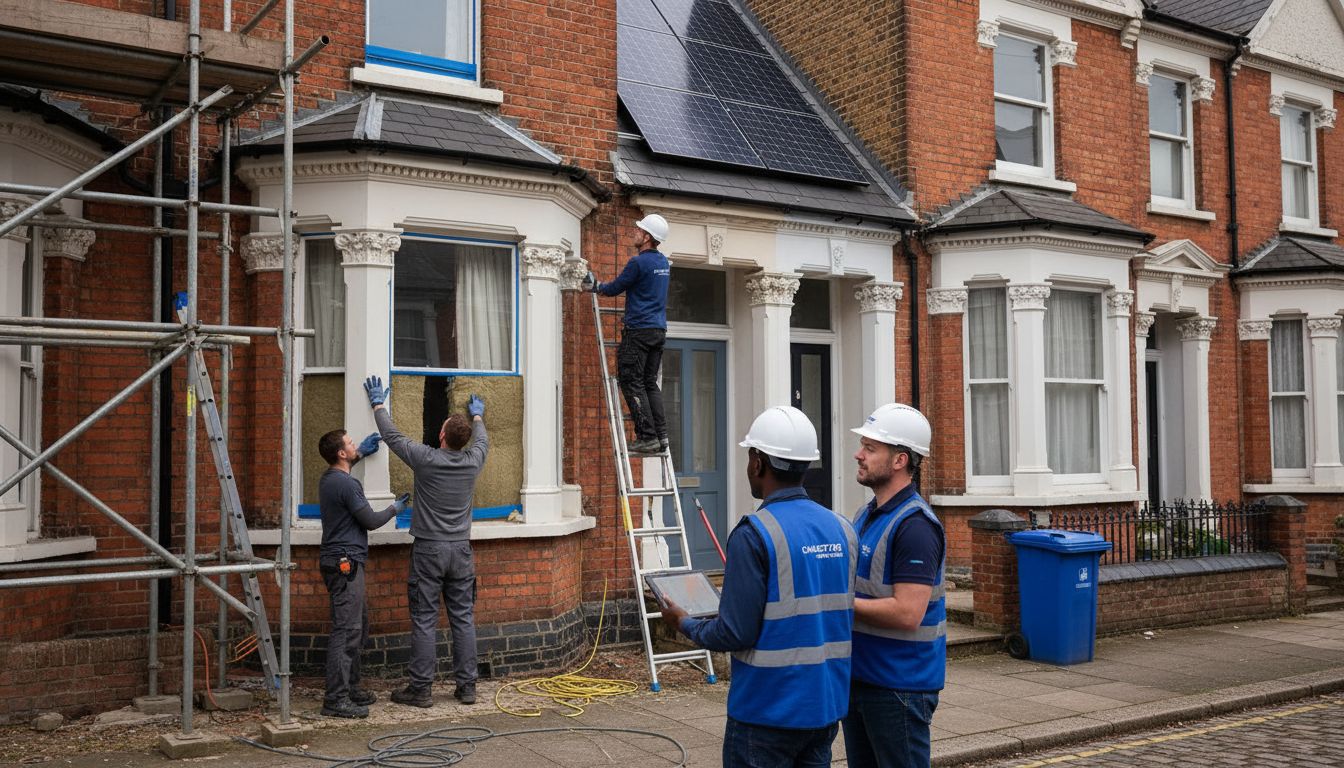
Zero Carbon House Birmingham offers an inspiring practical example, successfully transforming a 170-year-old Victorian terrace into a zero carbon home through strategic upgrades focusing on insulation, airtightness, and renewable energy sources.
Successful zero carbon home transformation is not a one-size-fits-all approach. It requires a comprehensive strategy that combines technological innovation, intelligent design, and a commitment to continuous improvement. How to Reduce Carbon Footprint at Home: Practical Steps homeowners must be prepared to invest time and resources into understanding their specific property’s unique characteristics, embracing a holistic approach that considers everything from building fabric to energy generation and consumption patterns.
Financial Implications and Incentives
The journey towards zero carbon homes involves significant financial considerations that have evolved dramatically in recent years. Zero Carbon House Birmingham provides compelling evidence of this evolution, noting that while zero carbon construction initially cost approximately £150 per square foot in 2009 (compared to £120 for standard housing), by 2014 the additional cost had dramatically reduced to around £5,000 per home, signaling a promising trend of increasing affordability.
Key financial aspects for homeowners and developers include:
-
Initial Investment Costs
- Higher upfront expenses for advanced technologies
- Potential for long-term energy savings
- Reduced operational expenses
-
Government Incentives
- Tax relief for energy-efficient improvements
- Grants for renewable energy installations
- Potential increased property value
-
Ongoing Cost Benefits
- Significantly reduced energy bills
- Lower maintenance expenses
- Protection against future energy price increases
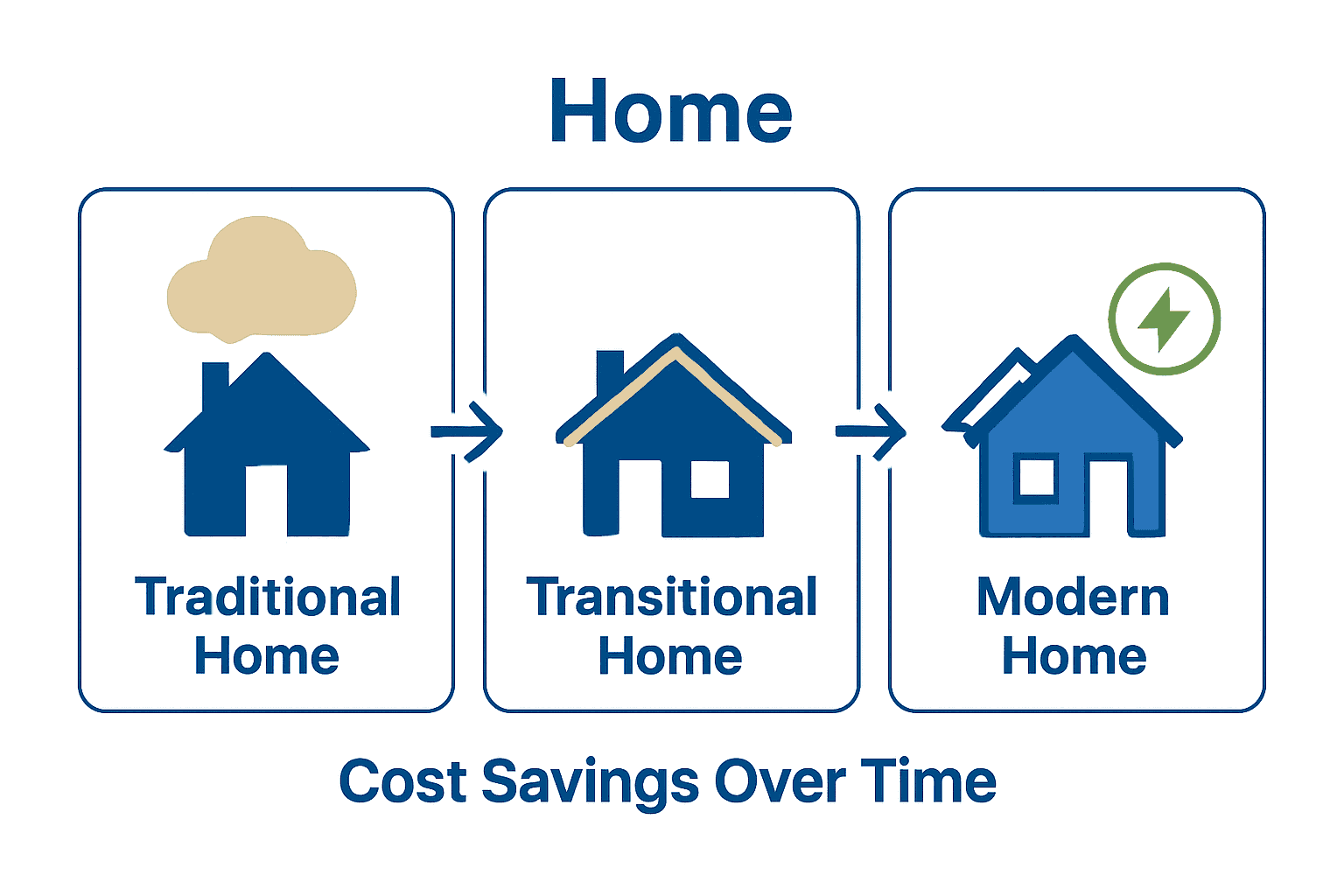
The financial landscape of zero carbon homes extends beyond immediate costs, encompassing a comprehensive view of long-term economic benefits. Cost vs Benefit Energy Upgrades demonstrates that while initial investments might seem substantial, the cumulative savings and increased property value can offset these expenses over time. Homeowners must approach zero carbon transformation as a strategic financial decision, balancing upfront costs with potential long-term economic and environmental returns.
Navigate the Path to Your Zero Carbon Home with Confidence
Understanding the complexities of zero carbon home standards, costs, and the UK regulatory framework can feel overwhelming. This article highlights key challenges like navigating stringent energy efficiency requirements and upfront financial investments while aiming to meet the Future Homes Standard. If you are a homeowner, landlord or property developer eager to reduce carbon emissions and improve energy performance, precise guidance is essential.
Discover how the upcoming Home Energy Model (HEM) will transform energy assessments and help you stay ahead of the curve. homeenergymodel.co.uk is your go-to resource for expert insight into the HEM methodology replacing SAP in 2025. It provides practical advice on how to achieve compliance, optimise energy performance certificates, and prepare for tighter regulations.
Start your journey to a zero carbon home today by exploring trusted information on energy efficiency upgrades and EPC implications. Visit homeenergymodel.co.uk now and equip yourself with the knowledge necessary to make smart decisions that save money, reduce your carbon footprint and futureproof your property investment.
Frequently Asked Questions
What is a zero carbon home?
A zero carbon home is a residential building that produces at least as much energy as it consumes, primarily through renewable energy sources, while significantly reducing carbon emissions through efficient design and technology.
What are the key features of a zero carbon home?
Key features include advanced thermal efficiency, renewable energy generation such as solar panels, smart home technologies for energy management, low-carbon materials, and passive design strategies for natural energy conservation.
How does UK policy support zero carbon homes?
The UK has established legally binding targets for net zero emissions by 2050, along with comprehensive regulations and standards that mandate energy efficiency and the elimination of fossil fuel heating systems in new homes, promoting the development of zero carbon homes.
What are the financial implications of building a zero carbon home?
While the initial investment for a zero carbon home may be higher, costs have been decreasing over time. Long-term benefits include significantly reduced energy bills, potential grants for renewable energy installations, and increased property value, making it a financially sound investment over time.