

More than 90 percent of british buildings will need smarter energy solutions to meet new efficiency targets over the next decade. Understanding how modelled energy consumption works is crucial as regulations tighten and household bills rise. This guide gives property owners, developers, and policymakers a clearer view of what modelled energy consumption means, why it matters in the british context, and how the latest methods can support better decisions for homes and businesses.
Table of Contents
- Defining Modelled Energy Consumption in the UK
- How Modelled Energy Calculations Work
- Role of the Home Energy Model (HEM)
- Modelled Energy Consumption in EPC Assessments
- Legal Standards and Compliance Requirements
- Common Pitfalls for UK Property Owners
Key Takeaways
| Point | Details |
|---|---|
| Modelled Energy Consumption | The analytical approach to estimating energy use helps support policy development and energy efficiency strategies. |
| Home Energy Model (HEM) | HEM provides a sophisticated framework for precise analysis of residential energy performance, aiding stakeholders in identifying energy improvements. |
| Regulatory Compliance | Adherence to evolving energy performance standards is mandatory, requiring comprehensive modelled analyses to ensure compliance and sustainability. |
| Common Oversights | Property owners often neglect holistic assessments, leading to ineffective energy improvements and increased consumption; thorough planning is essential. |
Defining Modelled Energy Consumption in the UK
Modelled energy consumption represents a sophisticated analytical approach to understanding and predicting energy usage within residential and commercial properties. By leveraging advanced computational techniques, energy experts can generate precise estimates of potential energy consumption based on building characteristics, occupancy patterns, and environmental factors. The domestic energy use methodology provides critical insights into how these models are constructed and interpreted.
At its core, modelled energy consumption involves creating detailed mathematical representations of energy demand by analysing multiple variables such as building design, insulation quality, heating systems, and occupant behaviours. These models draw upon comprehensive datasets like the NEBULA dataset, which integrates complex information about building characteristics, climate conditions, urbanisation patterns, and socio-demographic factors to generate highly accurate energy consumption predictions.
The primary goal of modelled energy consumption is to support policy development, improve energy efficiency strategies, and help property owners make informed decisions about potential energy upgrades. By providing granular insights into expected energy performance, these models enable stakeholders to identify potential efficiency improvements, estimate carbon emissions, and develop targeted interventions for reducing overall energy consumption. The UK government’s ‘Energy Consumption in the UK’ (ECUK) report plays a crucial role in establishing national benchmarks and tracking progress towards sustainable energy objectives.
Key elements that contribute to robust energy consumption modelling include:
- Precise building fabric specifications
- Historical energy usage data
- Local climate and geographical considerations
- Occupancy patterns and lifestyle factors
- Advanced computational simulation techniques
These sophisticated models represent a critical tool in the United Kingdom’s transition towards more sustainable and energy-efficient built environments, providing actionable intelligence for policymakers, property developers, and individual homeowners alike.
How Modelled Energy Calculations Work
Modelled energy calculations represent a sophisticated computational approach to predicting and analysing energy consumption across various building types. These complex mathematical models integrate multiple variables to generate precise estimates of potential energy usage, considering factors such as building design, thermal performance, occupancy patterns, and environmental conditions. The Energy Calculation as a Service (ECaaS) provides a standardised framework for conducting these intricate assessments, enabling more accurate and consistent energy performance predictions.
The calculation process typically involves several interconnected stages of data collection and analysis. Advanced algorithms capture detailed information about building characteristics, including wall construction, insulation quality, window specifications, heating systems, and ventilation parameters. By incorporating energy simulation techniques, these models can simulate realistic energy consumption scenarios, accounting for seasonal variations, occupant behaviours, and technological interventions that might impact overall energy efficiency.
Understanding the computational methodology behind these calculations requires appreciating the complexity of energy system interactions. Researchers at the UK Energy Research Centre’s Energy Modelling Hub emphasise the importance of developing transparent and accessible models that can support decision-makers in understanding energy transition strategies. The calculations typically involve:
- Thermal performance analysis
- Dynamic simulation of energy flows
- Occupancy pattern assessment
- Climate and geographical factor integration
- Advanced machine learning algorithms
These sophisticated models provide critical insights for policymakers, property developers, and homeowners, offering a comprehensive understanding of potential energy consumption and supporting strategic decisions towards more sustainable and efficient built environments.
Role of the Home Energy Model (HEM)
The Home Energy Model (HEM) represents a pivotal technological advancement in assessing and predicting residential energy performance across the United Kingdom. Energy Calculation as a Service (ECaaS) provides a standardised methodology for implementing this sophisticated approach, enabling comprehensive analysis of building energy characteristics with unprecedented precision. This groundbreaking model serves as a critical tool for policymakers, property developers, and homeowners seeking to understand and improve energy efficiency.

At its core, the HEM functions as a sophisticated computational framework that integrates multiple complex variables to generate detailed energy performance predictions. The model considers an extensive range of factors, including building construction, thermal properties, heating systems, ventilation parameters, and occupant behaviour patterns. By creating dynamic simulations that account for seasonal variations and technological interventions, the Home Energy Model offers a comprehensive approach to understanding potential energy consumption and identifying opportunities for efficiency improvements.
The UK Energy Research Centre’s Energy Modelling Hub emphasises the critical role of transparent and accessible energy models in supporting strategic decision-making. The Home Energy Model plays a crucial role in several key areas:
- Compliance with Future Homes Standard regulations
- Detailed energy performance assessment
- Identification of potential energy efficiency improvements
- Predictive analysis of carbon emissions
- Supporting sustainable building design strategies
These sophisticated analytical capabilities position the Home Energy Model as an essential instrument in the United Kingdom’s transition towards more sustainable and energy-efficient built environments, providing stakeholders with robust, data-driven insights into residential energy consumption and performance.
Modelled Energy Consumption in EPC Assessments
Energy Performance Certificates (EPCs) have undergone a significant transformation with the introduction of advanced modelled energy consumption methodologies. The Energy Calculation as a Service (ECaaS) provides a sophisticated framework for implementing detailed energy assessments, enabling more precise and comprehensive evaluations of building energy performance. This innovative approach replaces traditional assessment methods with a more dynamic and data-driven analysis that captures the nuanced energy characteristics of residential and commercial properties.
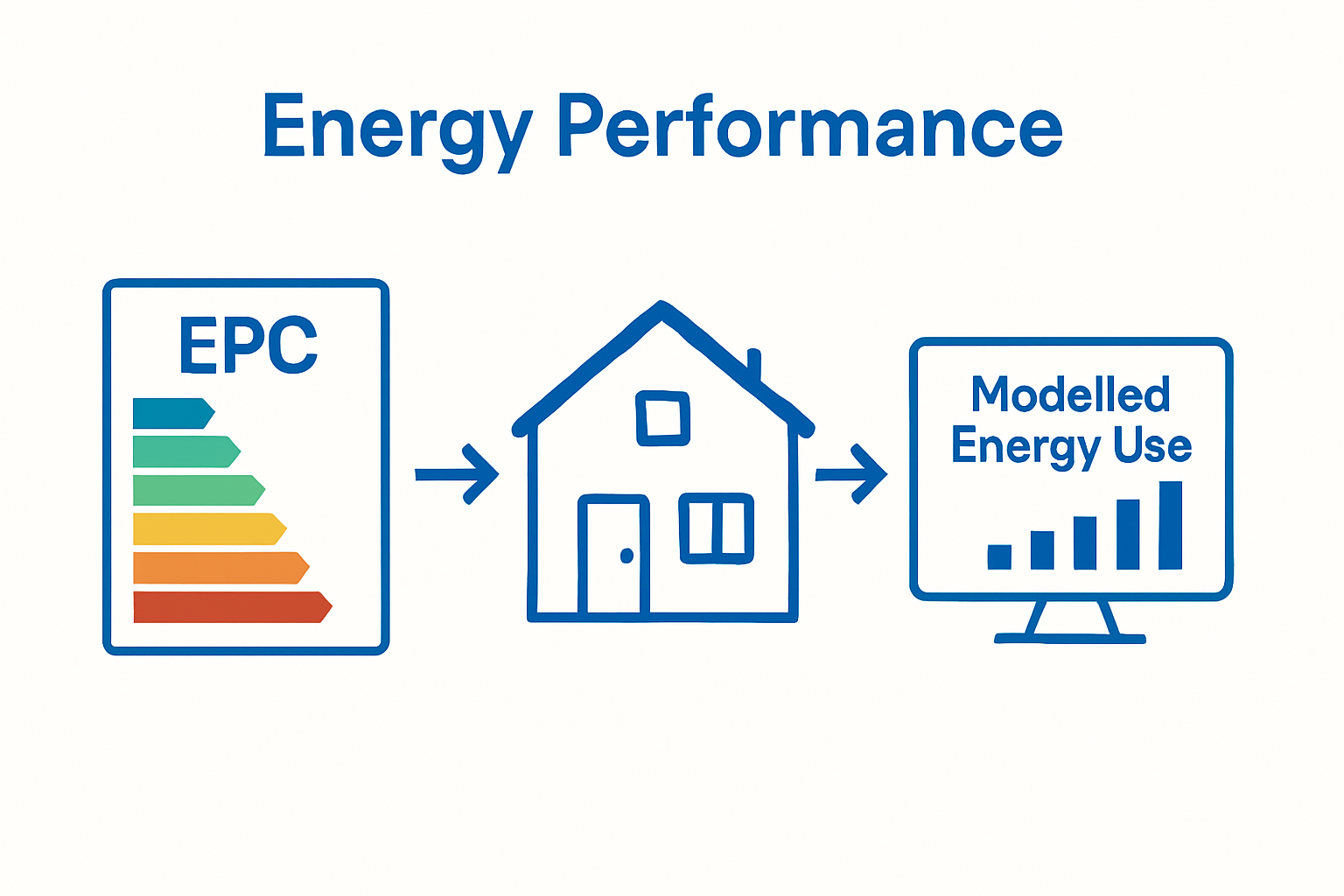
The modelled energy consumption approach in EPC assessments represents a paradigm shift in understanding building energy performance. Unlike previous static assessment techniques, this methodology integrates complex variables such as building fabric, heating systems, ventilation characteristics, and occupant behaviours to generate a holistic energy profile. By creating sophisticated computational models that simulate real-world energy consumption scenarios, assessors can now provide property owners and stakeholders with more accurate and actionable insights into potential energy efficiency improvements and carbon reduction strategies.
The UK Energy Research Centre’s Energy Modelling Hub emphasises the critical importance of transparency and accessibility in energy performance evaluations. Key components of modelled energy consumption in EPC assessments include:
- Advanced computational simulation techniques
- Comprehensive building fabric analysis
- Dynamic energy flow modelling
- Seasonal performance variations
- Detailed occupancy pattern assessments
- Predictive carbon emission calculations
These sophisticated analytical approaches transform Energy Performance Certificates from static documentation into dynamic tools for understanding and improving building energy performance, providing property owners and investors with unprecedented insights into their property’s energy efficiency potential.
Legal Standards and Compliance Requirements
The landscape of energy efficiency regulation in the United Kingdom has undergone significant transformation, with legal standards becoming increasingly sophisticated and comprehensive. Energy Calculation as a Service (ECaaS) represents a critical mechanism for demonstrating compliance with emerging regulatory frameworks, particularly the Future Homes Standard. These evolving legal requirements aim to create more stringent guidelines for building energy performance, compelling property developers, owners, and stakeholders to adopt more sustainable and energy-efficient practices.
Under the current regulatory environment, compliance with energy performance standards is no longer optional but a mandatory requirement for new constructions and significant renovations. The Energy Act 1976 established foundational principles for energy management, empowering regulatory bodies to implement increasingly rigorous standards. Modern legal frameworks demand comprehensive energy assessments that go beyond traditional metrics, requiring detailed modelled energy consumption analyses that account for complex variables such as building fabric, heating systems, ventilation characteristics, and projected occupancy patterns.
Key legal compliance requirements for energy performance include:
- Adherence to Future Homes Standard specifications
- Mandatory Energy Performance Certificate (EPC) ratings
- Minimum energy efficiency standards for rental properties
- Carbon emission reduction targets
- Detailed documentation of energy consumption modelling
- Regular performance assessments and reporting
These legal standards represent a comprehensive approach to transforming the built environment, creating a robust framework that incentivises energy efficiency, reduces carbon emissions, and supports the United Kingdom’s broader environmental sustainability objectives.
Common Pitfalls for UK Property Owners
UK property owners frequently encounter significant challenges when navigating energy efficiency improvements, often overlooking critical aspects that can substantially impact their property’s performance and compliance. The Great British Insulation Scheme highlights the importance of addressing fundamental energy efficiency issues, particularly those related to inadequate building insulation that can lead to excessive energy consumption and increased utility costs.
Many property owners underestimate the complexity of implementing energy efficiency measures, failing to conduct comprehensive assessments that account for the intricate interactions between building systems. Common mistakes include piecemeal upgrades that do not consider the holistic energy performance of the property, neglecting critical factors such as thermal bridging, ventilation efficiency, and the potential unintended consequences of individual interventions. These oversights can result in reduced effectiveness of energy improvements and potentially increased energy consumption, contrary to the intended outcomes.
Key pitfalls that UK property owners must be aware of include:
- Incomplete energy performance assessments
- Inadequate insulation strategies
- Overlooking renewable energy integration
- Failing to consider whole-building energy performance
- Ignoring occupant behaviour and usage patterns
- Neglecting regular maintenance of energy systems
- Misunderstanding compliance requirements
The Merton Rule exemplifies the increasing regulatory pressure on property owners to integrate renewable energy solutions, mandating that commercial buildings over 1000m² generate at least 10% of their energy needs through on-site renewable sources. This regulatory approach underscores the critical importance of proactive and comprehensive energy planning for property owners seeking to avoid potential compliance issues and maximise their property’s energy efficiency.
Take Control of Your Property’s Energy Performance Today
Understanding modelled energy consumption is crucial as the UK transitions to the Future Homes Standard and the Home Energy Model (HEM) replaces SAP in 2025. If you are a homeowner, landlord, or property developer, navigating these new, complex calculations can seem overwhelming. Common challenges include accurately assessing building fabric, occupancy impacts, and environmental factors to meet evolving legal standards and maximise energy efficiency.
Don’t let these complexities hold you back from achieving compliance and unlocking savings. Visit homeenergymodel.co.uk for expert guidance on the Home Energy Model and how it reshapes Energy Performance Certificate (EPC) assessments. Discover practical advice and stay informed on government initiatives that directly affect your property’s energy upgrades. Act now to secure your place at the forefront of UK energy efficiency and make smarter, data-driven decisions that protect your investment and the environment.
Frequently Asked Questions
What is modelled energy consumption?
Modelled energy consumption refers to a method of predicting and analysing energy usage in buildings using complex mathematical models that factor in various elements such as building design, insulation quality, and occupant behaviour.
How do modelled energy calculations support energy efficiency?
Modelled energy calculations provide detailed insights into energy performance, enabling property owners and policymakers to identify efficiency improvements and estimate carbon emissions for more informed decision-making related to sustainable building practices.
What factors are considered in the Home Energy Model (HEM)?
The Home Energy Model evaluates numerous factors, including building construction, thermal properties, heating and ventilation systems, and occupant behaviour patterns to generate accurate energy performance predictions.
Why are Energy Performance Certificates (EPCs) important?
EPCs provide a clear assessment of a property’s energy efficiency, informing potential buyers or renters about expected energy consumption and helping to comply with legal requirements like the Future Homes Standard.
Recommended
- Energy Consumption in UK Homes Explained: Key Facts
- Complete Guide to Domestic Energy Use (UK)
- Annual Energy Consumption Explained: Complete Guide UK
- Energy Usage Patterns UK: Complete 2025 Guide – Home Energy Model
- The Essential Guide to Saving Energy at Home – Projector Display
- Complete Guide to Sustainable Heating Options 2025 – Skan Plumbing & Heating