

TL;DR:
- A green living home minimizes environmental impact through energy efficiency, sustainable materials, and responsible resource use. Following a retrofit sequence of air sealing, insulation, and heating upgrades maximizes cost-effectiveness and performance while maintaining indoor air quality through proper ventilation. Practical measures for renters and outdoor landscaping further enhance sustainability, comfort, and biodiversity without significant structural changes.
A green living home is defined as a property that integrates energy efficiency, sustainable materials, and responsible resource use to reduce environmental impact and lower running costs. In the UK, this concept aligns closely with what the building industry calls a low-carbon home or sustainable dwelling, terms that carry regulatory weight under the Future Homes Standard and Energy Performance Certificate (EPC) framework. The practical benefits are immediate: lower energy bills, improved thermal comfort, and healthier indoor air. Whether you own or rent, the path to a greener home starts with understanding which changes deliver the greatest return, and in what order to make them.
What are the most effective energy-efficient upgrades for a green living home?
The most cost-effective retrofit sequence is air sealing first, then insulation, then heating and cooling upgrades, followed by renewables. This order matters because stopping air leakage before adding insulation prevents wasted effort and maximises savings. Many homeowners make the mistake of installing a new boiler before addressing draughts, which means the new system still heats air that escapes through gaps.
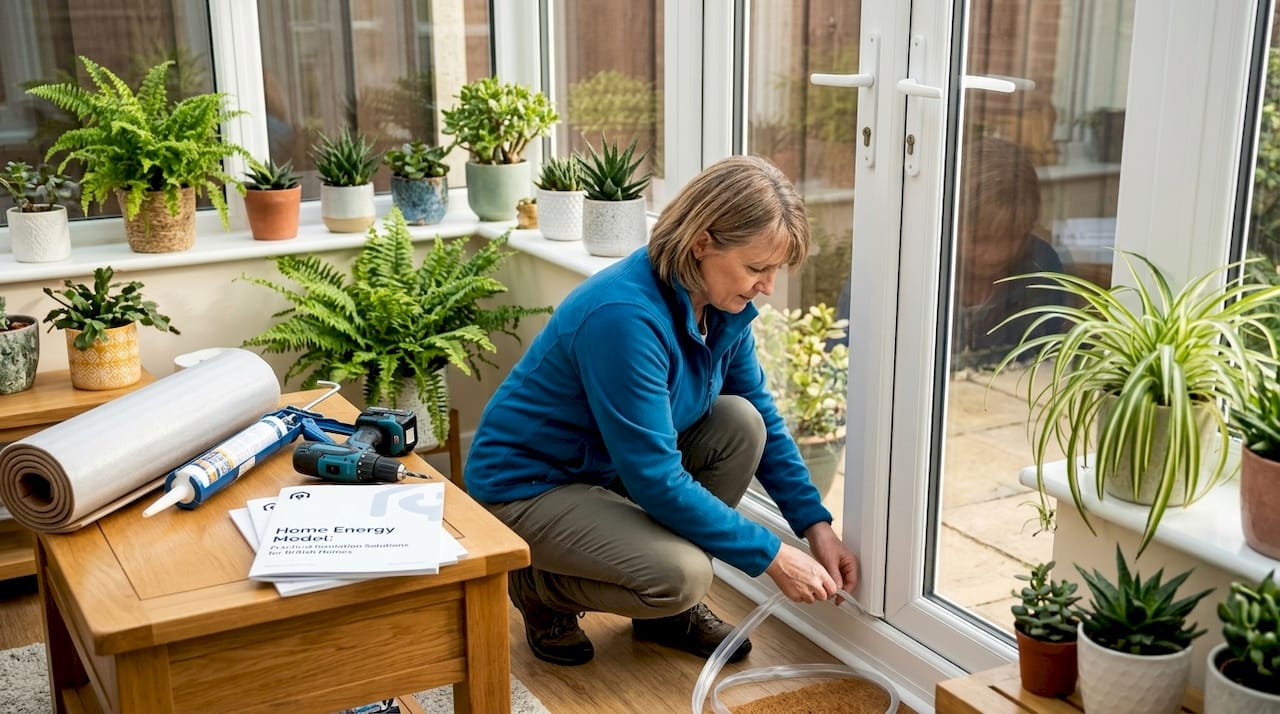
Air sealing and insulation can reduce heating and cooling energy loss by approximately 10%. Attic insulation and sealing around loft hatches, pipework penetrations, and skirting boards deliver the highest impact per pound spent. A well-sealed building envelope also reduces noise infiltration and damp, two problems that affect comfort and property condition.
Smart thermostats from brands such as Nest and Ecobee represent the next logical step. ENERGY STAR-certified smart thermostats deliver 8 to 12% savings on heating and cooling costs by automating temperature setbacks when occupants are asleep or away. That figure is meaningful on a typical UK energy bill, where space heating accounts for the majority of household energy consumption.
Beyond heating controls, lighting and phantom loads are often overlooked. Replacing incandescent bulbs with LEDs reduces lighting energy use dramatically, and unplugging unused devices eliminates phantom loads that silently drain electricity around the clock. A smart power strip or a simple habit of switching off at the socket costs nothing but delivers consistent savings.
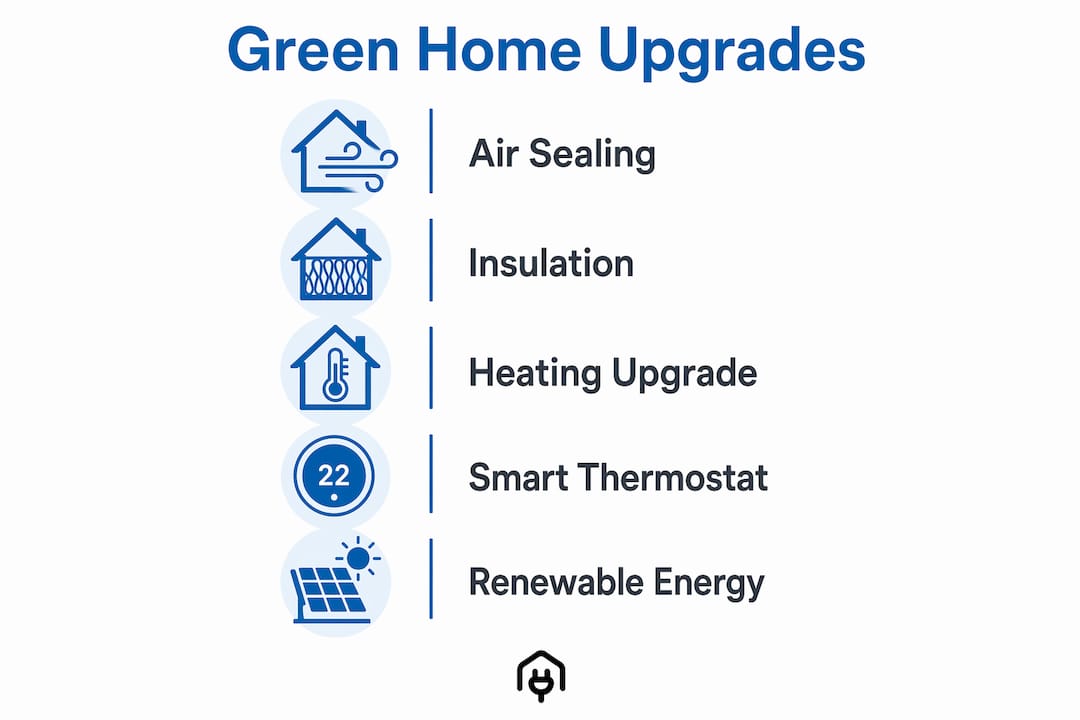
- Air sealing: Target loft hatches, skirting boards, pipework, and window frames before any other upgrade.
- Loft insulation: The recommended depth in the UK is 270mm of mineral wool; many older properties have far less.
- Smart thermostat: Nest Learning Thermostat and Ecobee SmartThermostat both offer geofencing and room sensors.
- LED lighting: Replace remaining halogen or incandescent fittings; LEDs last up to 25 times longer.
- Phantom load reduction: Use smart plugs or power strips to cut standby consumption from televisions, chargers, and kitchen appliances.
Pro Tip: Install a smart thermostat with room sensors rather than a basic programmable model. Smart sensors and geofencing even out hot and cold spots and prevent heating empty rooms, which a simple timer cannot do.
For a detailed breakdown of upgrade options specific to UK properties, Homeenergymodel’s guide on energy-efficient home upgrades covers prioritisation and cost considerations in depth.
How to balance airtightness and indoor air quality in sustainable homes
Tighter building envelopes trap indoor pollutants, which means improved insulation and draught-proofing must be paired with a deliberate ventilation strategy. Indoor air can be 2 to 5 times more polluted than outdoor air, a figure that rises sharply in well-sealed homes where cooking fumes, cleaning product residues, and off-gassing from furniture accumulate without dilution. This is not a reason to avoid air sealing. It is a reason to plan ventilation alongside it.
The practical steps for maintaining healthy air in an energy-efficient home follow a clear sequence:
- Assess existing ventilation. Check that trickle vents in window frames are open and unobstructed. Many homeowners block these inadvertently when draught-proofing.
- Install mechanical extract ventilation (MEV) or MVHR. In highly sealed properties, a Mechanical Ventilation with Heat Recovery (MVHR) unit recovers up to 90% of heat from extracted air while supplying fresh air continuously.
- Select low-VOC materials. Paints, adhesives, flooring, and furniture all off-gas volatile organic compounds (VOCs). Products certified under the BREEAM Indoor Air Quality standard or carrying an EC1 label from EMICODE have verified low emissions.
- Scrutinise low-VOC claims. Low-VOC product claims require scrutiny of technical data sheets and testing certifications; off-gassing depends on cure time and formulation, not just the label on the tin.
- Use houseplants strategically. Species such as spider plants (Chlorophytum comosum) and peace lilies (Spathiphyllum) absorb some airborne pollutants, though they work best as a complement to ventilation rather than a replacement.
“Tighter homes necessitate greater attention to materials and ventilation to avoid trapping indoor air pollution.” This principle underpins the UK’s Part F building regulations, which set minimum ventilation rates precisely because modern construction techniques reduce natural air infiltration.
Homeenergymodel’s resource on indoor air quality for homeowners explains the UK regulatory context and practical steps in plain language.
What sustainable practices improve waste reduction and water efficiency at home?
Reducing a home’s environmental footprint extends well beyond energy use. Waste and water consumption are two areas where straightforward habit changes produce measurable results without capital expenditure.
Home composting diverts organic waste from landfill and produces a free soil amendment for gardens. A standard compost bin from a local council scheme costs as little as £5 through subsidised programmes, and food waste composting can divert a significant portion of a household’s weekly bin contents. Worm composting (vermicomposting) works well in smaller properties and flats with outdoor space.
Water efficiency is equally practical. Low-flow showerheads reduce water consumption by up to 50% compared with standard fittings, and faucet aerators cost under £5 per tap. A water-efficient washing machine, such as those carrying the EU Water Label A rating, uses considerably less water per cycle than older models. These are not dramatic interventions, but their cumulative effect on both water bills and environmental impact is real.
- Composting: Use a council-subsidised compost bin or a worm composter for food and garden waste.
- Reusable packaging: Replace cling film, single-use bags, and disposable containers with beeswax wraps, silicone bags, and glass storage.
- Low-flow showerheads: Brands such as Methven and Triton offer WaterSense-equivalent fittings that maintain pressure while cutting flow rates.
- Faucet aerators: Fit to all kitchen and bathroom taps; payback period is typically under six months.
- Rainwater harvesting: A basic water butt connected to a downpipe collects rainwater for garden irrigation, reducing mains water use during dry periods.
How can landscaping and outdoor improvements contribute to green living homes?
The outdoor environment directly affects a home’s energy performance and biodiversity value. Strategic planting and simple water management measures extend sustainable home design beyond the building fabric itself.
Planting deciduous trees on the south-facing side of a property reduces cooling demand in summer by shading walls and windows, while allowing low winter sun to reach the building once leaves fall. In the UK, species such as silver birch (Betula pendula) and rowan (Sorbus aucuparia) are well-suited to this purpose, grow relatively quickly, and support native wildlife. The energy saving from well-placed shade trees is not trivial; in properties with large south-facing glazing, summer overheating is a growing problem as UK temperatures rise.
| Outdoor improvement | Primary benefit | Approximate cost |
|---|---|---|
| Deciduous shade tree (south-facing) | Reduces summer heat gain through windows | £30 to £150 per tree |
| Dense shrub border (north-facing) | Windbreak reducing heat loss | £50 to £200 |
| Water butt (200 litre) | Captures rainwater for irrigation | £20 to £60 |
| Green roof (shed or extension) | Insulation, biodiversity, and stormwater management | £50 to £150 per m² |
| Permeable paving | Reduces surface runoff and urban heat | £40 to £100 per m² |
Ground cover plants such as creeping thyme (Thymus serpyllum) and clover reduce soil erosion, retain moisture, and eliminate the need for irrigation once established. Replacing ornamental gravel with planted ground cover also reduces the urban heat island effect around the property.
Pro Tip: A simple water butt connected to a garage or shed downpipe is one of the lowest-cost green home improvements available. It requires no planning permission, installs in under an hour, and reduces mains water use for garden irrigation throughout the growing season.
What practical steps can renters take to create greener, healthier living spaces?
Renters face real constraints: structural changes are off the table, and landlords vary in their willingness to invest in upgrades. However, many insulation and retrofit changes are impractical for renters, and a range of low-impact, reversible measures deliver genuine improvements in energy use and air quality.
The following steps require no landlord permission and leave no permanent changes to the property:
- Draught excluders: Fit removable foam or brush draught excluders to external doors and letterboxes. Brands such as Stormguard and Exitex offer products that fit without tools or adhesive.
- Thermal curtains: Heavy lined curtains or thermal lining fabric added to existing curtains reduce heat loss through windows significantly, particularly in older properties with single glazing.
- Smart thermostat: Many landlords will permit a smart thermostat installation, as it is reversible and reduces wear on the boiler. Nest and Ecobee both offer models compatible with standard UK combi boiler systems.
- Low-VOC cleaning products: Replace conventional bleach-based cleaners with products from brands such as Method or Ecover, which carry verified low-VOC formulations and reduce indoor chemical exposure.
- Portable air purifier: A HEPA-filter air purifier from brands such as Dyson or Blueair removes particulates, allergens, and some VOCs from indoor air without any structural modification.
- Houseplants: Peace lilies, Boston ferns (Nephrolepis exaltata), and English ivy (Hedera helix) improve air quality and humidity levels in dry, centrally heated flats.
Renters can also influence their energy use through behaviour: washing clothes at 30°C, running dishwashers on eco cycles, and switching to a green energy tariff from suppliers such as Octopus Energy or Ecotricity all reduce environmental impact without touching the building fabric.
Key takeaways
A green living home delivers the greatest results when energy efficiency, indoor air quality, and sustainable habits are addressed together rather than in isolation.
| Point | Details |
|---|---|
| Follow the retrofit sequence | Air seal first, then insulate, then upgrade heating for maximum cost-effectiveness. |
| Pair airtightness with ventilation | Tighter homes trap pollutants; MVHR or trickle vents must be part of any sealing project. |
| Extend sustainability outdoors | Deciduous shade trees and water butts reduce energy and water demand at minimal cost. |
| Renters have real options | Draught excluders, thermal curtains, and low-VOC products improve comfort without structural changes. |
| Waste and water matter too | Composting and low-flow fittings reduce environmental footprint beyond energy consumption alone. |
Why the order of green improvements matters more than the list
The most common mistake I see when reviewing green home improvement plans is treating the upgrade list as a menu rather than a sequence. Homeowners invest in solar panels before fixing a draughty loft hatch, or buy a heat pump before addressing wall insulation. The result is an expensive system working harder than it should to compensate for preventable heat loss.
The principle is straightforward: stop the leaks before you invest in generation or high-efficiency heating. A property that loses heat through uninsulated walls and unsealed gaps will underperform regardless of how advanced its heating system is. The retrofit sequence of air sealing, insulation, then HVAC is not a suggestion. It is the order that professional assessors follow because it reflects how buildings actually behave.
The second thing I would emphasise is the indoor air quality dimension. Most green living guides focus on energy and carbon, and rightly so. But a home that is sealed tightly without adequate ventilation can become a concentration point for VOCs, moisture, and combustion byproducts. The 2 to 5 times higher indoor pollution figure from EPA research is not a theoretical risk. It is a measurable condition in many well-meaning energy-efficient homes. Addressing it costs relatively little compared to the health implications of ignoring it.
Start with the basics, follow the sequence, and treat ventilation as non-negotiable. The energy-saving tips guide on Homeenergymodel is a useful reference for UK-specific priorities.
— Danny
How Homeenergymodel supports your green home journey
Homeenergymodel provides UK homeowners, landlords, and property investors with authoritative guidance on energy performance, EPC compliance, and retrofit planning. Understanding your property’s current energy performance is the logical starting point before committing to any green home improvements, and a professional home energy assessment identifies exactly where heat is being lost and which upgrades will deliver the strongest return. Homeenergymodel also explains the upcoming Home Energy Model (HEM), which replaces SAP as the government’s methodology for assessing building energy performance from 2025 onwards. For a clear explanation of what this means for your property’s EPC rating and future compliance, the Home Energy Model guide is the recommended starting point.
FAQ
What is a green living home?
A green living home is a property designed or retrofitted to minimise energy consumption, reduce waste, and use sustainable materials. In the UK, this aligns with low-carbon dwelling standards assessed through Energy Performance Certificates and the Future Homes Standard.
What is the best first step for improving home energy efficiency?
Air sealing is the most cost-effective first step, as stopping conditioned air from escaping delivers immediate savings before any other upgrade. Attic insulation and sealing gaps around pipework and skirting boards are the highest-priority targets.
Can renters make meaningful green improvements?
Renters can use draught excluders, thermal curtains, low-VOC cleaning products, and portable air purifiers without landlord permission. Switching to a green energy tariff from suppliers such as Octopus Energy or Ecotricity also reduces environmental impact at no structural cost.
How does airtightness affect indoor air quality?
Tighter homes reduce natural air infiltration, which can cause indoor pollutants to accumulate to levels 2 to 5 times higher than outdoors. Mechanical ventilation or open trickle vents must accompany any air sealing work to maintain healthy indoor air.
Do smart thermostats actually save money in UK homes?
ENERGY STAR-certified smart thermostats deliver 8 to 12% savings on heating and cooling costs through automated setbacks and occupancy-based controls. In UK homes where gas heating dominates, this translates to a meaningful annual reduction in energy bills.