
The best ways to save electricity are to find out what uses the most power in the home, cut standby and hot water waste, use appliances fully loaded and on cooler settings, and then upgrade lighting, insulation and heating controls where the payback is clearest. Most of the quick wins cost nothing. The larger savings come from heating and hot water, which account for the biggest share of most UK household energy use.
This guide sets out the steps in order of effort, with a method for working out what each change is worth on an individual bill.
TL;DR
- Start by reading the meter and bills. Savings cannot be targeted until the largest users are known.
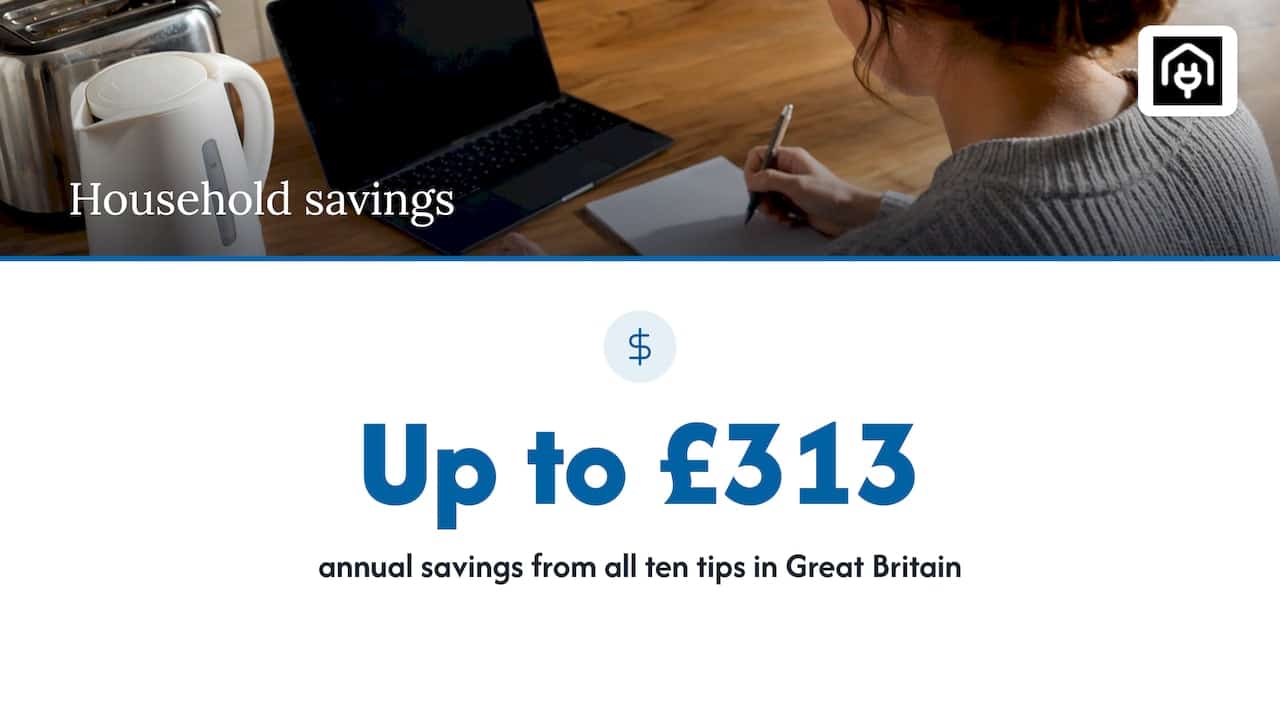
- Standby, hot water, laundry and drying habits are the quickest free savings. Energy Saving Trust puts its ten quick tips at up to £313 a year in Great Britain.
- Every kWh saved is worth the unit rate on the bill, so heavy, long-running appliances (heaters, tumble dryers, electric showers) matter most.
- Insulation, draught proofing and heating controls cut the load that no habit can remove.
- A property assessment shows which upgrades suit a particular building and can support compliance for landlords.
Table of Contents
- Start with what the bill actually says
- Free changes: habits that cut electricity use
- Appliances: use them well and replace them wisely
- Heating and hot water: the biggest lever
- How much can a household realistically save?
- A step-by-step order of work
- For landlords and property owners
- Perspective: our view on saving electricity
- Get the property assessed
- FAQ
- Sources
Start with what the bill actually says
Electricity is charged in kilowatt-hours (kWh). One kWh is a 1,000-watt appliance running for one hour. The price per kWh is set by the tariff, and for most households on a standard variable tariff it follows the Ofgem price cap. For 1 October to 31 December 2026, Ofgem lists the cap at 26.32 pence per kWh for electricity, plus a 54.83 pence daily standing charge. The cap is reviewed every quarter, so the current figures are on the Ofgem page.
The standing charge is paid regardless of use. Only the unit rate can be reduced by saving electricity, and that gives a simple way to value any change:
watts ÷ 1,000 × hours used × unit rate = cost
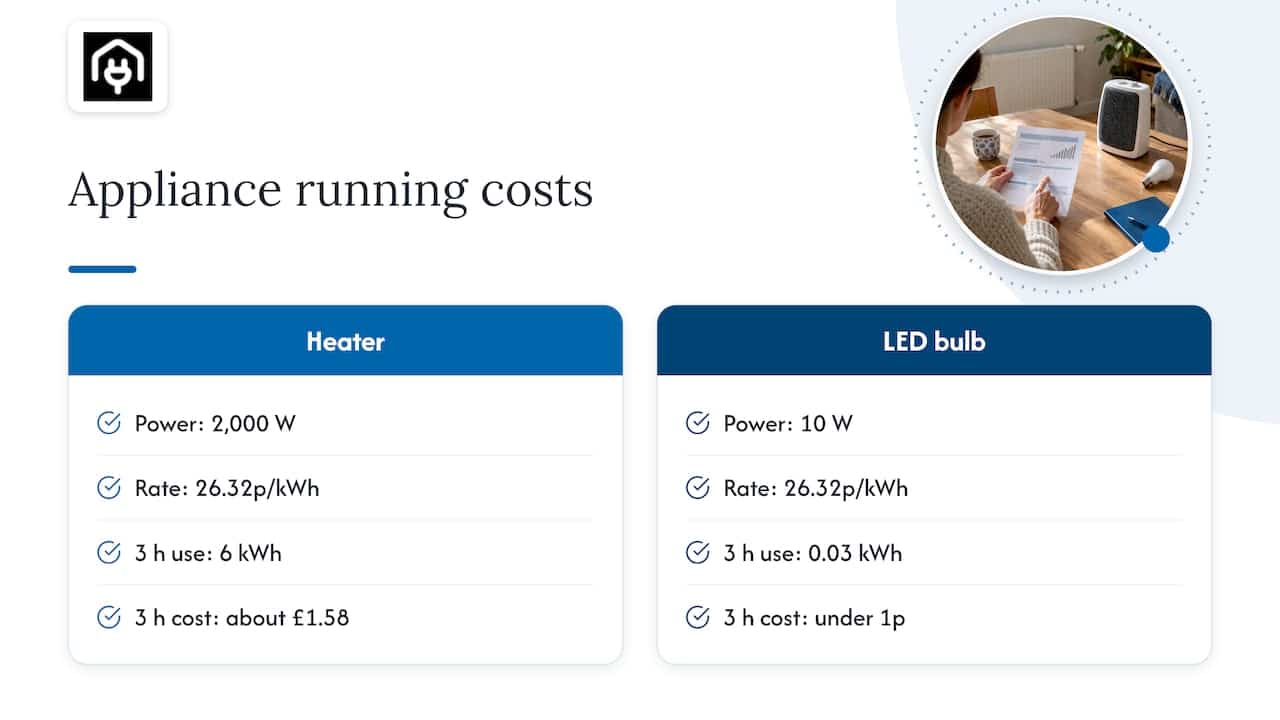
A 2,000-watt portable heater running for three hours uses 6 kWh. At 26.32p per kWh that is about £1.58 for one evening. The same sum for a 10-watt LED bulb over three hours gives 0.03 kWh, or under 1p. The formula shows at once why a heater, a tumble dryer or an electric shower deserves attention before a phone charger does.
Find the biggest users first
The US Department of Energy advises collecting and separating electricity and fuel bills to target the largest energy consumers first. The same logic applies in the UK:
- Note the annual kWh figure from the last 12 months of bills or the supplier account.
- Take meter readings at the same time each day for a week to see a typical daily figure.
- Switch off everything non-essential for an hour and check the reading. What the meter still records is the base load: fridge-freezer, router, standby devices.
- Add the larger loads one at a time (oven, kettle, washing machine) and note the difference.
A smart meter with an in-home display makes this much quicker, because it shows live usage in pounds and pence. The same prioritising approach is used in formal audits, and reviewing utility bills against the biggest sources of energy use is the first step there too, only with more data.
Free changes: habits that cut electricity use
These need no purchase. They suit tenants as well as owners.
Switch off standby
TVs, games consoles, set-top boxes, printers and chargers draw power when apparently off. The Consumer Council estimates that switching off standby mode could save around £55 a year. A multi-socket extension lead with a switch lets a whole TV and console set-up be turned off in one go. Equipment that must stay on, such as a router or a boiler, should be left alone. For a full walk-through, see the guide on how to reduce standby power in a UK home.
Cut hot water waste
Heating water is one of the largest uses of energy at home, and for homes with an immersion heater or electric shower it falls straight onto the electricity bill. Energy Saving Trust’s quick tips include spending less time in the shower, swapping baths for showers and not overfilling the kettle. The same page notes that swapping one bath a week for a four-minute shower could save £10 a year in Great Britain.
Practical points:
- Boil only the water needed, but always cover the element in an electric kettle.
- Fit a tap aerator to reduce the volume of hot water used.
- Check the hot water thermostat. The US Department of Energy suggests 120°F (49°C) to save energy and avoid scalding. In the UK, hot water systems with stored water should also be managed with Legionella risk in mind, so check the cylinder manufacturer’s or installer’s guidance before turning a stored-water thermostat down.
Change laundry and dishwashing habits
The washing machine and dishwasher use most of their energy heating water. Government energy guidance from New South Wales recommends running washing machines and dishwashers only when full and using eco or cold cycles. Energy Saving Trust lists fewer, colder washes and filling the dishwasher as two of its top tips.
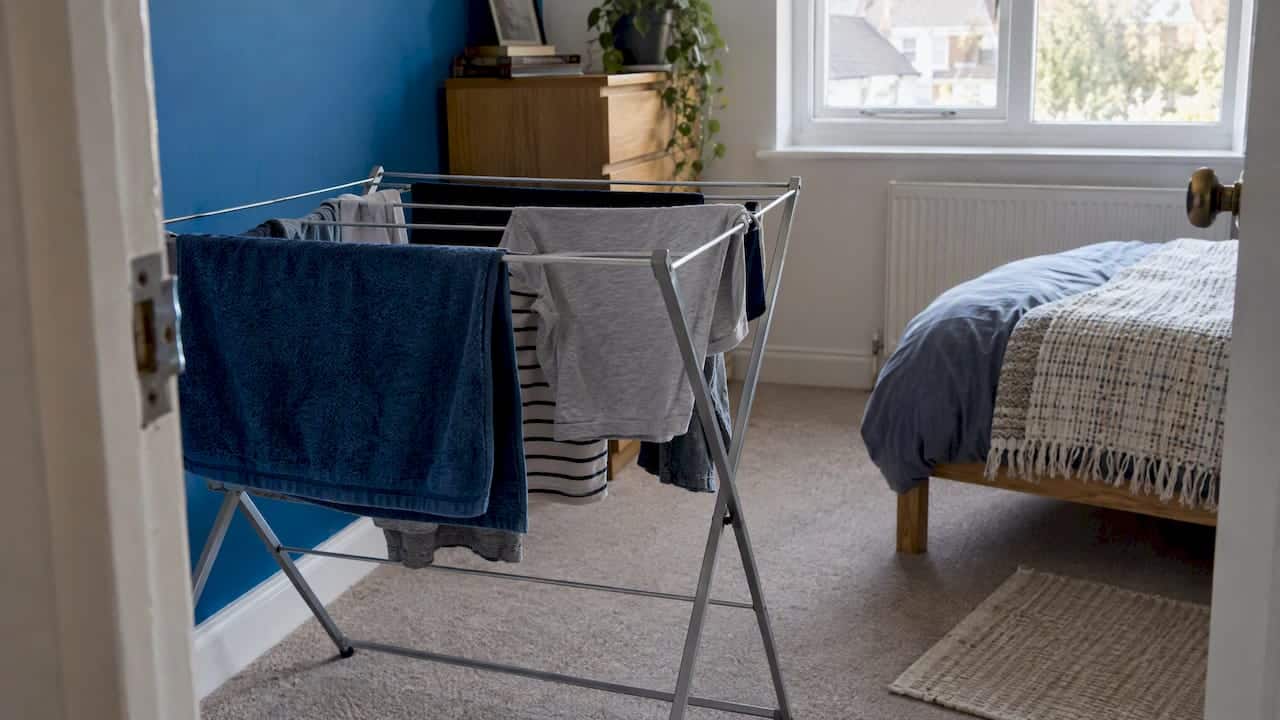
The tumble dryer is usually the most expensive appliance in the utility room. A 2.5 kW dryer running for one hour uses 2.5 kWh, about 66p at 26.32p per kWh. Drying on an airer or line when weather and space allow, or using a spin cycle at a higher speed first, removes most of that cost.
Lighting and small habits
Switching off lights in empty rooms and replacing frequently used bulbs with LEDs are standard advice from official bodies. The US Department of Energy lists replacing frequently used bulbs with LEDs among its checklist items. LEDs are now the default on the shelf, so a swap is rarely more than a few pounds per bulb. Start with the lights used for the most hours: kitchen, living room, hallway.
Appliances: use them well and replace them wisely
Kitchen and laundry appliances are where habit and purchase decisions meet.
| Appliance | Quick improvement | When to replace |
|---|---|---|
| Fridge-freezer | Keep coils clear, door seals tight, set fridge to a sensible temperature | When old, noisy or failing to hold temperature |
| Oven | Use a microwave, air fryer or hob for small portions | When the seal or element fails and a more efficient model is due |
| Washing machine | Full loads, cooler cycles | When it fails, choosing a high efficiency label |
| Tumble dryer | Dry outside or on an airer first | Consider a heat pump model if use is heavy |
| Electric heater | Use only in the occupied room, with a timer | Replace with a better-controlled system if used daily |
The Australian government advises treating running costs as a second price tag next to the purchase price. A cheaper appliance that uses more power can cost more over its life. The labels on UK appliances show an efficiency class, and the guides on efficient appliances for energy-smart homes and the 2026 appliance energy guide for UK homeowners explain how to read them.
Heating and hot water: the biggest lever
Where electricity heats the home or the water (storage heaters, panel heaters, immersion heaters, heat pumps), the savings in this section apply directly to the electricity bill. Where gas does the heating, they still lower the total energy bill.
Turn the thermostat down by a degree
The NSW government notes that each degree a thermostat is lowered in winter can reduce heating bills by 10%. That is an Australian figure, and results depend on the building and system, but the direction is the same in the UK: a small reduction in set temperature is the cheapest heating saving available. Energy.gov.au suggests thermostats between 18°C and 20°C in winter. Anyone who is elderly, unwell or has a young baby should keep the home warm enough for their health and take advice from a GP or NHS guidance rather than aim for a target figure.
Use controls
Programmable thermostats, timers and room thermostats stop heating when no one needs it. The US Department of Energy lists programmable thermostats and regular maintenance of heating systems as basic steps. For storage heaters and immersion heaters, the timer and the input and output settings decide how much cheaper off-peak power is used. A time-of-use tariff only pays if the biggest loads are shifted to the cheaper hours, a point Energy.gov.au makes when it lists shifting use to off-peak times and comparing bills as ways to cut costs.
Insulate the hot water cylinder
For homes with a stored hot water tank, insulation is one of the cheapest jobs. The Consumer Council says that replacing a thin 25mm jacket with an 80mm British Standard jacket can save £35 a year. Insulating the pipes close to the cylinder adds a little more.
Stop heat escaping
Draughts and gaps let heated air out. The US Department of Energy points out that gaps around pipes and chimneys are often bigger sources of loss than windows. Walk round the property on a cold day and check:
- gaps where pipes pass through floors and walls
- the letterbox, keyholes and the foot of external doors
- loft hatches and floor edges
- worn window and door seals
Energy.gov.au suggests opening curtains while the sun shines and closing them before dark, which helps in winter at no cost. Always keep ventilation in kitchens and bathrooms and never block air vents for fuel-burning appliances. Loft and wall insulation are larger jobs, but sealing air leaks and adding insulation is consistently listed by energy agencies as a main route to lower use and better comfort.
How much can a household realistically save?
Energy Saving Trust’s ten quick tips are put at up to £313 a year in Great Britain. That is a ceiling for a household that adopts all ten and starts from a high-use position. Actual savings depend on the tariff, the size of the household, the age of the appliances and how the home is heated.
A practical way to be realistic is to record the annual kWh before starting and again after twelve months, then compare. Weather affects heating use, so compare against similar months, not only the latest bill. Changes that matter most are those that act every day for many hours: the thermostat setting, the hot water arrangement, the laundry routine and standby loads.
A step-by-step order of work
- Week one: take meter readings, locate the base load and list the five largest uses.
- Week two: switch off standby, change laundry and hot water habits, replace the busiest bulbs.
- Month one: fit cylinder insulation, draught-proof doors and gaps, set heating timers.
- Within the year: compare tariffs, decide on insulation and heating upgrades, plan appliance replacements as they fail.
- Ongoing: compare readings quarterly and adjust.
For wider cost-cutting beyond electricity, the guides on saving money on gas and electricity bills and reducing an electric bill with practical UK steps go further, and seven practical ways to use less electricity at home or work suits small offices and shared spaces.
For landlords and property owners
Electricity saving in a rented or commercial property links to the Energy Performance Certificate (EPC), which rates a building’s energy efficiency and lists recommended improvements. Works that cut consumption, such as insulation, efficient lighting and better controls, are the same measures an assessor tends to recommend. The EPC rating guide explains how the bands work, and the meaning of an energy performance certificate covers what the certificate shows.
For owners of offices, shops or other non-domestic space with air conditioning, cooling is often the largest electricity load. Regular inspection of those systems is a legal requirement in many cases, and TM44 inspections for air conditioning systems identify inefficiencies and maintenance issues.
Perspective: our view on saving electricity
We see the same pattern in most properties: owners start with the cheapest tips, which is right, then stall because they cannot tell which of the bigger jobs is worth doing. The answer is rarely general advice. It is a measured picture of the building.
A property’s fabric, heating system, hot water arrangement and ventilation interact. Adding insulation changes how long heating runs. A new heating control changes how a cylinder is used. That is why we favour an assessment based on the building itself, not a list of tips applied blindly.
For homeowners, a domestic EPC is a good starting point, because it lists the recommended measures for that specific property. For landlords and developers, calculations such as SAP and SBEM show how a design or refurbishment performs against the standards it must meet, and the Home Energy Model is set to shape how that performance is measured. Our guidance is built around those real compliance scenarios.
Free habits first, fabric second, equipment third, with measurement at every stage. That order spends money only where it returns something.
Danny
Get the property assessed
Habits and simple fixes go a long way, but they cannot say how efficient the building itself is. Homeenergymodel connects owners, landlords and developers with assessors. A domestic EPC gives a rating and a prioritised list of improvements for a home, and a commercial EPC does the same for non-domestic premises. For new builds and major works, SAP calculations support building regulations compliance. Quotes are requested through the forms on each service page.
FAQ
What is the single best way to save electricity?
Reduce the use of the highest-wattage appliances that run for long periods: electric heaters, tumble dryers, immersion heaters and electric showers. These dwarf small items like phone chargers. Check your base load and the largest uses first, then act on those.
Does leaving a kettle or charger plugged in use electricity?
A charger or appliance in standby draws a small amount of power even when it is not in use, and the total across a home adds up. The Consumer Council estimates that switching off standby could save around £55 a year. A kettle that is switched off at the socket or unplugged uses nothing, though the effect per kettle is small compared with how much water you boil.
Is it cheaper to leave the heating on all day?
This depends on the building, the heating system and the controls, so there is no single answer. A well-insulated home with a heat pump may suit steady, low-temperature running, while a poorly insulated home with direct electric heating usually costs more to keep warm all day. Using timers and room thermostats to match heating to when rooms are occupied is a safe starting point, and an EPC assessment shows how well your home holds heat.
How can I check whether my changes are working?
Record the meter reading on the same day each week, or use the smart meter display, and compare monthly kWh against the same months of the previous year. Looking at kWh, not pounds, removes the effect of tariff changes.
Sources
- Energy Saving Trust: quick tips to save energy at home
- Ofgem: energy price cap unit rates and standing charges
- Consumer Council: energy efficiency
- NSW Climate and Energy Action: simple tips to save energy and money
- Energy.gov.au: reduce your energy bills
- US Department of Energy: home energy checklist
- US Department of Energy: Energy Saver guide 2022