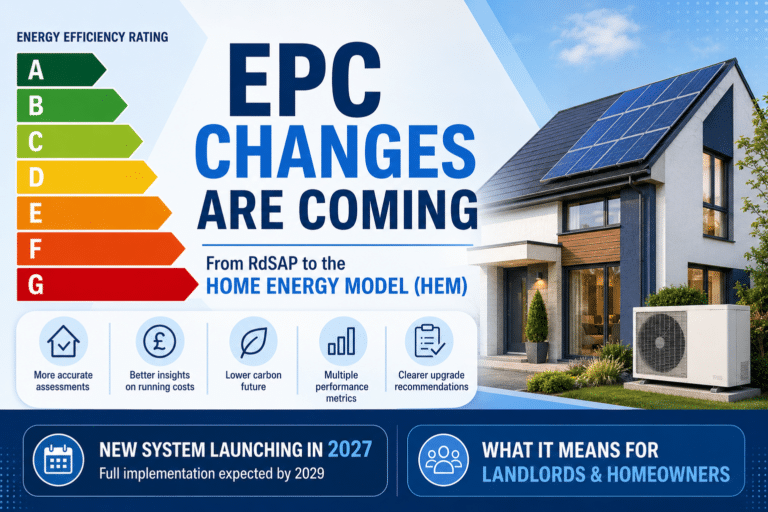
Home Energy Model: Future Homes Standard

The Future Homes Standard is a set of regulations aimed at making new homes in the UK more energy-efficient and reducing carbon emissions.

A new government calculation methodology designed to assess the energy performance of homes in 2026

“EPC’s will evolve to reflect new net zero-ready energy technologies in our homes.”

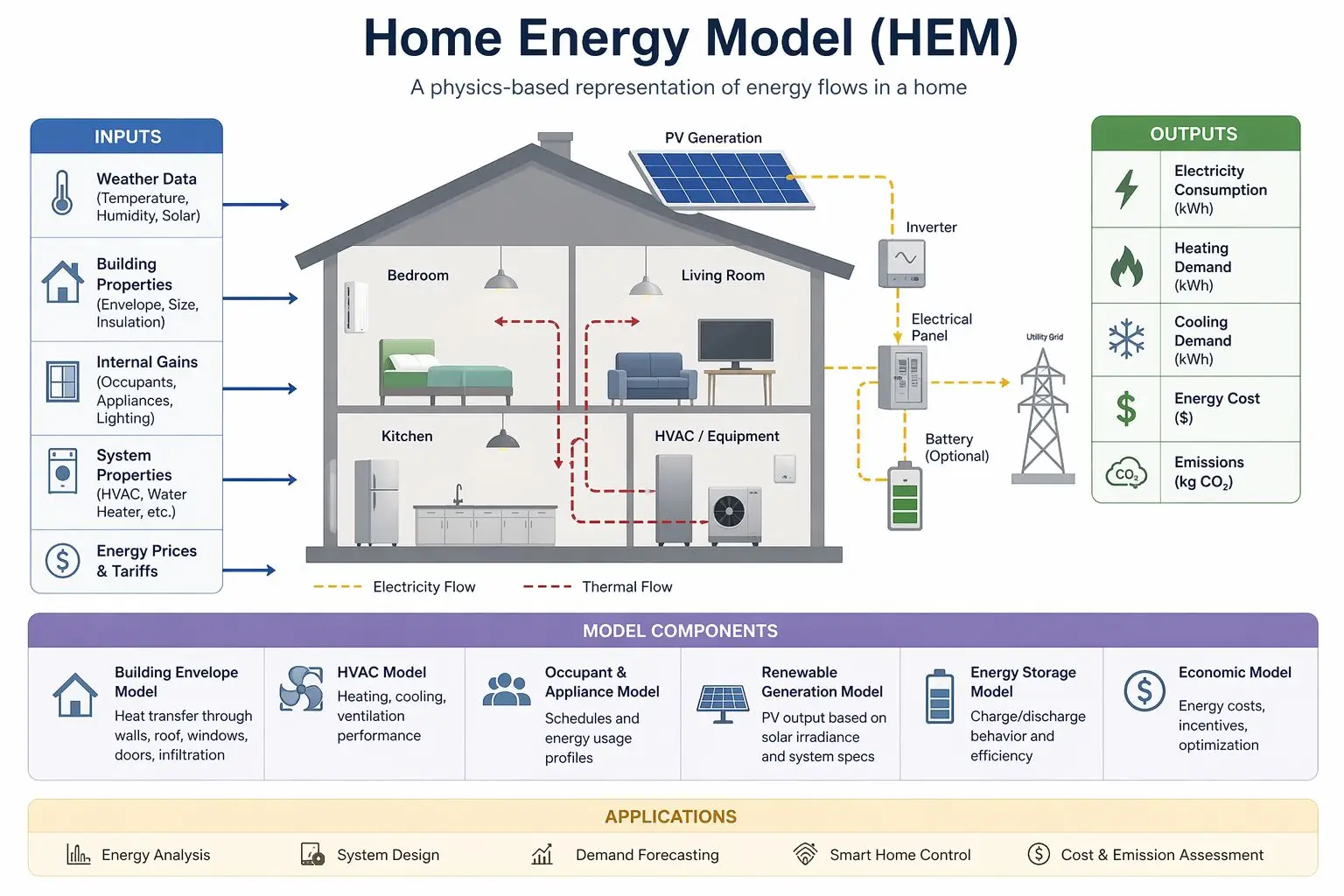
The Home Energy Model (HEM) is a powerful tool used to assess and analyze energy consumption patterns within a household. By incorporating various factors such as appliance usage, heating and cooling requirements, and behavioural practices, the HEM can provide valuable insights into ways to improve energy efficiency and reduce utility costs. This model enables homeowners to make informed decisions regarding energy-saving measures and investments in renewable energy sources. In addition to promoting sustainable living practices, the HEM plays a vital role in raising awareness about the environmental impact of excessive energy consumption. Overall, the Home Energy Model serves as a practical solution for enhancing energy efficiency and promoting a greener future.

The Home Energy Model (HEM) is a new government calculation methodology in the UK designed to assess the energy performance of homes. Set to replace the existing Standard Assessment Procedure (SAP), the HEM will underpin various government policies, including the Future Homes Standard and Energy Performance Certificates (EPCs). The first version is slated for release alongside the Future Homes Standard in 2027.

This model aims to provide more accurate and comprehensive assessments of a property’s energy efficiency, considering factors like thermal bridging and ventilation, and potentially moving away from a reliance on gas heating. The HEM is designed to help achieve the UK’s net-zero carbon emissions goals by ensuring new homes are built to higher energy efficiency standards. 
 

Key Features of the Home Energy Model:

The Home Energy Model encompasses several key features. Firstly, it provides a comprehensive analysis of a home’s energy consumption patterns, allowing users to make informed decisions regarding energy usage. Secondly, it offers predictive capabilities, projecting future energy requirements based on current usage trends and external factors. Additionally, the model incorporates various environmental factors to assess the home’s carbon footprint and suggest potential improvements. Furthermore, it allows for the comparison of different energy-saving strategies to determine the most effective approach for reducing energy costs. Lastly, the Home Energy Model promotes energy efficiency by empowering users with valuable insights into their energy consumption habits.

Impact and Implementation:

  • 2026 Launch:
  • The HEM is expected to debut alongside the Future Homes Standard in 2026.
  • EPC Transition:
  • Post-launch, the HEM will expand to include EPC production.
  • Impact on Landlords and Property Investors:
  • The HEM may influence landlords and property investors, especially concerning EPC assessments and potential energy efficiency upgrades.

Future Homes Standard

The Future Homes Standard is an important initiative in the United Kingdom aimed at ensuring that new homes are built to be significantly more energy-efficient. Scheduled to come into effect in 2026, this standard is part of the government’s broader strategy to meet its ambitious climate goals, particularly the aim of reducing carbon emissions and achieving net-zero by 2050.

The Future Homes Standard sets out specific criteria for new residential properties, focusing on a variety of aspects, including energy performance, carbon footprints, and overall sustainability. For example, homes built under this standard will be required to use low-carbon heating systems rather than traditional gas boilers, which will play a critical role in reducing greenhouse gas emissions. This means that builders and developers will need to incorporate technologies such as heat pumps, solar panels, and other renewable energy sources into their designs.

Moreover, the standard also places an emphasis on improved insulation and airtightness, which are essential for reducing energy consumption and enhancing comfort for homeowners. By prioritizing these features, new homes will not only be more environmentally friendly but will also help to lower energy bills for residents, making for a more affordable living situation in the long run.

It’s important to note that the Future Homes Standard is not just about regulatory compliance; it’s about creating communities that are resilient and equipped for the future. As climate change continues to impact our world, building homes that contribute to sustainability is essential. Local authorities, builders, and homeowners alike will play a crucial role in this transition, and collaboration will be key to successfully implementing these changes.

As we look towards 2026, it’s an exciting time for the housing industry. This standard represents not only a step forward in building practices but also a commitment to the wellbeing of our planet and future generations. If you’d like to learn more about how these standards might affect you—whether you’re a homeowner, a developer, or simply interested in energy efficiency, we invite you to follow our blog for valuable tips and insights! 

Plant

Commercial EPC

A Commercial Energy Performance Certificate (EPC) is a document that shows the energy efficiency of a building. It is similar to the labels you see on appliances, but for buildings. It is rated from A (most efficient) to G (least efficient), with A-rated buildings being the most energy efficient and therefore the cheapest to run...
Solar House

Domestic EPC

An Energy Performance Certificate (EPC) is a document that shows the energy efficiency of a building. It is similar to the labels you see on appliances, but for buildings. It is rated from A (most efficient) to G (least efficient), with A-rated buildings being the most energy efficient and therefore the cheapest to run...

Home Energy Model

Home Energy Model

The Home Energy Model (HEM) is a new government calculation methodology in the UK designed to assess the energy performance of homes, set to replace the existing Standard Assessment Procedure (SAP)...
Articles and Information

Explore helpful tips and ideas to cut costs on your home or business energy bills!

Scroll to Top