
TL;DR:
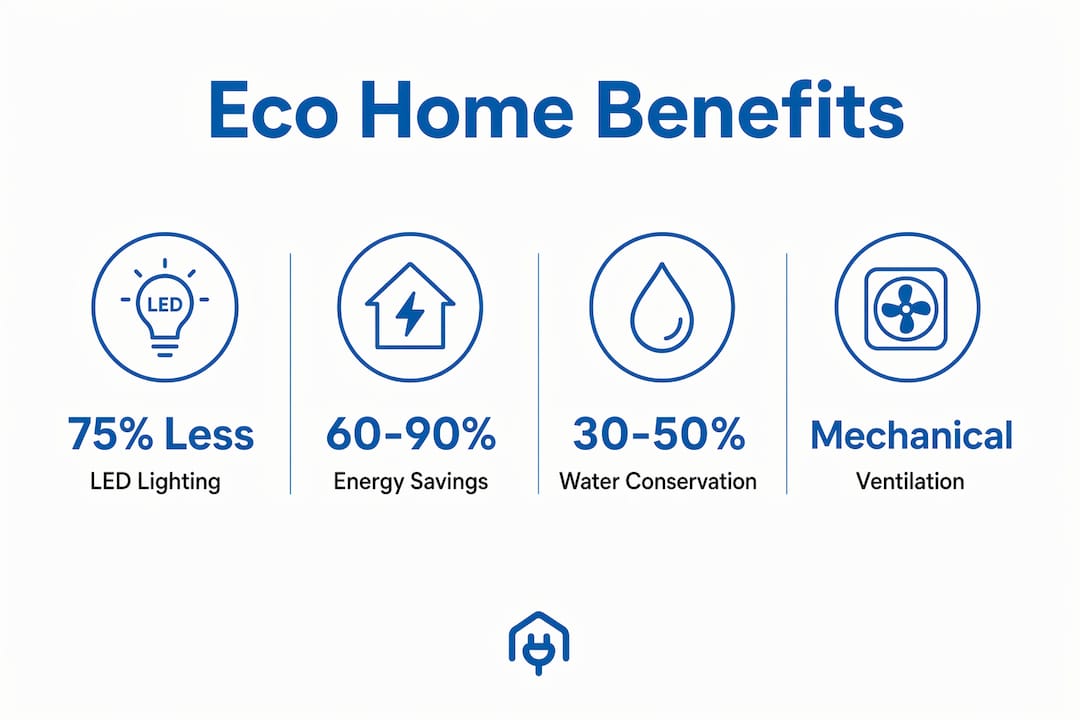
- An eco-friendly house reduces energy consumption by 60–90% through superior insulation, airtightness, and renewable systems. It emphasizes the importance of the building envelope and sustainable materials to minimize embodied carbon and optimize indoor air quality. Prioritizing fabric-first improvements and water conservation measures creates healthier, more sustainable homes with lower operational costs.
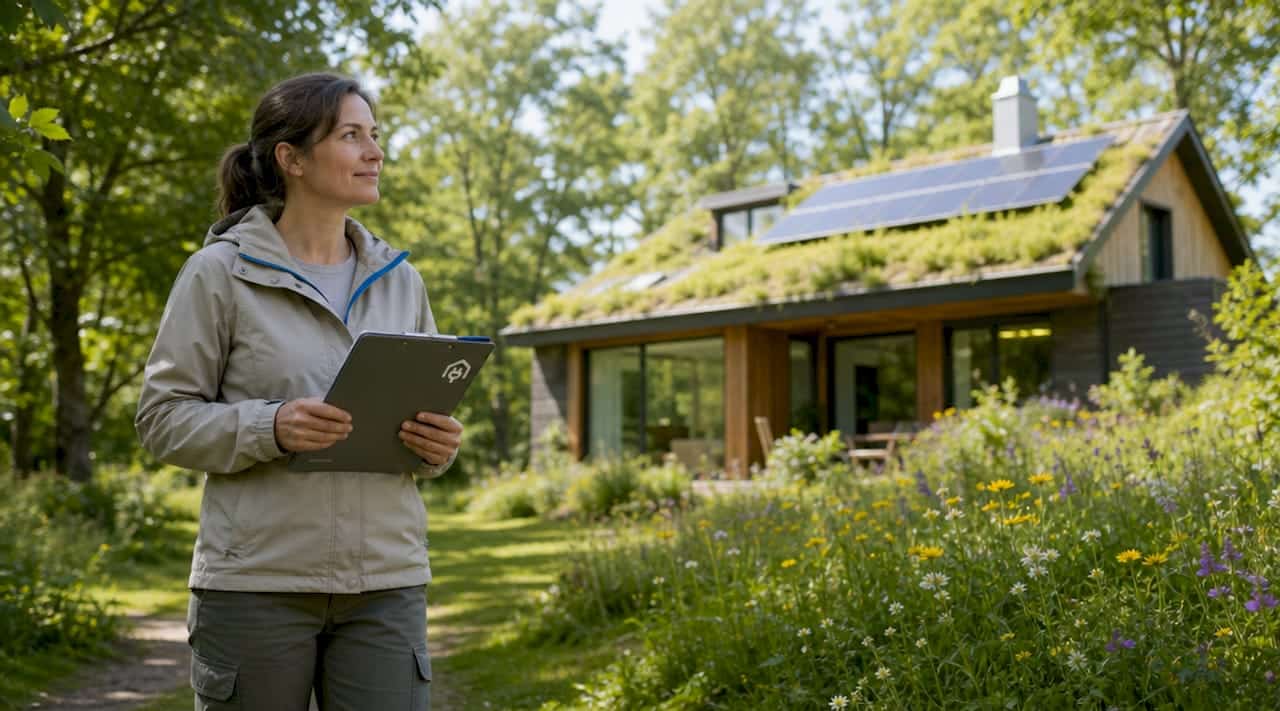
An eco-friendly house is defined by its ability to achieve energy consumption 60–90% lower than a conventional home through integrated design, sustainable materials, and renewable energy systems. In the UK, this concept sits at the heart of sustainable housing, a term used by planners, architects, and the Building Regulations framework to describe properties that minimise environmental impact across their entire lifecycle. What makes a house eco friendly goes beyond fitting solar panels: it covers the building envelope, the materials used in construction, water management, and the quality of the indoor environment. This guide covers each of those elements in practical terms for homeowners and property buyers making decisions in 2026.
What makes a house eco friendly: energy efficiency first
Energy performance is the defining characteristic of a genuinely eco-friendly home. A property that leaks heat through poorly insulated walls, single-glazed windows, or draughty floors will never achieve low carbon credentials regardless of how many renewable technologies are bolted on afterwards.
The building envelope
The building envelope covers walls, roof, floor, windows, and doors. Together, these elements determine how much heat a home retains and how much energy is needed to maintain a comfortable temperature. High-performance windows and airtight construction are the two most impactful upgrades available to homeowners. Triple-glazed windows, for example, reduce heat loss through glazing by roughly half compared to standard double glazing, while also cutting condensation and cold draughts near window surfaces.
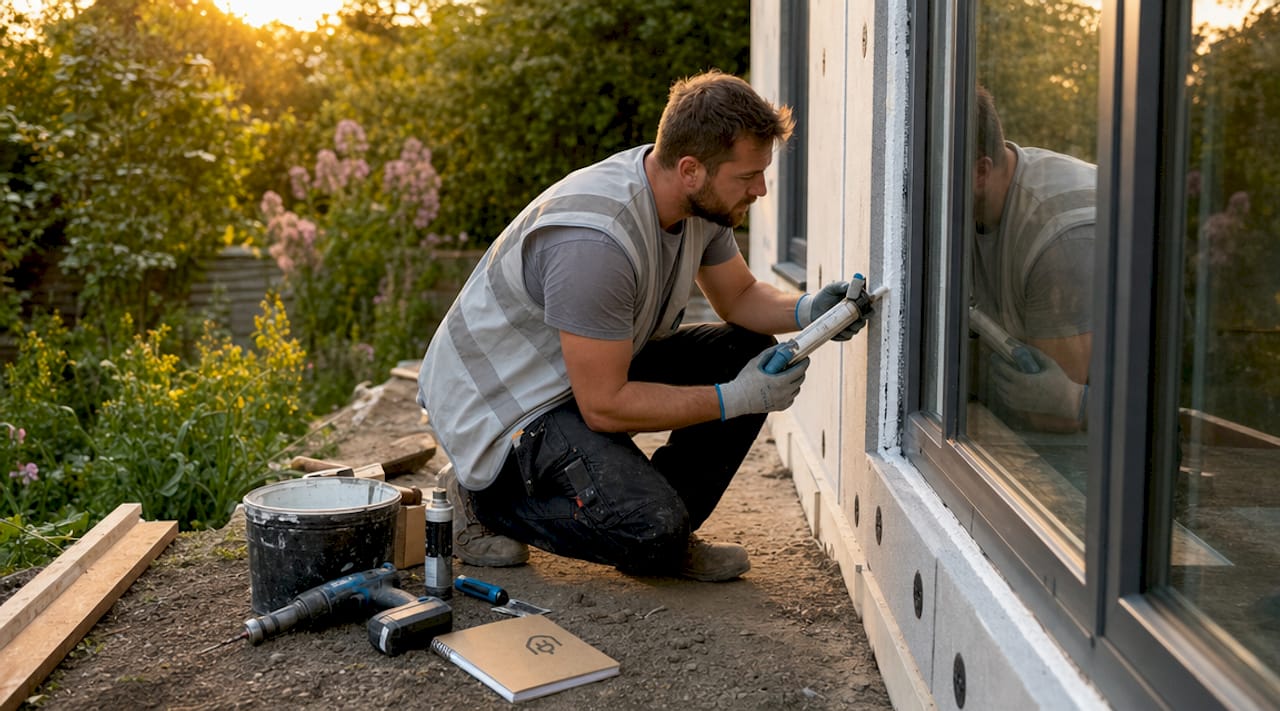
Airtightness is equally significant. A well-sealed home prevents uncontrolled air infiltration, which accounts for a substantial share of heat loss in older UK properties. Specialised vapour control membranes and airtight construction techniques require professional installation to function correctly. This is not a DIY task: incorrectly installed membranes can trap moisture and cause structural damage over time.
Lighting, appliances, and renewables
Efficient lighting is one of the most straightforward eco-friendly home features to implement. LED bulbs use 75% less energy and last 25 times longer than incandescent bulbs. That means lower electricity bills and fewer replacements over the life of the fitting. Combined with A-rated appliances and smart controls, lighting upgrades contribute meaningfully to overall energy reduction.
Renewable energy systems complete the picture. Solar photovoltaic (PV) panels, air source heat pumps, and ground source heat pumps are the most widely adopted technologies in UK residential properties. A home renewable energy guide covers how these systems interact with the building fabric to achieve net zero performance. The key point is that renewables work best when the building envelope is already efficient: a heat pump serving a poorly insulated home will consume far more electricity than one serving a well-insulated property.
Pro Tip: Before investing in solar PV or a heat pump, commission a basic energy assessment to identify where heat is being lost. Addressing insulation and airtightness first will reduce the size and cost of the renewable system you need.
Key energy efficiency measures in eco-friendly homes include:
- Insulation to walls, loft, and floor meeting or exceeding current Part L standards
- Triple glazing or high-performance double glazing with low-emissivity coatings
- Airtight construction with controlled ventilation
- LED lighting throughout and A-rated or better appliances
- Solar PV, heat pumps, or solar thermal for renewable energy generation
- Smart thermostats and energy monitoring systems
Which building materials make a home sustainable?
Sustainable housing is not only about operational energy. The materials used to construct and finish a home carry their own environmental cost, known as embodied carbon. Concrete, for instance, is a high-embodied-carbon material, yet its thermal mass benefits can reduce heating demand over decades, partially offsetting its upfront carbon cost. This trade-off is central to material selection in eco-friendly building.
The following table compares common eco-friendly building materials against conventional alternatives:
| Material | Eco credential | Key consideration |
|---|---|---|
| Reclaimed timber | Low embodied carbon, no new resource extraction | Requires checking for treatment chemicals |
| Bamboo | Rapidly renewable, strong | Sourcing and transport distance matters |
| Hemp-crete | Carbon-negative, good insulation | Needs lime render; specialist installation |
| Recycled steel | Significantly lower carbon than virgin steel | Widely available for structural use |
| Low-VOC paints and finishes | Reduces indoor air pollution | Check third-party certification labels |
Certifications provide a reliable shortcut for buyers and specifiers. The Forest Stewardship Council (FSC) label confirms timber comes from responsibly managed forests. Low-emission labels on adhesives, paints, and flooring products indicate reduced volatile organic compound (VOC) content, which directly affects indoor air quality.
Reuse and repair of existing materials is often more sustainable than purchasing new green products. Salvaging original floorboards, brickwork, or roof tiles from a renovation project avoids the carbon cost of manufacturing replacements entirely. This principle applies equally to kitchens: choosing low-impact kitchen materials and retaining existing cabinetry where possible reduces both waste and expenditure.
Pro Tip: When specifying new materials, ask suppliers for Environmental Product Declarations (EPDs). These standardised documents quantify the carbon impact of a product across its lifecycle and allow direct comparison between alternatives.
Non-standard foundations such as concrete-free or foam-free designs can reduce embodied carbon significantly, but they require careful coordination with building control officers to confirm compliance with UK Building Regulations. This is worth pursuing on new builds where the structural engineer is involved from the outset.
How do eco homes manage water and indoor air quality?
Water conservation is a measurable eco-friendly home feature. Water conservation systems reduce household water use by 30–50% in eco-friendly homes. That reduction comes from a combination of low-flow fixtures, greywater recycling, and rainwater harvesting, each addressing a different part of household water demand.
Practical water-saving measures for eco homes include:
- Low-flow taps, showers, and dual-flush toilets reducing consumption at point of use
- Greywater recycling systems that treat water from sinks and showers for toilet flushing
- Rainwater harvesting tanks supplying garden irrigation or toilet cisterns
- Water-efficient fixtures and native landscaping that support local ecosystems and reduce irrigation demand
- Leak detection systems and smart water metres providing real-time usage data
Indoor air quality is the less-discussed dimension of eco-friendly home design, yet it directly affects occupant health. Airtight homes require mechanical ventilation to prevent the build-up of moisture, carbon dioxide, and pollutants. Mechanical ventilation with heat recovery (MVHR) maintains fresh indoor air in airtight eco homes while recovering up to 90% of the heat that would otherwise be lost through extraction. This means the home stays well-ventilated without the energy penalty of opening windows in winter.
Low-VOC materials throughout the interior reduce the off-gassing of harmful compounds from paints, adhesives, and flooring. Combined with MVHR and natural ventilation strategies where appropriate, this creates an indoor environment that supports respiratory health and reduces the risk of mould growth caused by trapped moisture.
Design principles for making a home genuinely eco friendly
The Passive House standard, developed in Germany and widely adopted across Europe and the UK, defines the most rigorous approach to fabric-first design. Fabric-first prioritises the building envelope over renewable energy add-ons, yielding better long-term results. A Passive House certified property typically uses up to 90% less heating energy than a standard UK home, achieved through five core principles: superior insulation, thermal bridge-free construction, airtightness, high-performance windows, and controlled ventilation.
For homeowners not building from scratch, the same principles apply to retrofit. The following steps represent a practical sequence for making an existing home more sustainable:
- Commission an Energy Performance Certificate (EPC) assessment to establish a baseline and identify the lowest-rated elements.
- Seal gaps around windows, doors, loft hatches, and pipe penetrations to reduce uncontrolled air infiltration.
- Upgrade loft insulation to a minimum of 270mm of mineral wool or equivalent.
- Improve wall insulation through internal dry-lining, external wall insulation, or cavity fill where applicable.
- Replace single or poor-quality double glazing with high-performance units.
- Install MVHR or a whole-house ventilation system once airtightness improvements are in place.
- Add renewable energy generation once the fabric is performing well.
Passive solar design is a cost-free green home design idea available to anyone undertaking a new build or extension. Orienting the main glazed elevations to face south maximises solar gain in winter, while correctly sized overhangs or external shading prevent overheating in summer. Thermal mass materials such as concrete screed, stone flooring, or brick internal walls absorb heat during the day and release it slowly at night, reducing temperature swings without mechanical systems.
Homeowners benefit from viewing insulation, glazing, and renewable systems as investments yielding future savings and better health, rather than costs. A well-executed retrofit can reduce annual energy bills by hundreds of pounds while also improving EPC ratings, which increasingly affect property values and mortgage eligibility in the UK market. Practical home retrofit guidance helps homeowners sequence these upgrades to maximise return on investment.
Pro Tip: Use the energy saving tips available from Homeenergymodel to identify quick wins before committing to larger capital works. Small behavioural changes and low-cost draught-proofing often deliver faster payback than major installations.
Key takeaways
An eco-friendly home achieves its credentials through the combined performance of its building fabric, materials, energy systems, water management, and indoor environment, not through any single feature in isolation.
| Point | Details |
|---|---|
| Energy efficiency is the foundation | Achieving 60–90% lower energy use requires high-quality insulation, airtightness, and efficient systems working together. |
| Fabric first, renewables second | Improving the building envelope before adding solar PV or heat pumps reduces system size and cost. |
| Materials carry embodied carbon | Choosing reclaimed timber, bamboo, or hemp-crete and retaining existing materials reduces lifecycle carbon. |
| Water savings are measurable | Low-flow fixtures, greywater recycling, and rainwater harvesting can cut household water use by 30–50%. |
| Indoor air quality matters | MVHR systems and low-VOC materials protect occupant health in well-sealed eco homes. |
Why fabric-first thinking changes everything
Having worked with UK property owners navigating energy upgrades, I find the most common mistake is reaching for the most visible solution first. Solar panels on the roof signal commitment. A heat pump in the garden signals modernity. But neither delivers its potential in a home that leaks heat through an uninsulated solid wall or a draughty loft hatch.
The fabric-first approach is less photogenic but far more effective. A home that holds its heat well needs a smaller heat pump, generates more useful output from its solar panels, and costs less to run every single year. The upfront discipline of addressing the envelope pays dividends for decades.
I also think the sustainability conversation undervalues reuse. Stripping out a functional kitchen to install a new one with recycled-content worktops is rarely the most sustainable choice. The most eco-conscious decision is often to keep what works, repair what is worn, and replace only what genuinely cannot be salvaged. That principle applies to flooring, doors, structural timbers, and even sanitaryware.
For UK buyers, the EPC rating is now a practical financial consideration, not just an environmental one. Mortgage lenders, insurers, and tenants increasingly factor energy performance into their decisions. Understanding energy performance certificates is no longer optional for anyone buying, selling, or letting property in the UK.
— Danny
How Homeenergymodel supports eco-friendly home improvements
Homeenergymodel provides UK homeowners, landlords, and property buyers with authoritative guidance on energy performance assessment and sustainable property upgrades. Whether planning a retrofit, evaluating a purchase, or preparing for compliance with the Future Homes Standard, understanding how a property performs energetically is the logical starting point.
The home energy model explained resource covers how the new government methodology replaces SAP for assessing building energy performance, and what that means for EPC ratings from 2025 onwards. For landlords managing multiple properties, the guide to types of home energy models outlines which assessment approach suits different property types and investment strategies. Homeenergymodel combines technical accuracy with practical guidance to help property owners make confident, well-informed decisions about sustainable improvements.
FAQ
What makes a house eco friendly in the UK?
An eco-friendly house in the UK combines high-performance insulation, airtight construction, renewable energy systems, water-saving fixtures, and low-embodied-carbon materials to achieve energy consumption 60–90% lower than a conventional home. EPC ratings, Passive House certification, and compliance with Part L of the Building Regulations are the primary benchmarks used to measure performance.
What is the fabric-first approach to sustainable housing?
The fabric-first approach prioritises improving the building envelope, including walls, roof, floor, and windows, before installing renewable energy technologies. This method delivers better long-term energy savings because it reduces the baseline demand that any renewable system must meet.
How much water can an eco home save?
Water conservation systems in eco-friendly homes reduce household water use by 30–50% through low-flow fixtures, greywater recycling, and rainwater harvesting. Native landscaping further reduces outdoor water demand by replacing irrigation-dependent planting with species suited to the local climate.
Do eco-friendly homes need special ventilation?
Yes. Airtight eco homes require mechanical ventilation with heat recovery (MVHR) to maintain fresh indoor air and control humidity. MVHR recovers up to 90% of heat from extracted air, preventing the energy loss associated with opening windows for ventilation in colder months.
How does an EPC relate to eco-friendly home features?
An Energy Performance Certificate (EPC) rates a property’s energy efficiency on a scale from A to G and identifies specific improvements that would raise the rating. Higher EPC ratings reflect better insulation, more efficient heating systems, and lower carbon emissions, making the EPC a practical summary of a home’s eco credentials for buyers and landlords.