

Every british landlord faces mounting pressure to upgrade properties as tighter energy regulations approach. With the Home Energy Model set to shake up the rental market, failing to act could leave homes non-compliant and costly to run. By understanding the steps for assessing and improving lighting, you can unlock substantial savings—LED upgrades alone can cut electricity use by up to 75 percent. This guide equips you with actionable solutions for better energy ratings and legal peace of mind.
Table of Contents
- Step 1: Assess Current Lighting And Energy Usage
- Step 2: Identify Suitable Energy-Saving Lighting Upgrades
- Step 3: Select Compliant Fixtures And Controls
- Step 4: Install And Optimise New Lighting Systems
- Step 5: Verify Lighting Performance And Energy Savings
Quick Summary
| Key Point | Explanation |
|---|---|
| 1. Assess Lighting and Energy | Evaluate current lighting and energy use to identify improvement areas for efficiency. This forms the foundation for upgrades. |
| 2. Choose Energy-Saving Upgrades | Opt for LED bulbs and smart lighting to significantly reduce energy costs and improve aesthetics. Aim for high performance ratings. |
| 3. Ensure Compliance | Select lighting fixtures and controls that meet UK regulations, ensuring safety and energy standards are met effectively. |
| 4. Install and Optimise | Implement new lighting systems carefully, focusing on positioning and control settings for maximum efficiency and effectiveness. |
| 5. Verify Energy Savings | Conduct a thorough assessment post-installation to quantify energy savings and confirm the success of your upgrades. |
Step 1: Assess current lighting and energy usage
Assessing your property’s lighting and energy consumption is the crucial first step towards creating an energy efficient rental property. This process helps UK landlords understand their current energy performance and identify potential areas for improvement.
Begin by obtaining your property’s current Energy Performance Certificate which provides a comprehensive overview of your property’s energy usage. The certificate will detail your property’s energy efficiency rating, highlighting specific areas like lighting systems where improvements can be made. Look closely at the EPC rating between A and G, with ratings of E or below potentially requiring immediate upgrades to meet current UK rental property standards.
To conduct a thorough assessment, systematically examine all lighting fixtures throughout the property. Count the number of light fittings, check their current wattage, and determine the type of bulbs in use. Pay special attention to areas like hallways, kitchens, and communal spaces where lighting is frequently used. Consider using a digital energy metre to track actual electricity consumption specifically related to lighting, which can provide precise data on your current energy expenditure.
Expert Advice: Track your lighting energy consumption over a minimum three month period to establish a reliable baseline for future efficiency improvements.
Step 2: Identify suitable energy-saving lighting upgrades
Choosing appropriate energy-saving lighting upgrades is essential for improving your rental property’s efficiency and reducing overall electricity consumption. By selecting the right lighting technologies, landlords can simultaneously lower energy costs and enhance property appeal.
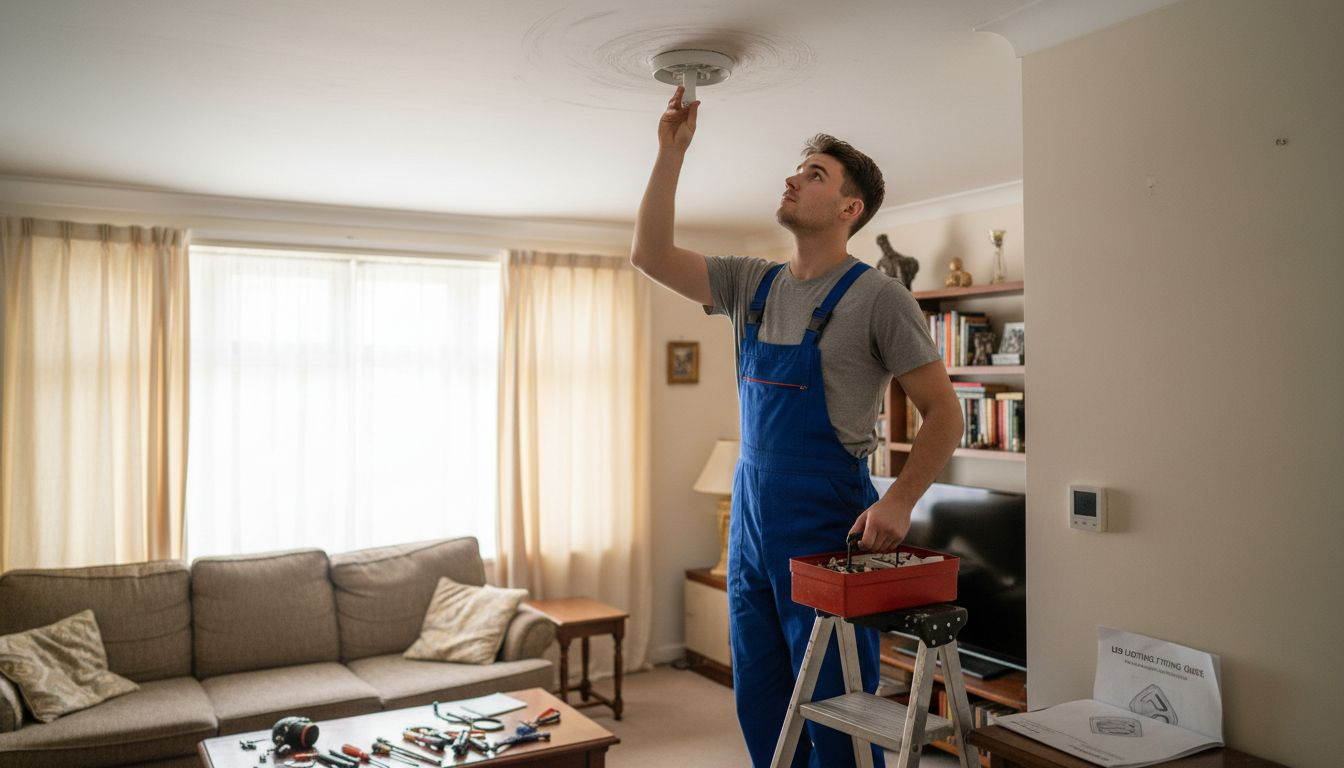
Start by exploring smart lighting solutions for rental properties, which offer significant advantages beyond traditional bulb replacements. Smart LED bulbs provide advanced features like automated dimming, occupancy sensing, and remote control capabilities. These technologies can reduce electricity usage by up to 75% compared to traditional incandescent lighting. Focus on areas with high traffic such as hallways, kitchens, and communal spaces where lighting efficiency can generate maximum impact.
When selecting lighting upgrades, prioritise LED technologies that meet both energy performance standards and aesthetic requirements. Look for bulbs with high lumens per watt ratings, which indicate superior energy efficiency. Consider colour temperature options that provide warm or cool lighting to suit different rooms, ensuring tenant comfort while maintaining energy conservation. Pay attention to compatibility with existing fixtures and potential installation complexities.
Expert Advice: Choose LED bulbs with Energy Star certification to guarantee optimal performance and energy savings across your rental property.
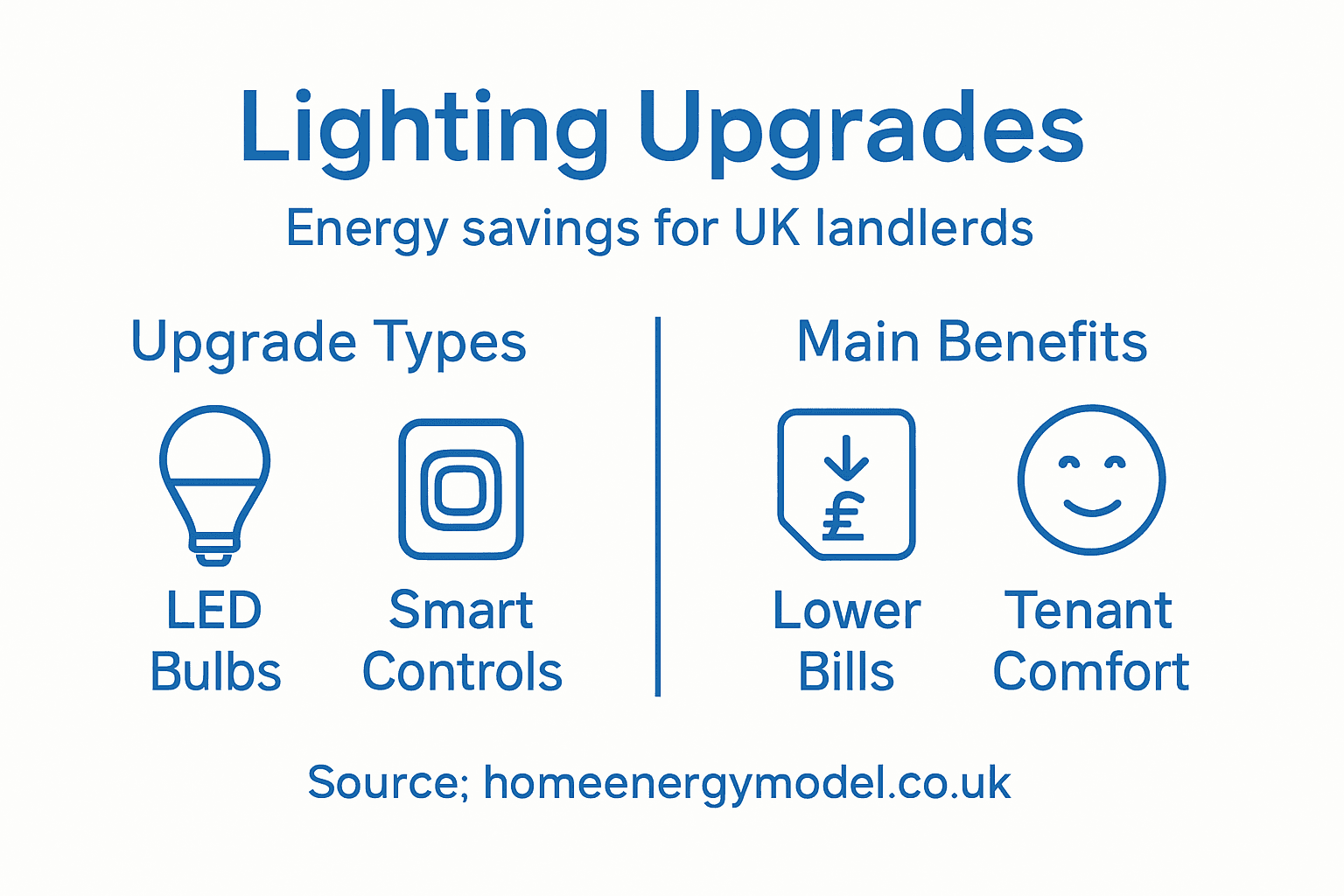
Here is a summary of lighting technology upgrades to consider:
| Upgrade Type | Estimated Energy Reduction | Key Benefits |
|---|---|---|
| LED Bulbs | Up to 75% | Long lifespan, low heat output |
| Smart Controls | 20-40% additional savings | Automates usage, remote access |
| Occupancy Sensors | 15-30% in communal spaces | Lights on only when needed |
| Daylight Harvesting | 10-20% | Maximises use of natural light |
Step 3: Select compliant fixtures and controls
Selecting lighting fixtures and controls that meet UK regulatory standards is a critical responsibility for landlords seeking to ensure safety, energy efficiency, and legal compliance. This process involves carefully navigating multiple technical requirements and safety regulations.
Begin by understanding the key British Standards for lighting installations, which outline specific technical and safety requirements for electrical systems. Focus on compliance with BS 7671 wiring regulations and Building Regulations Part L, which govern energy efficiency and electrical safety in rental properties. Prioritise fixtures that demonstrate high energy performance ratings, integrated smart control capabilities, and compatibility with modern electrical standards. Look for products that offer features like automatic dimming, motion sensing, and remote control functionality while maintaining strict adherence to safety protocols.
When selecting lighting controls, consider comprehensive systems that allow granular management of energy consumption. Opt for programmable timers, occupancy sensors, and daylight harvesting technologies that automatically adjust lighting levels based on natural light and room usage. These advanced controls not only reduce electricity consumption but also demonstrate your commitment to sustainable property management. Ensure all selected fixtures include proper certification and can be verified through professional electrical inspection reports.
Expert Advice: Consult a registered electrician to verify that your chosen lighting fixtures and control systems fully comply with current UK electrical safety standards.
The following table outlines essential compliance steps for UK landlords improving lighting systems:
| Requirement | Description | Who Should Approve |
|---|---|---|
| BS 7671 Wiring Regulations | Ensures safest wiring standards | Registered electrician |
| Building Regulations Part L | Meets energy efficiency requirements | Local authority inspector |
| Product Certification | Verifies fixtures meet UK standards | Manufacturer or assessor |
| Electrical Installation Certificate | Confirms safe, compliant installation | Competent installer |
Step 4: Install and optimise new lighting systems
Installing and optimising new lighting systems requires careful planning and strategic implementation to maximise energy efficiency and tenant satisfaction. This step transforms your theoretical lighting upgrade plans into practical, functional improvements for your rental property.
Begin by following professional smart lighting installation guidelines, ensuring all electrical work is completed by a qualified electrician. Focus on precise positioning of smart LED fixtures, considering factors like room layout, natural light exposure, and intended usage patterns. Programme automated controls to create intelligent lighting zones that adjust brightness and colour temperature based on time of day, occupancy, and specific room functions. This approach not only reduces energy consumption but also enhances the overall living experience for tenants.
After installation, conduct a comprehensive system optimisation review. Test and fine-tune motion sensors, dimmer settings, and automated controls to ensure they operate seamlessly and efficiently. Consider implementing a central control system that allows for remote management and real-time energy consumption monitoring. Pay special attention to high traffic areas like hallways, kitchens, and communal spaces where lighting efficiency can generate maximum impact. Document all installation details and settings to provide clear guidance for future maintenance and tenant usage.
Expert Advice: Create a detailed user guide for tenants explaining how to interact with and maximise the efficiency of the new smart lighting system.
Step 5: Verify lighting performance and energy savings
Verifying the actual performance and energy savings of your new lighting system is a critical final step in your property upgrade process. This verification ensures your investment delivers tangible efficiency improvements and meets regulatory requirements.
Begin by obtaining a comprehensive energy performance assessment after installing your new lighting system. Compare the updated Energy Performance Certificate with your previous rating to quantify precise energy savings. Analyse electricity consumption data from smart metres comparing pre and post installation periods, tracking reductions in kilowatt hour usage. Pay close attention to lighting circuit consumption specifically measuring the impact of your LED and smart control installations.
Document all performance metrics systematically including total energy reduction percentages, estimated annual cost savings, and carbon emissions reductions. Create a detailed report capturing before and after measurements to demonstrate the effectiveness of your lighting upgrades. Consider engaging a professional energy assessor to provide an independent verification of your improvements, which can be valuable documentation for potential tenants or future property valuations.
Expert Advice: Maintain a comprehensive log of energy consumption data for at least 12 months to establish a robust performance baseline and validate your lighting upgrade investments.
Enhance Your Rental Property’s Energy Efficiency with Expert Guidance
UK landlords face the pressing challenge of updating lighting systems to meet new energy efficiency requirements while ensuring tenant comfort and legal compliance. The article highlights key goals such as assessing current energy usage, selecting LED and smart lighting upgrades, and verifying improvements to reduce costs and meet EPC standards. Navigating British Standards and preparing for the upcoming Home Energy Model (HEM) can feel overwhelming but are essential steps for future-proofing your rental investments.
At homeenergymodel.co.uk, you will find detailed insights into the HEM’s role in replacing SAP and raising the bar on energy performance for residential properties across the UK. Our platform offers practical advice on incorporating smart lighting controls and how these fit within the broader regulatory landscape governed by the Future Homes Standard. Don’t let outdated information hold back your property upgrades. Take charge now by exploring our expert resources including guidance on energy performance certifications and the latest updates on sustainable property management.
Start transforming your rental property today to achieve lower energy bills, improved tenant satisfaction, and full compliance with new UK legislation. Visit homeenergymodel.co.uk to learn more and stay ahead in the evolving energy efficiency landscape.
Frequently Asked Questions
How can I assess my property’s current lighting energy usage?
Start by obtaining your property’s current Energy Performance Certificate, which outlines energy consumption details. Systematically examine all lighting fixtures to count wattage and types of bulbs in use, using a digital energy metre for tracking actual electricity consumption over a minimum period of three months.
What are the best energy-saving lighting upgrades for my rental property?
Consider upgrading to LED bulbs, smart controls, and occupancy sensors, which can collectively reduce energy consumption by up to 75%. Focus on high-traffic areas to maximise the impact of these upgrades and ensure tenant satisfaction with better lighting quality.
How do I ensure my new lighting fixtures comply with UK regulations?
Select fixtures that meet BS 7671 wiring regulations and Building Regulations Part L, which govern safety and energy efficiency. Consult a registered electrician to confirm that your selected products are compliant and certified for use in rental properties.
What steps should I follow to install new lighting systems effectively?
Engage a qualified electrician to install the smart lighting systems according to professional guidelines. Afterwards, programme and optimise the automated controls to fit the specific usage patterns of your rooms, which can lead to significant energy savings and enhanced living experiences for tenants.
How can I verify the energy savings from my new lighting system?
Obtain a comprehensive energy performance assessment after installation to compare it with your previous rating. Document all performance metrics systematically over 12 months, tracking reductions in kilowatt hours to validate your lighting upgrades.
What long-term benefits can I expect from implementing energy-efficient lighting?
Implementing energy-efficient lighting can lead to significantly lower electricity bills and improved tenant satisfaction. Additionally, better lighting systems can enhance the overall attractiveness of your rental property, potentially increasing your return on investment over time.