
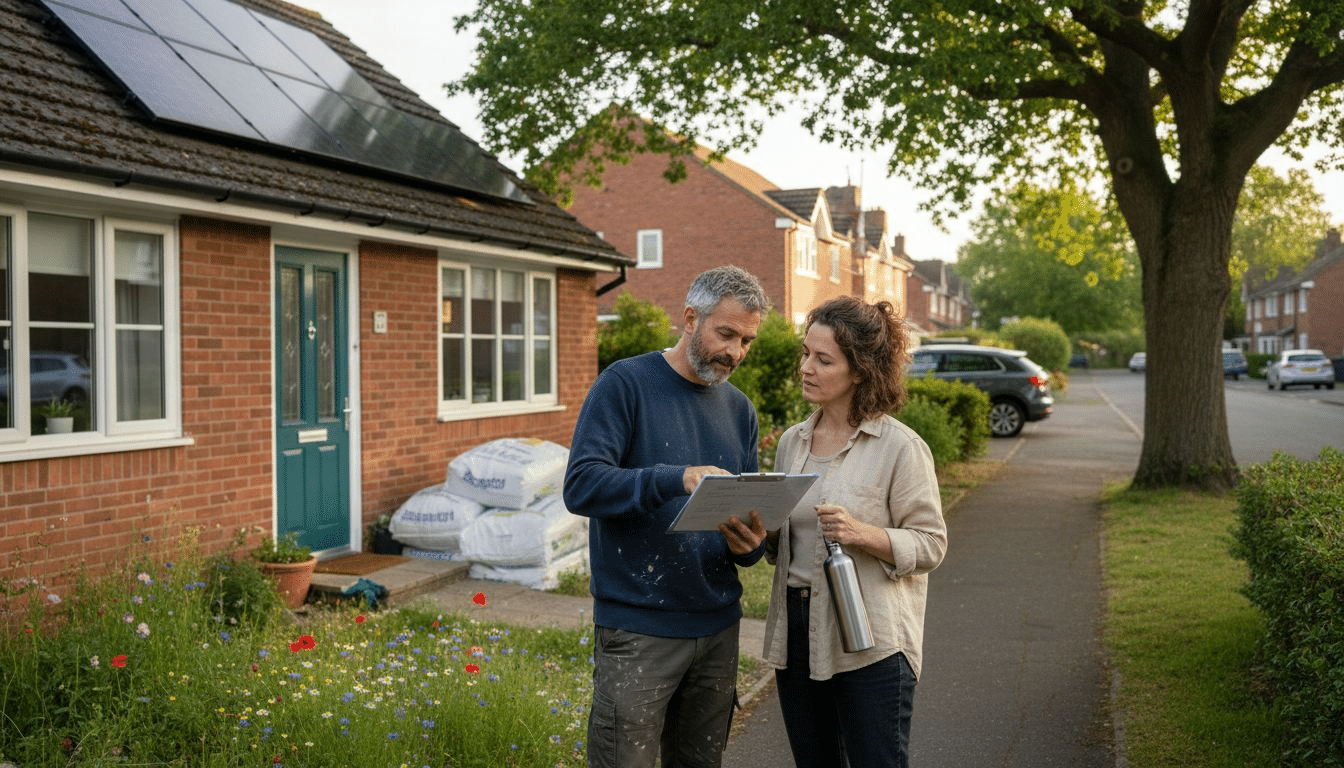
Most british homes lose almost a third of their heat through poorly insulated walls and windows. With new energy efficiency regulations on the horizon, property owners face mounting pressure to improve sustainability and protect home value. From insulation upgrades to smart controls, discover proven strategies to transform your british property, save on utility bills, and meet evolving standards for comfort and compliance.
Table of Contents
- Upgrade to High-Performance Insulation for Efficiency
- Install Energy-Efficient Windows and Glazing
- Switch to Low-Carbon Heating Options
- Adopt Smart Controls for Heating and Lighting
- Improve Water Efficiency with Modern Fixtures
- Choose Sustainable Building Materials and Finishes
- Enhance Ventilation for Healthier, Greener Homes
Quick Summary
| Takeaway | Explanation |
|---|---|
| 1. Upgrade your insulation for savings | Improving home insulation can save UK homeowners between £300 to £400 annually on energy bills. |
| 2. Install energy-efficient windows | Upgrading to double or triple-glazed windows reduces heat loss and enhances indoor comfort, complying with UK standards. |
| 3. Transition to low-carbon heating solutions | Switching to low-carbon options like heat pumps can cut carbon emissions by up to 65% and may qualify for financial incentives. |
| 4. Implement smart home controls | Smart thermostats and lighting can optimise energy use and reduce bills by allowing precise control over home systems. |
| 5. Enhance ventilation for healthier homes | Effective ventilation strategies improve indoor air quality while conserving energy, making homes healthier and more efficient. |
1. Upgrade to High-Performance Insulation for Efficiency
Improving home insulation is a critical strategy for reducing energy consumption and lowering utility bills in UK properties. By implementing advanced insulation technologies, homeowners can significantly enhance their property’s thermal efficiency and contribute to national energy conservation efforts.
The Great British government has recognised the importance of home insulation, launching a £1 billion insulation scheme to support households in upgrading their energy performance. This initiative targets homes with lower Energy Performance Certificate (EPC) ratings, offering substantial financial incentives for insulation improvements.
Key Insulation Options:
- Loft insulation
- Cavity wall insulation
- Solid wall insulation
- Underfloor insulation
Homeowners can potentially save between £300 to £400 annually by implementing these insulation upgrades. Modern high-performance insulation materials such as aerogel, sheep’s wool, and advanced fibreglass provide superior thermal resistance compared to traditional materials, creating more stable indoor temperatures and reducing heat loss.
When selecting insulation, consider factors like your property’s construction, age, and existing thermal performance. Professional energy assessors can provide tailored recommendations specific to your home’s unique characteristics.
Top Tip: Before commencing any insulation project, obtain a professional energy assessment to identify the most effective and cost-efficient insulation strategies for your specific property.
2. Install Energy-Efficient Windows and Glazing
Upgrading windows is a transformative strategy for improving home energy performance and reducing utility costs. Energy efficient glazing represents a smart investment for UK property owners seeking to enhance thermal comfort and sustainability.
Modern windows play a crucial role in managing heat transfer and maintaining indoor temperatures. UK Building Regulations now mandate stringent energy efficiency standards for window installations, requiring maximum U-values of 1.4 W/m²K or lower.
Window Efficiency Options:
- Double glazing with low-emissivity coatings
- Triple glazing with inert gas fills
- Thermally broken window frames
- Smart glass technologies
Triple glazed windows offer superior insulation by using three glass panes with air or inert gas layers, significantly reducing heat loss and external noise. These advanced windows can last 20 to 35 years when professionally installed and maintained, providing long-term energy savings and improved home comfort.
Consider factors like orientation, frame material, and glass type when selecting windows. Aluminium, uPVC, and timber frames each offer different performance characteristics and aesthetic options.
Pro Tip: Request comprehensive thermal performance certificates from window manufacturers and prioritise professional installation to maximise energy efficiency and compliance with building regulations.
3. Switch to Low-Carbon Heating Options
Transitioning to low-carbon heating solutions is a critical step for UK homeowners committed to reducing environmental impact and preparing for future energy standards. The national drive towards decarbonisation is reshaping how we approach home heating technologies.
UK Government strategies now actively support decarbonising home heating with ambitious targets to eliminate fossil fuel boiler installations by 2035. This transformative approach aims to significantly reduce carbon emissions and improve energy efficiency across residential properties.
Low-Carbon Heating Technologies:
- Air source heat pumps
- Ground source heat pumps
- Hydrogen-ready boilers
- Biomass heating systems
- Electric resistance heating
Heat pumps represent a particularly promising technology, extracting renewable heat from ambient air or ground sources. These systems can reduce carbon emissions by up to 65% compared to traditional gas boilers, offering substantial environmental and potential financial benefits.
The Boiler Upgrade Scheme provides financial incentives for households transitioning away from fossil fuel heating, offering grants to support the installation of heat pumps and biomass boilers. This government programme makes low-carbon heating more accessible and economically viable for property owners.
Pro Tip: Conduct a comprehensive home energy assessment before switching heating systems to ensure your property is adequately insulated and prepared for low-carbon technologies.
4. Adopt Smart Controls for Heating and Lighting
Smart home technologies are revolutionising energy management for UK property owners, offering unprecedented control over heating and lighting systems. These intelligent solutions provide both environmental and economic benefits through precise energy consumption monitoring and optimisation.
New UK regulations mandate smart functionality for heating appliances, ensuring consumers can leverage advanced energy management capabilities. These smart systems enable real-time responses to energy price signals, allowing households to shift energy consumption to more cost effective periods.
Smart Control Technologies:
- WiFi enabled thermostats
- Motion sensor lighting systems
- Programmable heating controls
- Automated zone temperature management
- Voice activated energy interfaces
Smart thermostats can increase heating system efficiency by up to 17%, potentially saving households significant amounts on annual energy expenditure. These devices learn household patterns, automatically adjusting temperatures to optimise comfort and reduce unnecessary energy consumption.
Integrating smart lighting with occupancy sensors ensures electricity is only used when needed, eliminating wastage from forgotten lights and reducing overall energy demand. Many modern systems can be controlled remotely via smartphone applications, providing unprecedented flexibility and control.
Pro Tip: Select smart control systems compatible with multiple energy suppliers to maximise potential cost savings and maintain future technological flexibility.
5. Improve Water Efficiency with Modern Fixtures
Modern water fixtures represent a powerful opportunity for UK homeowners to reduce environmental impact and lower utility expenses. Implementing water efficient technologies can transform household resource consumption and support broader sustainability objectives.
UK Government standards now mandate water saving technologies to reduce water usage by 20 litres per person daily. These progressive regulations aim to address water scarcity challenges while providing economic benefits for households.
Water Efficient Fixture Options:
- Aerated shower heads
- Dual flush toilets
- Low flow taps
- Rainwater harvesting systems
- Water efficient dishwashers and washing machines
Dual flush toilets can save approximately 4 to 6 litres per flush compared to traditional models, significantly reducing household water consumption. Advanced shower heads with flow restrictors can cut water usage by up to 50% without compromising user experience.
Modern appliances like dishwashers and washing machines now incorporate sophisticated water management technologies, enabling precise water usage control and minimising unnecessary waste. Smart sensors and programmable settings allow consumers to optimise resource consumption effectively.
Pro Tip: Consider installing water monitoring devices that provide real time feedback on household water consumption, helping you identify and address potential inefficiencies.
6. Choose Sustainable Building Materials and Finishes
Sustainable building materials represent a transformative approach to reducing environmental impact while creating healthier living spaces. UK property owners now have numerous innovative options for constructing and renovating homes with ecological consciousness.
UK construction industry is pioneering green building materials that significantly reduce carbon emissions and support national net zero objectives. These materials offer substantial benefits beyond traditional construction approaches.
Sustainable Material Choices:
- Cross-Laminated Timber (CLT)
- Recycled steel
- Bamboo
- Hempcrete
- Low carbon concrete
- Reclaimed wood
- Bio-based insulation materials
Cross-Laminated Timber provides exceptional structural integrity while sequestering carbon during its lifecycle. Hempcrete offers remarkable thermal performance and moisture regulation, creating breathable walls with superior insulation properties.
Bamboo stands out as a rapidly renewable resource that grows significantly faster than traditional timber, providing a fast-growing alternative for construction and finishing materials. Its strength and versatility make it an excellent sustainable choice for flooring, wall panels, and decorative elements.
When selecting materials, consider factors such as local sourcing, embodied carbon, durability, and potential for recycling or reuse. Prioritise materials with low volatile organic compounds and third party sustainability certifications.
Pro Tip: Consult with green building specialists who can provide tailored advice on selecting sustainable materials specific to your property’s unique requirements and environmental context.
7. Enhance Ventilation for Healthier, Greener Homes
Ventilation is a critical yet often overlooked aspect of sustainable home design, directly impacting indoor air quality and overall environmental performance. Modern UK homes require strategic approaches to ensure healthy living environments while maintaining energy efficiency.
UK Government Healthy Homes guidance recommends advanced ventilation strategies that balance air quality with energy conservation. These approaches focus on reducing indoor pollutants and creating more sustainable living spaces.
Effective Ventilation Strategies:
- Mechanical ventilation with heat recovery
- Passive stack ventilation systems
- Decentralised mechanical extraction
- Natural cross ventilation techniques
- Humidity controlled extractor fans
- Window placement for optimal airflow
- Smart ventilation controls
Mechanical ventilation with heat recovery systems offer exceptional performance by extracting stale air while simultaneously introducing fresh air and recovering thermal energy. These systems can reduce heat loss by up to 95%, creating a more energy efficient home environment.
Additional benefits include preventing moisture buildup, reducing mould risks, and removing indoor air pollutants such as cooking fumes, cleaning chemical residues, and allergens. Strategically designed ventilation supports respiratory health and reduces potential long term environmental health risks.
Pro Tip: Conduct a professional indoor air quality assessment to identify specific ventilation requirements tailored to your property’s unique architectural characteristics and occupancy patterns.
Below is a comprehensive table summarising the key topics and strategies discussed throughout the article.
| Strategy | Recommended Actions | Key Benefits |
|---|---|---|
| Upgrade Insulation | Implement loft, wall, and floor insulation options; utilise advanced materials like aerogel and sheep’s wool. | Enhanced thermal efficiency, potential annual savings of £300–£400, and reduced energy consumption. |
| Energy-Efficient Windows | Install double or triple glazing; use low-emissivity coatings and thermally broken window frames. | Improved indoor comfort, reduced heat loss and noise, and compliance with standards. |
| Low-Carbon Heating Solutions | Transition to heat pumps, hydrogen-ready boilers, or biomass heating systems; leverage available government grants. | Lower carbon emissions, adherence to decarbonisation goals, and financial incentives. |
| Smart Heating and Lighting Controls | Integrate WiFi thermostats, motion-sensitive systems, or programmable heating and lighting setups. | Enhanced control over energy usage, improved cost management, and optimised comfort. |
| Water Efficiency Measures | Install aerated shower heads, dual flush toilets, and rainwater harvesting systems; upgrade dishwashers and washing machines. | Reduced water consumption, significant savings in utility bills, and compliance with regulations. |
| Sustainable Building Materials | Use bamboo, hempcrete, recycled steel, or low-carbon concrete in construction projects. | Reduced environmental impact, utilisation of renewable resources, and healthier indoor environments. |
| Advanced Ventilation Systems | Adopt heat recovery mechanical ventilation, decentralised extraction systems, and smart controls. | Improved indoor air quality, reduced heat loss, and lower mould risks. |
Take Control of Your Home’s Energy Future Today
Sustainable home improvements can feel overwhelming when navigating the complex requirements of new UK regulations and energy standards. This article highlights the urgency of upgrading insulation, switching to low-carbon heating, and adopting smart controls to meet the Future Homes Standard. Homeowners focusing on energy efficiency must overcome challenges such as understanding new government schemes, EPC impacts, and selecting the right technologies for lasting savings.
Unlock the full potential of your property’s energy performance by exploring detailed guidance and official updates at Home Energy Model. Discover how the upcoming methodology replacing SAP can transform your energy assessments and compliance approach. For practical insights on improving EPC ratings and meeting government targets, visit Home Energy Model now and start your journey towards a greener, more efficient home.
Empower yourself with knowledge, avoid costly mistakes, and take advantage of available government initiatives. Act now to secure better comfort, lower bills, and a sustainable future for your UK property.
Frequently Asked Questions
What are some effective ways to upgrade insulation in my home?
Improving insulation can include options like loft, cavity wall, and underfloor insulation. Start by obtaining a professional energy assessment to determine the best insulation type for your property, which can lead to annual savings of £300 to £400.
How can I switch to energy-efficient windows?
To upgrade your windows for better energy performance, consider installing double or triple glazing with low-emissivity coatings. Ensure that your new windows meet building regulations and arrange for professional installation to maximise their efficiency.
What low-carbon heating options are available for my home?
You can switch to low-carbon heating solutions like air source or ground source heat pumps. Have a home energy assessment done beforehand to ensure your property is prepared for these systems, potentially reducing carbon emissions by up to 65%.
How can smart technology improve my home’s energy efficiency?
Integrating smart controls such as WiFi-enabled thermostats and motion sensor lighting can enhance your energy efficiency. Implement these technologies to monitor and optimise energy consumption in real time, potentially increasing heating system efficiency by up to 17%.
What water-saving fixtures should I consider for my home?
Consider installing water-efficient fixtures like dual flush toilets and low-flow taps to reduce water usage significantly. Aim for fixtures that can save 4 to 6 litres per flush or up to 50% water usage in showers to enhance sustainability and cut costs.
How can I improve ventilation in my home for better air quality?
Improving ventilation can involve installing systems like mechanical ventilation with heat recovery or natural cross ventilation techniques. Conduct a professional indoor air quality assessment to identify specific ventilation needs tailored to your home, ensuring a healthier living environment.