
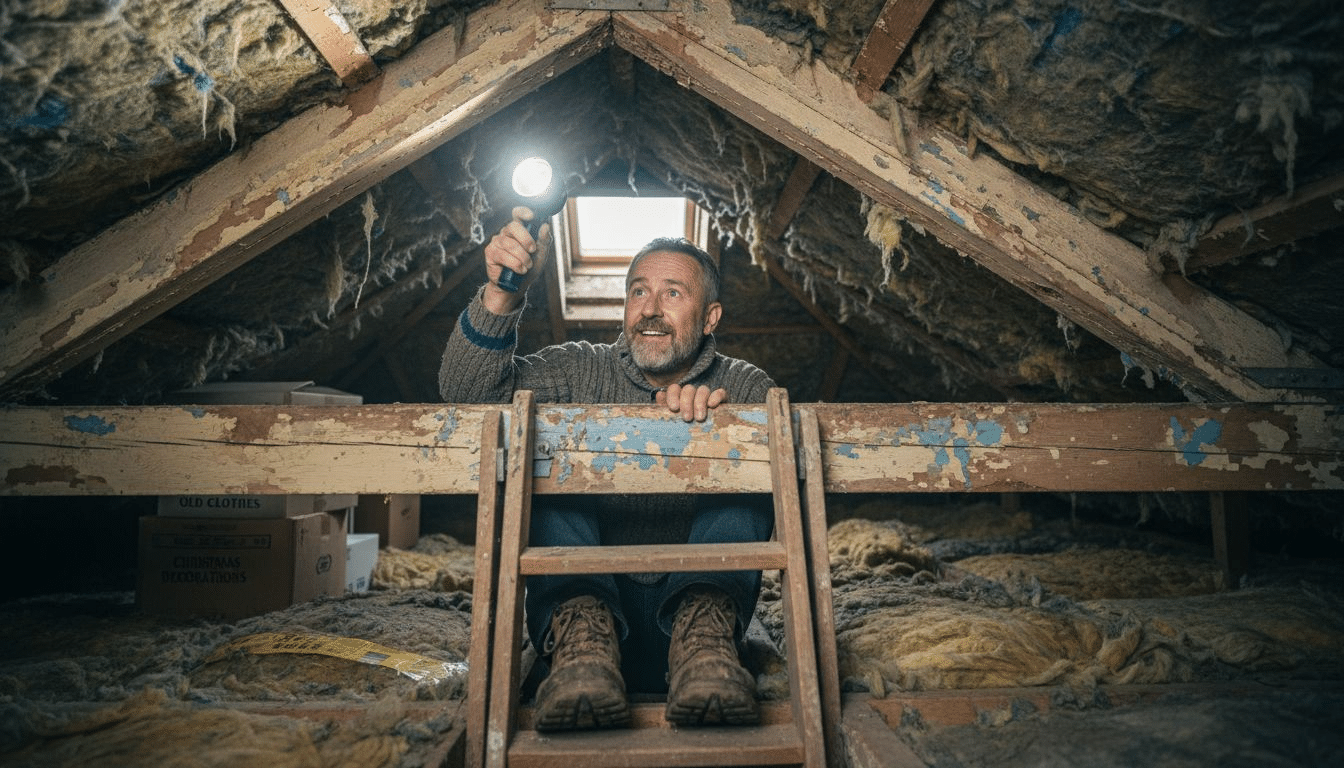
Over one third of household heat is lost through poorly insulated British homes, turning comfort and energy efficiency into real concerns for families. Rising heating costs make it crucial to pinpoint weak spots and invest in effective insulation strategies. This guide helps you discover the smartest ways to protect every corner of your home, from roof to floor, with facts and practical tips that can make a noticeable difference.
Table of Contents
- Identify Key Areas for Home Insulation
- Choose the Right Insulation Materials
- Seal Draughts Around Windows and Doors
- Improve Loft and Roof Insulation Effectiveness
- Upgrade Wall Insulation for Maximum Efficiency
- Insulate Floors to Prevent Heat Loss
- Monitor and Maintain Insulation for Lasting Results
Quick Summary
| Takeaway | Explanation |
|---|---|
| 1. Insulate Roof, Walls, and Floors | Focus on these critical areas to minimise heat loss and improve thermal efficiency. Roofs can lose up to 25% of heat. |
| 2. Select Suitable Insulation Materials | Choose materials like Mineral Wool or Polystyrene based on thermal performance, cost, and environmental impact for effective insulation. |
| 3. Seal Draughts Around Openings | Address draughts in windows and doors using techniques like weatherstripping to improve energy efficiency and reduce heating costs. |
| 4. Monitor Insulation Regularly | Conduct periodic inspections every few years and replace any damaged insulation to maintain effectiveness and avoid structural issues. |
| 5. Consider Professional Energy Assessment | Arrange a professional evaluation to identify specific insulation needs and improve your home’s performance effectively. |
1. Identify Key Areas for Home Insulation
Effective home insulation is more than just a comfort upgrade it is a strategic approach to reducing energy consumption and lowering utility bills. Understanding the primary areas for insulation can help homeowners significantly improve their property’s thermal efficiency.
According to the Federation of Master Builders, the three critical areas for home insulation are the roof, walls, and floors. Each of these zones plays a crucial role in preventing heat loss and maintaining a consistent indoor temperature.
Roof Insulation
The roof represents one of the most significant heat escape routes in any property. Approximately 25% of home heat loss occurs through an uninsulated roof, making this area a prime target for energy efficiency improvements. Loft insulation or roof space treatments can dramatically reduce this heat transfer, creating a thermal barrier that keeps warmth inside during winter and prevents excessive heat penetration during summer.
Wall Insulation
Walls account for another substantial portion of potential heat loss. Depending on the construction type solid walls or cavity walls different insulation techniques are required. Cavity wall insulation involves filling the gap between external wall layers with thermal materials, while solid wall insulation might necessitate internal or external board installation. Homebuilding.co.uk emphasises that proper wall insulation can reduce heat loss by up to 35%.
Floor Insulation
Often overlooked, floor insulation can prevent significant heat loss, particularly in properties with suspended wooden floors or those built on concrete slabs. Techniques such as installing insulation boards, using draft excluders, or applying specialised sealants can minimise heat escape through floor surfaces.
Recommended Approach
To effectively identify insulation requirements, consider:
- Conducting a professional energy assessment
- Checking current insulation levels in roof, walls, and floors
- Identifying specific areas of heat loss using thermal imaging
- Comparing your home’s current performance with recommended standards
Practical Tip: Before investing in comprehensive insulation, arrange a professional energy assessment to pinpoint exact areas requiring improvement and potentially qualify for government energy efficiency grants.
2. Choose the Right Insulation Materials
Selecting the appropriate insulation materials is a critical decision that can significantly impact your home’s energy efficiency, comfort, and long term sustainability. The right choice depends on multiple factors including thermal performance, cost, environmental impact, and specific property characteristics.
GreenMatch.co.uk highlights several prominent insulation materials that UK homeowners can consider for their properties. Understanding the unique properties of each material helps make an informed selection.
Mineral Wool Insulation
Mineral wool stands out as a popular choice for many British homes. Manufactured from recycled materials, it offers excellent thermal performance and fire resistance. Its ability to absorb sound makes it particularly effective for properties requiring both thermal and acoustic improvements. The material is relatively affordable and can be easily installed in walls, roofs, and floors.
Polystyrene Insulation
Polystyrene boards provide high thermal efficiency in a compact form. Available in expanded (EPS) and extruded (XPS) varieties, these materials are lightweight, moisture resistant, and suitable for areas with limited space. They work particularly well for cavity wall insulation and external wall treatments.
Cellulose Insulation
For environmentally conscious homeowners, cellulose insulation presents an attractive option. According to I Warm My Home, this material is typically made from recycled paper products and treated with fire retardant chemicals. It offers good thermal performance and can be blown into wall cavities or attic spaces.
Alternative Eco Friendly Options
Emerging materials like hemp wool and sheep’s wool provide sustainable alternatives with impressive insulation properties. These natural materials offer good thermal regulation, moisture management, and minimal environmental impact.
Selection Criteria
When choosing insulation materials, consider:
- Thermal conductivity and R value
- Cost and installation complexity
- Environmental sustainability
- Moisture resistance
- Compatibility with your property’s construction
Essential Advice: Consult a professional energy assessor who can provide tailored recommendations based on your specific property’s characteristics and insulation requirements.
3. Seal Draughts Around Windows and Doors
Draughts represent a silent yet significant source of heat loss in UK homes, quietly undermining your property’s energy efficiency. Addressing these air leaks can dramatically improve thermal performance and reduce heating costs.
The Federation of Master Builders emphasises that sealing draughts around windows and doors is a crucial step in preventing unnecessary heat escape and maintaining indoor comfort.
Understanding Draughts
Draughts occur through small gaps and cracks around window frames, door edges, and other structural openings. These seemingly insignificant spaces can collectively allow substantial amounts of cold air to enter and warm air to exit, forcing your heating system to work harder and consume more energy.
Common Draught Entry Points
Key areas requiring attention include:
- Window frames and sashes
- Door thresholds and edges
- Letterbox openings
- Keyhole spaces
- Electrical socket outlets on external walls
- Loft hatches
Draught Sealing Techniques
Homebuilding.co.uk recommends several effective draught proofing methods:
- Weatherstripping around window and door frames
- Silicone sealants for permanent gaps
- Draught excluder strips for movable elements
- Brush strips for door bottoms
- Thermal curtains for additional insulation
Potential Energy Savings
Professional draught sealing can reduce heating costs by up to 10% annually. Simple DIY interventions can be completed with minimal investment, offering quick returns through reduced energy consumption.
Intelligent Advice: Before comprehensive draught sealing, conduct a careful inspection using a candle or smoke pen to identify precise air leakage points, ensuring a targeted and effective approach.
4. Improve Loft and Roof Insulation Effectiveness
Loft and roof insulation represent a critical defence against heat loss, transforming your home’s thermal performance and energy efficiency. Understanding how to optimise this essential area can lead to significant reductions in heating costs and improved indoor comfort.
The Federation of Master Builders highlights that up to a quarter of a home’s heat can escape through an inadequately insulated roof, making this area a prime target for energy conservation strategies.
Insulation Thickness Requirements
Current UK building standards recommend a minimum insulation thickness of 270 mm for loft spaces. This depth provides optimal thermal resistance, preventing heat from dissipating rapidly through the roof structure. Older properties with thinner insulation layers can significantly benefit from upgrading to this recommended standard.
Types of Loft Insulation
Homeowners have several insulation options:
- Blanket or roll insulation
- Loose fill insulation
- Blown fibre insulation
- Rigid board insulation
Practical Considerations
Ideal Home notes that insulation costs vary depending on property size and chosen material. Professional installation can range from £300 to £1000, but potential energy savings can offset this investment within a few years.
Additional Insulation Strategies
- Ensure proper ventilation to prevent moisture buildup
- Consider reflective foil barriers for enhanced thermal performance
- Seal any gaps or penetrations in the roof space
- Protect water tanks and pipes from freezing
Clever Guidance: Before installing loft insulation, conduct a thorough assessment of your roof space, checking for potential dampness, structural issues, or required repairs to ensure optimal insulation performance.
5. Upgrade Wall Insulation for Maximum Efficiency
Wall insulation represents one of the most significant strategies for improving home energy performance and reducing heating costs. Understanding the nuanced approaches to wall insulation can unlock substantial thermal efficiency gains for UK property owners.
The Federation of Master Builders explains that walls are a major source of heat loss, making targeted insulation interventions critical for energy conservation.
Wall Insulation Types
Two primary wall construction types require different insulation approaches:
- Cavity Wall Insulation: Suitable for properties with a gap between external and internal wall layers
- Solid Wall Insulation: Required for older properties with single skin wall construction
Cavity Wall Insulation Benefits
For homes with suitable wall structures, cavity wall insulation offers remarkable advantages:
- Reduces heat loss by up to 35%
- Improves overall property thermal efficiency
- Typically provides returns within 3 to 5 years
- Relatively quick and non disruptive installation process
Solid Wall Insulation Options
GreenMatch.co.uk highlights two primary methods for solid wall treatment:
- Internal wall insulation using rigid boards or stud wall systems
- External wall insulation with specialised rendering and cladding techniques
Installation Considerations
Key factors to evaluate before wall insulation:
- Property age and construction type
- Current wall condition
- Potential moisture penetration risks
- Budget and expected energy savings
- Professional assessment recommendations
Smart Strategy: Arrange a professional energy assessment to determine the most appropriate wall insulation approach for your specific property characteristics and thermal performance requirements.
6. Insulate Floors to Prevent Heat Loss
Floor insulation represents a frequently overlooked yet powerful strategy for enhancing home thermal performance and reducing energy consumption. Understanding how to effectively insulate different floor types can lead to significant improvements in overall property energy efficiency.
The Federation of Master Builders highlights the critical importance of floor insulation, particularly for older homes with suspended timber floors that are prone to substantial heat loss.
Floor Construction Types
Different floor structures require tailored insulation approaches:
- Suspended Timber Floors: Common in older properties
- Concrete Slab Floors: Typical in modern construction
- Solid Ground Floors: Found in various residential buildings
Suspended Timber Floor Insulation
Homebuilding.co.uk recommends several effective strategies for timber floor insulation:
- Installing rigid insulation boards between floor joists
- Using mineral wool insulation batts
- Applying draught proofing materials around floor edges
- Sealing gaps and potential air entry points
Potential Energy Savings
Effective floor insulation can deliver remarkable benefits:
- Reduces heat loss by up to 15%
- Improves overall home thermal comfort
- Potentially lowers heating costs
- Enhances property energy performance rating
Installation Considerations
Key factors to evaluate before floor insulation:
- Existing floor construction type
- Access to underfloor spaces
- Potential moisture or ventilation challenges
- Budget and expected energy savings
Clever Strategy: Consult a professional energy assessor to determine the most appropriate floor insulation method for your specific property characteristics and thermal performance requirements.
7. Monitor and Maintain Insulation for Lasting Results
Insulation is not a one time installation task but an ongoing process that requires regular monitoring and maintenance to ensure optimal performance. Understanding how to preserve and assess your home’s insulation can prevent energy inefficiency and potential structural issues.
Ideal Home highlights the critical importance of understanding the lifespan of various insulation materials and conducting periodic evaluations to maintain their effectiveness.
Signs of Insulation Degradation
Key indicators that your insulation requires attention include:
- Unexplained increases in energy bills
- Uneven room temperatures
- Visible moisture or condensation
- Drafts around windows and doors
- Presence of mould or mildew
Insulation Maintenance Strategies
Effective monitoring involves:
- Annual visual inspections of exposed insulation
- Checking for signs of moisture or compression
- Verifying vapour barrier integrity
- Assessing overall thermal performance
- Replacing damaged or compressed insulation sections
Potential Risks of Neglected Insulation
Ideal Home warns about critical areas where improper insulation can lead to significant problems:
- Increased risk of dampness
- Potential mould growth
- Reduced thermal efficiency
- Structural integrity challenges
- Higher long term repair costs
Recommended Inspection Frequency
- Loft insulation: Every 5 years
- Cavity wall insulation: Every 10 years
- Suspended floor insulation: Every 7 years
Smart Strategy: Arrange a professional energy assessment every 5 to 7 years to comprehensively evaluate your home’s insulation performance and identify any potential maintenance requirements.
This table summarises key strategies for improving home insulation, highlighting critical areas, recommended materials, and maintenance practices.
| Topic | Description | Key Considerations |
|---|---|---|
| Roof Insulation | Major source of heat loss; use loft insulation or treatments. | Protects up to 25% of heat; ensures warmth in winter. |
| Wall Insulation | Requires different techniques for cavity or solid walls. | Reduces heat loss by up to 35%. |
| Floor Insulation | Important for properties with suspended floors or concrete slabs. | Can prevent up to 15% of heat loss. |
| Draught Sealing | Focus on sealing gaps around windows and doors. | Can reduce heating costs by up to 10%. |
| Insulation Materials | Mineral wool, polystyrene, cellulose, eco-friendly options. | Consider thermal conductivity, cost, environmental impact. |
| Maintenance | Regular inspections and maintenance are crucial. | Ensures lasting efficiency and prevents structural issues. |
Take Control of Your Home’s Energy Efficiency Today
Struggling with heat loss through your roof, walls, or floors can feel overwhelming but you are not alone in this challenge. The article highlights crucial points like roof insulation thickness, cavity and solid wall insulation, and sealing draughts around windows and doors — all essential for keeping your home warm and energy bills low. These measures align closely with the new government requirements set to be tracked by the upcoming Home Energy Model.

Discover how to stay ahead of changing energy standards with expert guidance on the Home Energy Model at homeenergymodel.co.uk. Act now to improve your property’s thermal performance, reduce heating costs, and ensure compliance with new regulations. Gain insights into energy performance assessments, EPC importance, and practical steps for sustainable property upgrades. Start your journey to a more comfortable and efficient home by visiting homeenergymodel.co.uk and explore detailed advice on energy efficiency calculations and what the new methodology means for you.
Frequently Asked Questions
How can I identify key areas for insulation in my home?
To identify key areas for insulation, start by checking your roof, walls, and floors, as these are the primary zones for heat loss. Conduct a professional energy assessment to evaluate current insulation levels and locate specific heat loss areas.
What insulation materials are recommended for UK homes?
Recommended insulation materials for UK homes include Mineral Wool, Polystyrene, and Cellulose. Choose materials based on their thermal performance, cost, and environmental impact to optimise your home’s energy efficiency.
How can I seal draughts around windows and doors effectively?
Effective draught sealing involves applying weatherstripping around window and door frames and using silicone sealants for permanent gaps. Inspect all entry points like letterboxes and electrical sockets to ensure comprehensive coverage, potentially reducing heating costs by up to 10%.
What thickness is required for loft insulation?
The recommended thickness for loft insulation is a minimum of 270 mm to ensure optimal thermal resistance. Upgrade your insulation to this recommended standard to significantly reduce heat loss and improve energy efficiency.
How can I maintain my insulation for lasting effectiveness?
Regularly inspect your insulation every few years to check for signs of degradation, such as moisture, uneven temperatures, or increased energy bills. Arrange for periodic professional evaluations to address any issues and maintain optimal performance.