
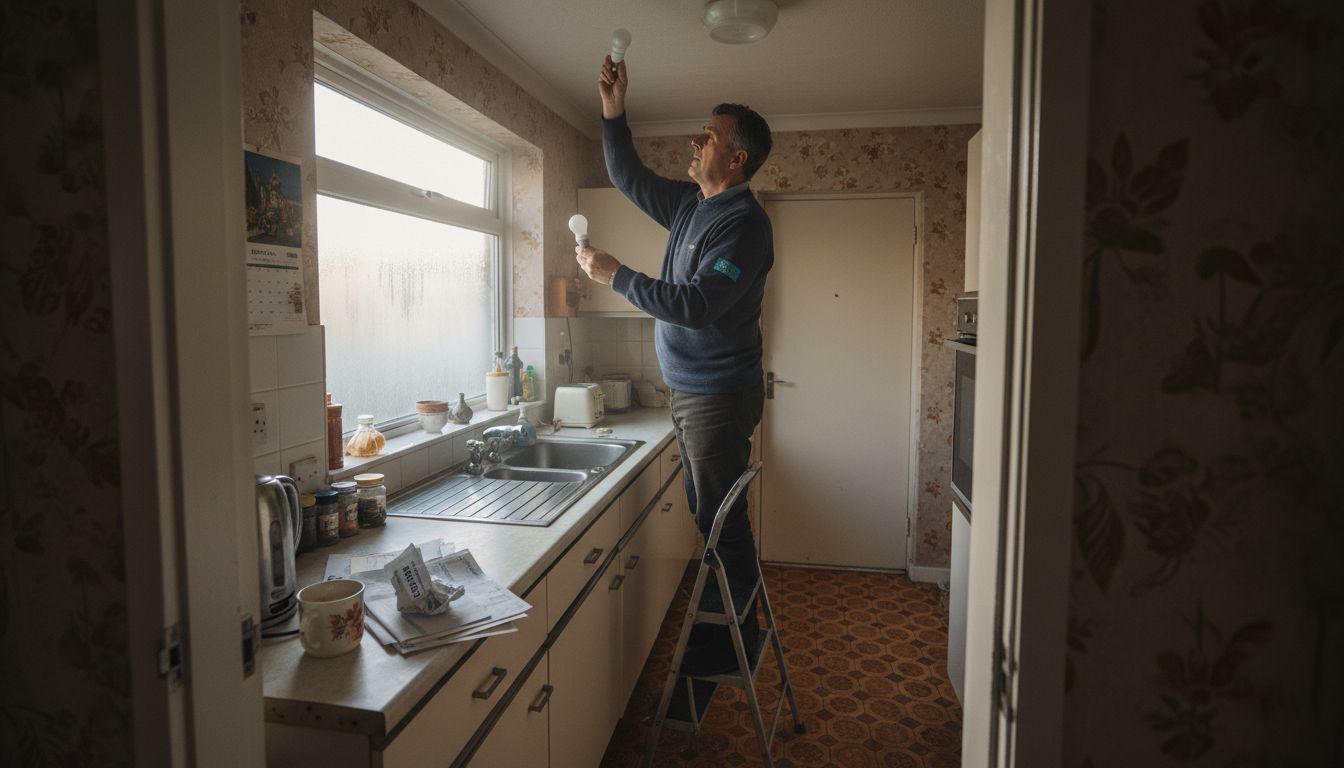
Nearly one third of british homeowners are missing out on easy ways to cut energy bills and reduce their carbon footprint. As energy prices climb, the pressure to make homes more efficient grows for every family across the United Kingdom. This guide highlights simple yet powerful improvements that can help any british household lower costs, increase comfort, and support a greener future starting right at home.
Table of Contents
- Replace Inefficient Light Bulbs With LEDs
- Stop Draughts With Simple Sealing Solutions
- Use Smart Thermostats For Better Heating Control
- Insulate Your Loft And Walls For Lasting Savings
- Upgrade To Modern, Water-Efficient Fixtures
- Optimise Appliance Usage And Settings
- Review Your EPC And Prepare For Future Standards
Quick Summary
| Takeaway | Explanation |
|---|---|
| 1. Replace with LED Bulbs | Switch to LED bulbs to save £35 to £60 per year on electricity and reduce carbon emissions markedly. |
| 2. Seal Draughts Effectively | Focus on sealing draughts to save £25 to £50 annually on heating by improving thermal efficiency in your home. |
| 3. Use Smart Thermostats | Implement smart thermostats for up to 20% savings on heating bills and improved temperature control. |
| 4. Insulate Loft and Walls | Proper insulation can save £120 to £290 yearly on heating, significantly increasing home energy efficiency. |
| 5. Upgrade to Water-Efficient Fixtures | Install water-efficient fixtures to reduce water bills by up to £200 per year while conserving water resources. |
1. Replace Inefficient Light Bulbs with LEDs
LED light bulbs represent one of the simplest and most impactful home energy improvements property owners can make. These modern lighting solutions dramatically reduce electricity consumption while delivering superior performance compared to traditional incandescent bulbs.
Why LEDs Matter: Traditional incandescent bulbs convert approximately 90% of their energy into heat rather than light, making them extraordinarily inefficient. LED technology flips this equation completely. By consuming up to 75% less electricity and lasting 25 times longer than conventional bulbs, LEDs offer an immediate and tangible way to reduce household energy expenditure.
Implementing this energy upgrade is remarkably straightforward. Start by identifying the most frequently used light fixtures in your home such as kitchen, living room, and hallway lights. Gradually replace these bulbs with high quality LED alternatives, focusing first on areas with the longest daily usage.
Practical Implementation Steps:
- Check existing bulb wattage and match with equivalent LED lumens
- Purchase bulbs with warm white (2700 3000K) colour temperature for living spaces
- Select reputable brands with good energy efficiency ratings
- Consider smart LED options that allow remote dimming and scheduling
By making this simple switch, UK homeowners can expect to save approximately £35 to £60 annually on electricity bills. The initial investment in LED bulbs typically pays for itself within 12 to 18 months through reduced energy consumption.
Pro Tip: Look for LED bulbs with the Energy Saving Trust certification to ensure maximum efficiency and reliability.
Beyond cost savings, LED technology contributes significantly to reducing carbon emissions. Each LED bulb can prevent approximately 40kg of carbon dioxide from entering the atmosphere annually compared to traditional lighting solutions.
2. Stop Draughts with Simple Sealing Solutions
Draughts are silent energy thieves that can dramatically increase your heating bills and reduce home comfort. Understanding and addressing these sneaky sources of heat loss represents one of the most cost effective home energy improvements available to property owners.
Understanding Draught Impact: Heat escapes through tiny gaps around windows, doors, floorboards, and other structural openings. These seemingly minor breaches can account for up to 15% of heat loss in an average UK home. By strategically sealing these areas, homeowners can significantly improve thermal efficiency.
Practical Draught Sealing Techniques:
- Apply self adhesive weatherstripping around window and door frames
- Use decorator’s caulk to seal gaps in skirting boards and floorboards
- Install brush strips on external doors to block air movement
- Consider secondary glazing for older sash windows to enhance insulation
Pro Implementation Tips:
- Check for draughts using a candle or incense stick near potential openings
- Focus first on areas with largest air movement
- Purchase draught excluders matching your interior colour scheme
- Consider professional thermal imaging for comprehensive assessment
Pro Tip: Temporary window sealing during winter months can provide additional energy savings without permanent modifications.
The financial benefits are substantial. Effective draught proofing can save an average household between £25 to £50 annually on heating costs. Moreover, these improvements contribute to reducing carbon emissions and creating a more comfortable living environment.
3. Use Smart Thermostats for Better Heating Control
Smart thermostats represent a revolutionary approach to home heating management, transforming how UK homeowners control temperature and energy consumption. These intelligent devices go far beyond traditional temperature settings, offering precision control and significant energy savings.
How Smart Thermostats Work: By learning your household patterns and preferences, smart thermostats automatically adjust heating based on occupancy, time of day, and external temperature. They create personalised heating schedules that maximise comfort while minimising unnecessary energy expenditure.
Key Benefits:
- Reduce heating costs by up to 20 per cent
- Enable remote temperature control via smartphone apps
- Provide detailed energy consumption insights
- Automatically adapt to changing household routines
- Integrate with other smart home systems
Practical Implementation Strategies:
- Select a smart thermostat compatible with your existing heating system
- Position the device centrally to capture accurate home temperature readings
- Invest time in initial setup to programme precise heating schedules
- Use geolocation features to automatically adjust temperatures when you are away
Pro Tip: Explore winter home energy tips to complement your smart thermostat strategy and maximise energy efficiency.
Modern smart thermostats can potentially save an average UK household between £70 to £150 annually on heating bills. By providing granular control and intelligent temperature management, these devices transform energy consumption from a passive to an actively managed process.
4. Insulate Your Loft and Walls for Lasting Savings
Loft and wall insulation represent one of the most powerful strategies for reducing home energy consumption and creating a more comfortable living environment. By creating a thermal barrier that prevents heat escape, property owners can dramatically improve their home’s energy efficiency.
Understanding Thermal Performance: Uninsulated homes lose approximately 25% of heat through the roof and another 35% through walls. This substantial heat loss translates directly into higher energy bills and unnecessary carbon emissions. Proper insulation acts as a protective blanket, trapping warmth inside and reducing the workload on your heating system.
Insulation Strategy Options:
- Loft insulation using mineral wool rolls
- Cavity wall insulation using polystyrene beads
- Solid wall insulation with external or internal boarding
- Breathable insulation materials for period properties
Implementation Considerations:
- Check existing insulation thickness and condition
- Measure current loft space and calculate required materials
- Consider professional installation for complex wall types
- Investigate potential government grants for energy efficiency upgrades
Pro Tip: Ensure adequate ventilation when installing insulation to prevent moisture buildup and potential structural damage.
The financial benefits are substantial. Homeowners can expect to save between £120 to £290 annually on heating costs, with initial installation expenses typically recovered within three to five years. Moreover, effective insulation contributes significantly to reducing household carbon footprint and improving overall property value.
5. Upgrade to Modern, Water-Efficient Fixtures
Water efficiency represents a critical pathway for reducing household utility costs and supporting environmental sustainability. Modern water-efficient fixtures offer property owners an intelligent strategy to minimise water consumption while maintaining optimal functionality.
Understanding Water Consumption: The average UK household uses approximately 140 litres of water per person daily. By upgrading to water-efficient fixtures, homeowners can dramatically reduce this consumption, leading to significant financial and environmental benefits.
Key Water Efficient Fixture Options:
- Low flow shower heads reducing water usage by up to 50%
- Dual flush toilets with reduced water consumption
- Sensor taps with automatic flow control
- Water efficient dishwashers and washing machines
- Aerator attachments for bathroom and kitchen taps
Implementation Strategies:
- Check existing fixture water ratings
- Select products with highest water efficiency credentials
- Replace fixtures systematically across different areas of the home
- Consider professional installation for complex upgrades
Pro Tip: Explore water efficiency strategies to maximise household performance and reduce utility expenses.
By investing in water-efficient fixtures, UK homeowners can potentially save up to £200 annually on water bills while contributing to broader environmental conservation efforts. These upgrades represent a practical and impactful approach to sustainable home management.
6. Optimise Appliance Usage and Settings
Home appliances consume substantial energy, often operating inefficiently without homeowners realising their true environmental and financial impact. Strategic management of appliance settings can unlock significant energy savings and reduce unnecessary electricity consumption.
Understanding Appliance Energy Consumption: Many household appliances continue drawing power even when seemingly switched off, creating what experts call “phantom energy drain”. This hidden consumption can account for up to 10% of annual household electricity bills.
Optimisation Strategies:
- Unplug electronic devices when not in use
- Use smart power strips to eliminate standby power consumption
- Select energy efficient settings on washing machines and dishwashers
- Run full loads to maximise efficiency
- Clean filters and maintain appliances regularly
Practical Implementation Techniques:
- Conduct an energy audit of existing appliances
- Replace older models with high energy rating alternatives
- Programme devices to operate during off peak electricity hours
- Use timers and smart plugs to control energy usage
Pro Tip: Explore comprehensive appliance efficiency strategies to maximise household energy performance.
Careful appliance management can potentially reduce household electricity consumption by 15 to 25 percent, translating to meaningful financial savings and reduced carbon footprint. Small behavioural changes can generate substantial long term energy efficiency benefits.
7. Review Your EPC and Prepare for Future Standards
The Energy Performance Certificate represents a critical document providing insights into your property’s energy efficiency and potential improvements. Understanding and proactively managing your EPC can unlock significant financial and environmental benefits for UK property owners.
Understanding EPC Significance: An Energy Performance Certificate provides a comprehensive rating from A (most efficient) to G (least efficient), offering detailed recommendations for enhancing your property’s energy performance. Upcoming regulatory changes are set to increase minimum energy efficiency standards across residential and commercial properties.
Key Review and Preparation Steps:
- Obtain a current EPC assessment
- Analyse existing energy efficiency rating
- Identify recommended improvement areas
- Prioritise cost effective upgrades
- Budget for potential future modifications
Strategic Compliance Considerations:
- Track proposed changes to energy efficiency regulations
- Plan incremental property improvements
- Consider long term investment potential
- Understand potential financial implications of non compliance
Pro Tip: Properties with lower EPC ratings may experience reduced market value and potential rental restrictions.
By proactively reviewing and improving your property’s energy performance, you can potentially increase property value, reduce utility costs, and ensure compliance with evolving UK energy efficiency standards. Anticipating future regulatory requirements positions property owners to make strategic, informed investment decisions.
Below is a comprehensive table summarising the key energy efficiency improvements discussed throughout the article.
| Improvement | Key Actions | Benefits |
|---|---|---|
| LED Bulbs | Replace inefficient bulbs; focus on high-use areas; choose reputable brands | Saves £35-£60 annually; reduces carbon emissions |
| Draught Proofing | Seal gaps using weatherstripping and caulk; add brush strips; use secondary glazing | Saves £25-£50 annually; improves home comfort |
| Smart Thermostats | Install centrally; use smartphone apps; programme heating schedules | Saves £70-£150 annually; enhances temperature control |
| Insulation | Use loft and wall insulation; check thickness; consider grants | Saves £120-£290 annually; reduces carbon footprint |
| Water-Efficient Fixtures | Install low flow shower heads, dual flush toilets, aerator taps | Saves up to £200 annually; supports conservation |
| Appliance Optimisation | Unplug devices, use smart strips, run full loads | Reduces electricity by 15-25%; cuts phantom energy usage |
| EPC Review | Obtain assessment; prioritise improvements; track regulation changes | Increases property value; ensures regulatory compliance |
Take Control of Your Home Energy Efficiency Today
Understanding the challenges of rising energy costs and evolving regulations can feel overwhelming. Whether you want to stop draughts, upgrade your heating control with smart thermostats, or improve your property’s Energy Performance Certificate (EPC) rating, taking action now is vital. Every small step towards energy efficiency not only saves money but also prepares your home for the Future Homes Standard that the UK government is mandating.
Discover how the upcoming Home Energy Model (HEM) will change the way energy performance is assessed and learn practical ways to boost your property’s efficiency at homeenergymodel.co.uk. Get expert guidance on EPC improvements, compliance strategies, and energy saving tips by exploring our comprehensive resources such as Energy Performance Certificate FAQs and Ratings Guide and Essential Winter Home Energy Tips. Take the first step towards a more sustainable, cost-effective home today.
Frequently Asked Questions
How can I quickly reduce my home energy bills?
To quickly reduce your home energy bills, start by replacing inefficient light bulbs with LED bulbs. This simple change can save between £35 to £60 annually on your electricity bills.
What are effective ways to seal draughts in my home?
You can seal draughts by applying self-adhesive weatherstripping around window and door frames or using decorator’s caulk to fill gaps. This can help save an average of £25 to £50 annually on your heating costs.
How can a smart thermostat save me money?
A smart thermostat learns your household routines and adjusts your heating accordingly, potentially reducing heating costs by up to 20%. Install one, programme it properly, and enjoy savings of £70 to £150 each year.
What insulation options should I consider for my loft and walls?
Consider loft insulation with mineral wool rolls and cavity wall insulation with polystyrene beads. Proper insulation can save you between £120 to £290 annually on heating costs.
What types of water-efficient fixtures should I upgrade in my home?
Upgrade to low flow shower heads, dual flush toilets, and sensor taps. These changes can significantly reduce your water consumption, leading to annual savings of up to £200 on your water bills.
How do I optimise my appliance usage for energy efficiency?
To optimise appliance usage, unplug devices when not in use and run full loads in your dishwasher and washing machine. By making these adjustments, you could reduce your electricity consumption by 15 to 25 percent.
Recommended
- 7 Key Energy Efficiency Benefits for UK Property Owners – Home Energy Model
- 7 Smart Home Energy Saving Habits Every Property Owner Needs – Home Energy Model
- 8 Essential Winter Home Energy Tips for UK Property Owners – Home Energy Model
- Role of Energy Upgrades: Complete UK Property Guide – Home Energy Model
- The Essential Guide to Saving Energy at Home – Projector Display