

British homeowners are navigating a landscape where energy efficiency matters more than ever. With the UK’s housing stock among the least efficient in Europe, many property owners are surprised to learn that energy-saving upgrades alone do not always guarantee lower consumption. Misunderstandings about energy performance can lead to costly mistakes. Through clear guidance and smart strategies, you can avoid common pitfalls, cut running costs, and take meaningful steps toward a more sustainable future.
Table of Contents
- Defining Energy Performance and Misconceptions
- Types of Energy Performance Assessments UK
- How Home Energy Model Differs From SAP
- Energy Performance Certificates and Their Role
- Landlord and Investor Responsibilities 2025
- Compliance, Costs, and Improving Ratings
Key Takeaways
| Point | Details |
|---|---|
| Energy performance is crucial for sustainability | Understanding energy performance goes beyond utility cost reduction; it is key to conceptualising building sustainability. |
| Misconceptions about efficiency exist | Homeowners may mistakenly believe that improving energy efficiency directly reduces energy consumption, overlooking the rebound effect. |
| Types of assessments inform improvements | Energy Performance Certificates (EPCs) and other assessments provide standardised ratings and practical recommendations for enhancing energy efficiency. |
| Landlords must comply with regulations | By 2025, landlords will face strict energy efficiency standards, requiring proactive investments in energy improvements to remain compliant. |
Defining Energy Performance and Misconceptions
Energy performance represents a critical measure of how efficiently a building consumes and utilises energy resources. According to research from arxiv.org, UK housing currently relies heavily on fossil fuels and possesses some of the lowest energy efficiency ratings in Europe. This means understanding energy performance isn’t just about reducing utility bills – it’s about transforming how we conceptualise building sustainability.
Many homeowners harbour misconceptions about energy efficiency that can significantly impact their property’s performance. A fascinating insight comes from the Khazzoom–Brookes postulate, which suggests that improvements in energy efficiency can paradoxically lead to increased energy consumption. This rebound effect challenges the straightforward assumption that enhanced efficiency automatically reduces overall energy use. In practical terms, this means simply installing energy-efficient appliances doesn’t guarantee reduced energy consumption.
To truly comprehend energy performance, one must look beyond surface-level metrics. The Energy Performance Guide: Improve Building Efficiency Today highlights that factors like property type, building age, and structural characteristics play pivotal roles in determining a building’s energy efficiency. Key considerations include:
- Insulation quality
- Heating system effectiveness
- Window and door thermal performance
- Overall building envelope integrity
By understanding these nuanced elements, property owners can make informed decisions about improving their energy performance, moving beyond simplistic interpretations and towards genuine, measurable sustainability.
Types of Energy Performance Assessments UK
Energy performance assessments in the United Kingdom are comprehensive evaluations designed to measure and rate the energy efficiency of buildings. According to gov.uk, several key assessment types exist, each serving a specific purpose in understanding and improving building energy consumption.
The primary types of energy performance assessments include Energy Performance Certificates (EPCs), Display Energy Certificates (DECs), and TM44 air conditioning inspections. EPCs are particularly crucial for residential properties, providing a standardised rating of a building’s energy efficiency. The assessment methodologies vary depending on the property type, with the Standard Assessment Procedure (SAP) used for new dwellings and the Reduced Data SAP (RdSAP) applied to existing properties.
The Role of Energy Upgrades: Complete UK Property Guide highlights the importance of understanding these assessment types. Key assessment characteristics include:
- Comprehensive evaluation of energy consumption
- Standardised rating systems
- Professional assessment by accredited energy experts
- Detailed recommendations for energy improvements
Interestingly, the National Home Energy Rating (NHER) scheme provides an additional layer of assessment, using a scale from 0 to 20 that considers broader factors beyond simple energy consumption. This holistic approach examines local environmental conditions, heating systems, lighting, and appliance efficiency, offering property owners a more nuanced understanding of their building’s energy performance.
How Home Energy Model Differs From SAP
The Home Energy Model (HEM) represents a significant evolution in energy assessment methodologies, moving beyond traditional Standard Assessment Procedure (SAP) approaches. According to isover.co.uk, energy assessments are not simply about calculating target U-values, but involve a comprehensive understanding of how different construction elements interact to determine overall building performance.
While SAP has been the standard methodology for years, the Home Energy Model introduces more nuanced and dynamic assessment techniques. Key differences include a more holistic approach to whole-building energy performance that goes beyond static calculations. The HEM considers intricate interactions between building services, insulation, glazing, and mechanical systems, providing a more comprehensive view of energy efficiency.
The SAP Calculations in London: Optimising Your Home’s Energy Performance guide highlights the evolving nature of energy assessment. Critical distinctions between HEM and SAP include:
- More granular analysis of thermal performance
- Advanced modelling of real-world energy consumption patterns
- Enhanced consideration of occupant behaviour
- Dynamic assessment of building envelope interactions
Ultimately, the Home Energy Model represents a sophisticated approach to understanding energy performance. By integrating more complex computational models and recognising the multifaceted nature of building energy systems, HEM provides property owners and developers with a more accurate, responsive method of assessing and improving energy efficiency.

Energy Performance Certificates and Their Role
Energy Performance Certificates (EPCs) are critical documents that provide a comprehensive assessment of a property’s energy efficiency and environmental impact. According to gov.uk, these certificates are mandatory for all buildings when constructed, sold, or rented in the United Kingdom, offering a standardised evaluation of energy performance using an A to G rating scale.
The environmental impact rating is a crucial component of EPCs, measuring a property’s carbon dioxide emissions and overall ecological footprint. ONS highlights that these ratings play a pivotal role in informing homeowners and policymakers about potential energy efficiency improvements. Each certificate provides not just a rating, but also practical recommendations for enhancing a building’s energy performance.
The Decoding Energy Performance Certificates in London: A Complete Guide offers insights into the broader implications of these certificates. Key aspects of EPCs include:
- Valid for 10 years from the date of issue
- Assessed by accredited energy assessors
- Uses standardised methodologies like SAP and RdSAP
- Provides actionable energy improvement recommendations
- Mandatory for property transactions and rentals
Beyond their regulatory function, EPCs serve as a critical tool for property owners, potential buyers, and tenants. They offer transparent insights into a building’s energy efficiency, potential running costs, and environmental impact, empowering stakeholders to make informed decisions about property investments and energy improvements.
Landlord and Investor Responsibilities 2025
As the United Kingdom advances towards its Net Zero ambitions, landlords and property investors face increasingly stringent energy efficiency requirements. According to Wikipedia, the Great British Insulation Scheme (GBIS), running until October 2025, sets clear expectations for property owners to improve energy performance and reduce household energy consumption.
The legal obligations for landlords are becoming more comprehensive. gov.uk emphasises the mandatory requirement for Energy Performance Certificates (EPCs) when properties are constructed, sold, or rented. Minimum energy efficiency standards are no longer optional but a critical compliance requirement for property investments.
The Everything London Landlords Need to Know About Commercial EPC Certificates guide offers insights into navigating these changes. Key responsibilities for landlords and investors in 2025 include:
- Ensuring properties meet minimum EPC rating standards
- Implementing energy efficiency improvements
- Obtaining and maintaining valid Energy Performance Certificates
- Providing EPCs to prospective tenants and buyers
- Preparing for potential future energy performance regulations
Preparing for these changes requires proactive planning.
 Landlords who invest in energy efficiency now will not only comply with regulations but also enhance property value, reduce running costs, and contribute to the broader national goal of reducing carbon emissions.
Compliance, Costs, and Improving Ratings
Understanding the nuances of energy performance compliance requires a comprehensive approach to building assessments. According to isover.co.uk, whole-building energy evaluations are critical for identifying cost-effective measures that enhance energy efficiency and ensure compliance with national building regulations.
Energy performance ratings are not merely bureaucratic requirements but strategic investments in property value and sustainability. Vorgroup highlights that methodologies like the Standard Assessment Procedure (SAP) and Reduced Data SAP (RdSAP) provide detailed insights into potential improvements. These assessments examine multiple factors beyond simple energy consumption, including:
- Insulation quality and specifications
- Glazing performance
- Mechanical and electrical service efficiency
- Overall building envelope characteristics
- Potential operational cost reductions
Improving energy performance ratings requires a strategic, multi-faceted approach. Property owners can achieve significant gains by investing in targeted upgrades, understanding that each incremental improvement not only reduces energy costs but also increases property marketability and contributes to broader environmental sustainability goals. The most successful strategies involve comprehensive assessments followed by methodical, prioritised energy efficiency interventions.
Take Control of Your Property’s Energy Future Today
Understanding energy performance in UK properties can feel overwhelming, especially with evolving standards like the shift from SAP to the Home Energy Model. The article highlights key challenges such as overcoming misconceptions about energy efficiency and navigating complex assessments like EPC ratings and building regulations. If you are a homeowner, landlord, or property investor aiming to meet the 2025 requirements and enhance your building’s sustainability, this is the moment to act.
Do not let confusion or outdated methods hold you back. Explore how the Home Energy Model provides a clear path to improved energy performance with advanced, comprehensive assessments that reflect real-world conditions.
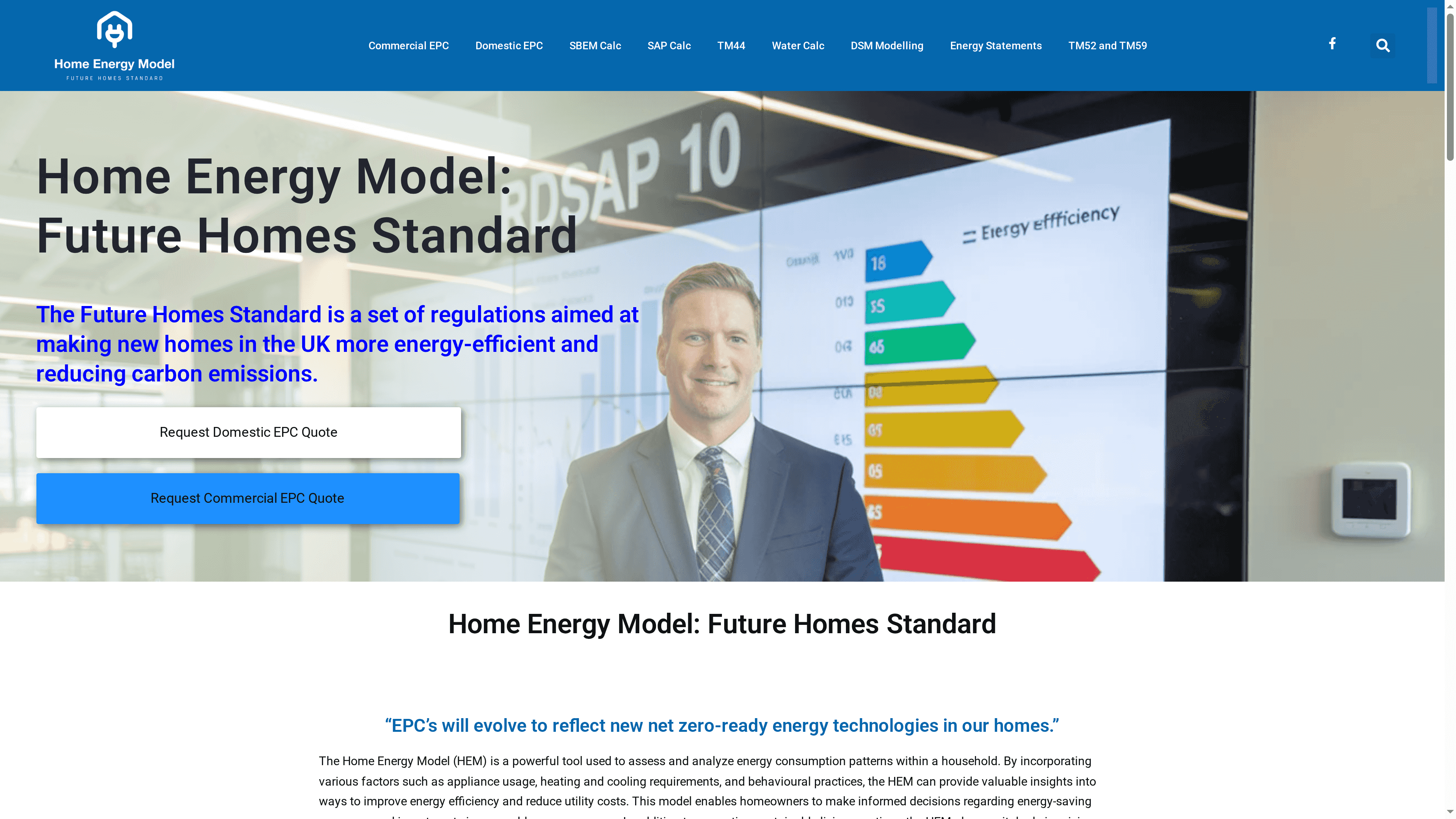
Start your journey towards compliance and cost savings now with expert guidance tailored to UK properties. Visit Home Energy Model to access practical advice on EPCs, understand your landlord responsibilities, and discover how to boost your energy ratings effectively. Your property’s future efficiency begins with informed decisions today.
Frequently Asked Questions
What is energy performance in buildings?
Energy performance refers to the efficiency with which a building consumes and utilises energy resources. It encompasses various factors such as insulation quality, heating system effectiveness, and overall building envelope integrity.
What types of energy performance assessments are available in the UK?
The primary types of energy performance assessments in the UK include Energy Performance Certificates (EPCs), Display Energy Certificates (DECs), and TM44 air conditioning inspections, each serving specific purposes in evaluating a building’s energy efficiency.
How do Energy Performance Certificates (EPCs) work?
EPCs provide a standardised rating of a property’s energy efficiency on a scale from A to G. They are mandatory for all buildings when constructed, sold, or rented and include recommendations for enhancing energy performance.
What responsibilities do landlords have regarding energy performance by 2025?
Landlords are required to ensure their properties meet minimum energy efficiency standards, obtain valid Energy Performance Certificates, and implement necessary energy efficiency improvements to comply with upcoming regulations.