
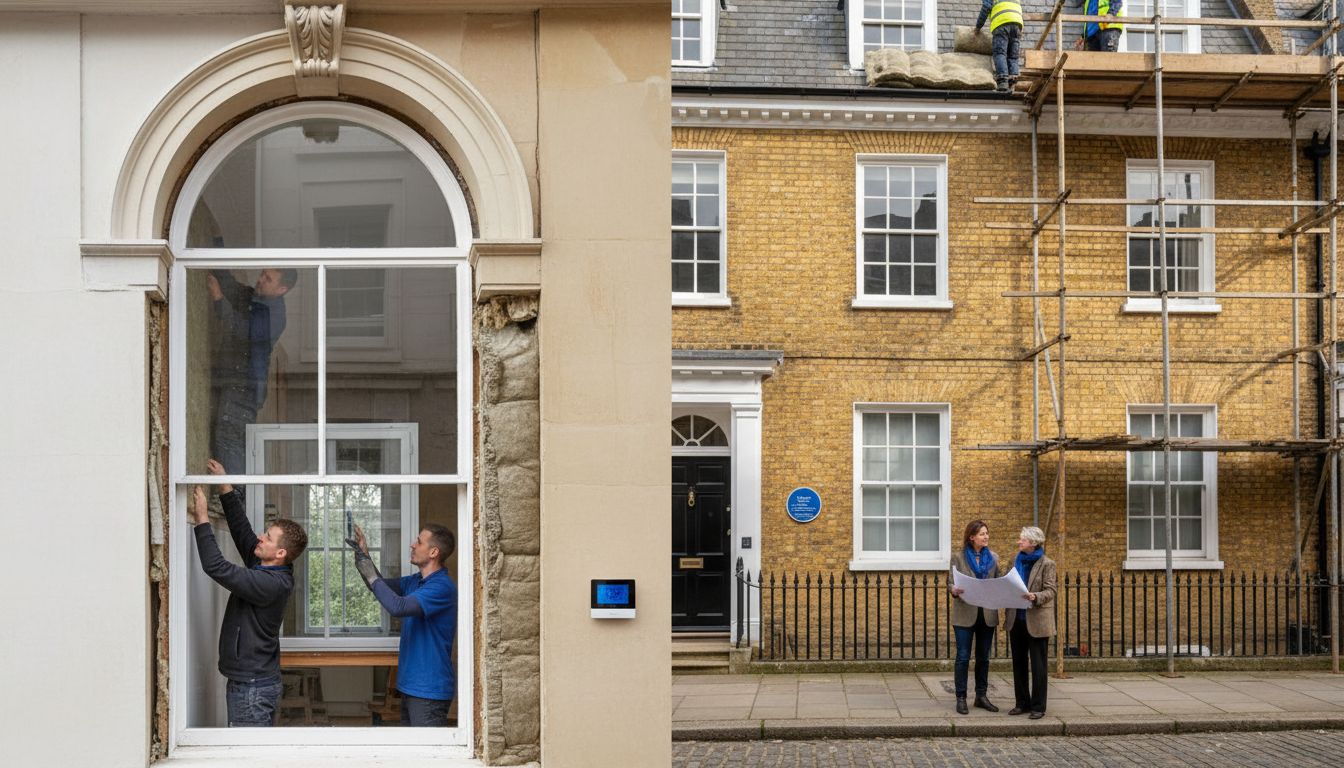
Nearly 19 million UK homes need some form of energy upgrade to meet modern standards. Rising energy prices and growing climate concerns put property owners under pressure to act. Understanding energy upgrades is more than just a way to cut monthly bills. It is a key step toward reducing carbon impact, improving comfort, and even boosting long-term property value. This guide explains the essentials and benefits of energy upgrades for every type of UK home.
Table of Contents
- Defining Energy Upgrades In UK Properties
- Types Of Energy Upgrades And Key Technologies
- How Energy Upgrades Improve Building Performance
- Compliance With HEM And EPC Standards
- Financial Impact And Return On Investment
Key Takeaways
| Point | Details |
|---|---|
| Energy Upgrades Enhance Efficiency | Strategic energy upgrades improve property performance, reduce carbon emissions, and lower utility costs through various interventions. |
| Balance in Historic Properties | Careful selection of technologies is essential in historic buildings to maintain architectural integrity while improving energy efficiency. |
| Compliance with Standards | Achieving Energy Performance Certificate (EPC) ratings is crucial for property owners to meet energy efficiency regulations and enhance market value. |
| Economic Benefits of Upgrades | Energy upgrades offer long-term financial advantages, including reduced utility costs, increased property market value, and potential tax incentives. |
Defining Energy Upgrades in UK Properties
Energy upgrades represent strategic improvements designed to enhance a property’s energy performance, reduce carbon emissions, and lower utility costs. According to RICS, these upgrades involve comprehensive retrofitting processes that transform existing buildings into more sustainable and efficient living spaces.
Typically, energy upgrades encompass a wide range of interventions that target different aspects of a property’s energy consumption. These can include:
- Insulation improvements for walls, roofs, and floors
- Upgrading heating and cooling systems
- Installing double or triple-glazed windows
- Implementing renewable energy technologies like solar panels
- Upgrading electrical systems and appliances to more energy-efficient models
Historic England emphasizes that retrofitting energy upgrades requires careful consideration, especially in historic properties where preservation of architectural integrity is crucial. The process involves balancing modern energy efficiency requirements with maintaining the unique character of existing buildings.
The goal of energy upgrades extends beyond mere cost savings. These improvements contribute significantly to reducing a property’s carbon footprint, improving indoor comfort, and increasing overall property value. By strategically implementing targeted upgrades, homeowners can create more sustainable living environments while preparing for increasingly stringent energy performance standards. For a comprehensive overview of practical energy-efficient home improvements, check out our guide on smart energy efficient home upgrades.
Types of Energy Upgrades and Key Technologies
Energy upgrades encompass a diverse range of technologies and interventions designed to improve property energy performance. Historic England highlights the importance of selecting appropriate technologies that balance energy efficiency with architectural preservation, particularly in historic properties.
Key energy upgrade technologies can be categorised into several primary groups:
-
Thermal Improvement Technologies
- Advanced wall and roof insulation
- Double and triple-glazed window systems
- Draught proofing solutions
-
Heating and Cooling Technologies
- Air source heat pumps
- Ground source heat pumps
- Smart thermostats
- Biomass heating systems
-
Renewable Energy Solutions
- Solar photovoltaic panels
- Solar thermal systems
- Small-scale wind turbines
- Battery storage systems
Implementing these technologies requires careful consideration of property-specific characteristics. Factors such as building age, architectural style, orientation, and existing infrastructure significantly influence the most suitable upgrade strategies.
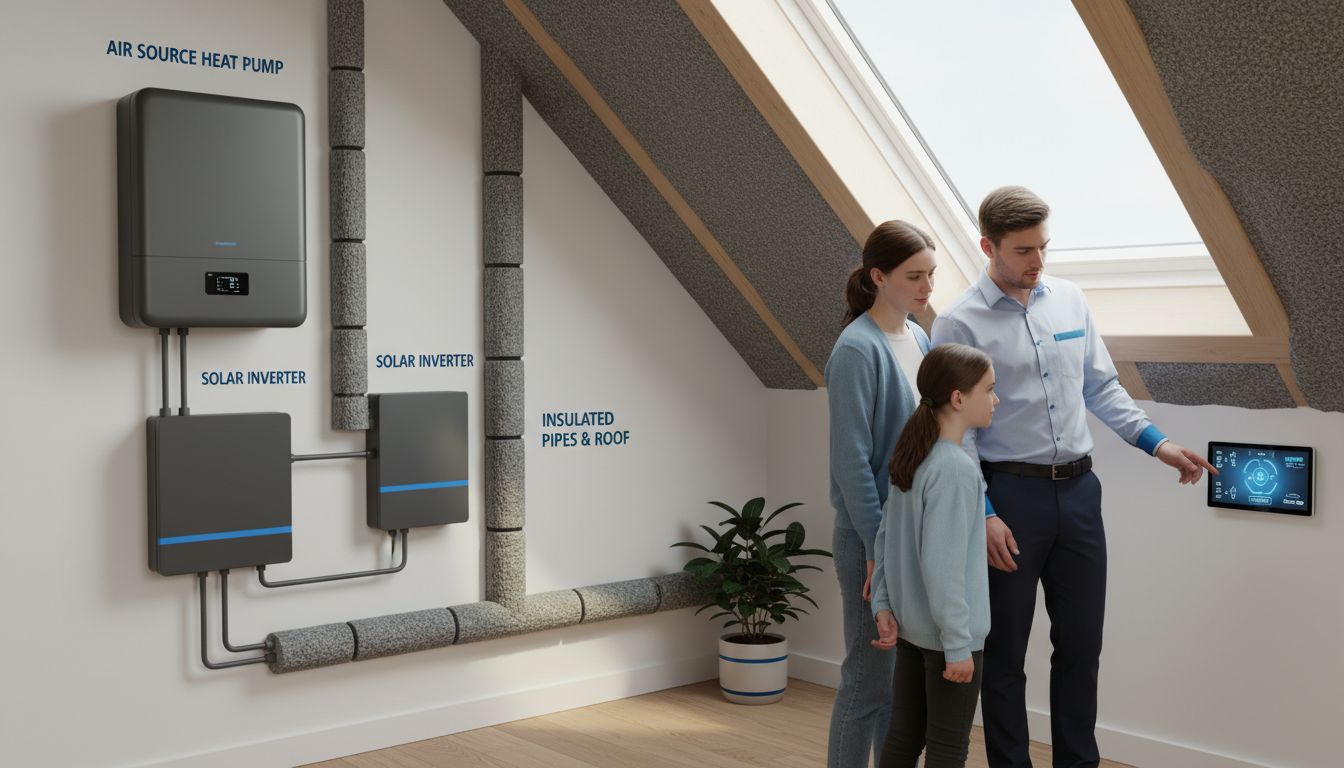
For property owners seeking practical guidance on selecting energy-efficient appliances that complement these technological upgrades, our guide to efficient appliances for energy-smart homes provides comprehensive insights into making informed technological investments that enhance overall property energy performance.
How Energy Upgrades Improve Building Performance
Building performance is fundamentally transformed through strategic energy upgrades that address multiple critical aspects of a property’s efficiency and comfort. Historic England emphasizes that these upgrades can significantly improve thermal performance while maintaining the structural integrity of buildings, especially in historic properties.
The key improvements in building performance can be categorized across several critical dimensions:
-
Thermal Efficiency
- Reduced heat loss
- Consistent indoor temperature
- Lower energy consumption
-
Structural Integrity
- Prevention of moisture-related damage
- Enhanced building envelope performance
- Improved long-term durability
-
Environmental Performance
- Reduced carbon emissions
- Lower overall environmental impact
- Alignment with sustainability standards
Moreover, these upgrades directly impact a building’s economic value. Improved energy performance translates to lower utility costs, increased property market value, and enhanced living or working conditions. The financial benefits extend beyond immediate energy savings, positioning properties more competitively in an increasingly environmentally conscious market.
Property owners looking to understand and implement effective energy-saving strategies can explore our guide on smart home energy saving habits to complement their building performance improvement efforts.
Compliance With HEM and EPC Standards
Energy Performance Certificates (EPCs) and Home Energy Management (HEM) standards represent crucial frameworks for assessing and improving property energy efficiency. RICS emphasizes the critical role these standards play in guiding property owners towards more sustainable and energy-efficient buildings.
Key compliance requirements include:
-
Minimum Energy Efficiency Requirements
- Achieving minimum EPC rating standards
- Implementing recommended energy improvements
- Regular assessment and updating of energy performance
-
Documentation and Reporting
- Maintaining accurate energy performance records
- Providing transparent energy consumption data
- Demonstrating progress towards energy efficiency goals
-
Technological Integration
- Implementing smart energy monitoring systems
- Adopting renewable energy technologies
- Upgrading building systems to meet current standards
Historic England highlights that compliance is particularly nuanced for historic properties, where energy upgrades must balance performance improvements with preservation of architectural integrity.
Property owners navigating these complex standards can benefit from understanding specific regulatory requirements. Our guide to UK home energy labelling provides comprehensive insights into meeting these evolving compliance frameworks, helping property owners make informed decisions about their energy upgrade strategies.
Financial Impact and Return on Investment
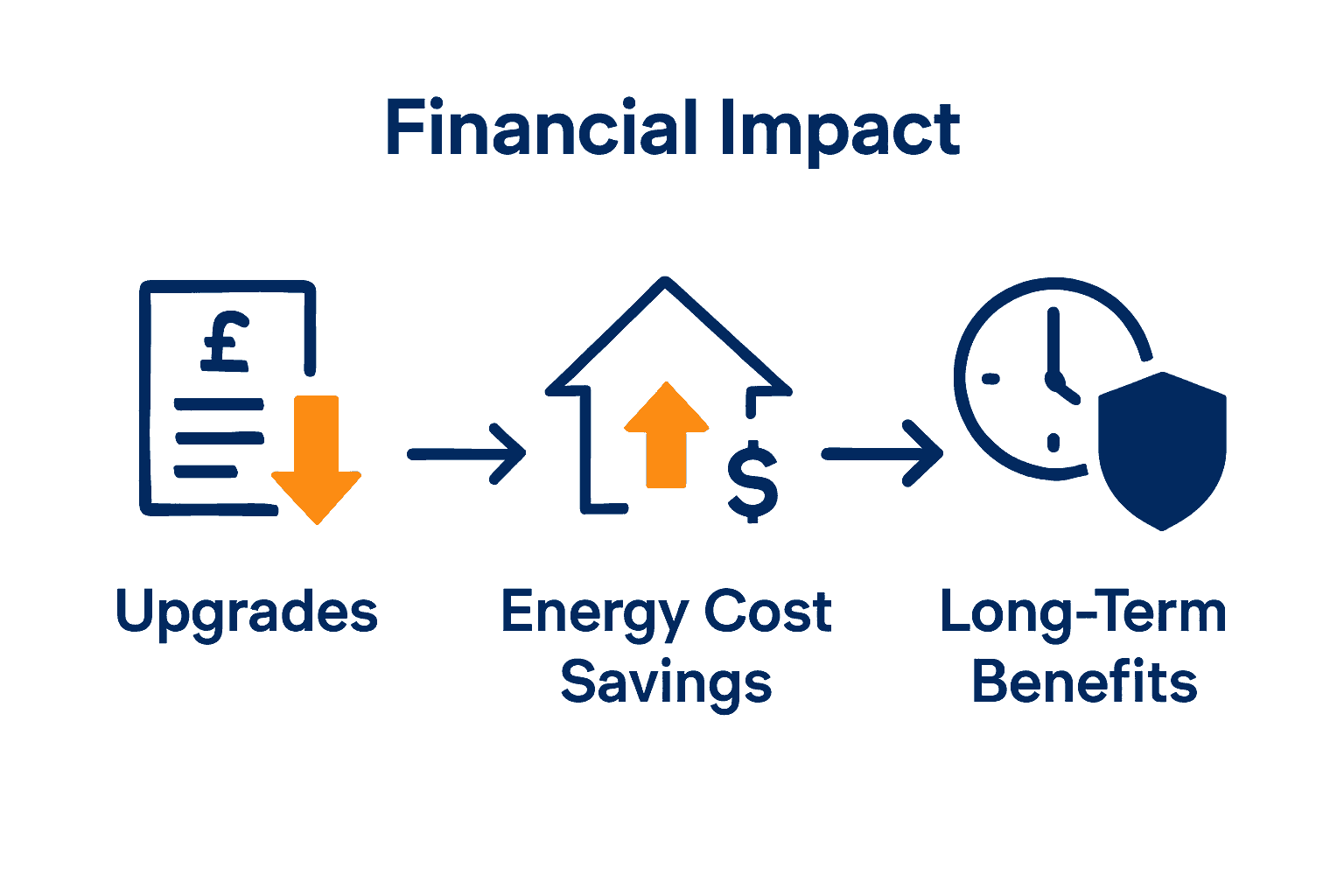
Energy upgrades represent a strategic financial investment with multifaceted economic benefits for property owners. RICS highlights that these investments extend far beyond immediate energy cost reductions, encompassing long-term value appreciation and operational efficiency.
The financial landscape of energy upgrades can be broken down into several key economic dimensions:
-
Direct Energy Cost Savings
- Reduced monthly utility expenditures
- Lower heating and cooling expenses
- Minimized energy consumption
-
Property Value Enhancement
- Increased market attractiveness
- Higher resale potential
- Improved energy performance ratings
-
Long-Term Financial Benefits
- Reduced maintenance costs
- Potential tax incentives
- Protection against future energy price increases
Historic England emphasizes that while initial investment can be substantial, the cumulative financial advantages often outweigh upfront costs, particularly for properties with specific architectural considerations.
Investors and property owners seeking detailed insights into financial strategies can explore our understanding Part L compliance guide, which provides comprehensive information on navigating the economic aspects of energy efficiency investments.
Take Control of Your Property’s Energy Future Today
Energy upgrades play a vital role in transforming UK properties to meet new standards like the upcoming Home Energy Model (HEM). If you are facing challenges understanding compliance with energy performance certificates or aiming to improve your building’s thermal efficiency while balancing financial investment, you are not alone. The need to reduce carbon emissions and lower energy costs can feel overwhelming, but expert guidance makes all the difference.
Discover practical support and clear insights at homeenergymodel.co.uk, where you can explore resources about the HEM methodology and learn how to align your property improvements with the Future Homes Standard. Gain confidence in navigating regulations and boosting your property’s value. Don’t wait to benefit from smarter energy upgrades—visit Understanding Part L Compliance and UK Home Energy Labelling Guide to start making informed decisions today.
Frequently Asked Questions
What are the primary benefits of energy upgrades in properties?
Energy upgrades provide numerous benefits, including reduced carbon emissions, lower utility costs, improved indoor comfort, and enhanced property value. They also contribute to achieving compliance with energy performance standards.
What types of technologies are commonly used in energy upgrades?
Common technologies include advanced insulation systems, energy-efficient heating and cooling solutions like heat pumps, renewable energy installations such as solar panels, and upgraded electrical systems and appliances.
How do energy upgrades affect the energy performance of a property?
Energy upgrades improve a property’s energy performance by increasing thermal efficiency, reducing energy consumption, and enhancing overall environmental performance. This leads to lower utility costs and improved market value.
What are Energy Performance Certificates (EPCs) and why are they important?
Energy Performance Certificates (EPCs) are documents that provide information about a property’s energy efficiency. They are important as they help property owners meet minimum energy efficiency standards, guide energy improvements, and may impact property marketability.
Recommended
- 7 Smart Home Energy Saving Habits Every Property Owner Needs – Home Energy Model
- How Green Is Your Property – Complete EPC – 0800 917 4026
- 7 Smart Energy Efficient Home Upgrades for Property Owners – Home Energy Model
- Complete Guide to UK Home Energy Labelling – Home Energy Model
- Complete Guide to Why Energy Efficient Windows Matter