
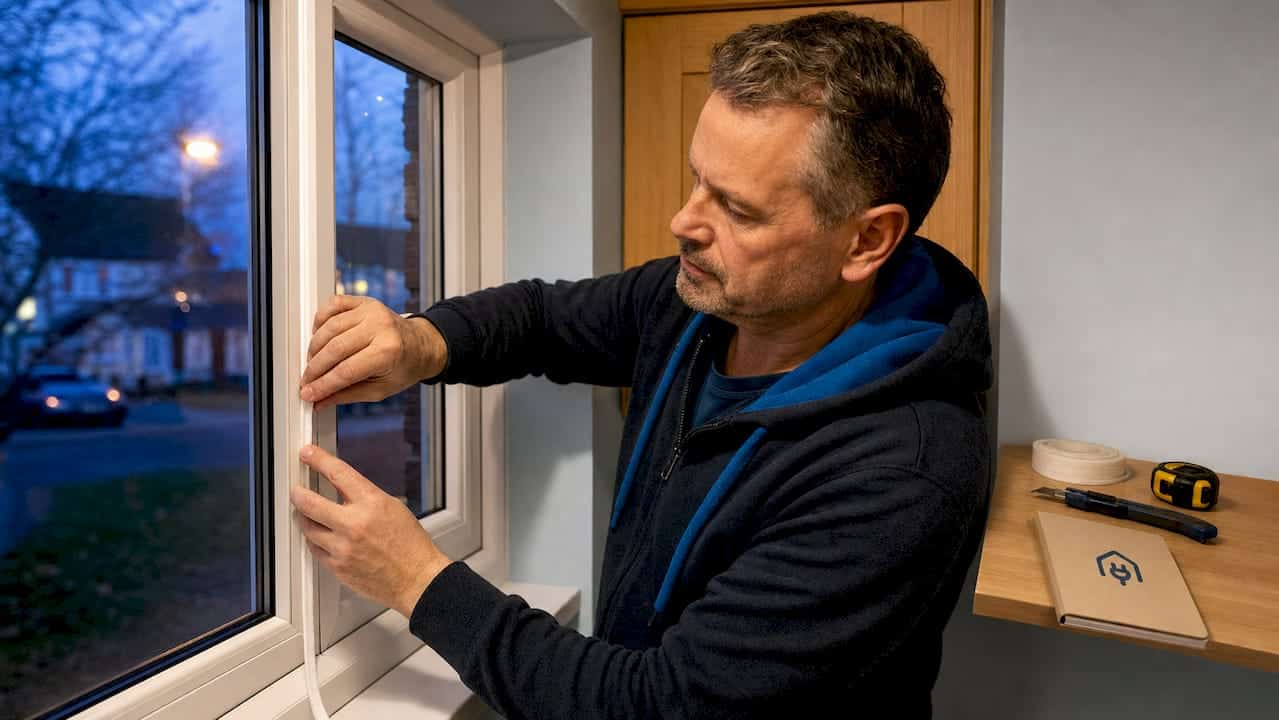
TL;DR:
- Draught proofing windows reduces heat loss by sealing gaps and cracks around window frames, improving energy efficiency. Proper preparation and matching materials to window types are essential for lasting results, while maintaining essential ventilation prevents moisture issues. DIY methods are affordable and effective, but over-sealing without considering airflow can cause indoor air problems.
Draught proofing windows is the process of sealing gaps and cracks around window frames to stop cold air entering and warm air escaping, directly reducing heat loss and cutting heating bills. The industry term is “draught proofing,” though it is also widely called weatherstripping or air sealing depending on the method used. Combining methods like weatherstripping, re-caulking, and insulation film can reduce heat loss through windows by 50% to 70%. That figure alone makes window sealing one of the highest-return DIY tasks a UK homeowner or renter can undertake. Common approaches include self-adhesive foam strips, silicone sealant, brush seals, and window insulation film, each suited to different window types and budgets.
What materials and tools do you need to draught proof windows?
Choosing the right materials is the single most important decision in any draught-proofing project. The wrong product on the wrong window type will fail within one heating season.
Common materials by window type
| Window Type | Recommended Seal | Notes |
|---|---|---|
| Casement (hinged) | Self-adhesive foam or rubber strip | Compresses on closure for a tight fit |
| Sliding sash | Brush pile seal | Allows movement without tearing |
| Fixed frame | Silicone or acrylic caulk | Permanent seal for non-opening joints |
| Single-glazed | Insulation film | Adds a thermal air layer across the pane |
Brush seals suit sliding sash windows; self-adhesive strips suit casement windows; silicone sealant is best for fixed joints. Matching the product to the window type is not optional. A foam strip on a sash window will compress unevenly and tear within weeks.
The core toolkit for a DIY job includes:
- Self-adhesive foam strips (E-profile or P-profile)
- Brush pile draught excluder strips
- Silicone sealant and a caulk gun
- Acrylic or latex caulk for interior joints
- Putty knife or old screwdriver for removing old sealant
- Rubbing alcohol or methylated spirits for surface cleaning
- Measuring tape and scissors
- Painter’s tape for clean edges
- Window insulation film kit (optional but effective for single glazing)
DIY materials cost approximately £3–£20 per window, making this one of the most affordable energy upgrades available. Professional secondary glazing, by contrast, costs £200–£600 per window. For most renters and homeowners, the DIY route delivers strong results at a fraction of the cost.
Pro Tip: For exterior-facing joints, always choose silicone sealant rather than acrylic. Silicone is flexible and weatherproof. Acrylic is paintable and better suited to interior joints where aesthetics matter.
How do you prepare windows for a lasting draught-proof seal?
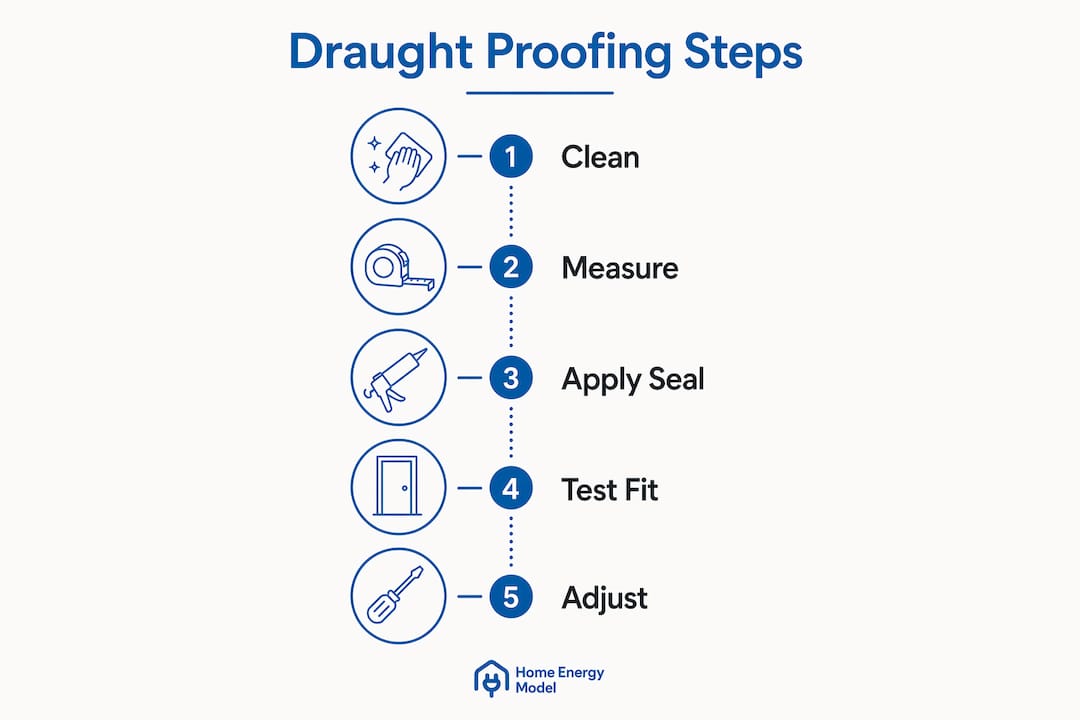
Preparation determines whether a seal lasts one winter or ten. Skipping this stage is the most common reason DIY draught-proofing fails.
Follow these steps before applying any product:
- Identify the gaps. Hold a lit candle or your hand near the window frame on a windy day. Movement in the flame or a cold sensation on your skin confirms a draught. Work around the full perimeter of each window.
- Remove all old sealant. Use a putty knife or screwdriver to scrape out crumbling or peeling caulk completely. Proper preparation involves fully removing old caulk before applying new material. Applying new sealant over old will cause it to fail at the bond line.
- Clean the surface. Wipe the frame and surrounding area with rubbing alcohol or methylated spirits. This removes grease, dust, and mould residue that would prevent adhesion.
- Check the weather forecast. Sealing works best in mild conditions; temperatures below 4°C inhibit curing and reduce sealant effectiveness. Aim for a dry day above 10°C for best results.
- Apply painter’s tape. Run tape along both sides of the joint before caulking. This creates a clean, straight edge and makes the finished result look professional.
- Allow adequate curing time. Most silicone sealants require 24 hours to cure fully before the window is used. Plan your work accordingly.
Pro Tip: Do not attempt to seal windows during a cold snap using standard silicone. Use a specialist low-temperature sealant rated for sub-zero application if winter work is unavoidable.
What are the step-by-step methods for different window types?

The method varies by window style. Applying the wrong technique to the wrong window can impair operation or cause damage to the frame.
Casement windows (hinged)
- Cut a length of self-adhesive foam or rubber strip to match each opening edge of the frame.
- Peel the backing and press the strip firmly into the rebate (the groove the window closes against).
- Close the window gently to check compression. The strip should compress without preventing the latch from closing.
- For any fixed joints or gaps in the frame itself, apply silicone sealant in one continuous bead using a caulk gun.
- Smooth the bead with a wetted finger or caulk tool before it skins over.
Sliding sash windows
Sash windows require brush pile seals rather than foam strips. Foam compresses and tears under the sliding action.
- Fit brush strips into the meeting rail (where the two sashes meet) and along the side channels.
- Use a specialist sash window draught-proofing kit from manufacturers such as Exitex or Reddiplex for a precise fit.
- Seal the fixed outer frame joints with silicone caulk, but leave the sliding channels free.
Single-glazed windows: insulation film
Insulation film creates a layer of still air, effectively turning single-glazed windows into makeshift double glazing and reducing heat loss significantly. The process is straightforward:
- Clean the glass and frame thoroughly.
- Apply double-sided tape around the inner frame perimeter.
- Press the film onto the tape, leaving it slightly loose.
- Use a hairdryer to shrink the film taut. It becomes almost invisible when applied correctly.
This method suits renters particularly well. The film is removable without damaging paintwork, making it a practical window insulation tip for those who cannot make permanent alterations.
Pro Tip: Always test window operation after fitting any seal. Improperly thick or misplaced strips can prevent window closure or cause damage to the latch mechanism.
How can you verify success and troubleshoot common problems?
Testing after installation confirms the work has been effective and catches problems before they become costly.
Repeat the candle or hand test after the sealant has fully cured. No movement in the flame and no cold sensation at the frame confirms a successful seal. Also check that every window opens, closes, and latches without resistance.
Common problems and their fixes:
- Strip too thick: The window will not close fully. Replace with a thinner profile (E-profile instead of P-profile, for example).
- Sealant cracking within weeks: The surface was not cleaned properly before application, or the sealant was applied in cold conditions. Remove and reapply following the preparation steps above.
- Condensation on the glass: This is normal after sealing and indicates the window is now holding warm, moist air inside. Increase ventilation slightly to balance humidity.
- Draught persists after sealing: The gap may be in the glazing bead rather than the frame joint. Inspect the putty or silicone holding the glass in the frame and reseal if cracked.
When to call a professional: If gaps are structural, frames are rotting, or draughts persist after two rounds of DIY sealing, secondary glazing or full window replacement may be the correct solution. Professional whole-house draught proofing for a typical home costs £200–£500 and includes a survey to identify all air leakage points.
For a broader view of where draught proofing fits within a full property upgrade plan, the energy saving checklist from Homeenergymodel covers the complete range of measures.
How do you balance draught proofing with healthy ventilation?
Sealing gaps is necessary, but sealing everything is a mistake. Over-sealed homes accumulate moisture, carbon dioxide, and pollutants that damage health and building fabric.
Draught proofing must maintain essential ventilation; sealing trickle vents or chimneys can cause moisture and health issues. The Energy Saving Trust is explicit on this point. Trickle vents, fitted into the window frame itself, must remain open and unobstructed at all times.
Practical rules for balancing airtightness and airflow:
- Never seal trickle vents. They are designed to provide background ventilation and are separate from draught gaps.
- Do not block chimney flues without fitting a purpose-made chimney balloon that can be removed when the fireplace is in use.
- Monitor indoor humidity with a hygrometer. A reading consistently above 60% relative humidity signals insufficient ventilation.
- Open windows briefly each morning to flush stale air, particularly in bedrooms and kitchens.
- In older properties with solid walls and no mechanical ventilation, balancing airtightness and ventilation is especially critical because the building fabric cannot dry out through the walls as easily.
For detailed guidance on maintaining healthy airflow alongside energy efficiency measures, Homeenergymodel’s guide on home ventilation efficiency covers the full range of options for UK properties.
Key takeaways
Draught proofing windows reduces heat loss by up to 70% when the correct materials are matched to each window type and preparation is thorough.
| Point | Details |
|---|---|
| Match material to window type | Use brush seals for sash windows, foam strips for casements, and silicone for fixed joints. |
| Prepare surfaces fully | Remove all old sealant and clean with rubbing alcohol before applying any new product. |
| Seal in mild conditions | Apply sealants above 10°C and allow 24 hours of curing time for a durable bond. |
| Protect ventilation points | Never seal trickle vents or chimney flues; over-sealing causes condensation and poor air quality. |
| Test after installation | Check window operation and repeat the candle test after curing to confirm the seal is effective. |
What i have learned from years of watching DIY draught proofing go wrong
Most draught-proofing failures come down to two things: wrong material and skipped preparation. I have seen homeowners apply P-profile foam to sash windows, only to find it shredded within a month. I have seen fresh silicone applied straight over crumbling old caulk, peeling away before the first frost. The fixes are not complicated, but they require patience.
The ventilation point is where I think most guides fall short. There is a tendency to treat draught proofing as a simple “seal everything” exercise. It is not. Older UK properties, particularly Victorian and Edwardian terraces, were built to breathe through their gaps. Seal those gaps without providing alternative ventilation and you trade a cold house for a damp one. That is a worse outcome.
My honest recommendation: start with the worst offenders, typically the meeting rail of sash windows and the perimeter of casement frames, and test the result before moving on. Incremental sealing lets you monitor humidity and ventilation as you go. It also keeps costs low. A £5 roll of foam strip and a £4 tube of silicone can make a measurable difference to comfort within an afternoon.
Draught proofing also has a direct relationship with your property’s EPC energy rating. Assessors account for air leakage when calculating a building’s energy performance. Reducing draughts can contribute to a higher EPC band, which matters for landlords under current and forthcoming minimum energy efficiency standards.
— Danny
How Homeenergymodel can help you go further
Draught proofing windows is one of the most cost-effective first steps in improving a property’s energy performance. For homeowners and landlords who want to understand the full picture, Homeenergymodel provides detailed guidance on how individual measures like draught proofing contribute to a property’s overall energy assessment. The Home Energy Model explained resource covers how the UK government’s new assessment methodology accounts for fabric improvements, including air sealing. Landlords looking to understand how different upgrade types affect compliance ratings will find the guide to home energy models for landlords particularly relevant. Both resources connect practical DIY measures to the regulatory and financial outcomes that matter most for UK property owners in 2026.
FAQ
How much can draught proofing windows save on energy bills?
Basic weatherstripping alone saves 5% to 10% on annual heating bills. Combining multiple methods such as foam strips, caulk, and insulation film can reduce heat loss through windows by up to 70%.
Can renters draught proof windows without damaging the property?
Window insulation film and self-adhesive foam strips are both removable without leaving permanent damage. Renters should avoid silicone sealant on painted surfaces unless they have the landlord’s written permission.
How long does silicone sealant take to cure on windows?
Most silicone sealants require a full 24 hours to cure before the window is used. Applying sealant in temperatures below 4°C slows curing and reduces the bond strength.
Should trickle vents be sealed during draught proofing?
Trickle vents must never be sealed. The Energy Saving Trust states that blocking ventilation points causes condensation, mould, and poor indoor air quality.
What is the difference between draught proofing and secondary glazing?
Draught proofing seals gaps around the existing window frame and costs £3–£20 per window as a DIY measure. Secondary glazing adds a second pane inside the existing frame and costs £200–£600 per window installed professionally, offering greater thermal performance for single-glazed properties.