
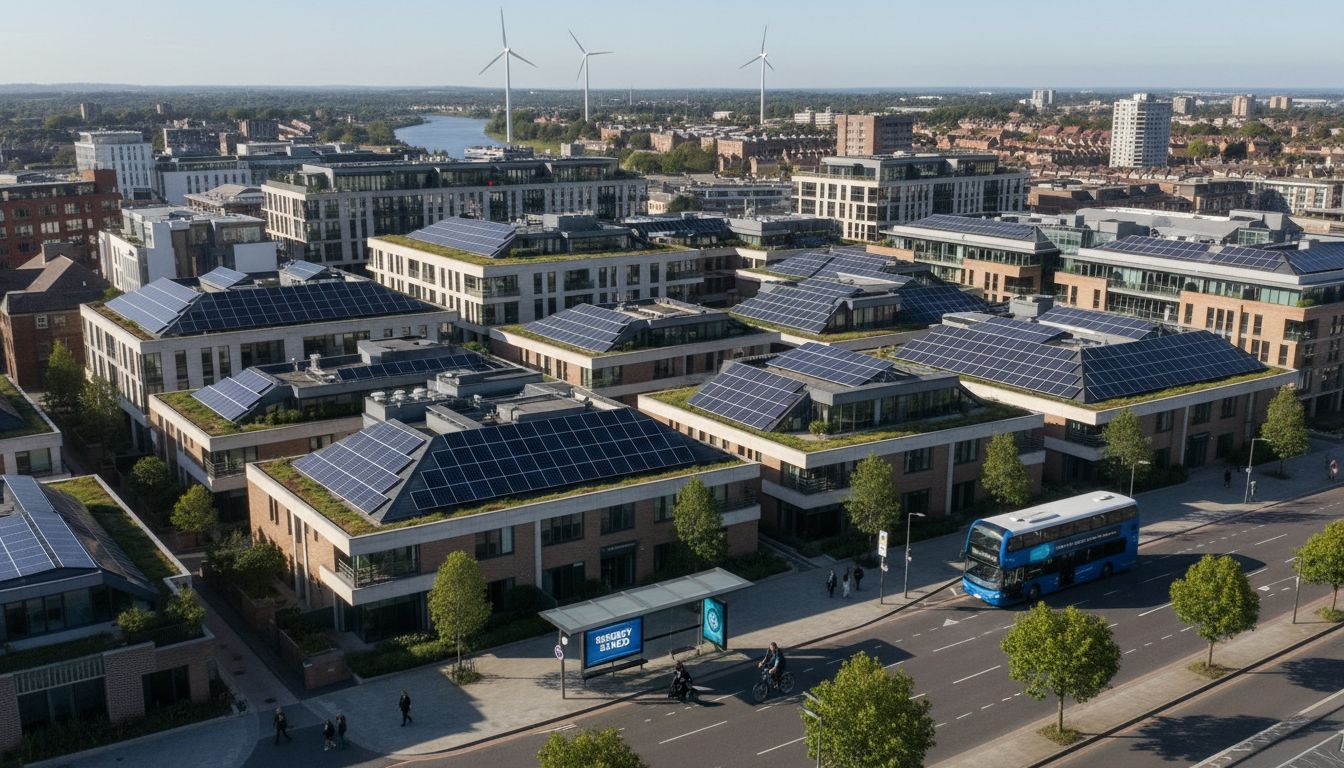
More than a quarter of british household energy is wasted due to inefficient systems and outdated habits. With rising costs and urgent climate concerns, taking control of energy use is more important than ever. Understanding the principles and practical steps for reducing consumption not only helps cut bills but also supports national targets for a cleaner future. This guide breaks down how smarter decisions and simple changes can make british properties both greener and more cost-effective.
Table of Contents
- Defining Energy Use Reduction Principles
- Methods and Technologies for Saving Energy
- UK Regulations and Home Energy Model Role
- Benefits for Homeowners, Investors, and Landlords
- Common Pitfalls and Maximising Efficiency
Key Takeaways
| Point | Details |
|---|---|
| Energy Efficiency | Optimising energy use through strategic interventions can significantly reduce resource consumption and environmental impact. |
| Technological Innovation | Advanced technologies such as digital twins and smart home systems are vital for effective energy management and reducing waste. |
| Regulatory Framework | Stringent UK regulations and initiatives like the Great British Insulation Scheme drive property energy performance improvements and support sustainable practices. |
| Stakeholder Benefits | Implementing energy efficiency offers financial savings, increased property values, and contributes to national carbon reduction goals for homeowners, investors, and landlords. |
Defining Energy Use Reduction Principles
Energy use reduction represents a strategic approach to minimising resource consumption and decreasing environmental impact through deliberate, systematic interventions. The fundamental goal is to optimise energy efficiency across residential, commercial, and industrial contexts while maintaining essential functional requirements. Energy consumption in UK homes demonstrates significant potential for meaningful reductions through targeted strategies.
The core principles of energy use reduction centre on understanding current consumption patterns and implementing targeted interventions. The End Use Energy Demand Centres emphasise an interdisciplinary approach that focuses not just on technical solutions but on maintaining quality of life and economic productivity. This nuanced perspective recognises that energy reduction is not about deprivation, but about smarter, more intelligent resource management.
Practical energy reduction strategies typically encompass multiple domains:
- Building design and insulation improvements
- Efficient appliance selection
- Smart energy management systems
- Behavioural changes and awareness
- Technological innovations in energy generation and storage
The UK Government’s broader policy framework supports these principles through legally binding targets aimed at fundamentally transforming resource utilisation. By establishing clear objectives for reducing energy demand and greenhouse gas emissions, policymakers are creating a structured environment that encourages innovation, investment, and systemic change in how we approach energy consumption.
Methods and Technologies for Saving Energy
Addressing energy consumption requires a sophisticated blend of technological innovation and strategic implementation. Modern approaches to energy saving encompass a wide range of sophisticated methods that leverage cutting-edge digital technologies and intelligent design principles. Efficient home appliances represent a critical component of this comprehensive energy reduction strategy.
Advanced digital technologies are revolutionising energy management, with digital twin technologies emerging as a particularly promising approach. These sophisticated systems can coordinate multi-vector smart energy systems, enabling precise control and optimisation of energy consumption across various domains. By creating virtual replicas of physical energy systems, these technologies allow for real-time monitoring, predictive maintenance, and intelligent decision-making that can significantly reduce overall energy waste.
Key technological strategies for energy saving include:
- Smart home automation systems
- Advanced thermal insulation technologies
- High-efficiency heating and cooling solutions
- Intelligent energy monitoring and management platforms
- Renewable energy integration systems
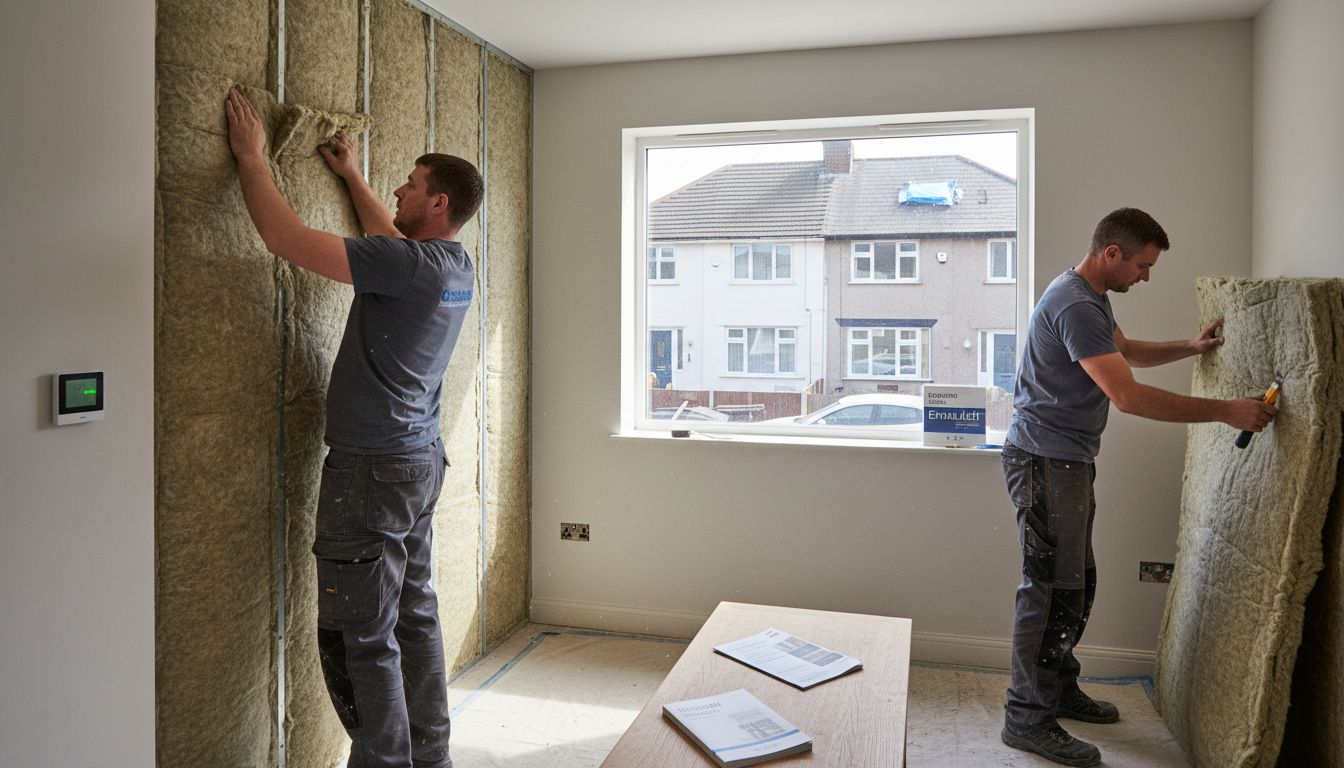
Physical infrastructure improvements also play a crucial role in energy reduction. The Great British Insulation Scheme demonstrates the national commitment to enhancing residential energy efficiency through targeted interventions. By promoting comprehensive insulation measures such as cavity wall, roof, and floor insulation, these programmes directly address the significant energy losses that occur through poorly insulated building envelopes, offering homeowners a practical pathway to reducing their energy consumption and associated costs.
UK Regulations and Home Energy Model Role
The landscape of energy regulation in the United Kingdom represents a complex framework of legislative measures designed to drive substantial improvements in building energy performance. UK building regulations provide the critical foundation for transforming how properties approach energy consumption and sustainability across residential and commercial sectors.
Regulatory mechanisms have evolved to incorporate increasingly stringent requirements for energy efficiency. The Merton Rule exemplifies this progressive approach by mandating that new commercial buildings over 1000m² generate at least 10% of their energy needs using on-site renewable energy equipment. This innovative regulation demonstrates the UK’s commitment to integrating renewable energy sources directly into building design and construction principles.
Key regulatory strategies encompass multiple dimensions:
- Mandatory energy performance standards
- Renewable energy integration requirements
- Minimum insulation and efficiency specifications
- Carbon emission reduction targets
- Incentives for sustainable building practices
The Home Energy Model emerges as a pivotal tool in this regulatory ecosystem, providing a sophisticated framework for assessing and improving property energy performance. By establishing a comprehensive methodology for evaluating energy consumption, the model enables property owners, developers, and policymakers to make informed decisions that align with national sustainability objectives. This approach transforms regulatory compliance from a bureaucratic exercise into a strategic opportunity for reducing environmental impact and optimising energy efficiency across the built environment.
Benefits for Homeowners, Investors, and Landlords
Energy efficiency initiatives present a multifaceted value proposition for property stakeholders, offering substantial financial, environmental, and strategic advantages. Energy efficiency benefits extend far beyond simple cost savings, representing a comprehensive approach to property management and investment strategy.
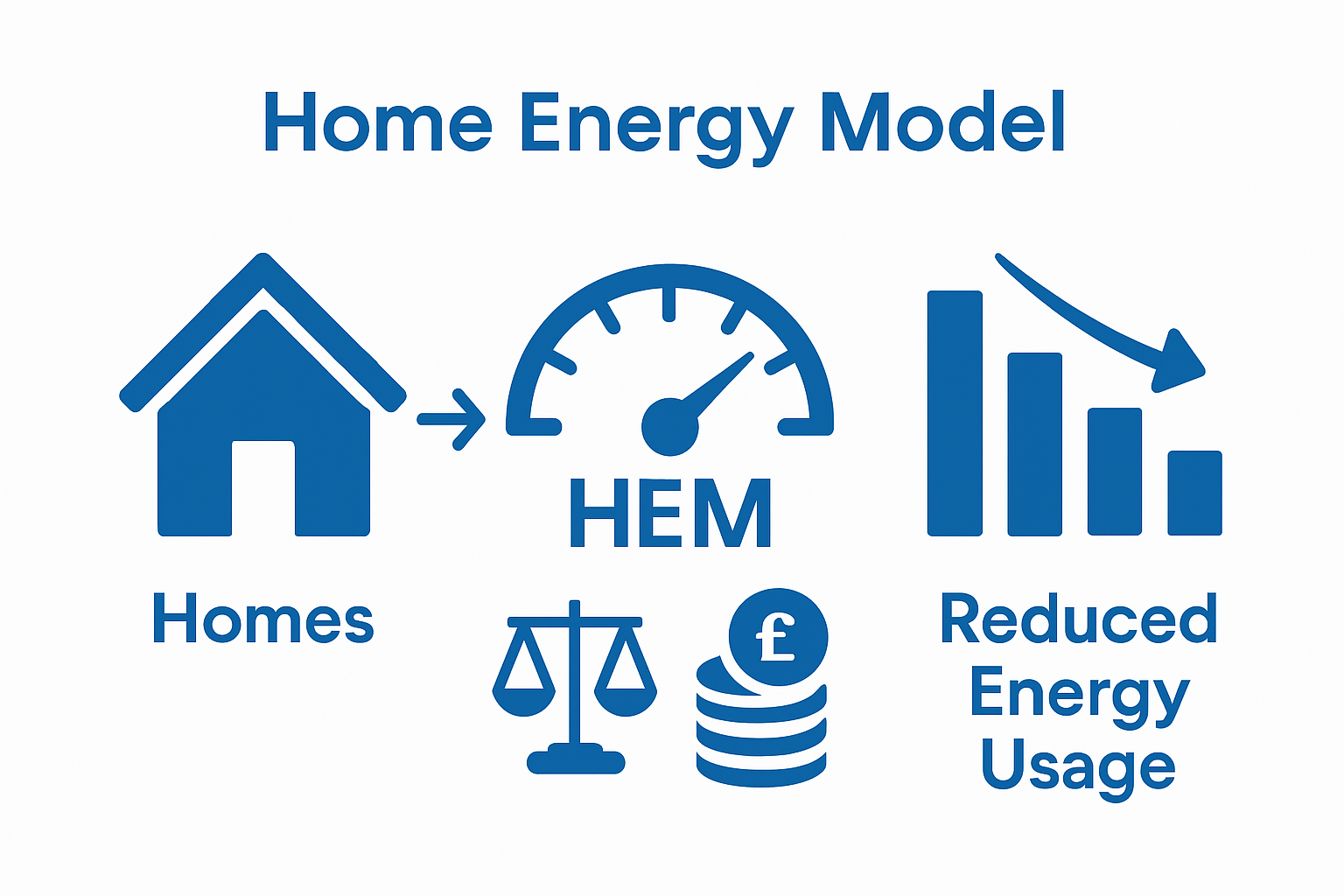
The Great British Insulation Scheme illustrates the transformative potential of targeted energy efficiency interventions, delivering greater energy efficiency for hundreds of thousands of households. This programme helps property owners maintain warmer homes, substantially reduce energy bills, and contribute to broader carbon emission reduction objectives, creating a win-win scenario for individual property stakeholders and national environmental goals.
Key benefits across different stakeholder groups include:
- Reduced energy consumption and lower utility costs
- Increased property market value
- Enhanced thermal comfort and living conditions
- Improved environmental credentials
- Potential access to government incentives and grants
The CRC Energy Efficiency Scheme further demonstrates the strategic importance of energy efficiency, targeting large energy-intensive organizations and driving demand for energy-efficient goods and services. This approach creates a ripple effect that benefits investors and landlords by establishing a robust market ecosystem that prioritises sustainable property management. By embracing energy efficiency, property stakeholders can position themselves at the forefront of a growing trend towards environmentally responsible and economically optimised real estate investments.
Common Pitfalls and Maximising Efficiency
Navigating the complex landscape of energy efficiency requires a strategic approach that anticipates potential challenges and implements proactive solutions. Energy performance improvements demand a nuanced understanding of the intricate factors that can undermine even the most well-intentioned efficiency initiatives.
Residential energy efficiency studies reveal significant spatial variations that underscore the urgent environmental and social implications of poor energy management. These research findings highlight the critical need for targeted interventions that go beyond generic recommendations, recognising that efficiency strategies must be tailored to specific property characteristics and local contexts.
Common pitfalls in energy efficiency implementation include:
- Overlooking building-specific thermal performance characteristics
- Inadequate assessment of existing infrastructure
- Unrealistic expectations about renewable technology performance
- Insufficient understanding of occupant behaviour patterns
- Neglecting long-term maintenance and upgrade strategies
The UK Government’s Clean Energy Strategy provides a cautionary perspective, highlighting potential overestimations in decarbonisation strategies. This underscores the importance of adopting a pragmatic, data-driven approach to energy efficiency that balances ambitious goals with realistic implementation strategies. Successful efficiency maximisation requires continuous monitoring, adaptive planning, and a willingness to integrate emerging technologies and methodologies that can transform energy consumption patterns across residential and commercial sectors.
Take Control of Energy Use Reduction with Expert Guidance
The challenge of reducing energy consumption in UK homes and commercial buildings is more urgent than ever as new government strategies and regulations take shape. The article highlights key terms like the Home Energy Model (HEM), building insulation improvements, and smart energy management systems that every property owner, landlord, and investor needs to understand. Facing complicated policies such as the Future Homes Standard and the need for smarter resource management can feel overwhelming but it also offers a powerful opportunity to cut costs and boost property value.
Discover how Home Energy Model simplifies the complex energy efficiency transition by explaining what the HEM means for you, your property and your compliance requirements. Access practical advice to maximise insulation benefits and navigate the upcoming Energy Performance Certificate changes through our expertly crafted guides. Don’t wait for regulations to catch you off guard. Visit Home Energy Model now to get ahead with actionable insights and turn energy reduction from a challenge into a clear advantage.
Frequently Asked Questions
What are the core principles of energy use reduction?
The core principles of energy use reduction include understanding current consumption patterns and implementing targeted interventions to optimise energy efficiency without compromising quality of life or economic productivity.
How can building design improve energy efficiency?
Building design improvements can enhance energy efficiency through better insulation, strategic placement of windows, and utilising energy-efficient materials that reduce energy loss and improve overall comfort.
What technologies are available for saving energy in homes?
Available technologies for saving energy in homes include smart home automation systems, advanced thermal insulation technologies, high-efficiency heating and cooling solutions, and intelligent energy monitoring platforms.
What are the benefits of energy efficiency initiatives for property owners?
Energy efficiency initiatives offer property owners reduced energy consumption, lower utility costs, increased property value, enhanced living conditions, and potential access to government incentives and grants.
Recommended
- Energy Consumption in UK Homes Explained: Key Facts
- 7 Smart Home Energy Saving Habits Every Property Owner Needs – Home Energy Model
- How to Reduce Carbon Footprint at Home: Practical Steps – Home Energy Model
- Energy Usage Patterns UK: Complete 2025 Guide – Home Energy Model
- What Is Energy Efficient Footwear? Complete Guide – YDA UK
- Complete Guide to Sustainable Heating Options 2025 – Skan Plumbing & Heating