
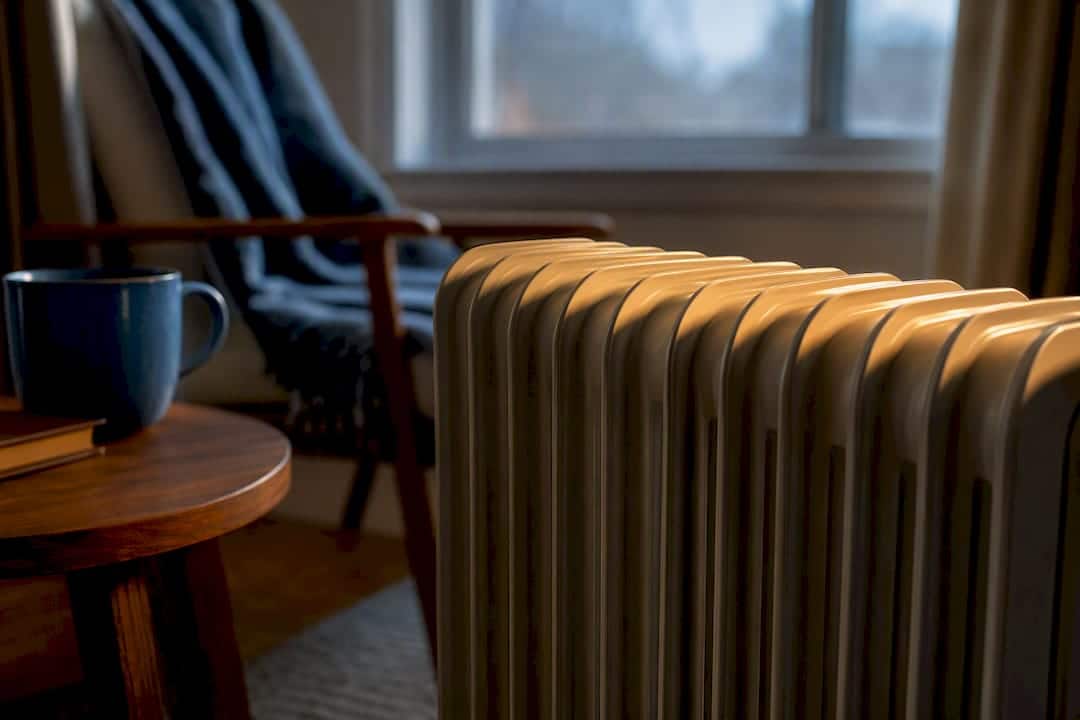
An oil-filled radiator uses an electric heating element to warm a sealed reservoir of thermal oil, which then carries that heat through the metal body by convection before releasing it into the room as radiation and warm air. Because the oil holds heat far longer than the metal casing alone, the radiator keeps emitting warmth well after the element switches off.
TL;DR:
- Oil-filled radiators take longer to heat up but can emit warmth for around 30 minutes or more after being switched off, thanks to their thermal inertia.
- They operate at nearly 100% efficiency, with running costs directly related to wattage, insulation, and proper thermostat and timer use.
- Safety features like overheat cut-outs, tip-over switches, and sealed oil reservoirs make them a safe and low-maintenance heating option, with no refilling needed.
- These radiators are best suited for continuous, quiet heating of a single room where steady warmth is preferred over instant heat.
- They are inefficient for quick heating or whole-home use, as insulation improvements have a greater impact on energy bills than portable heaters.
Table of Contents
- How do oil filled radiators work: the basic mechanism
- How the electrical element heats the oil and warms the room
- Why oil-filled radiators keep heating after they switch off
- What oil-filled radiators cost to run
- Safety features, maintenance, and the oil-refilling myth
- Where portable heating fits in whole-home efficiency
- When an oil-filled radiator actually makes sense
- Sources
- FAQ
How do oil filled radiators work: the basic mechanism
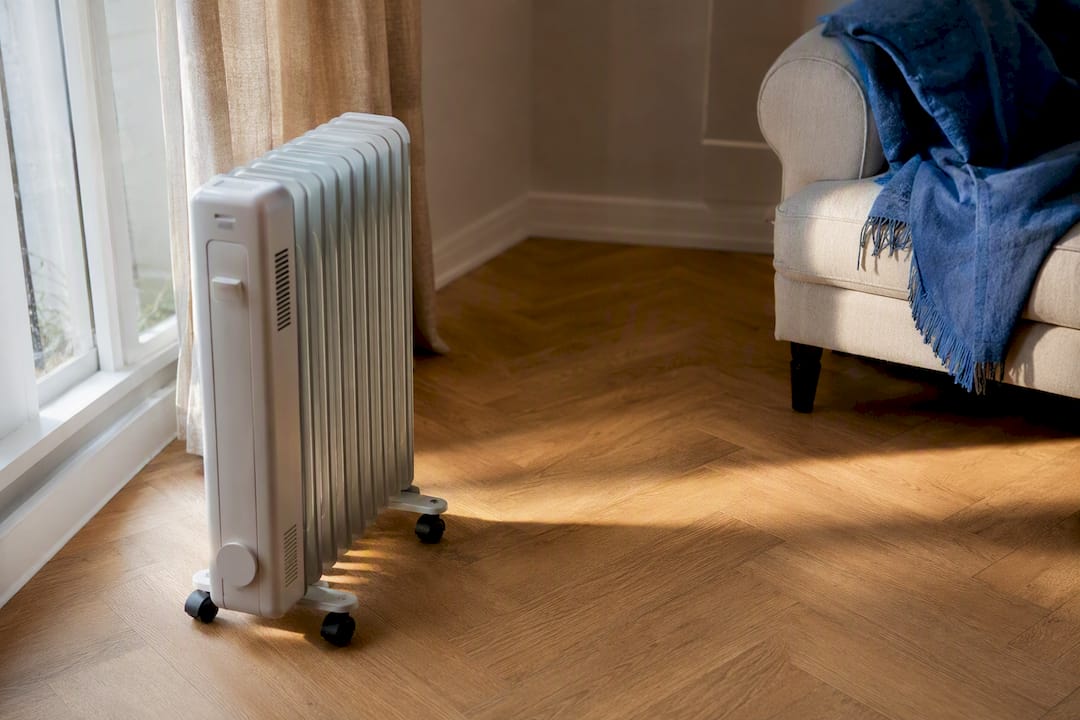
An oil-filled radiator, sometimes called an oil bath radiator or column heater, is a portable electric appliance built around a fixed volume of thermal oil sealed inside a metal frame. It looks similar to a traditional central heating radiator, with vertical columns or fins that increase surface area, but it needs no plumbing and runs entirely on electricity.
The main components are straightforward:
- An electric heating element submerged in the oil, usually at the base of the unit
- A sealed reservoir of diathermic oil that never needs draining or replacing
- Metal columns or fins that carry heat outward and increase the surface exposed to the room
- A thermostat, and often a timer, to regulate output
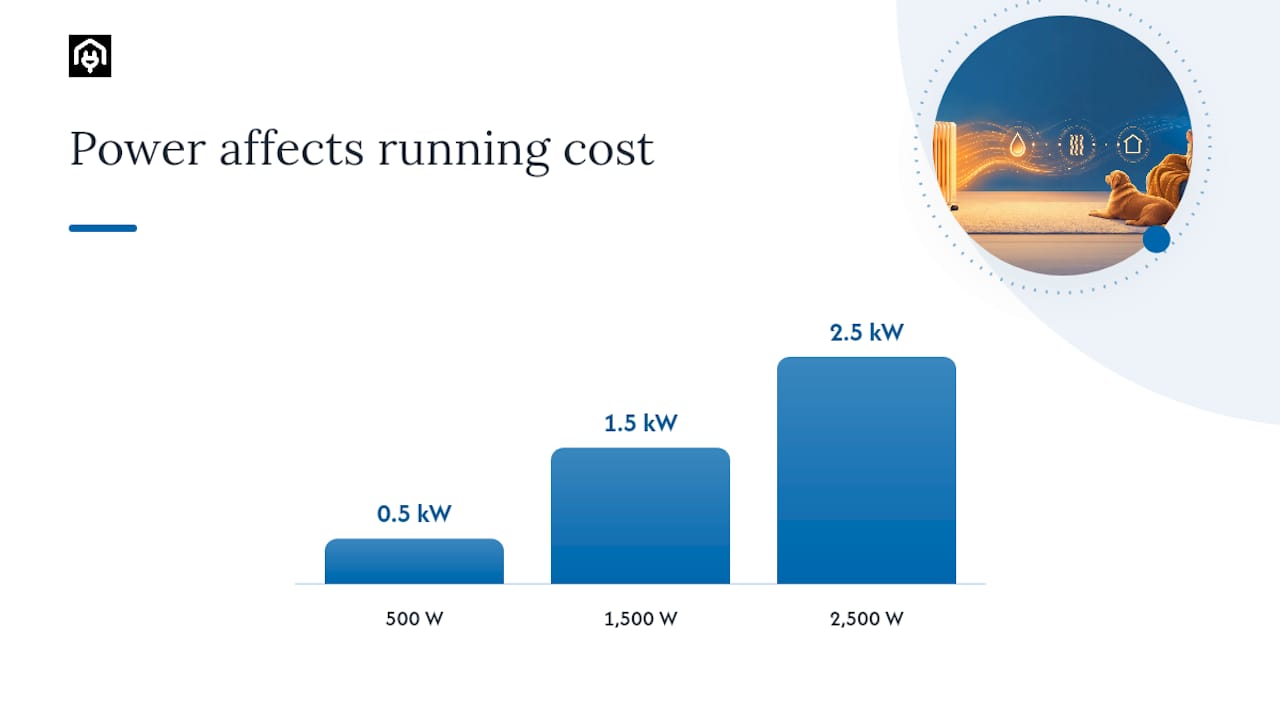
Units typically range from around 500 W for a small bedroom model up to 2,500 W for larger living spaces, and come as freestanding models on castors or, less commonly, wall-mounted versions.
How the electrical element heats the oil and warms the room
Heat moves through an oil-filled radiator in a specific sequence, and understanding it explains why these heaters behave so differently from a fan heater.
- Resistive heating: electricity passes through the submerged element, and electrical resistance converts that energy directly into heat, warming the oil immediately around it.
- Internal convection: heated oil becomes less dense and rises through the sealed columns, while cooler oil sinks to take its place, setting up a continuous circulation loop that spreads warmth evenly through the reservoir.
- Conduction through the metal: as hot oil moves against the internal walls of the columns, heat conducts through the metal to the outer surface of the radiator.
- External radiation and convection: the warm metal surface radiates infrared heat directly to nearby objects and people, while also warming the air in contact with it, which rises and drives convection currents around the room.
Manufacturers use specialised thermal oil, or in some cases a water and glycol mix, because it combines a high heat capacity with a high boiling point and built-in corrosion inhibitors, according to Elegant Radiators. That heat capacity is the whole point: the oil can absorb and hold a large amount of energy without needing to reach dangerously high temperatures, which is what allows it to keep releasing warmth long after the current stops flowing through the element, as Homebuilding explains.
Pro Tip: Stand a hand near the top columns first when a radiator is switched on. Warm oil rises, so the upper sections heat noticeably before the base, which is a quick way to check the internal convection loop is working properly.
Why oil-filled radiators keep heating after they switch off
Thermal inertia is the property that defines how an oil-filled radiator behaves, and it is largely down to the sheer volume of oil sitting inside the columns. That oil acts as a thermal battery: it takes a while to heat up, but once hot, it releases that stored energy slowly rather than dumping it all at once.
In practice, this shows up in two ways:
- Slower warm-up: oil-filled models take noticeably longer to reach full output than a fan heater, because the element has to heat the entire oil volume, not just a thin wire.
- Extended cool-down: Which? testing found oil-filled radiators typically continued emitting useful warmth for around 30 minutes or longer after being switched off.
That lag at both ends changes how the room actually feels. Temperatures stay steadier because the radiator does not swing rapidly hot and cold the way a thermostatically cycling fan heater can, and the element switches on and off less frequently to maintain a set point. This makes oil-filled radiators well suited to background heating in a room occupied for hours at a time, such as a home office or a living room in the evening, rather than for a quick blast of warmth before leaving the house.
A fan heater or convector heater, by contrast, has almost no thermal mass beyond a thin element or wire, so it reaches temperature fast and cools just as fast the moment it is turned off. Neither behaviour is wrong. It depends entirely on whether the priority is instant heat or sustained, even warmth.
What oil-filled radiators cost to run
Electric heaters, including oil-filled models, convert essentially all of their electrical input into heat at the point of use, which Homebuilding confirms is a near 100% efficiency rate. That figure only measures how much of the electricity becomes heat in the room. It says nothing about how much electricity a heater actually draws over an evening, or how that compares with heating an entire home through a central system.
Working out running cost is simple arithmetic:
- Convert the wattage to kilowatts (a 1,500 W radiator is 1.5 kW).
- Multiply that figure by the electricity price per kWh on your tariff.
- Multiply by the number of hours in use to get a total cost.
Ideal Home’s worked examples cover common models from 500 W up to 2,500 W, and the per-hour cost scales directly with wattage. This is where thermal inertia earns its keep financially: because the oil keeps radiating heat after the element cuts out, a well-set thermostat can allow longer off periods without the room cooling noticeably, trimming the total time the element actually draws power. That advantage shrinks in a draughty room where heat escapes as fast as it is produced, so correct sizing and reasonable insulation matter as much as the heater itself. Using a thermostat and timer properly, choosing a wattage matched to the room size, and draught-proofing gaps around doors and windows all help keep the running cost close to the worked examples rather than above them.
Safety features, maintenance, and the oil-refilling myth
Oil-filled radiators are generally regarded as one of the safer portable heater types because they have no exposed element and no fan drawing air across a hot wire. Most models on the market today include:
- An overheat cut-out that shuts the element off if internal temperature rises beyond a safe limit
- A tip-over switch that cuts power if the unit is knocked over
- Cooler-touch casings compared with bar or fan heaters, though the metal still gets hot enough to cause burns on prolonged contact
Maintenance is minimal. Wiping dust from between the fins keeps airflow and radiation efficient, but there is no routine oil top-up required, because the reservoir is factory-sealed for the life of the product. The oil is never consumed or used up in normal operation, so claims that a radiator “needs refilling” are a persistent myth. If a unit does develop a leak, that is a fault rather than something to top up: the seal should not be opened, and a leaking radiator should be replaced rather than repaired at home.
Pro Tip: Keep at least 50cm of clearance around a running radiator, particularly from curtains and furniture, and position freestanding units where children and pets cannot easily pull them over.
Where portable heating fits in whole-home efficiency
A single oil-filled radiator warms a room, but it does nothing to change how efficiently a building holds heat in the first place. Portable heaters do not feature in an Energy Performance Certificate assessment, and running one in a poorly insulated home will not shift an EPC rating however consistently it is used.
That distinction matters for anyone weighing up short-term comfort against longer-term costs:
- Fabric improvements, such as loft and wall insulation, reduce the heat a room loses in the first place, which portable heating can never do on its own
- A full heating system upgrade is worth considering when several rooms need constant heating, rather than running multiple portable units
- Tracking actual bill changes over a few weeks of use gives a clearer picture than assumptions, and a proper home energy assessment will show whether the building itself, not just the heater, is the bigger factor in high energy costs
When an oil-filled radiator actually makes sense
Oil-filled radiators earn their keep in specific situations rather than as a universal fix. They suit a single room used for hours at a stretch, such as a study or a spare bedroom turned home office, where quiet, steady background heat matters more than an instant blast of warmth. Anyone sensitive to fan noise, or heating a room overnight, tends to get more from the slow, even output than from a convector or fan heater.
They make less sense as the answer to a cold hallway used for thirty seconds at a time, or as a stand-in for heating an entire home. For that, whole-house solutions and proper insulation do more for less ongoing cost. A simple checklist before buying: match the wattage to the room size, check for a built-in thermostat and timer, confirm there is enough clearance for safe use, and treat the radiator as a comfort tool rather than a fix for a building that loses heat too fast to hold.
— Danny
Sources
Claims in this guide draw on independent testing from Which?, technical explanations from Homebuilding, running-cost worked examples from Ideal Home, and component detail from House Happy.
- How do oil-filled radiators work? A complete guide | Homebuilding
- Best oil filled radiators – Which?
- How much does it cost to run an oil-filled radiator? | Ideal Home
FAQ
What are the disadvantages of oil-filled radiators?
They heat up more slowly than fan heaters, so a room takes longer to feel warm, and their weight and size make them less portable than smaller convector models.
Do oil-filled radiators have to be refilled?
No. The thermal oil is sealed inside the unit at the factory and is never consumed, so there is nothing to top up under normal use.
Can I leave an oil-filled radiator on all night?
Modern units include overheat cut-outs and tip-over switches that make overnight use reasonably safe, but a thermostat should be set to a sensible temperature and the radiator kept clear of curtains, bedding, and furniture.