

TL;DR:
- Heating and cooling systems are the main sources of energy waste in buildings, wasting nearly half of energy bills. Addressing duct leaks, insulation, and behavioral controls can significantly reduce HVAC energy consumption and improve efficiency. Conducting energy audits helps prioritize cost-effective upgrades before investing in equipment replacements.
Heating and cooling systems are the single largest source of energy waste in buildings, accounting for nearly 50% of energy bills in residential and commercial properties alike. The term “energy waste” covers what industry professionals call parasitic consumption, the energy a building uses without delivering any useful output. For UK property owners and managers facing tightening EPC requirements and volatile energy costs in 2026, identifying the top energy waste sources is no longer optional. This guide covers the main culprits, from HVAC inefficiencies and phantom loads to structural air leaks, and sets out practical steps for reducing energy waste across your portfolio.
1. Why heating and cooling systems are the top energy waste sources
Heating and cooling represent the largest single drain on building energy budgets. Duct leaks alone waste 20–30% of all conditioned air before it reaches the intended space. That means a significant portion of every pound spent on heating or cooling simply escapes through poorly sealed ductwork.
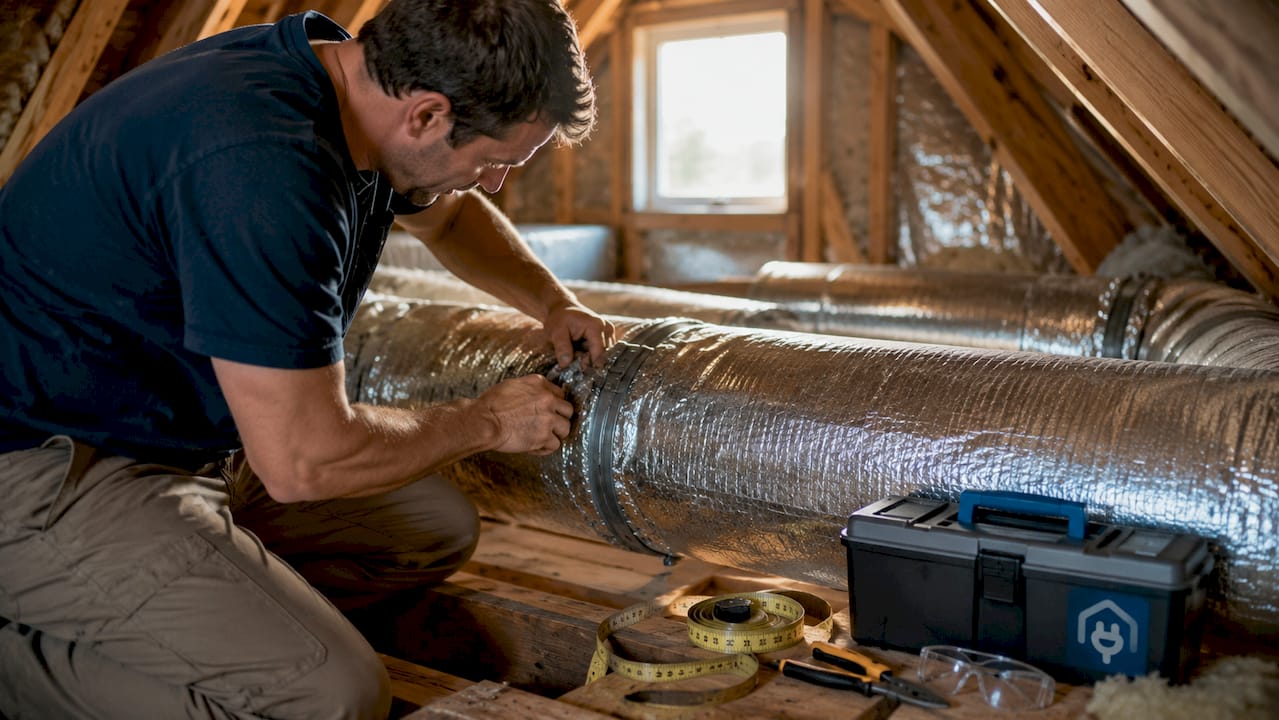
Insulation quality compounds the problem. Boosting attic and crawl space insulation can save up to 10% on annual heating and cooling costs. Combined with duct sealing, the total saving on HVAC energy can reach 10–20%.
Smart thermostats address the behavioural side of HVAC waste. Setting back temperature by 7–10°F for 8 hours per day reduces heating and cooling costs by 7–10%. For property managers overseeing multiple units, automated setback schedules deliver consistent savings without relying on occupant behaviour.
Key HVAC waste reduction measures include:
- Seal and insulate all accessible ductwork
- Install programmable or smart thermostats with setback schedules
- Upgrade to higher-efficiency HVAC units when systems reach end of life
- Check and replace air filters every one to three months
Pro Tip: Schedule annual HVAC tune-ups covering lubrication, cleaning, and coolant checks. Neglected systems work harder over time, compounding energy waste in ways that are invisible until the utility bill arrives.
2. How standby power creates invisible energy loss
Standby power, often called phantom load, is the electricity consumed by devices that remain plugged in but are not actively in use. Standby power accounts for 5–10% of total household electricity use. That figure translates to a meaningful cost across a managed property portfolio.
UK households may waste up to £80 annually from appliances left on standby. For a landlord managing ten or more properties, that figure scales quickly. The good news is that phantom loads are among the lowest-cost energy losses to address.
Practical steps for reducing standby waste include:
- Fit smart power strips that cut power to idle devices automatically
- Install smart plugs with scheduling functions on televisions, gaming consoles, and audio equipment
- Set computers and monitors to enter sleep mode after five minutes of inactivity
- Brief tenants on the financial benefit of switching devices off at the wall
Property managers can go further by specifying low-standby appliances in new lettings and refurbishments. Homeenergymodel provides guidance on reducing standby power across UK properties, including which device categories carry the highest phantom loads.
3. Lighting and appliances as common energy draining culprits
Inefficient lighting is one of the most straightforward common energy loss causes to fix. Energy efficient LEDs use 75% less energy than incandescent bulbs and last 10–25 times longer. The payback period on a full LED retrofit in a commercial property is typically under two years.
Appliances, particularly older refrigerators and washing machines, run continuously and consume disproportionate amounts of electricity. Energy efficient appliances typically use 10–40% less energy than standard models. ENERGY STAR certified equipment meets independently verified efficiency thresholds and often qualifies for supplier rebates.
Occupancy and daylight sensors add a further layer of control. Sensors can reduce lighting energy by an additional 10–30% by switching lights off in unoccupied spaces and dimming them when natural light is sufficient. In commercial buildings with high occupancy variation, sensors deliver savings that manual switching cannot match.
| Technology | Energy saving vs. standard | Typical lifespan |
|---|---|---|
| LED bulbs | Up to 75% less energy | 15,000–25,000 hours |
| ENERGY STAR appliances | 10–40% less energy | Varies by product |
| Occupancy sensors | 10–30% additional saving | 10+ years |
| Daylight sensors | 10–30% additional saving | 10+ years |
4. Structural inefficiencies: insulation, air sealing, and hidden losses
Structural energy waste is the category most property managers underestimate. Air leaks around windows, doors, and poorly sealed ductwork force heating and cooling systems to work harder than necessary. Combined air sealing and insulation can cut heating and cooling costs by up to 15%. That saving recurs every year without further intervention.
Low-cost measures deliver results faster than most owners expect. Door sweeps, draught excluders, and weatherstripping around window frames cost very little and reduce air infiltration immediately. These are behavioural and structural fixes that any property manager can implement without specialist contractors.
For commercial buildings, invisible leaks in compressed air systems represent a separate but significant problem. Acoustic imaging technology can detect leaks up to 20 metres away, identifying faults that are completely undetectable by ear. Fixing these leaks can reduce base energy demand by 20–25% in industrial and larger commercial settings.
Pro Tip: Commission a thermal imaging survey before winter. Thermal cameras reveal cold bridges, missing insulation, and air gaps in the building fabric that standard visual inspections miss entirely.
Distinguishing structural waste from behavioural waste matters for budgeting. Behavioural changes, such as switching off lights, deliver immediate savings at zero capital cost. Structural upgrades, such as cavity wall insulation or window replacement, require upfront investment but deliver lasting ROI of 10–30% over the asset’s life.
5. How to prioritise energy waste reduction for property managers
Effective energy waste management starts with knowing where energy is wasted before spending any capital. Energy audits and monitoring systems identify unseen inefficiencies that utility bills alone cannot reveal. A half-day audit on a mid-sized commercial property routinely uncovers savings that dwarf the audit cost.
A practical prioritisation framework for property managers:
- Conduct a baseline audit. Measure current consumption by zone and end use. Identify the three highest-cost areas.
- Address behavioural waste first. Implement setback schedules, standby controls, and occupancy sensors. These cost little and produce results within the first billing cycle.
- Seal and insulate. Tackle ductwork, windows, and doors before investing in new equipment. Sealing existing systems costs far less than replacing them.
- Upgrade lighting. Replace remaining incandescent or fluorescent fittings with LEDs. Prioritise high-use areas such as corridors, car parks, and common areas.
- Plan appliance and HVAC upgrades. Replace equipment at end of life with ENERGY STAR or equivalent certified models. Avoid premature replacement unless the efficiency gap is severe.
- Monitor continuously. Install sub-metering or smart monitoring to track savings and catch new inefficiencies as they emerge.
UK property managers also need to consider EPC ratings. Properties with poor ratings face letting restrictions under current Minimum Energy Efficiency Standards (MEES). Improving an EPC rating from E to C through targeted upgrades protects rental income and future-proofs the asset against tightening regulations. Homeenergymodel’s guidance on smart building efficiency covers which technologies deliver the strongest EPC improvements in 2026.
Key takeaways
Heating, cooling, and standby power together account for the majority of avoidable energy waste in UK buildings, and addressing them in sequence delivers the fastest return on investment.
| Point | Details |
|---|---|
| HVAC is the largest waster | Heating and cooling account for nearly 50% of energy bills; duct sealing alone saves 10–20%. |
| Phantom loads add up fast | Standby power costs UK households up to £80 per year; smart plugs and strips eliminate most of it. |
| LEDs cut lighting waste by 75% | Replacing incandescent bulbs with LEDs is the fastest lighting upgrade with the shortest payback. |
| Structural fixes compound savings | Combined air sealing and insulation cuts heating and cooling costs by up to 15% annually. |
| Audit before you spend | Energy audits identify where losses are highest, preventing capital being spent on the wrong upgrades. |
Why the order of fixes matters more than the fixes themselves
Property managers often ask which single upgrade delivers the best return. The honest answer is that the order of intervention matters more than any individual measure.
Fixing a boiler before sealing the building fabric is a common and costly mistake. The new boiler works harder than it should because conditioned air still escapes through gaps in the envelope. The efficiency gain on paper never materialises in practice. I have seen this pattern repeatedly in portfolios where capital was spent on equipment before the basics were addressed.
The sequence that consistently works is: audit, then seal, then control, then upgrade. Behavioural controls cost almost nothing and should be implemented immediately. Structural sealing follows because it reduces the load on every system in the building. Equipment upgrades come last, sized correctly for the now-reduced demand. This order also aligns with how the Home Energy Model (HEM) assesses building performance, rewarding fabric efficiency before system efficiency.
With energy market volatility showing no sign of easing in 2026, wasted energy represents the cheapest available capital for property improvements. Every kilowatt-hour saved is a pound that does not leave the building. The ENERGY STAR programme frames efficiency as a financial hedge, not just an environmental obligation. That framing is correct, and property managers who adopt it make better investment decisions.
The properties that perform best under MEES and the incoming HEM framework are not those with the newest equipment. They are the ones where the building fabric, controls, and occupant behaviour all work together. Getting there requires a plan, not just a product.
— Danny
How Homeenergymodel supports efficient energy management
Homeenergymodel is a dedicated resource for UK landlords and property managers navigating energy efficiency requirements in 2026. The site covers the Home Energy Model (HEM), the government methodology replacing SAP for assessing building energy performance under the Future Homes Standard. Understanding how HEM scores your property is the first step toward knowing which energy waste sources to tackle and in what order.
For landlords managing multiple properties, the types of home energy models for landlords guide sets out which assessment approaches apply to different property types and tenancy arrangements. Homeenergymodel also provides practical guidance on calculating energy savings for UK properties, helping owners build a business case for upgrades before committing capital.
FAQ
What is the biggest source of energy waste in a building?
Heating and cooling systems are the largest single source, accounting for nearly 50% of energy bills in most buildings. Duct leaks alone waste 20–30% of conditioned air.
How much does standby power cost UK households?
Standby power accounts for 5–10% of total household electricity use and can cost up to £80 per year per household. Smart plugs and power strips eliminate most of this cost.
What is the fastest energy efficiency upgrade for a property?
Replacing incandescent bulbs with LEDs is the fastest upgrade, cutting lighting energy by up to 75% with a payback period of under two years in most properties.
How do energy audits help with energy waste management?
Energy audits identify which areas of a building consume the most energy and where losses are occurring, enabling targeted spending rather than guesswork on upgrades.
How does improving energy efficiency affect an EPC rating?
Targeted upgrades such as insulation, LED lighting, and HVAC improvements directly raise a property’s EPC rating, which protects rental income under MEES and reduces the risk of future compliance penalties.