

Households across the UK spend over £500 a year on electricity, yet many appliances quietly drain far more power than expected. Saving energy starts with understanding how these devices work behind the scenes. Whether you want to cut your bills or reduce your carbon footprint, smarter appliance choices can make a real difference. This guide breaks down simple steps to spot wasted energy, choose better appliances, and create an efficient home without stress.
Table of Contents
- Step 1: Assess Current Appliance Efficiency
- Step 2: Identify Key Appliances For Upgrade
- Step 3: Select Energy-Efficient Models For Your Needs
- Step 4: Install And Configure Appliances Correctly
- Step 5: Monitor Performance And Energy Savings
- Step 6: Verify Compliance With Energy Standards
Quick Summary
| Key Point | Explanation |
|---|---|
| 1. Assess appliance efficiency systematically | Gather power ratings and operational duration to evaluate your appliances’ energy usage for potential savings. |
| 2. Identify high-energy consuming appliances | Focus on upgrading appliances like refrigerators and washing machines to improve overall energy efficiency. |
| 3. Choose highest energy efficiency ratings | Select appliances with top energy ratings to ensure lower long-term running costs and reduced consumption. |
| 4. Ensure proper installation and configuration | Correctly install your appliances to maximize performance, including following manufacturer’s setup guidelines. |
| 5. Continuously monitor energy performance | Track your appliances’ energy use regularly to identify savings and inform future upgrades or changes in usage. |
Step 1: Assess current appliance efficiency
Understanding the energy consumption of your household appliances is the first critical step towards creating an energy smart home. In this section, you will learn how to systematically evaluate the efficiency of your current appliances and identify potential areas for energy savings.
According to Energy Savers, assessing appliance efficiency involves examining two key aspects: power ratings and operational duration. Start by gathering the technical specifications for each major appliance, which typically include wattage and annual energy consumption details printed on the product label or user manual. Create a simple spreadsheet listing each appliance and its corresponding energy usage to get a comprehensive overview.
To make this process more precise, leverage tools like the Consumer Council’s Appliance Cost Checker, which can help estimate running costs and compare energy efficiency across different models. Look for key indicators such as energy star ratings, annual electricity consumption figures, and comparative performance metrics. Pay special attention to high energy consumers like refrigerators, washing machines, and heating systems, as these typically represent the most significant opportunities for efficiency improvements.
A helpful tip is to conduct an energy audit over a month by tracking actual electricity usage. Some modern smart meters can help you monitor real time consumption, providing insights beyond manufacturer specifications. This practical approach will give you a more accurate picture of how your appliances perform in your specific household context.
By systematically assessing your current appliance efficiency, you are laying the groundwork for potential energy savings and more sustainable home management. In the next step, you will learn how to compare your findings against modern energy efficient alternatives.
Step 2: Identify key appliances for upgrade
Now that you have assessed your current appliance efficiency, it is time to pinpoint which specific household devices are prime candidates for an energy efficient upgrade. Understanding which appliances consume the most electricity will help you prioritise your investment and maximise potential energy savings.
According to National Energy Action, identifying key appliances for upgrade involves carefully examining running costs and energy consumption patterns. Focus initially on high energy consuming appliances such as refrigerators, washing machines, tumble dryers, electric ovens, and heating systems. These devices typically represent the largest portion of household electricity usage and offer the most significant opportunities for efficiency improvements.
AMDEA’s Know Watts What initiative recommends a strategic approach before replacing appliances. Consider the age and condition of your current devices. Older appliances manufactured before 2010 are likely to be significantly less energy efficient compared to modern models. Additionally, assess whether repair or maintenance might extend an appliance’s lifespan and improve its performance before investing in a complete replacement.
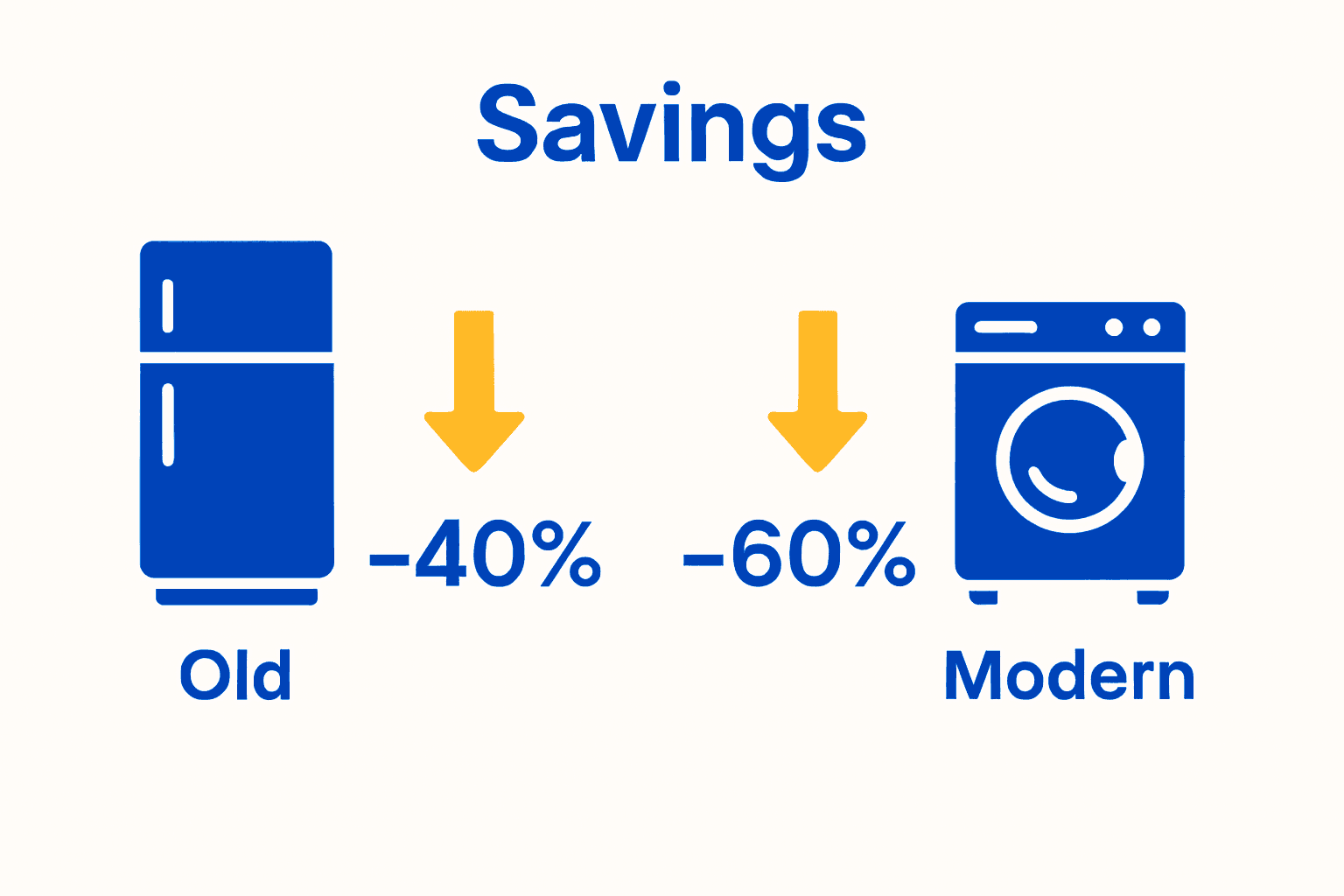
A practical tip is to calculate the annual running costs of each major appliance. Compare these costs against the energy ratings of newer models available in the market. Look for appliances with the highest energy efficiency ratings which can provide substantial long term savings. Modern appliances often consume up to 50% less energy compared to models from a decade ago.
By methodically identifying and prioritising appliances for upgrade, you are taking a significant step towards creating an energy smart home. In the next section, you will learn how to select the most appropriate energy efficient replacements that align with your household needs and budget.
Step 3: Select energy-efficient models for your needs
With a clear understanding of your current appliance efficiency, you are now ready to select the most appropriate energy-efficient models that will help reduce your household energy consumption and lower utility bills. This crucial step involves careful research and strategic decision making.
According to One Home, choosing energy-efficient appliances requires understanding the critical energy rating labels that range from G (least efficient) to A (most efficient). When shopping for new appliances, prioritise models with the highest efficiency ratings. These ratings provide a clear indication of an appliance’s potential energy consumption and long-term running costs.
Citizens Advice recommends looking beyond the initial purchase price and calculating the total lifecycle cost of an appliance. This means considering not just the upfront expense but also the projected energy consumption over several years. Modern energy-efficient models might have a higher initial cost but can generate significant savings through reduced electricity usage.
A practical tip is to compare the annual running costs of different models before making a purchase. Many retailers now display estimated yearly energy consumption alongside the price tag, which can help you make a more informed decision. Look for appliances with advanced energy-saving technologies such as inverter compressors in refrigerators or heat pump technology in tumble dryers.
By carefully selecting energy-efficient models tailored to your specific household needs, you are investing in both financial savings and environmental sustainability. In the next section, you will learn how to implement these new appliances effectively to maximise their energy-saving potential. Energy-saving appliances guide can provide additional insights into the latest efficient home technologies.
Step 4: Install and configure appliances correctly
With your new energy-efficient appliances selected, the next critical step is ensuring proper installation and configuration to maximise their performance and energy-saving potential. This process involves more than simply plugging in your devices and hoping for the best.
UK Metric Association emphasises the importance of precise measurements and placement when installing appliances. Before installation, carefully measure your available space and ensure each appliance fits perfectly. For kitchen appliances, pay special attention to ventilation requirements and electrical outlet proximity. Proper positioning can significantly impact an appliance’s efficiency and longevity.
AMDEA’s Know Watts What initiative recommends taking time to understand each appliance’s specific configuration settings. Modern energy-efficient models often include multiple operating modes designed to reduce energy consumption. Take time to read the user manual and explore settings like economy mode, smart start features, and programmable timers that can help minimise unnecessary energy usage.
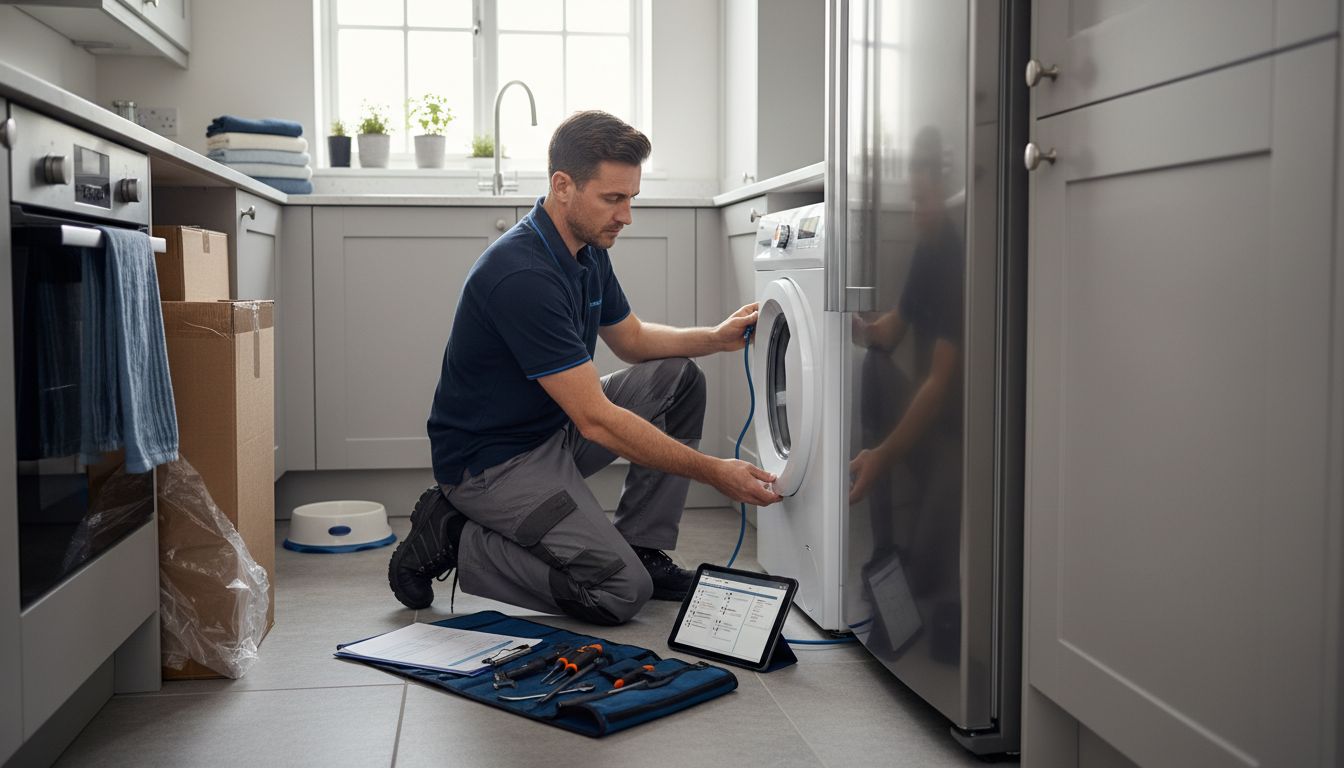
A practical tip is to create a dedicated installation checklist for each appliance. This should include checking electrical connections, ensuring proper levelling for items like washing machines, verifying water and drainage connections, and confirming that ventilation requirements are met. Many people overlook these details, but they can dramatically impact an appliance’s performance and energy efficiency.
By meticulously installing and configuring your new appliances, you are setting the foundation for long-term energy savings and optimal performance. In the next section, you will learn how to maintain these appliances to sustain their efficiency over time.
Step 5: Monitor performance and energy savings
With your energy-efficient appliances now installed, the final crucial step is establishing a systematic approach to monitoring their performance and tracking the actual energy savings you are achieving. This ongoing process will help you understand the real-world impact of your investment and identify opportunities for further improvements.
NetRegs recommends conducting regular walk-round surveys and keeping meticulous records of your energy consumption. Start by obtaining a baseline measurement of your current energy usage before implementing your new appliances. This will provide a clear point of comparison to evaluate the actual efficiency gains. Consider using smart meters or dedicated energy monitors that can provide real-time insights into your household’s electricity consumption.
Energy Guide suggests using plug-in energy monitors to track individual appliance performance. These devices can help you understand the specific energy consumption of each device, allowing you to identify any unexpected energy drains or inefficiencies. Look for patterns in usage and be prepared to adjust your habits or settings to optimise energy savings.
A practical tip is to create a monthly energy tracking spreadsheet where you record meter readings, total energy consumption, and compare these figures against previous months. This systematic approach will help you visualise your progress and make data-driven decisions about your energy usage. Smart home energy saving habits guide can provide additional strategies for maintaining energy efficiency.
By consistently monitoring and analysing your appliance performance, you transform energy efficiency from a one-time upgrade to an ongoing process of continuous improvement. Your commitment to tracking energy consumption will not only reduce your utility bills but also contribute to a more sustainable household.
Step 6: Verify compliance with energy standards
As you complete your journey towards creating an energy efficient home, the final crucial step is ensuring that your appliances and upgrades meet current UK energy standards and regulations. This verification process protects your investment and confirms that your efforts align with national energy efficiency guidelines.
UK Standards recommends a comprehensive approach to reviewing equipment compliance. Begin by gathering documentation for each appliance, including energy performance certificates, manufacturer specifications, and efficiency ratings. Pay special attention to key areas such as equipment controls, maintenance records, and performance metrics that demonstrate adherence to current energy efficiency standards.
AMDEA’s Know Watts What initiative emphasizes the importance of understanding the broader context of appliance efficiency. Look beyond individual device ratings and consider how your entire home ecosystem contributes to overall energy performance. Check that your appliances not only meet minimum regulatory requirements but also represent best practices in energy conservation.
A practical tip is to conduct an annual review of your appliances energy performance. Keep detailed records of energy consumption, maintenance, and efficiency ratings. This proactive approach will help you stay ahead of changing regulations and identify opportunities for future upgrades. Understanding Part L Compliance guide can provide additional insights into current building and energy efficiency standards.
By carefully verifying compliance with energy standards, you are not just meeting regulatory requirements but actively contributing to a more sustainable and efficient home environment. Your commitment to energy efficiency goes beyond individual appliances and represents a meaningful contribution to broader environmental goals.
Make Your Home Truly Energy-Smart with Trusted Guidance
Choosing and managing energy-efficient appliances can feel overwhelming as regulations tighten and new technologies emerge. This guide highlighted the importance of assessing current appliances, selecting high-rated energy models, and monitoring performance to save energy and reduce bills. Many homeowners share the worry of meeting upcoming standards like the Home Energy Model (HEM) set to replace SAP in 2025 while keeping their properties compliant and cost-effective.
Take control of your home’s energy future today by exploring Home Energy Model’s expert insights on the changes in energy assessment. Discover practical advice on aligning your appliance upgrades with the new methodology and learn how to optimise your property’s energy performance with clear, reliable information. Act now to stay ahead of evolving energy standards and maximise the benefits of your energy-smart investments.
Frequently Asked Questions
How can I assess the current efficiency of my household appliances?
To assess your current appliance efficiency, start by gathering the wattage and energy consumption details from product labels or manuals. Create a spreadsheet to organize this data and track actual usage over a month to identify high energy consumers.
What appliances should I prioritize for an energy-efficient upgrade?
Focus on upgrading high energy-consuming appliances such as refrigerators, washing machines, and heating systems, as these represent the largest portion of your electricity usage. Evaluate their age and condition to determine if replacement or repair is the best option for energy savings.
What features should I look for when selecting energy-efficient models?
When selecting energy-efficient appliances, prioritize those with high energy ratings (A being the best) and advanced energy-saving technologies. Calculate the total lifecycle cost, including long-term energy consumption, to ensure substantial savings over time.
How can I ensure my new appliances are installed correctly for maximum efficiency?
To maximize efficiency, measure your installation space carefully and confirm that each appliance is set up according to specific configuration settings found in the user manual. Create a detailed installation checklist to verify that all connections and requirements are met.
What steps can I take to monitor the performance of my new appliances?
Establish a routine for monitoring your appliance performance by maintaining a monthly tracking spreadsheet for energy consumption. Use plug-in energy monitors to evaluate individual appliance usage and look for trends that could help you optimize their efficiency further.
How do I verify that my appliances comply with energy efficiency standards?
Review the energy performance documentation for each appliance, ensuring they meet current efficiency ratings and maintenance records. Conduct an annual review of your appliances to stay informed about any changes in regulations and identify future upgrade opportunities.