
The quickest way to conserve energy is to cut heating waste first, then hot water, then lighting and appliances. Heating is the largest energy use in most UK buildings, so a few changes there outweigh dozens of small habits. The 50 measures below are grouped by area and ordered roughly from free to larger investments. They suit homeowners, landlords, tenants and small workplaces.
TL;DR
- Heating and hot water are the biggest targets. Start with thermostat settings, boiler flow temperature and draught-proofing.
- Lighting is only around 5% of a typical home’s energy bill, according to the Energy Saving Trust, so treat it as a quick win, not the main event.
- Free habit changes come first. Insulation, controls and appliance upgrades follow, once the cheap measures are done.
- An EPC lists the improvements most relevant to a specific property, which turns a general list into a plan.
Table of Contents
- How to use this list
- Heating: ways 1 to 10
- Hot water: ways 11 to 17
- Insulation and draught-proofing: ways 18 to 27
- Lighting: ways 28 to 32
- Appliances and electronics: ways 33 to 42
- Habits, data and smart controls: ways 43 to 46
- Landlords, businesses and larger buildings: ways 47 to 50
- Which measures to do first
- Where an EPC fits in
- Perspective
- FAQ
- Sources
How to use this list
Not all 50 measures carry equal weight. The Energy Saving Trust says its ten quick tips could save up to £313 a year in Great Britain, and many need no spending at all. Work through the list in three passes:
- Free changes: habits and settings that cost nothing.
- Low-cost changes: draught excluders, LED bulbs, radiator reflectors, timers.
- Larger projects: insulation, heating controls, heat pumps and appliance replacement.
Savings overlap. Insulating a loft and lowering a thermostat both reduce the same heating demand, so the total will be smaller than adding each figure together.
Heating: ways 1 to 10
Space heating is where most households can save the most. These ten measures work with the existing system.
- Turn the thermostat down by one degree. A small reduction in room temperature cuts the amount of heat the boiler has to produce.
- Heat only the rooms in use. Thermostatic radiator valves allow bedrooms and spare rooms to run cooler.
- Set the timer to match the day. Heating should come on shortly before waking or arriving home and switch off before leaving or going to bed.
- Lower the boiler flow temperature. The Energy Saving Trust explains that many boilers are set higher than needed, and that adjusting gradually can keep a home comfortable while improving boiler efficiency. Make changes in small steps and check that the controls are set up correctly first.
- Bleed radiators. Trapped air leaves the top of a radiator cold. Releasing it restores even heat.
- Keep radiators clear. Sofas and long curtains in front of radiators absorb heat meant for the room.
- Fit reflector panels behind radiators on external walls. They push heat back into the room instead of through the wall.
- Service the boiler every year. A serviced boiler is less likely to break down in winter and runs as intended.
- Install a smart or programmable thermostat. Used with proper schedules, ENERGY STAR says a programmable thermostat can save about $180 a year in the United States. UK savings depend on the home and tariff.
- Use zone controls where possible. Separate heating zones for upstairs and downstairs stop the whole house heating to one temperature.
For a fuller walk-through of habits, see the guide on how to reduce home energy use.
Hot water: ways 11 to 17
Water heating is the second-largest energy use in many homes. The Seattle City Light data for US homes puts it at roughly 10 to 15% of home energy use. UK figures differ by property, but the principle holds.
- Take shorter showers. Every minute removed saves heated water directly.
- Fit a low-flow showerhead. Less water through the head means less to heat.
- Fix dripping hot taps. A steady drip wastes heated water around the clock.
- Insulate the hot water cylinder and pipes. A jacket and pipe lagging slow heat loss between heating cycles.
- Set the cylinder thermostat correctly. Water stored hotter than needed wastes energy.
- Wash dishes with a filled bowl, not a running tap. Hot water left running is hot water lost.
- Consider heat pump hot water. Where a property is suitable, heat pump hot water systems are one route to cutting water heating demand. A heat pump delivers 2 to 4 units of heat per unit of electricity, according to PowerHornet.
New-build homes must also meet water efficiency limits. Developers can find out how this is calculated on the page for water calculations under Part G.
Insulation and draught-proofing: ways 18 to 27
Heat leaves a building through gaps, walls, roofs and windows. The US Department of Energy describes air leaks as among the greatest sources of energy loss in a home. Stopping them is usually cheaper than replacing a boiler.
- Draught-proof doors. Brush strips and letterbox covers close the most obvious gaps.
- Draught-proof windows. Seals around sashes and casements stop cold air entering. The Consumer Council is not the only body to list this as a leading tip, but check the current figures with a UK source before relying on them.
- Re-seal window frames. Caulk cracks between frames and walls.
- Close curtains at dusk. Lined curtains reduce heat loss through glass.
- Block unused chimneys. An open flue pulls warm air out of the room. Use a proper chimney balloon or cap and keep any ventilation required for working appliances.
- Insulate the loft. Heat rises, and the roof is a major escape route in older properties.
- Insulate cavity walls where suitable. Cavity walls are common in homes built between 1920 and 1990, as the MoneySavingExpert guide notes. A surveyor should confirm suitability first.
- Insulate floors. Gaps between floorboards can be sealed on ground floors.
- Seal and insulate ducts. In homes with ducted systems, ENERGY STAR says sealing and insulating ducts can improve efficiency by as much as 20%.
- Combine measures. Air sealing, insulation and upgraded heating together typically yielded 25% or greater modelled savings in New Jersey retrofit homes. Do not expect the same result everywhere, since measured outcomes vary with the building.
Proper ventilation matters after sealing a home. Keep trickle vents and extractor fans working to manage moisture.
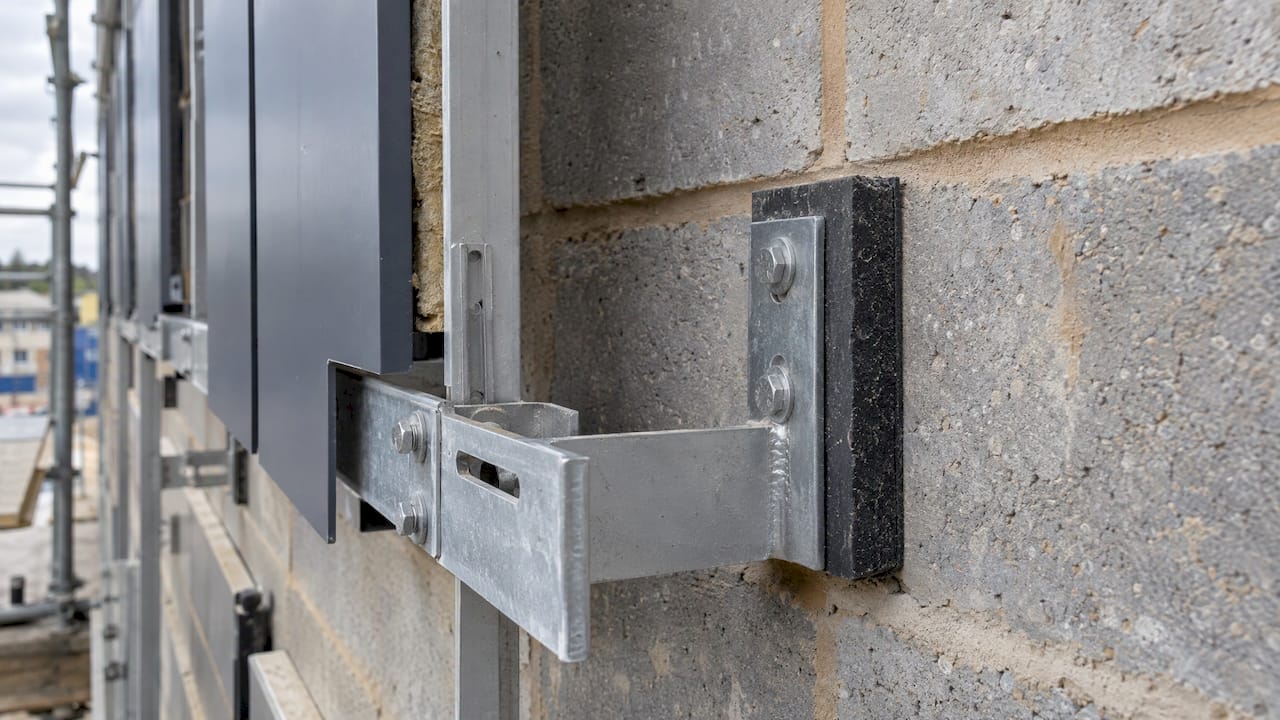
Building professionals specifying roofs and facades may also want to understand thermal spacer blocks and how they limit heat transfer through metal fixings.
Lighting: ways 28 to 32
Lighting is a small share of total use, so these are easy wins rather than major ones.
- Switch to LED bulbs. ENERGY STAR says qualified LEDs use up to 90% less energy than incandescent lighting and last 35 to 50 times longer.
- Turn lights off in empty rooms. It costs nothing.
- Use timers and motion sensors in halls, garages and outdoor areas. The US Department of Energy’s Energy Savers booklet notes these save more by reducing the hours lights stay on unused.
- Use task lighting. A desk or reading lamp can replace lighting a whole room.
- Clean bulbs and shades. Dust reduces light output, which leads people to add more lighting.
Appliances and electronics: ways 33 to 42
The Energy Saving Trust says a small number of appliances account for a large share of home electricity use, mainly those that heat, cool or run constantly. Washing machines, dishwashers, tumble dryers, fridges and freezers are among the biggest users.
- Wash at 30°C. Heating the water is the main energy cost of a wash.
- Run full loads. One full load beats two half loads.
- Air-dry clothes where possible. Tumble dryers are among the heaviest users in the home. In Australia, YourHome reports up to 10% of household energy for heavy dryer users.
- Clean the dryer filter after every load. Airflow affects drying time.
- Use eco programmes on dishwashers. They run longer but at lower temperatures.
- Set the fridge and freezer correctly. Keep them away from the oven and defrost freezers that ice up.
- Do not put hot food straight into the fridge. Let it cool first.
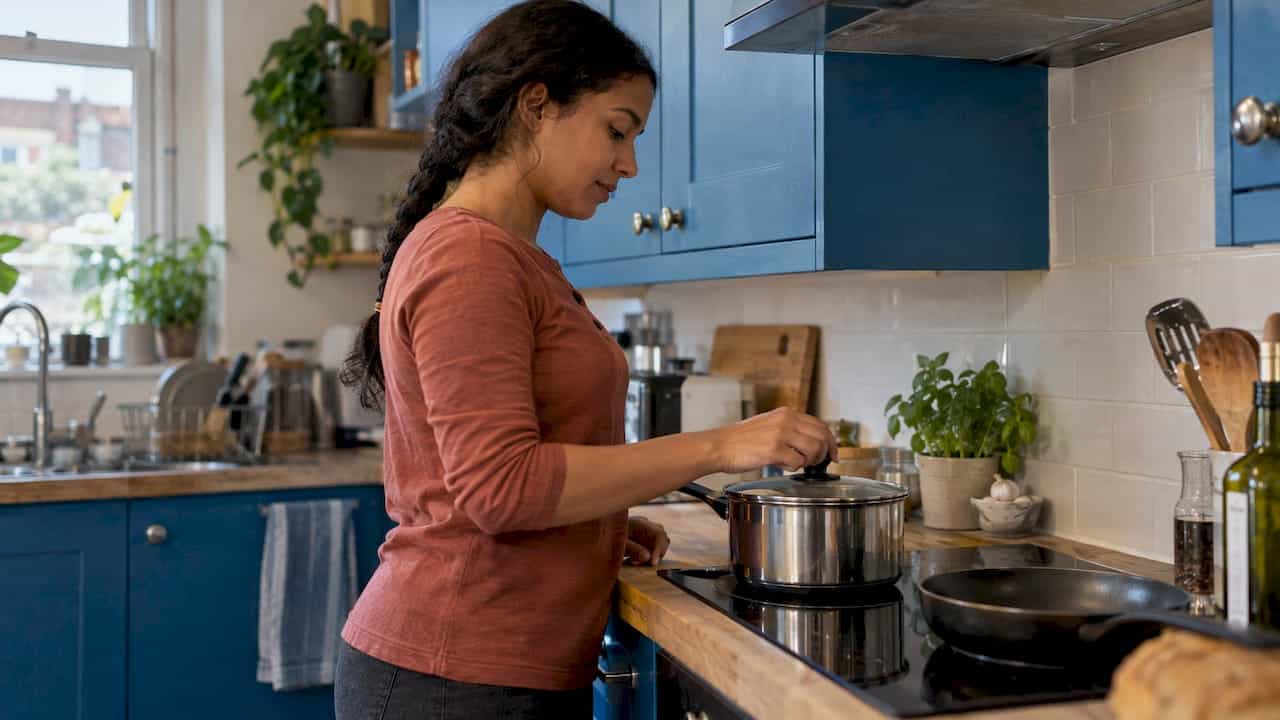
- Cook with lids on and match pan size to the hob ring. Less heat escapes.
- Use the microwave, air fryer or slow cooker for small meals. A full-size oven for one portion wastes energy.
- Switch off standby. The Energy Saving Trust has listed turning appliances off standby as a quick saving of around £30 a year in its top tips.
When an appliance fails, the guide to efficient appliances helps with choosing a replacement.
Habits, data and smart controls: ways 43 to 46
- Read the smart meter regularly. Seeing usage in real time shows which appliances drive the bill. The guide on using an EPC and smart meter together explains how to act on the readings.
- Set a household baseline. Note overnight usage with everything off. Anything above the minimum points to appliances left running.
- Use smart plugs for devices that sit idle. Scheduling cuts standby use on TVs, consoles and chargers.
- Agree household routines. Families can share responsibility for lights, heating and laundry. The energy saving actions for families page shows how.
Landlords, businesses and larger buildings: ways 47 to 50
- Start with simple, low-cost actions. Government guidance from New Zealand’s EECA advises building operators to begin with low-cost measures before complex ones.
- Assign energy management responsibility. The same guidance recommends an energy and carbon management plan with named owners.
- Maintain heating and cooling plant. The EECA checklist notes that blocked vents can raise the energy needed to distribute air by as much as 25%, and that annual maintenance with pre-season tune-ups lowers breakdown risk.
- Get the right assessment. An EPC identifies the improvements that matter for a specific property. Buildings with air conditioning systems may also need a TM44 inspection.
Which measures to do first
No source gives one saving figure that applies to every home, and a systematic review of residential retrofit programmes found mean measured savings of roughly 7.2%. That is a reason to prioritise carefully, not to skip measures. A practical order:
| Priority | Measures | Typical cost level |
|---|---|---|
| First | Thermostat, timer, flow temperature, standby, lights off | Free |
| Second | Draught-proofing, LED bulbs, radiator reflectors, pipe lagging | Low |
| Third | Loft and wall insulation, heating controls, ducts | Medium |
| Fourth | Heat pump, appliance replacement, glazing | Higher |
Pairing envelope upgrades with electrification can deliver more than each measure alone, according to the National Renewable Energy Laboratory documentation, and may reduce the heating equipment size needed. Insulate first, then size the new system.
For more detail by topic, see the guides to saving electricity at home and conserving electricity.
Where an EPC fits in
An Energy Performance Certificate rates a building’s efficiency and lists recommended improvements. For a landlord or buyer, it works as a starting checklist. The page on EPC energy saving tips shows how to read those recommendations, and the guide to EPC ratings explains the bands.
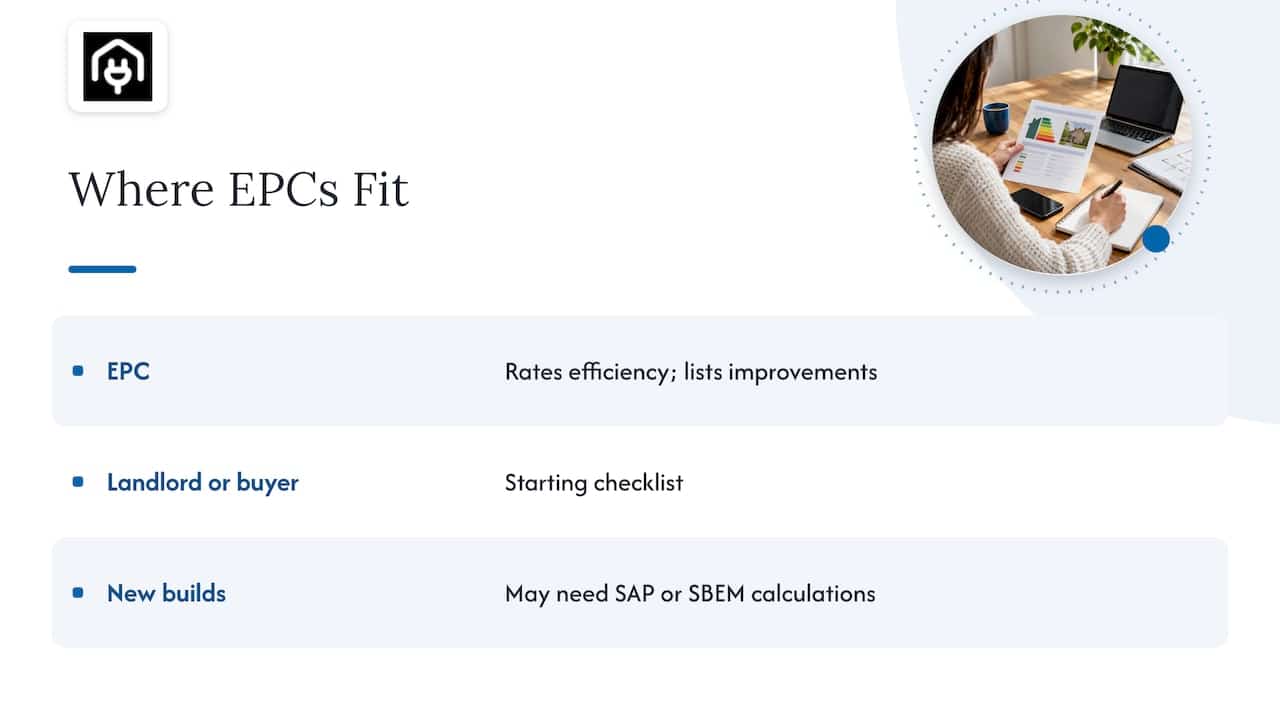
If a property needs a new certificate, quotes for a domestic EPC or a commercial EPC can be requested through the site’s online forms. New homes and commercial builds may also need SAP calculations or SBEM calculations.
Perspective
Most lists of energy tips treat every action as equal. They are not. In our experience of UK compliance work, the properties that cut energy use most are the ones where the owner first learned how the building performs: where heat escapes, which systems dominate demand and what the certificate recommends.
That is why we point readers to an EPC before a shopping list of upgrades. A certificate turns 50 general ideas into a short, ranked list for one property. For new builds, SAP and SBEM calculations do the same job before construction starts, when changes cost least. As the Home Energy Model replaces older methods, that early modelling becomes even more useful.
Our advice: do the free habits this week, book an assessment, and let the results decide where the money goes.
Danny
FAQ
What are five ways to save electricity at home?
Switch to LED bulbs, turn off standby devices, wash at lower temperatures, air-dry clothes when possible and use a smart meter to track usage. These need little or no spending. Together they cover lighting, appliances and awareness of what the home uses.
What appliances use the most energy?
Appliances that heat, cool or run constantly use the most, according to the Energy Saving Trust. Washing machines, dishwashers, tumble dryers, fridges and freezers rank high. Heating and hot water systems use more again.
What is the single biggest way to conserve energy?
For most homes, it is reducing heat loss and heating waste: insulation, draught-proofing and sensible controls. The exact answer depends on the property, which is why an EPC is a useful first step.
Do small habits make a real difference?
Yes, in combination. The Energy Saving Trust says its quick tips could save up to £313 a year in Great Britain. Larger upgrades then build on those savings.
Sources
- Energy Saving Trust: what appliances drive up bills
- Energy Saving Trust: quick tips to save energy
- Energy Saving Trust: boiler flow temperature
- Energy Saving Trust: top ten tips (PDF)
- MoneySavingExpert: energy saving tips
- ENERGY STAR: home-based business tips
- US Department of Energy: Energy Saver guide
- Energy Savers booklet
- New Jersey home retrofit study
- Envelope and electrification upgrade documentation
- Seattle City Light: what uses the most electricity
- YourHome: appliances and technology
- EECA commercial building checklist
- Systematic review of home retrofit programmes
- PowerHornet: what uses the most electricity