
Imagine you’re about to rent or buy a property in the bustling city of London. You’re considering the aesthetic features, the location, and the price, but have you thought about the property’s energy efficiency? An Energy Performance Certificate (E) offers critical insights into this aspect, affecting both your wallet and your ecological footprint. In this article, we will navigate through the maze of EPC requirements, benefits, and its impact on property dealings in London. Buckle up as we unravel every detail you need to know to make informed decisions.
Understanding EPCs
What is an Energy Performance Certificate?
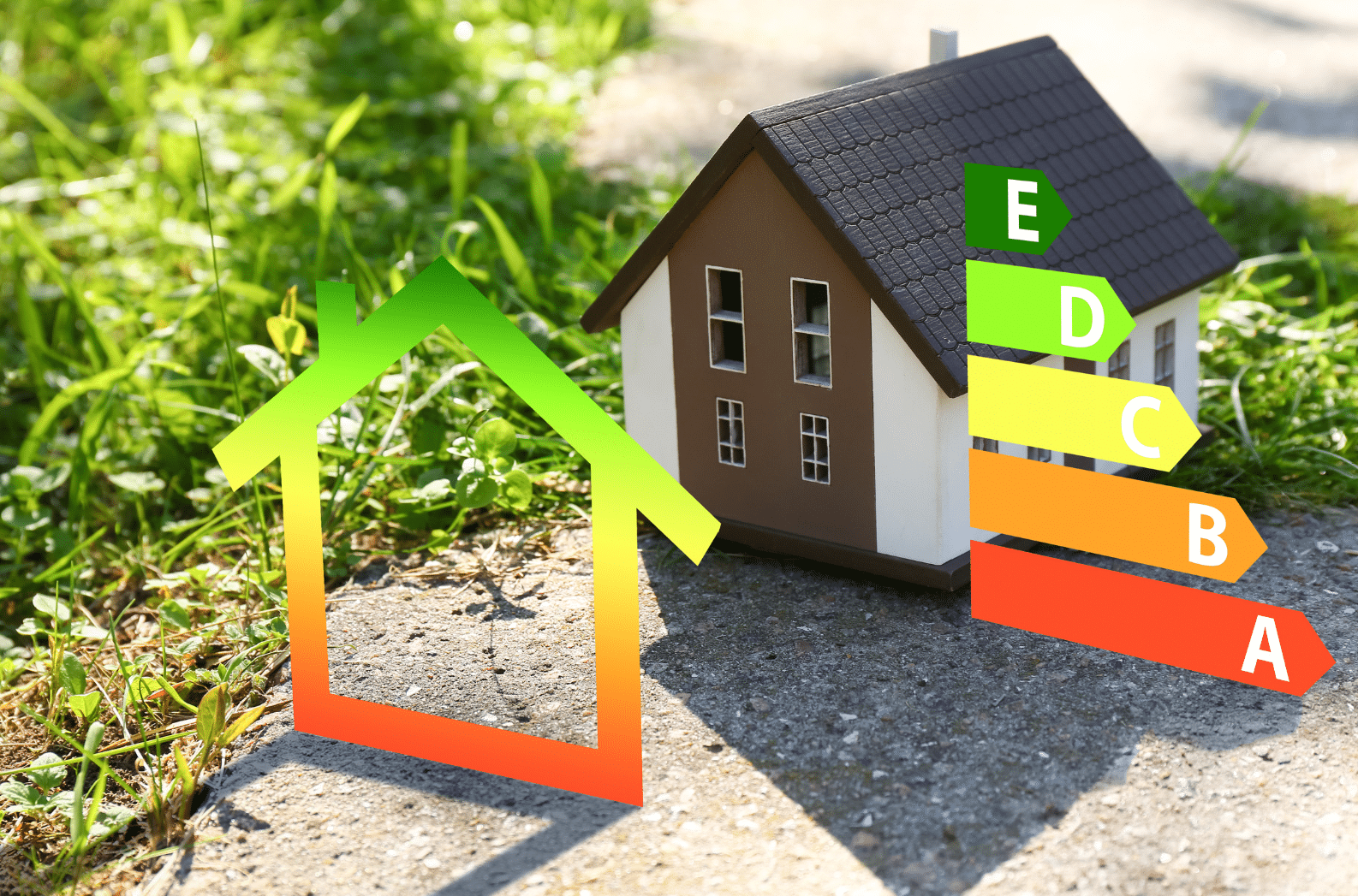
An Energy Performance Certificate is a standardised document that ranks properties in the UK based on their energy efficiency. It uses grades from A (most efficient) to G (least efficient), similar to the labels found on household appliances.
Purpose: The main intent behind an EPC is to inform homeowners, tenants, and potential buyers about the energy efficiency of a property.
Validity: An EPC is valid for ten years and is required whenever a property is built, sold, or rented.
Who Needs an EPC?
Homeowners: If you’re selling or renting your home, you need to provide a valid EPC to prospective buyers or tenants.
Landlords: It’s mandatory for landlords to hold and provide an updated EPC before leasing their property.
Builders: EPCs are also crucial when a new property is constructed, as they are part of the building regulation compliance.
Benefits of EPCs in London
Economic Advantages
On top of its environmental implications, having a good EPC rating can also offer economic benefits:
Increased Property Value: Properties with higher EPC ratings can attract a higher market value.
Savings on Utilities: Efficient properties consume less energy, which translates to lower utility bills.
Environmental Impact
Reducing energy consumption not only saves money but also lessens the environmental burden:
Reduced Carbon Footprint: Efficient homes contribute to lower carbon emissions.
Support for Sustainable Practices: EPCs encourage the adoption of energy-saving measures and sustainable living standards.
How to Obtain and Improve an EPC Rating
Obtaining an EPC
Acquiring an EPC involves a certified assessor visiting the property, performing an assessment, and then registering the certificate in the national EPC register.
Tips to Improve Your EPC Rating
Improving the EPC rating not only enhances property appeal but also promotes energy conservation. Here are several effective enhancements:
Insulation: Adding loft, wall, or floor insulation can significantly improve a property’s heat retention.
Upgraded Heating: Installing a more efficient boiler or heating system can have a dramatic impact.
Energy-Efficient Lighting: Switching to LED lighting reduces energy consumption.
Conclusion: The Importance of EPC in London’s Property Market
Energy Performance Certificates are more than just a bureaucratic necessity; they are a comprehensive guide to understanding and improving the energy efficiency of properties. For homeowners and potential buyers in London, they provide a snapshot of the potential energy costs and environmental impact associated with a property. As London moves towards a more sustainable future, the relevance of EPCs will only increase, making them a key factor in property transactions.
For those in the London housing market, either on the buying or leasing end, familiarising yourself with EPCs and striving for improvements in energy performance can yield significant long-term benefits, both economically and environmentally. Whether you’re a landlord, a seller, or a buyer, it pays to stay informed about EPCs and take proactive steps towards energy efficiency.