
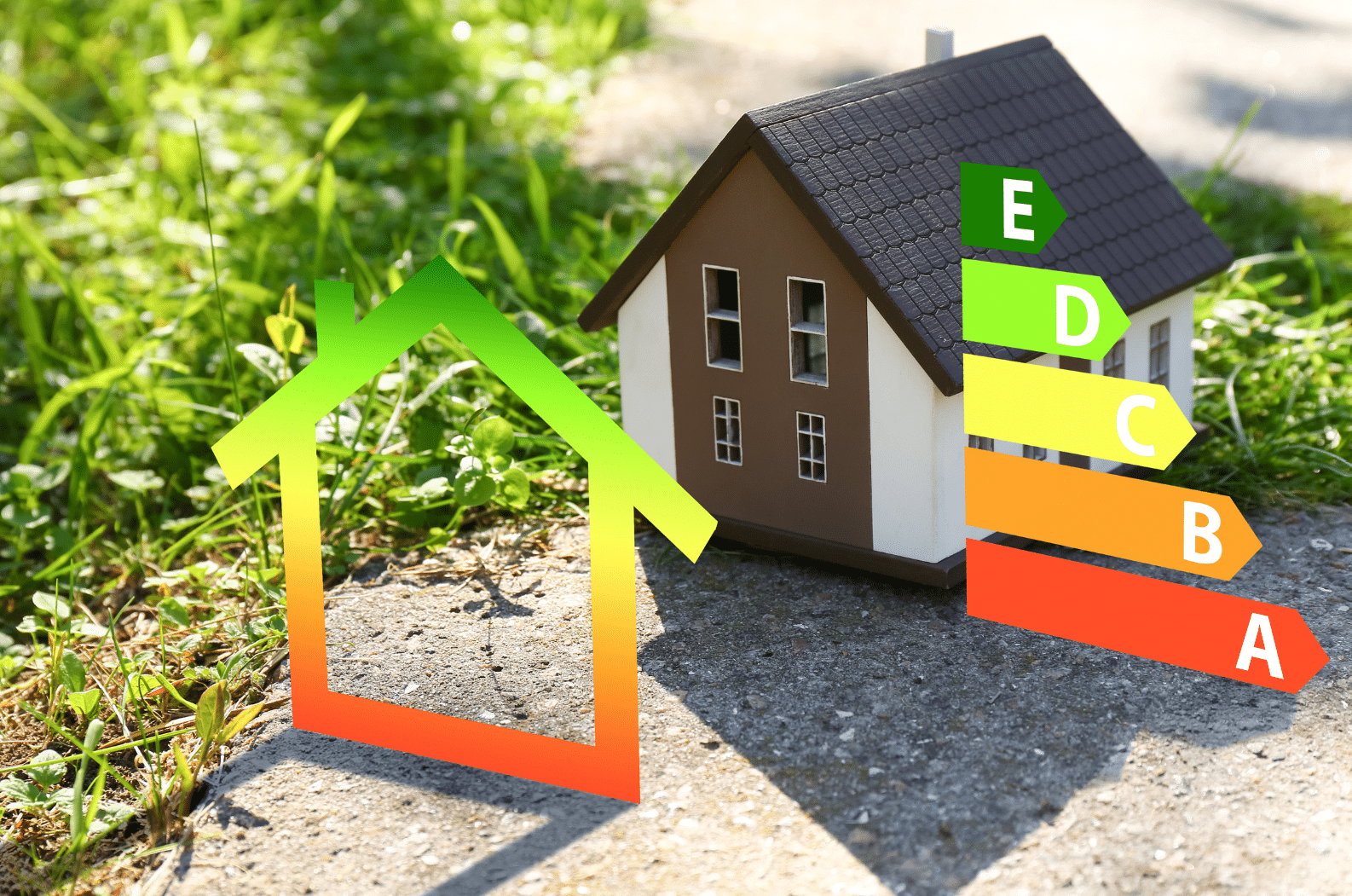
As London continues to grow and develop, ensuring sustainable urban living has become a top priority. One critical aspect of achieving this goal is through compliance with industry standards that promote energy efficiency and occupant comfort. TM59 is one such standard, specifically addressing the issue of overheating in residential buildings. In this blog, we will explore how TM59 compliance contributes to sustainable urban living in London and why it is essential for the future of our city.
What is TM59?
TM59 is a guidance document produced by the Chartered Institution of Building Services Engineers (CIBSE). It provides a methodology for assessing the risk of overheating in residential buildings. Unlike its counterpart TM52, which applies to non-residential buildings, TM59 is tailored specifically for homes, taking into account factors such as occupancy patterns and internal heat gains that are unique to residential environments.
Why TM59 Compliance is Important
- Addressing Overheating in Residential Buildings
Overheating in homes can lead to discomfort, health issues, and increased energy consumption due to the reliance on air conditioning. TM59 compliance ensures that residential buildings are designed to minimise the risk of overheating, promoting healthier and more comfortable living conditions for occupants. This is particularly important in London, where urban heat islands can exacerbate temperature extremes.
- Enhancing Energy Efficiency
TM59 compliance requires careful consideration of building design elements such as orientation, insulation, glazing, and ventilation. By optimising these factors, buildings can achieve higher energy efficiency, reducing the need for artificial cooling and lowering overall energy consumption. This aligns with London’s sustainability goals and contributes to reducing the city’s carbon footprint.
- Improving Indoor Air Quality
Good ventilation is a key component of TM59 compliance. By ensuring that residential buildings have adequate natural ventilation or efficient mechanical ventilation systems, TM59 helps improve indoor air quality. This is essential for the health and wellbeing of occupants, especially in a densely populated urban environment like London.
- Supporting Regulatory Requirements
Local authorities in London are increasingly incorporating TM59 compliance into planning and building regulations. Meeting these requirements is crucial for obtaining planning permission and avoiding costly redesigns or delays. By adhering to TM59, developers and architects can ensure that their projects are in line with current and future regulations, facilitating smoother project approvals and implementation.
- Enhancing Property Value and Marketability
Buildings that comply with TM59 are more attractive to buyers and tenants who are looking for comfortable, energy-efficient, and sustainable homes. In a competitive property market like London, TM59 compliance can enhance the marketability and value of residential properties. It signals a commitment to quality and sustainability, which are increasingly important factors for modern homebuyers.
How to Achieve TM59 Compliance
Achieving TM59 compliance involves several key steps:
- Dynamic Thermal Modelling
Conduct dynamic thermal modelling during the design phase to predict and assess the risk of overheating. This involves simulating various scenarios to identify potential hotspots and evaluate the effectiveness of different design strategies.
- Optimise Building Design
Incorporate design elements that reduce overheating risk. This includes strategic placement of windows, use of shading devices, high-performance glazing, and appropriate insulation. Consider the building’s orientation to maximise natural ventilation and minimise solar gains.
- Implement Effective Ventilation
Ensure that the building has adequate ventilation to maintain indoor air quality and manage heat. This can be achieved through natural ventilation, mechanical ventilation with heat recovery (MVHR) systems, or a combination of both.
- Use Sustainable Materials
Select materials that have good thermal properties and contribute to the overall energy efficiency of the building. Sustainable materials not only improve the building’s performance but also reduce its environmental impact.
- Monitor and Validate
After construction, monitor the building’s performance to ensure it meets the TM59 criteria. Use sensors and other monitoring tools to track indoor temperatures and ventilation effectiveness. Make adjustments as necessary to maintain compliance and occupant comfort.
Conclusion
TM59 compliance is a crucial aspect of sustainable urban living in London. By addressing the risk of overheating, enhancing energy efficiency, improving indoor air quality, and supporting regulatory requirements, TM59 plays a vital role in creating comfortable, healthy, and sustainable residential environments.
For developers, architects, and property owners, achieving TM59 compliance is not just about meeting regulations—it’s about contributing to a greener, more liveable city. In the face of climate change and growing urban populations, sustainable building practices are essential for the future of London. By embracing TM59 guidelines, we can ensure that our homes are not only places of comfort but also pillars of sustainability and resilience.
As London continues to lead the way in urban innovation, TM59 compliance will be a key component of our collective efforts to build a sustainable, vibrant, and healthy urban future. Whether you are planning a new residential development or retrofitting an existing building, prioritising TM59 compliance is a step towards a better, more sustainable London.