
Have you ever wondered how energy-efficient your home in London is or why that matters? With increasing emphasis on sustainability and energy savings, understanding the dynamics of Energy Performance Certificates (EPCs) has become crucial for homeowners and renters alike. In this article, we dive deep into the of EPCs exploring their importance, what they entail, and their impact on real estate in London.
What is an Energy Performance Certificate (EPC)?
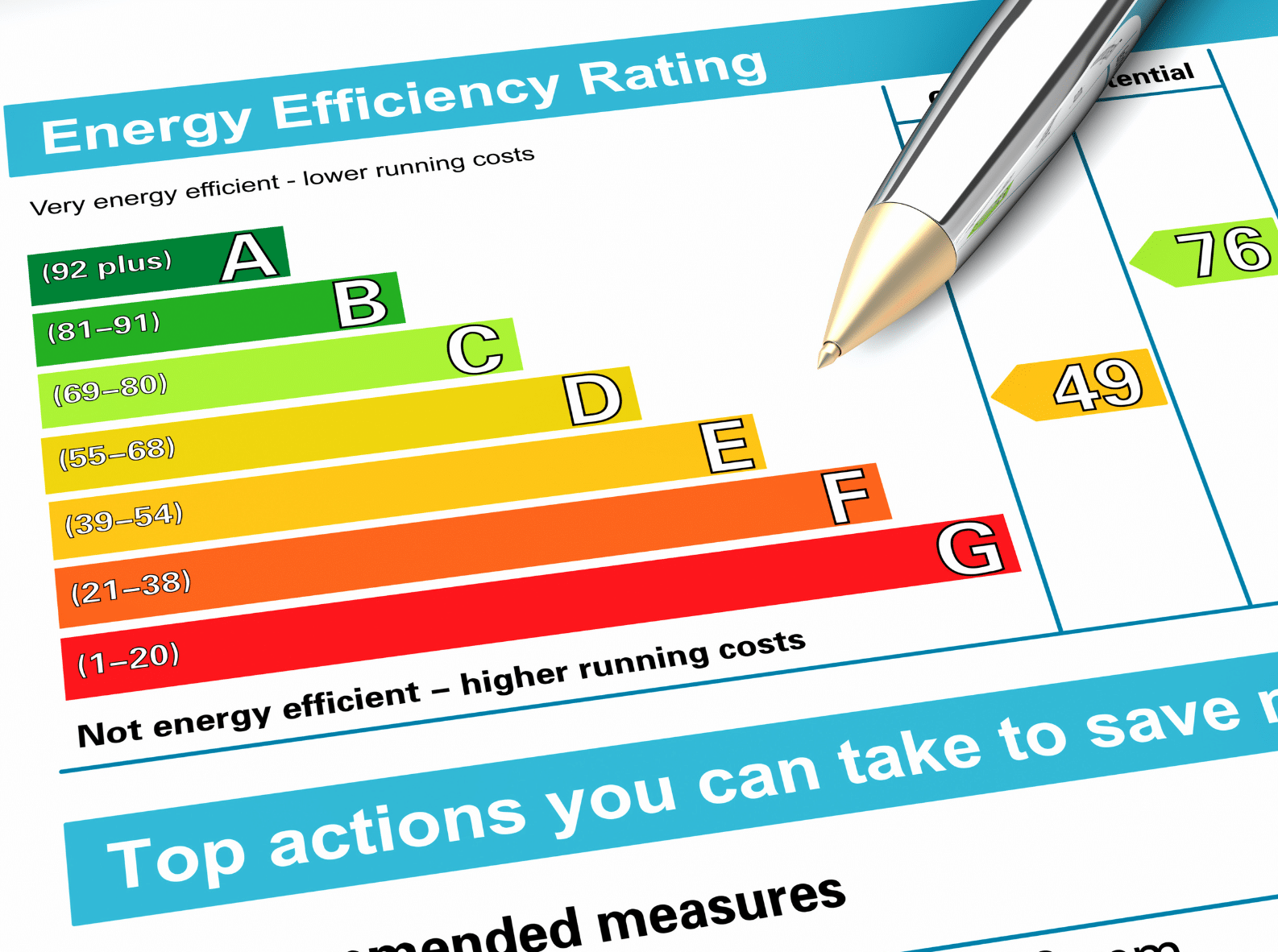
An Energy Performance Certificate, commonly known as an EPC, is a document that provides details about the energy efficiency of a building. It offers a rating from A (most efficient) to G (least efficient), similar to the labels on household appliances.
Purpose and Legal Requirements
Regulatory Compliance: In London, EPCs are legally required for properties that are sold, rented, or built.
Informational Tool: It helps potential buyers or tenants understand the energy performance and cost of running the property.
The Scoring System
The EPC includes information on the property’s energy use, carbon dioxide emissions, and fuel costs. These details are projected over three years, providing a long-term perspective on energy consumption.
How to Obtain an EPC
Acquiring an EPC in London involves a few straightforward steps. Here’s how to go about it:
Hiring a Qualified Assessor
The assessment must be carried out by an accredited energy assessor who is recognised and registered in the UK.
The Assessment Process
The assessor visits your property to examine key items such as loft insulation, the boiler, and double glazing. Following the assessment, the property is rated, and the certificate is issued.
Costs and Validity
An EPC typically costs between £60 and £120, depending on the property’s size and location. It’s valid for 10 years from issuance.
Importance of EPC Ratings in Real Estate Transactions
EPC ratings can significantly influence the appeal of a property on the market.
Influence on Property Values
Properties with high EPC ratings often fetch higher prices because they promise lower future energy costs.
Legal Implications for Landlords
It’s illegal to rent out a property with an EPC rating below E, highlighting the necessity for landlords to improve their properties’ efficiency.
Tips for Improving Your EPC Rating
Enhancing your property’s EPC rating not only supports the environment but can also reduce energy bills and boost property value. Here are practical steps you can take:
- Insulation and Windows
- Improve wall and loft insulation.
- Upgrade to energy-efficient windows.
- Heating System
Revamping the property’s heating system by installing a more efficient boiler or heating controls can make a significant difference.
Renewable Energy Sources
Consider incorporating renewable energy sources like solar panels or wind turbines.
Conclusion
Energy Performance Certificates are a cornerstone in the promotion of energy efficiency in London homes. They offer a clear insight into the energy performance of properties while encouraging improvements and sustainability. Whether you’re a homeowner looking to sell or a renter seeking an eco-friendly home, understanding and utilising EPCs can lead to substantial benefits, both economically and environmentally. Don’t overlook the importance of this valuable resource—embrace it to make informed decisions and to contribute towards a greener planet.
Remember: An efficient home is not only better for the environment but also lighter on your wallet!
Understanding the intricacies of EPCs ensures that you make smarter choices about where you live or invest, fostering healthier finances and a healthier world.