Water Calculations for Part G Regulations
Water Calculations for New Builds
Water calculations play a pivotal role in the construction industry, particularly in the context of new builds. These calculations are fundamental in determining the water requirements of a building, ensuring that its design is not only functional but also sustainable.
In the United Kingdom, where water conservation is a pressing issue, the accurate estimation of water needs is crucial for reducing waste and promoting responsible water management practices.
Understanding Water Calculations
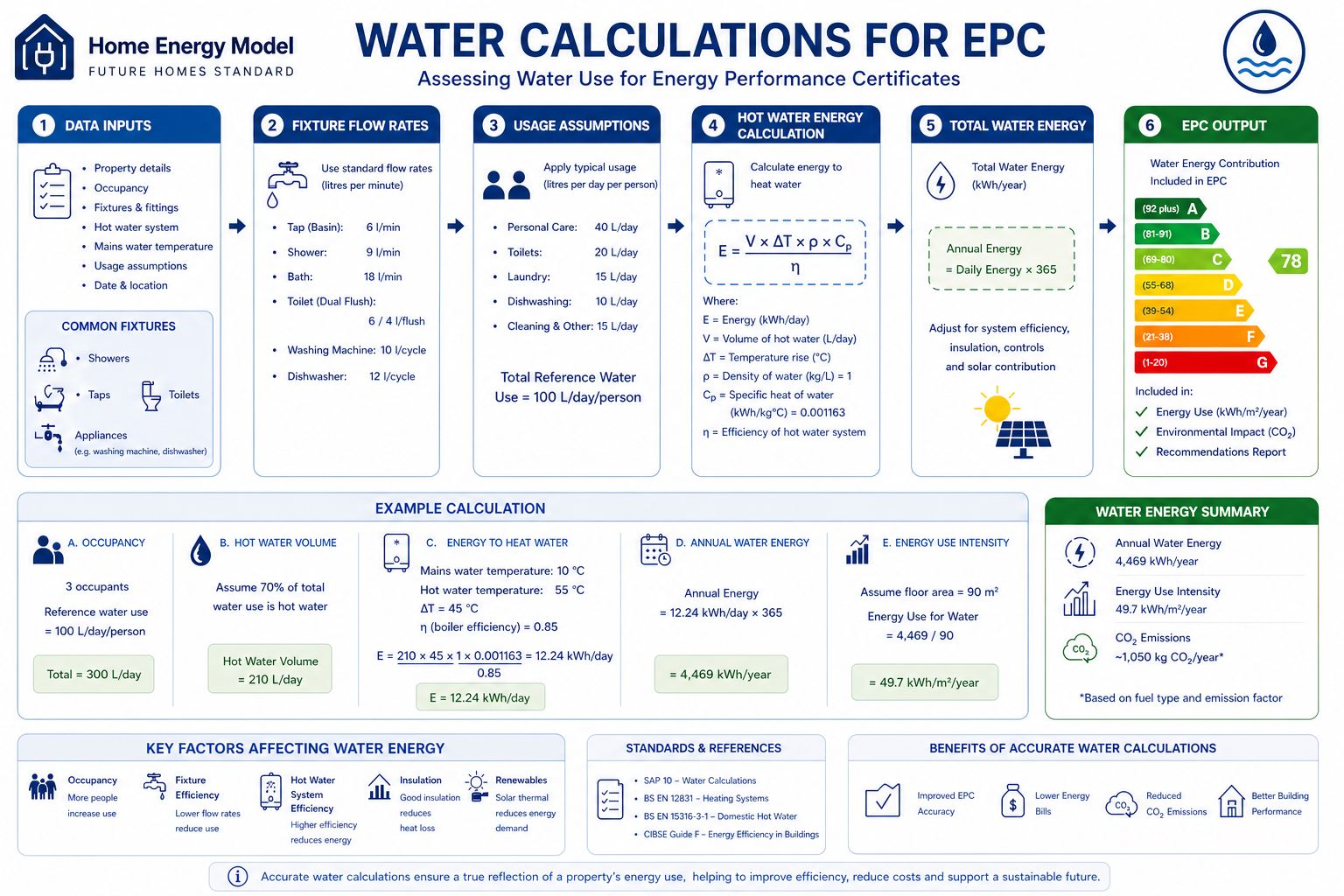
Water calculations are an essential component in the systematic evaluation of a building’s water demand and usage patterns. This comprehensive process encompasses a detailed analysis of various critical factors, including the building’s size, occupancy levels, intended use, and the efficiency of its water fixtures and appliances. By performing these calculations, builders and designers can create water systems that not only meet the distinctive needs of the building but also minimize wastage and promote sustainable practices.
One of the primary objectives of conducting thorough water calculations is to ensure compliance with UK building regulations and standards, which serve as pivotal guidelines for the construction industry. Among these, Part G of the Building Regulations outlines specific requirements focused on water efficiency in newly constructed buildings. Adhering to these regulations not only allows builders to meet their legal obligations but also plays a significant role in the broader initiative of conserving water resources, which is becoming increasingly critical in light of growing environmental concerns and climate change.
In addition to compliance, water calculations can improve the overall performance of the building’s plumbing systems. Understanding the expected water flow rates and usage patterns assists in making informed decisions regarding the sizing and installation of pipes, pumps, and storage systems. This optimization can lead to reduced operational costs and maintenance needs over the long term. Furthermore, an effective water management system can enhance the comfort and satisfaction of the building’s occupants, ensuring that water delivery is both efficient and reliable.
Moreover, as part of the water calculations, it is beneficial to consider the integration of advanced water-saving technologies such as low-flow fixtures, rainwater harvesting systems, and greywater recycling. These technologies not only contribute to lower water consumption but also align with contemporary sustainability goals, making the building more appealing to environmentally minded stakeholders and occupants alike.
In summary, the systematic approach of water calculations is invaluable in the realm of building design and construction. By analyzing various factors and adhering to relevant regulations, builders can create water systems that are efficient, sustainable, and tailored to the specific requirements of each project. Engaging in this meticulous planning not only fulfills compliance obligations but also empowers the construction industry to contribute positively to the conservation of vital water resources in today’s resource-constrained environment.
UK Building Regulations and Water Efficiency
In the United Kingdom, water efficiency in new construction projects is governed by a comprehensive framework of regulations and standards aimed at minimizing water wastage and advancing sustainability initiatives. One of the pivotal components of this regulatory framework is Part G of the Building Regulations, which specifically delineates requirements for water efficiency in new dwellings. This legislation mandates the installation of water-efficient fixtures, such as low-flow taps and dual-flush toilets, as well as encouraging the integration of innovative systems like rainwater harvesting and greywater recycling. These systems not only reduce the demand for potable water but also help in managing stormwater effectively.
Compliance with these stringent regulations is not merely a legal obligation; it represents a pragmatic consideration for builders and developers. By prioritizing water-efficient design and construction practices, builders can significantly mitigate the environmental impact associated with their projects. This proactive approach not only contributes to the sustainable use of water resources but also yields potential reductions in operational costs over the lifespan of the building. Such cost savings can arise from lower water consumption bills and reduced wastewater charges.
Moreover, builders who go above and beyond the minimum requirements established by the regulations may benefit from various financial incentives. These can include grants, tax breaks, or credits available through governmental and non-governmental programs aimed at promoting green building practices. Additionally, exceeding water efficiency standards can enhance the marketability of a development, appealing to a growing demographic of environmentally conscious consumers who prioritize sustainable living solutions.
Water calculations represent a critical process in the planning and execution of new building projects throughout the UK. Accurately assessing the anticipated water needs is essential not only for regulatory compliance but also for fostering sustainable practices within the construction industry. Builders have an essential role in this regard, as meticulous water calculations enable them to design infrastructures that are both effective in their usage and resilient against future water scarcity challenges. This commitment to sustainable water management helps drive the sector towards greater ecological responsibility and supports the broader goal of a more environmentally friendly future, thereby contributing to the UK’s ambitions in addressing climate change and promoting sustainability at large.
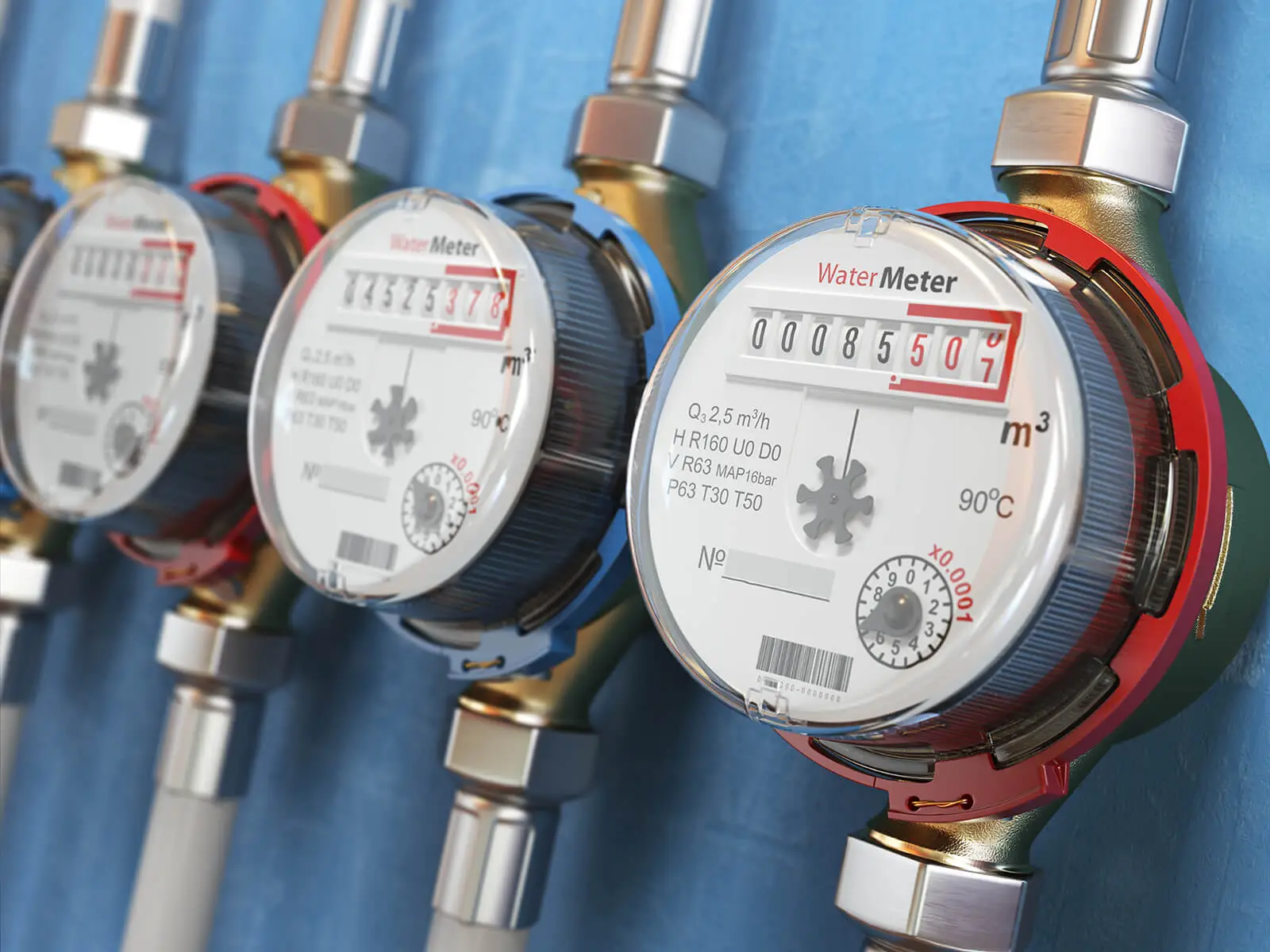
Components of Water Calculations
Water calculations are integral to the efficient management of water resources in various types of buildings and facilities. These calculations incorporate several crucial components that assist in accurately determining water demand and usage patterns, ensuring that sustainable practices are employed throughout the design and operational phases.
One of the primary components in these calculations is fixture flow rates. Fixture flow rates refer to the volume of water that flows through various fixtures—such as faucets, showers, and toilets—over a specified period, typically measured in gallons per minute (GPM) or liters per minute (LPM). Understanding these flow rates is vital for builders and architects, as it allows for the design of plumbing systems that are both efficient and effective in meeting the water needs of a building’s occupants. For instance, by analyzing the flow rates of different fixtures, designers can create a comprehensive water supply plan that ensures optimal performance while adhering to regulatory standards and promoting sustainability.
Another significant component in water calculations is occupancy rates. Occupancy rates indicate the number of individuals likely to be present in a building at any given moment and are pivotal in estimating water demand. A higher occupancy rate typically correlates to increased water usage, making it essential for designers to consider not only the overall number of occupants but also the intended use of various spaces within the building. For example, a commercial office building may experience peak water demand during work hours, while a residential building may have fluctuating usage patterns based on family routines. Factors such as building size, occupancy type (residential versus commercial), and geographical location further influence these calculations. In regions facing water scarcity, for example, careful consideration of occupancy rates can lead to the implementation of innovative practices and technologies aimed at conserving water resources.
It is also critical to incorporate water-efficient fixtures and technologies into these calculations. Such fixtures—exemplified by low-flow showers, faucets, and dual-flush toilets—are specifically designed to minimize water consumption without compromising performance. The integration of these fixtures into one’s design strategy not only achieves substantial reductions in water usage but also aligns with contemporary environmental standards and regulations aimed at promoting sustainability. The adoption of water-efficient technologies, such as smart irrigation systems and greywater harvesting, further enhances a building’s overall water efficiency, providing long-term benefits for both building owners and the environment.
By thoroughly analyzing, understanding, and applying these key components—fixture flow rates, occupancy rates, and the integration of water-efficient technologies—builders and designers can create a comprehensive water management strategy that supports both current and future occupants. This proactive approach not only facilitates the responsible use of water resources but also contributes to the overarching goals of sustainability, reducing both operational costs and environmental impact over time.
Importance of Water Calculations in New Builds
Accurate water calculations are essential for designing efficient and sustainable water systems in new construction projects. These calculations play a critical role in estimating the water demand and usage patterns of a building, allowing builders to implement strategies that optimize water usage while concurrently minimizing costs and the environmental footprint.
For instance, by conducting precise water calculations, builders can identify opportunities for improving water efficiency by installing water-efficient fixtures and implementing various water-saving measures. Such proactive approaches can lead to a significant reduction in the total volume of water consumed throughout the building’s lifecycle. These reductions not only translate into notable cost savings for building owners and occupants through lower utility bills but also contribute positively to broader environmental conservation efforts, aligning with global sustainability goals.
Moreover, water calculations are pivotal in ensuring compliance with regulatory requirements and industry standards related to water efficiency. Many jurisdictions have established stringent codes and guidelines that mandate optimized water usage in construction projects. By adhering to these regulations, builders can avoid potential penalties, legal repercussions, and costly delays in project completion. Consequently, compliance not only safeguards the interests of builders but also enhances their reputation as responsible and environmentally conscious participants in the construction industry.
Several studies underscore the multifaceted benefits of implementing meticulous water calculations in new building projects. For example, a comprehensive study conducted by the Building Research Establishment (BRE) demonstrates that buildings designed with rigorous water calculation protocols achieved remarkable water savings compared to their counterparts that did not follow such methodologies. Specifically, the research revealed that buildings incorporating sophisticated water efficiency measures were able to reduce their water consumption by as much as 30%. This substantial reduction not only leads to impressive cost savings but also contributes to enhanced environmental sustainability by conserving a valuable natural resource.
In conclusion, the integration of accurate water calculations in the planning and construction phases of buildings is indispensable for achieving efficient water management. As the demand for sustainable building solutions grows, the importance of these calculations will only continue to increase, reinforcing the need for builders to adopt best practices in water efficiency. By prioritizing water calculations, the construction industry can play a significant role in driving sustainability, ensuring regulatory compliance, and promoting responsible resource stewardship for future generations.
The current limits are set as follows:
The current limits are set as follows:
- Less than or equal to 120L p/day – Levels 1 & 2
- Less than or equal to 105L p/day – Levels 3 & 4
- Less than or equal to 80L p/day – Levels 5 & 6
Credits are made available upon the successful achievement of the above targets.
Example Calculation for a Household**
Suppose a household of four uses showers, toilets, a washing machine, and a dishwasher:
- Showers: 10-minute showers, 1 per person per day.
- ( 10 \times 9 \times 4 \times 30 = 10,800 \text{ litres/month} )
- Toilets: 5 flushes per person per day, 7 litres per flush.
- ( 5 \times 7 \times 4 \times 30 = 4,200 \text{ litres/month} )
- Washing Machine: 5 loads per week, 50 litres per load.
- ( 5 \times 50 \times 4 = 1,000 \text{ litres/month} )
- Dishwasher: 4 cycles per week, 12 litres per cycle.
- ( 4 \times 12 \times 4 = 192 \text{ litres/month} )
Total Monthly Water Usage = 10,800 + 4,200 + 1,000 + 192 = 16,192 litres/month.

Challenges and Considerations
Conducting water calculations for new builds within the context of the United Kingdom can indeed present several intricate challenges that require careful consideration and strategic planning. One of the predominant challenges is the accurate estimation of water demand, especially in buildings characterized by complex usage patterns, such as mixed-use developments, or those with fluctuating occupancy rates, such as hotels or office spaces. In these scenarios, the demand for water can vary significantly throughout the day and week, complicating the ability to project water usage accurately.
Moreover, another considerable challenge involves ensuring the availability of reliable and precise data. Essential variables such as fixture flow rates, the number of occupants, and peak usage times must be gathered with care. Inaccuracies or a lack of data can lead to inadequate water supply, overestimation of needs, or a failure to meet regulatory requirements, which can have far-reaching consequences for both builders and occupants alike.
To effectively overcome these challenges, a proactive approach involving meticulous planning, innovative design, and diligent implementation is vital. Builders should prioritize collaboration with water engineers and industry experts who can provide informed insights into the water usage patterns specific to various building types. This collaboration can facilitate the development of precise and context-sensitive water calculations grounded in reliable data sources.
Additionally, the inclusion of water-efficient fixtures, such as low-flow taps and dual-flush toilets, along with advanced technologies like smart water management systems, can significantly contribute to enhancing water efficiency in new builds. These technologies not only help in reducing water consumption but also address challenges related to fluctuating water demands by enabling real-time monitoring and adjustments based on actual usage patterns.
Furthermore, it is crucial that builders stay updated with the latest regulations and best practices in water management, such as those outlined in the Building Regulations and the relevant provisions within the UK Water Industry. By adhering to such guidelines and investing in the latest sustainable design innovations, builders can ensure that their projects contribute to a more sustainable and responsible usage of water resources.
In conclusion, through strategic planning and the implementation of efficient technologies, builders can navigate the complexities of water calculations in new builds, leading to the creation of environmentally sustainable structures that serve the needs of their occupants while also conserving precious resources.
Conclusion
Water calculations are an integral aspect of designing sustainable and efficient water systems in new construction projects. As the global concern surrounding water scarcity intensifies, accurate estimations of water demand, coupled with the development of optimized water usage strategies, have become paramount. Effective water calculations ensure compliance with local and national regulatory requirements, which are essential for promoting responsible water management practices.
For builders and developers in the United Kingdom, prioritizing water calculations in construction projects is not just a regulatory necessity but a critical step towards sustainable development. These calculations enable stakeholders to assess the expected water consumption for various building functions, from residential to commercial applications. By conducting thorough analyses, builders can identify opportunities for water efficiency improvements, which often lead to significant cost savings in both the short and long term.
Moreover, implementing sound water management strategies can substantially reduce environmental impacts associated with water use. This includes less strain on local water supplies, a reduced carbon footprint from energy-intensive water heating processes, and lower treatment costs for wastewater management. These benefits not only enhance the ecological integrity of our communities but also align with broader national and international sustainability goals.

Water Calculations Quote

"*" indicates required fields